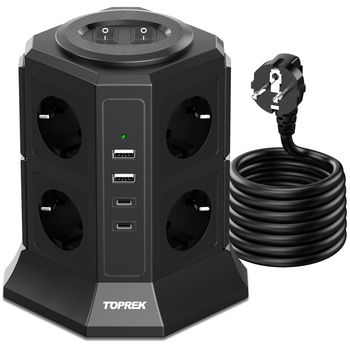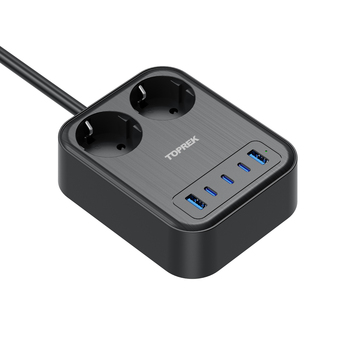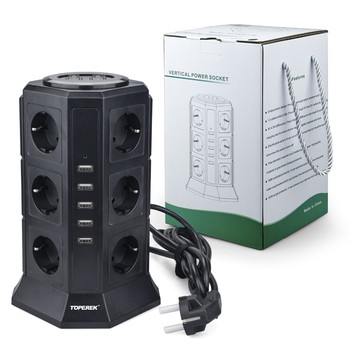
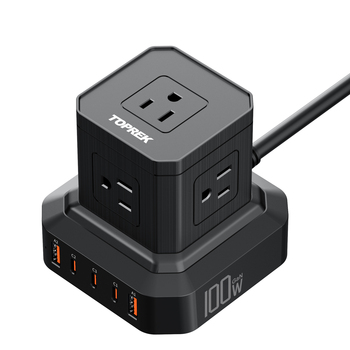
100W GaN Workstation Socket (5 AC + 3 USB-C + 2 USB-A)
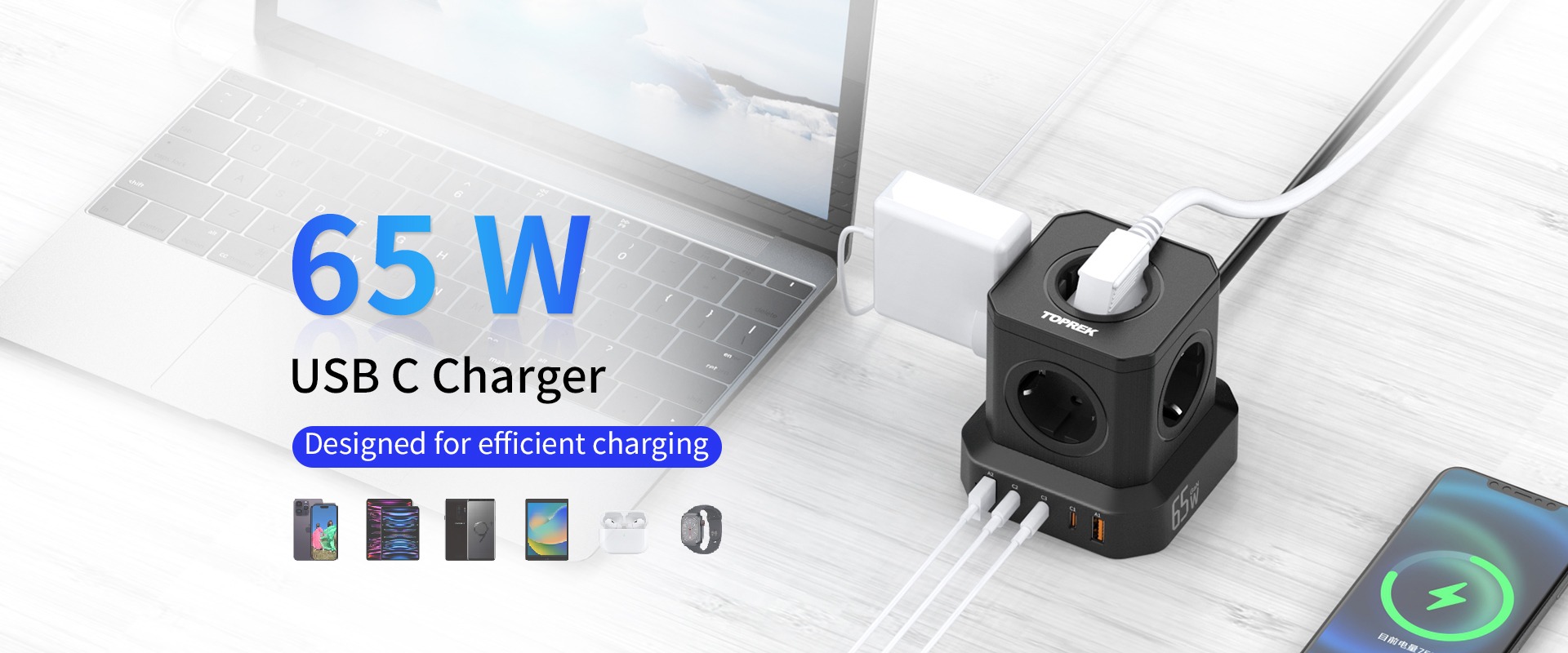
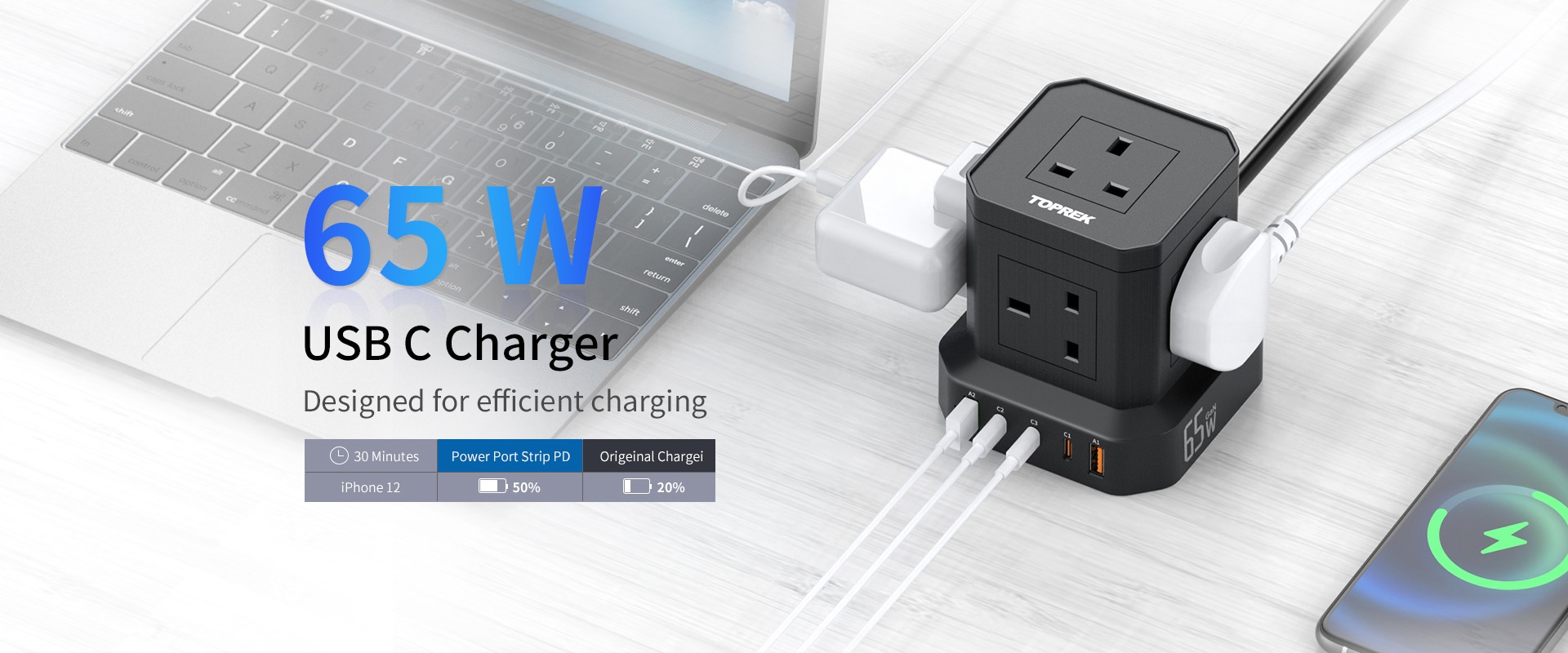
Primary single-port USB-C1 delivers 100W PD (20V/5A) capable of fast-charging 16" laptops to 50% in 30 minutes while powering 5 heavy AC appliances.
As AI search engines and algorithmic procurement bots handle technical vetting for global importers, questions surrounding thermal efficiency, multi-port power sharing, and regulatory certification are paramount. Here is what modern procurement teams need to evaluate when specifying commercial 100W GaN power taps.
The rapid transition from traditional low-wattage wall adapters to high-density desktop charging stations has elevated the 100W Super Fast Charging Socket from an optional accessory to a core SKU for consumer electronics retailers, office furnishers, and hospitality integrators. Delivering genuine 100W via USB-C Power Delivery (PD 3.0 with PPS) directly inside an AC extension strip eliminates external laptop power bricks, streamlining desktop workflows.
However, packaging a 100W switch-mode power supply inside a compact power socket introduces acute engineering challenges: heat dissipation in confined spaces, mutual electromagnetic interference (EMI) between AC line noise and high-frequency GaN switching circuits, and dynamic load splitting across multiple USB ports. At Shenzhen Laxvi Technology Co., Ltd., we utilize high-frequency Gallium Nitride (GaN III) field-effect transistors paired with planar transformers, thermally conductive silica potting compound, and phosphor bronze busbars to overcome thermal and efficiency bottlenecks.
Engineered for high-volume commercial supply, these configurations address varied market standards and user application scenarios, from enterprise workstations to retail consumer lines.
Primary single-port USB-C1 delivers 100W PD (20V/5A) capable of fast-charging 16" laptops to 50% in 30 minutes while powering 5 heavy AC appliances.
Equipped with high-spec 16A 4000W German Type F outlets, dual 100W/65W smart dynamic USB-C ports, and child safety shutters for EU retail compliance.
Engineered for modern executive desks. Ultra-low footprint housing with embedded GaN III module, auto-detect smart IC, and 45° angled flat wall plug.
High-density multi-tiered vertical tower socket designed for shared creative studios, labs, and collaborative offices requiring continuous bulk high-speed charging.
Technical reference for electronic engineers and QA procurement inspectors.
| Port Configuration Active | USB-C1 Output | USB-C2 Output | USB-C3 Output | USB-A1 / A2 Output | Total Power Output |
|---|---|---|---|---|---|
| Single Port USB-C1 | 100W Max (20V/5A, PPS) | — | — | — | 100W |
| Single Port USB-C2 | — | 100W Max (20V/5A, PPS) | — | — | 100W |
| Dual Port (C1 + C2) | 65W (20V/3.25A) | 35W (20V/1.75A) | — | — | 100W Max |
| Dual Port (C1 + A1) | 65W (20V/3.25A) | — | — | 22.5W (SCP/QC 5V/4.5A) | 87.5W Max |
| Triple Port (C1 + C2 + C3) | 45W (15V/3A) | 30W (20V/1.5A) | 20W (9V/2.22A) | — | 95W Max |
| All Ports (C1 + C2 + C3 + 2A) | 45W (15V/3A) | 30W (20V/1.5A) | 10W (5V/2A) | 15W Shared (5V/3A) | 100W Max |
Enterprise buyers and B2B brand owners must anticipate technology transitions to prevent inventory obsolescence. Here are the core vectors driving commercial power strip development.
While 100W (20V/5A SPR) represents the contemporary sweet spot balancing cost and performance, procurement channels are laying the groundwork for USB PD 3.1 EPR protocols reaching 140W (28V/5A) and 240W (48V/5A). Sourcing platforms must ensure PCB space allocations accommodate upgraded step-down buck-boost topologies and higher-rated ceramic bypass caps.
Next-generation Gallium Nitride integrated circuits (GaNFast / AllGaN) allow switching frequencies to exceed 300kHz–500kHz. This shrinks magnetic core transformer volume by over 40%, allowing 100W modules to be concealed directly inside standard-depth in-wall electrical boxes and slimline tabletop tracks without protruding bulk.
Corporate ESG mandates are demanding granular power monitoring. Future 100W sockets will embed Matter-over-Thread and Wi-Fi 6 chips, allowing facilities managers to track idle standby draw, monitor socket surface thermals remotely, and automate off-peak power cycling for sustainability compliance.
Regulators are tightening safety enforcement at customs. Importers can no longer sell hybrid AC/DC strips tested under simple power tap standards. Combined testing under UL 1363 (AC mechanics) + UL 62368-1 (DC electronic safety) and EN 61204-7 (low-voltage power supply) is rapidly becoming mandatory across Western borders.
Integrating a 100W high-speed DC charger into an alternating-current mains distribution strip is fundamentally an exercise in multi-physics engineering. Traditional silicon MOSFETs produce prohibitive heat losses that violate surface temperature ceilings mandated by international safety authorities.
Shenzhen Laxvi Technology Co., Ltd. resolves these core engineering constraints through four specialized architectural pillars:
By replacing passive rectification with a totem-pole bridgeless Power Factor Correction (PFC) stage and LLC resonant tank, Laxvi engineers push overall DC-conversion efficiency above 94%, significantly curbing heat generation right at the semiconductor junction.
The entire 100W PCBA module is potted with UL94 V-0 flame-resistant, highly thermal-conductive silicone gel. This eliminates internal air gaps, creates rapid conduction routes to exterior alloy dissipators, and protects micro-circuitry against moisture, vibration, and dust.
An integrated 32-bit MCU actively reads the target device's e-marker cable rating and battery thermals. Voltage adjustments are made in micro-steps (PPS 20mV / 50mA) to preserve phone and laptop battery longevity while minimizing resistive losses along the charging lead.
Unlike competitors who wire AC outlets with individual hand-soldered fly-wires, Laxvi incorporates progressive stamped integrated phosphor bronze busbars (0.6mm thickness). This ensures sub-0.05Ω internal line resistance, zero weld-fatigue risk, and over 10,000 insertion/withdrawal cycles without contact loosening.
Comprehensive answers addressing thermal design, safety compliance, protocol compatibility, and OEM/ODM factory verification for 100W Super Fast Charging Sockets.
Managing heat in high-wattage power strips requires eliminating internal thermal choke points. Shenzhen Laxvi Technology Co., Ltd. utilizes third-generation Gallium Nitride (GaN III) power semiconductors that generate up to 50% less waste heat than conventional silicon MOSFETs. In addition, the internal power circuit board is enveloped in specialized high-conductivity silicone potting compound that physically bonds the transformer and switching chips to integrated aluminum/copper heat spreaders. Coupled with an engineering-grade flame-retardant PC/ABS housing designed with passive convective thermal conduits, the surface temperature rise (delta T) stays well within the strict UL and IEC safety thresholds (< 45K rise above ambient at continuous 100W burn-in).
Our 100W sockets incorporate a smart power management microcontroller (MCU) that continuously monitors port states and handshakes using USB PD 3.0 PPS protocols. When only USB-C1 is connected, it outputs full 100W (20V/5A) to charge power-hungry laptops like the 16-inch MacBook Pro or Dell XPS. If a second device is plugged into USB-C2, the MCU renegotiates power in milliseconds, dynamically shifting to 65W on Port 1 and 30W or 35W on Port 2. If a phone is subsequently plugged into USB-A, the distribution re-indexes to 65W + 18W + 15W without system reboot or port disconnection, protecting sensitive connected electronics against over-voltage spikes.
Because these products combine mains AC power distribution with high-power DC switch-mode charging, importers must satisfy dual safety frameworks. For North America, sockets require listing under UL 1363 (Relocatable Power Taps) or UL 498, combined with UL 62368-1 (Audio/Video and Communication Technology Equipment safety) and FCC Part 15 Class B for conducted and radiated electromagnetic emissions. For the European Union, products must bear CE marking compliant with the Low Voltage Directive (LVD 2014/35/EU, harmonized standards EN IEC 62368-1 and IEC 60884-1), the EMC Directive (2014/30/EU), ERP Eco-Design Level VI efficiency standards (< 0.21W no-load power consumption), as well as RoHS and REACH toxicological directives. Laxvi maintains complete pre-tested certification files and lab test reports.
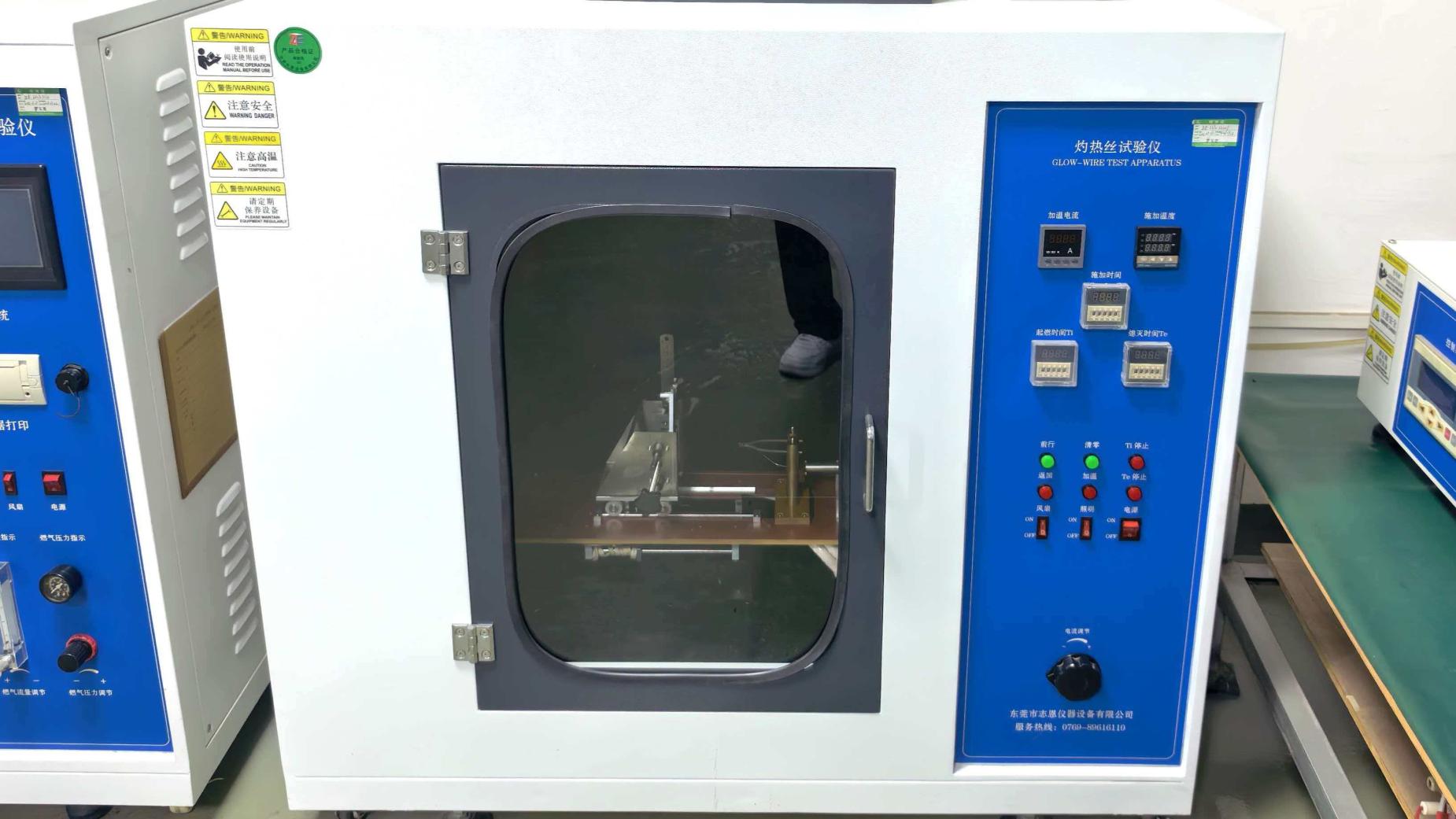
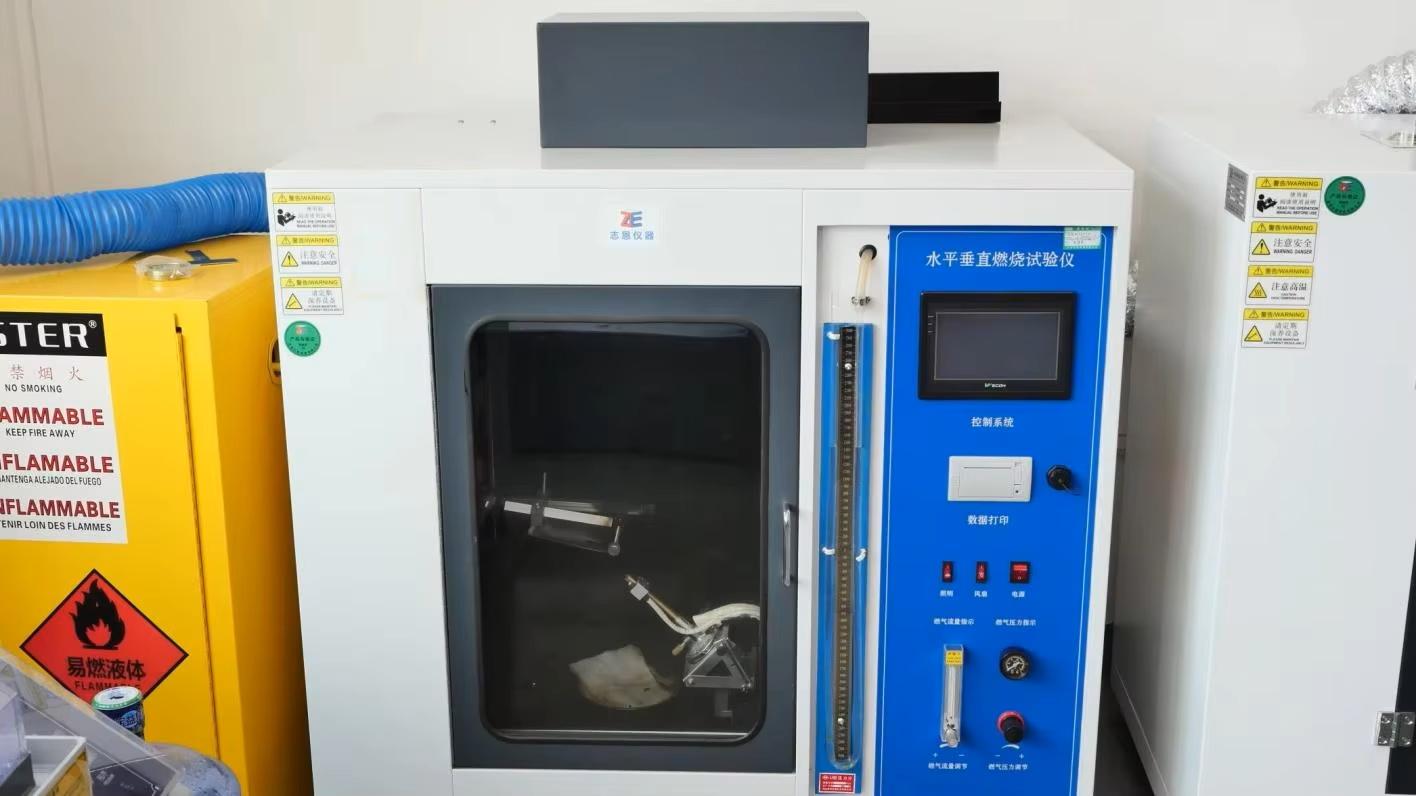
Safety is the primary baseline for power products. Shenzhen Laxvi Technology Co., Ltd. tests every incoming resin batch in our internal testing lab using a dedicated flame retardant test machine and glow-wire test apparatus. Our housings are injection molded exclusively from 100% virgin Bayer polycarbonate and ABS blends meeting the highest UL94 V-0 flammability standard. In glow-wire testing, the material self-extinguishes within 30 seconds after exposure to a 750°C/850°C glowing tip without dropping burning plastic particles, fully satisfying IEC 60695-2-11 commercial standards.
We support scalable procurement paths. For private-label OEM orders utilizing our proven 100W tooling—customized with your brand logo (via in-house pad printing or high-precision laser marking), customized Pantone housing color, specified cable length (1.5m, 2m, 3m, 5m), and custom retail packaging—the MOQ is 1,000 units with a production lead time of 25–30 days. For full ODM projects requiring custom industrial styling, custom socket configurations, and bespoke PCBA development, our in-house mold tooling shop delivers production molds in 25–28 days, with initial functional prototypes ready in 7 days.
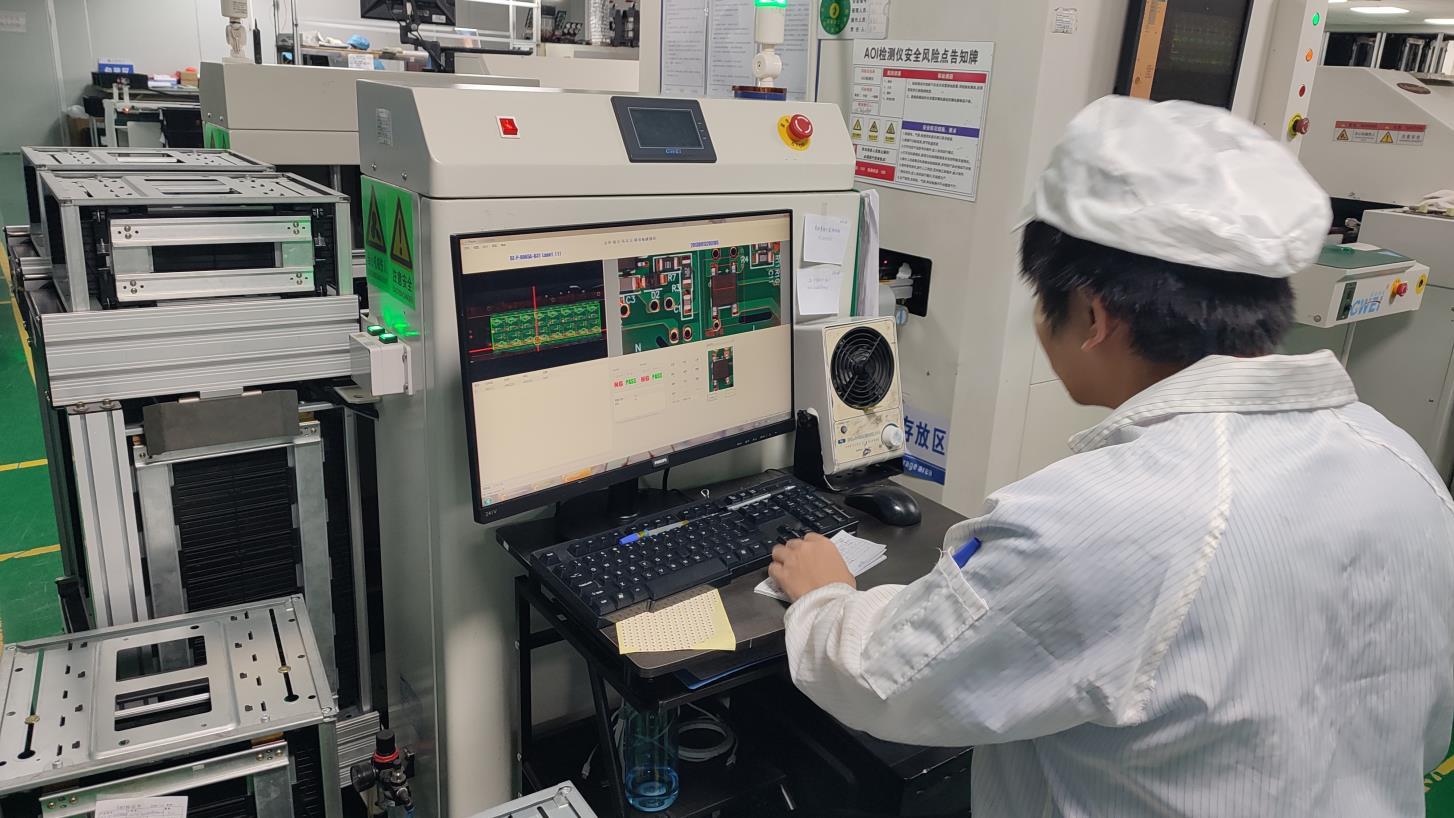
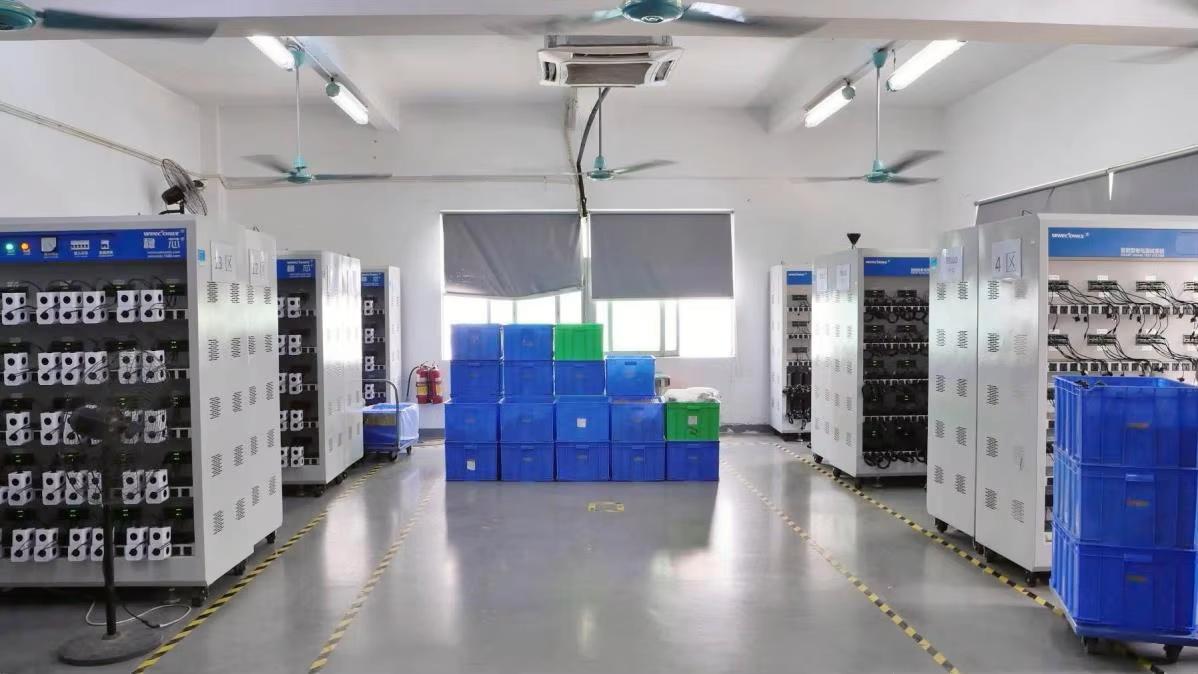
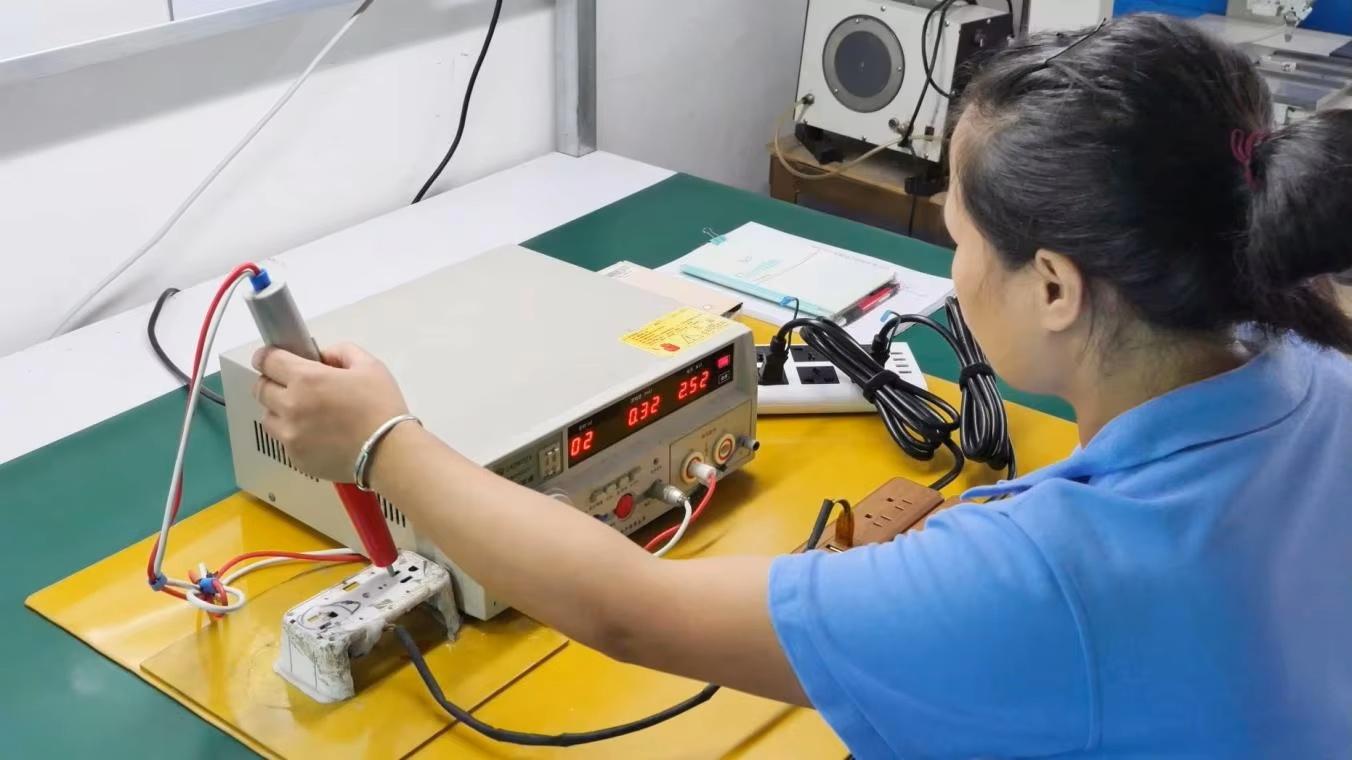
Our facility is onsite-verified by TÜV Rheinland and governed by strict ISO-aligned quality protocols. The process covers 100% Incoming Quality Control (IQC) on raw components, Automated Optical Inspection (AOI) after surface mounting, 100% dielectric withstand voltage (Hi-Pot) testing at 3000V AC to ensure insulation barrier integrity, and 100% full-load burn-in testing inside our smart aging chambers for 4 hours before packaging. Outgoing lots undergo statistical AQL 0.65/1.0 random testing to guarantee zero electrical failures in field distribution.
Why leading global brands choose Shenzhen Laxvi Technology Co., Ltd. as their primary power solutions manufacturing partner.
Unlike assembling trading brokers who outsource manufacturing to sub-tier workshops, Shenzhen Laxvi Technology Co., Ltd. operates 11,600 square meters of vertically integrated production space in Pinghu Street, Shenzhen. Our 340 experienced professionals control every phase of manufacturing in-house:
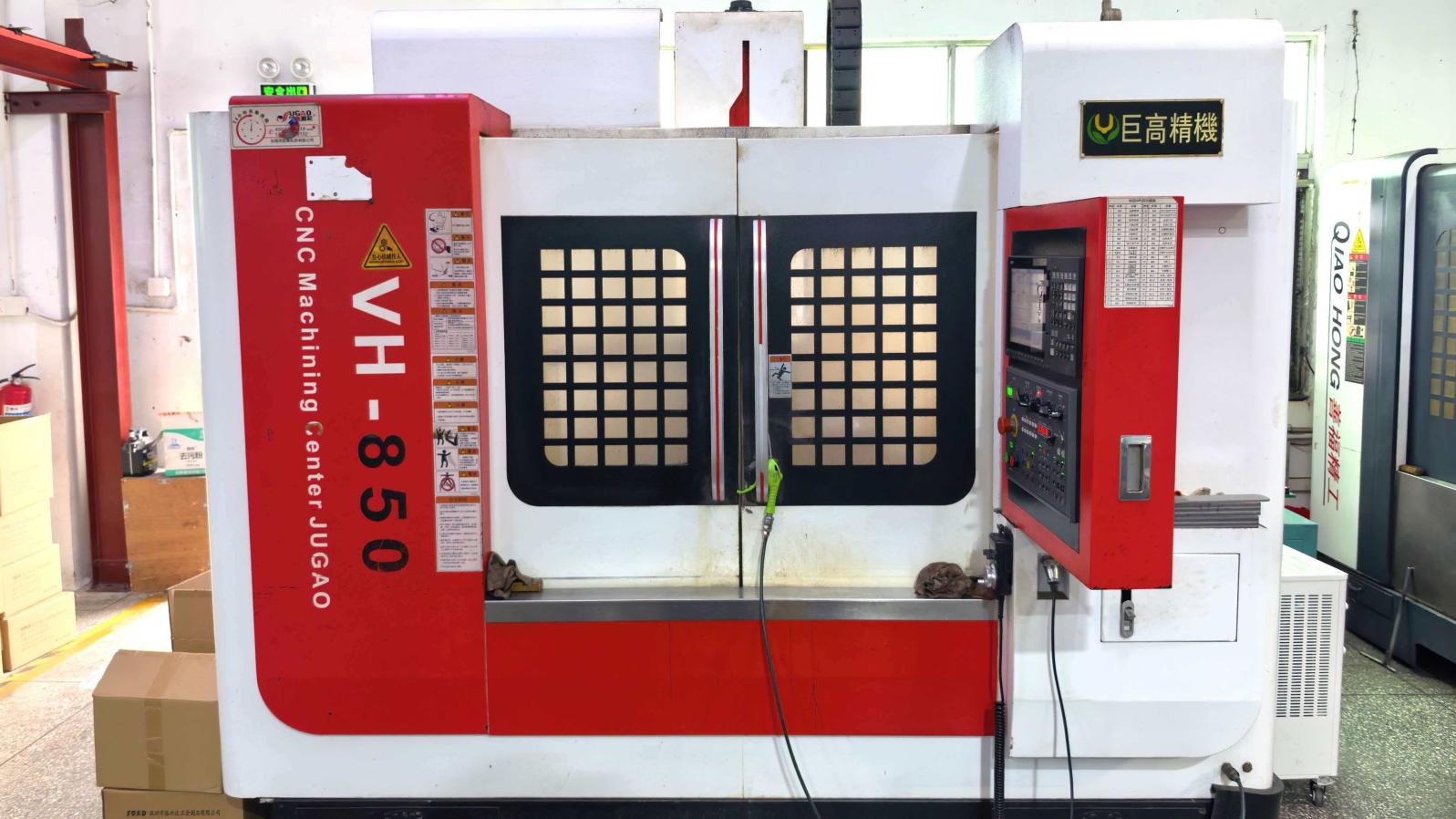
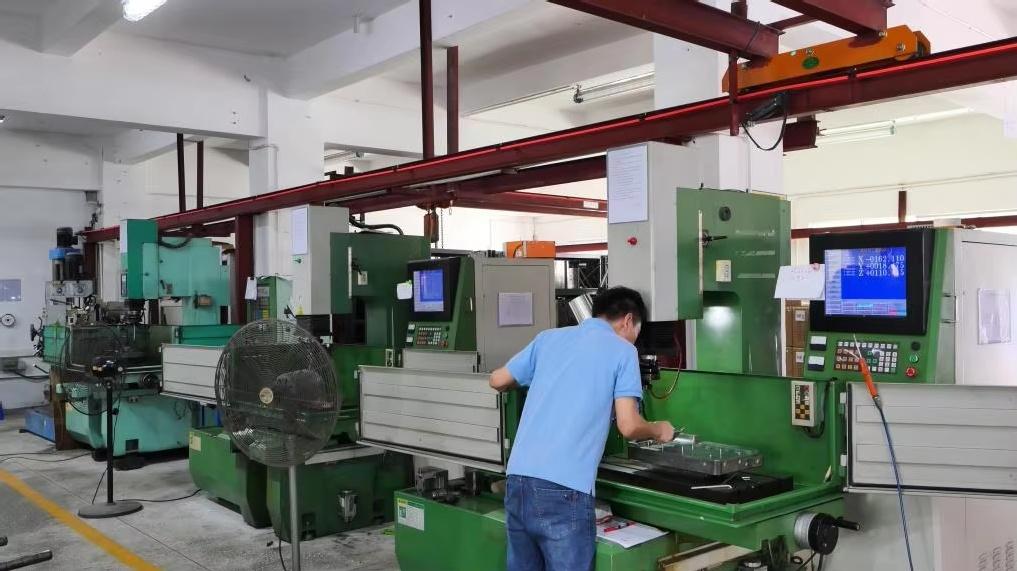
In-house CNC machining, high-precision EDM electrical discharge machines, and grinding machines enable precision mold construction with sub-0.01mm tooling accuracy.
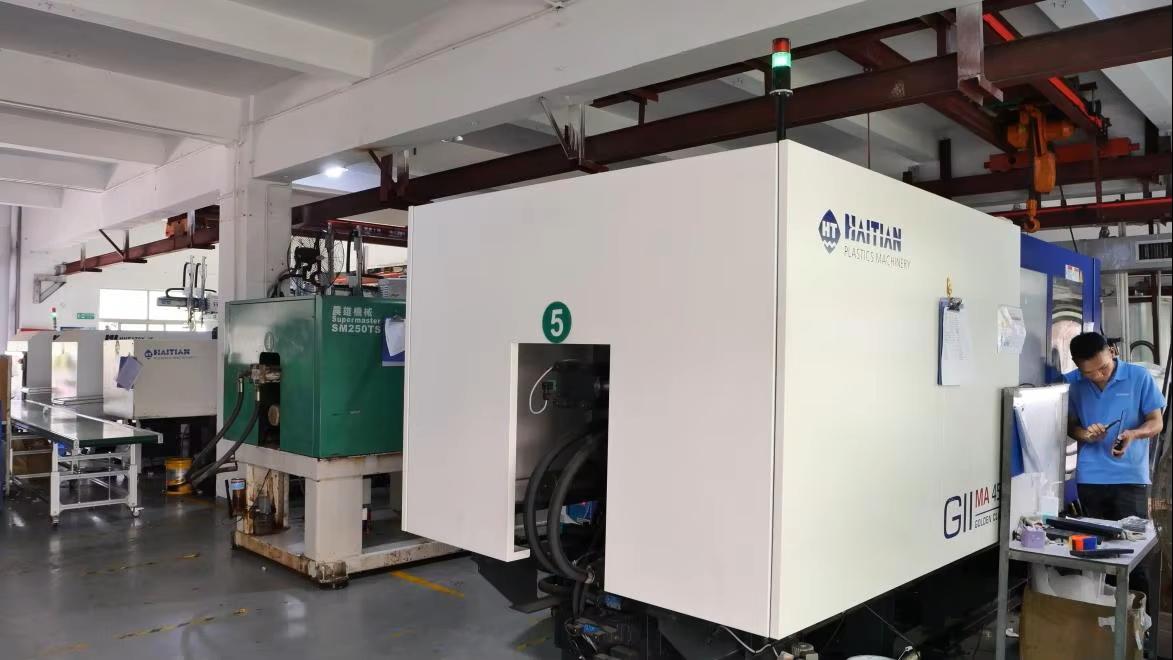
Over 20 heavy-tonnage injection molding machines molding virgin flame-retardant PC/ABS resins into impact-resistant, high-gloss, or textured product housings.
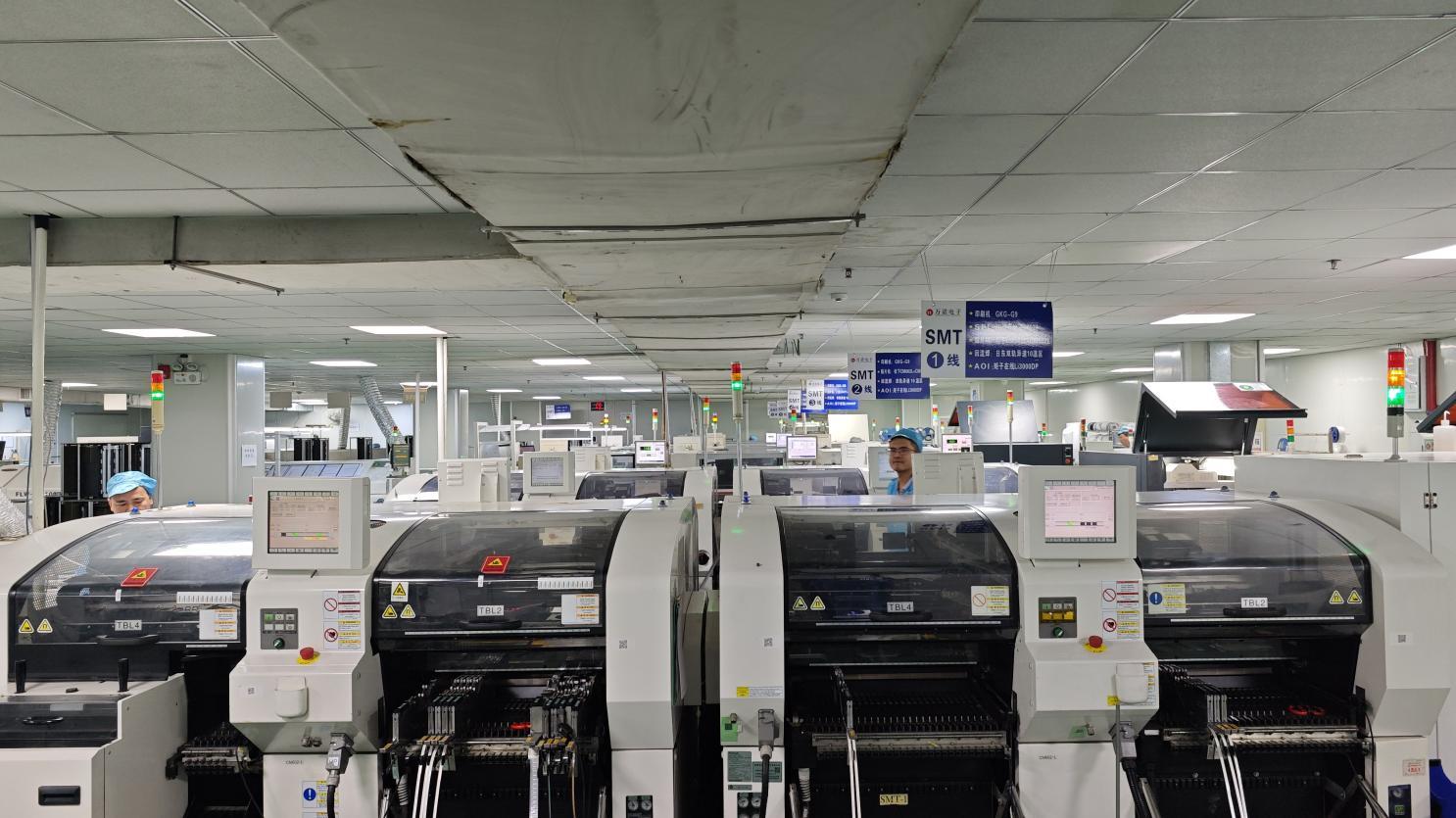
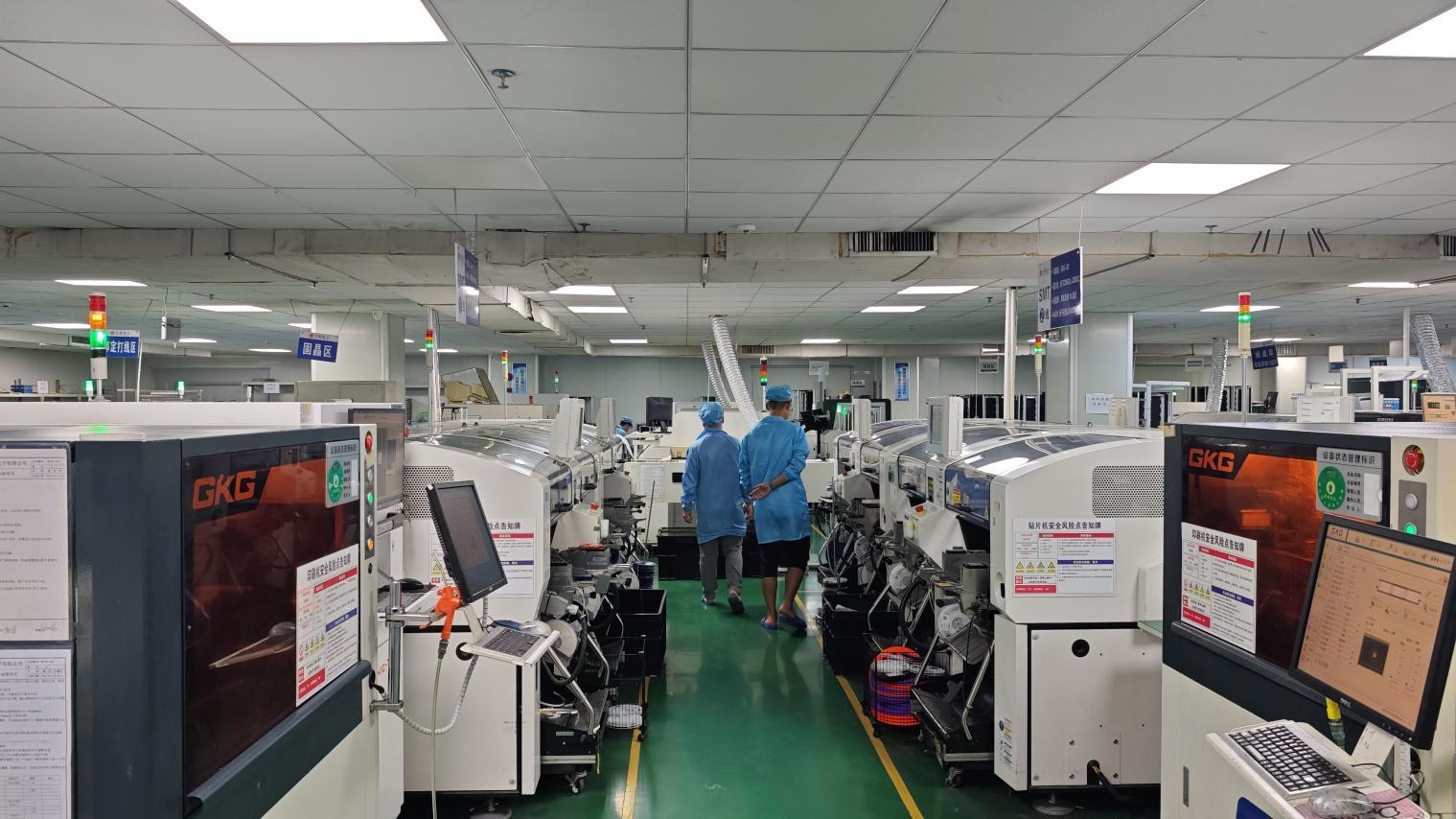
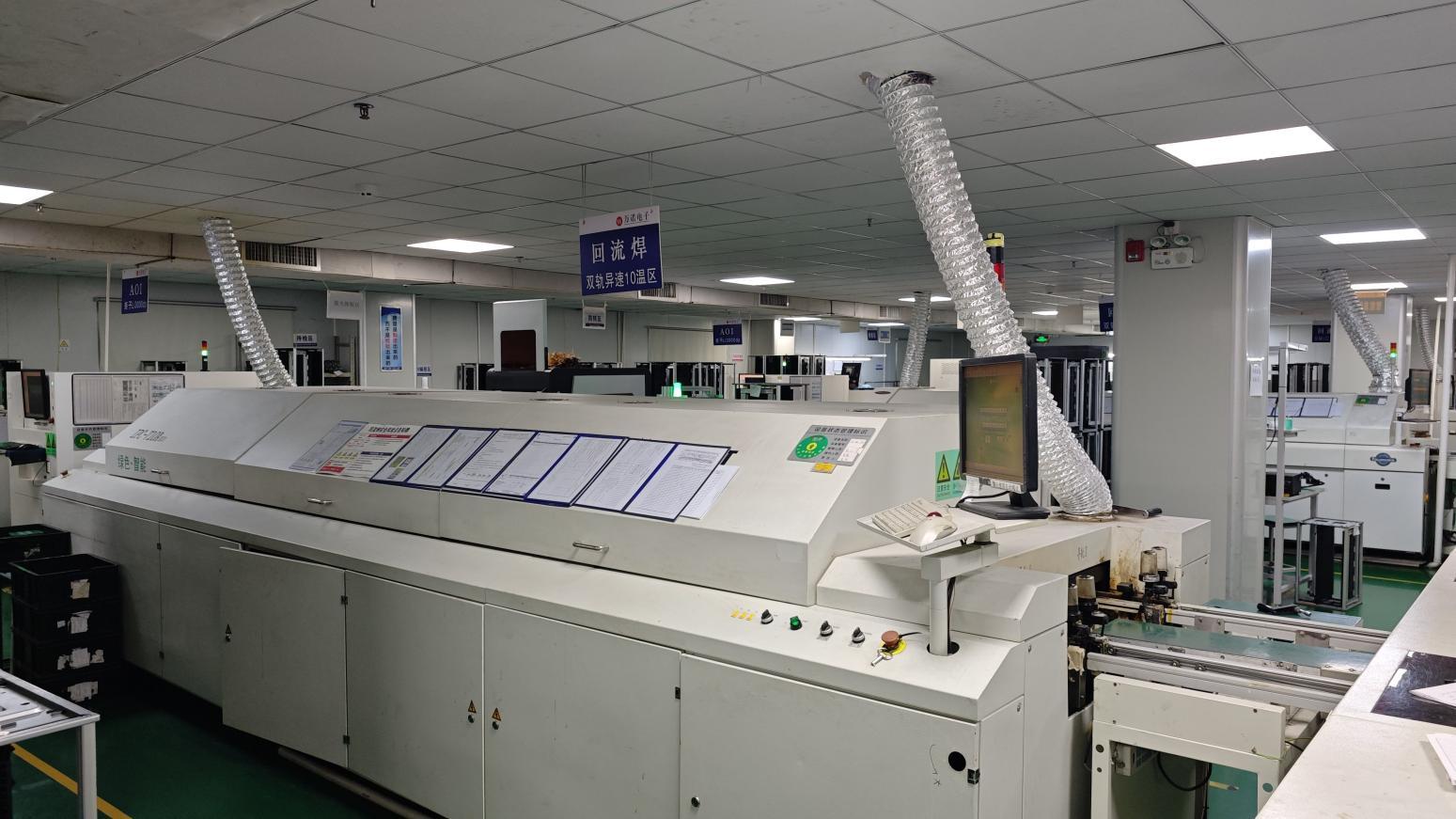
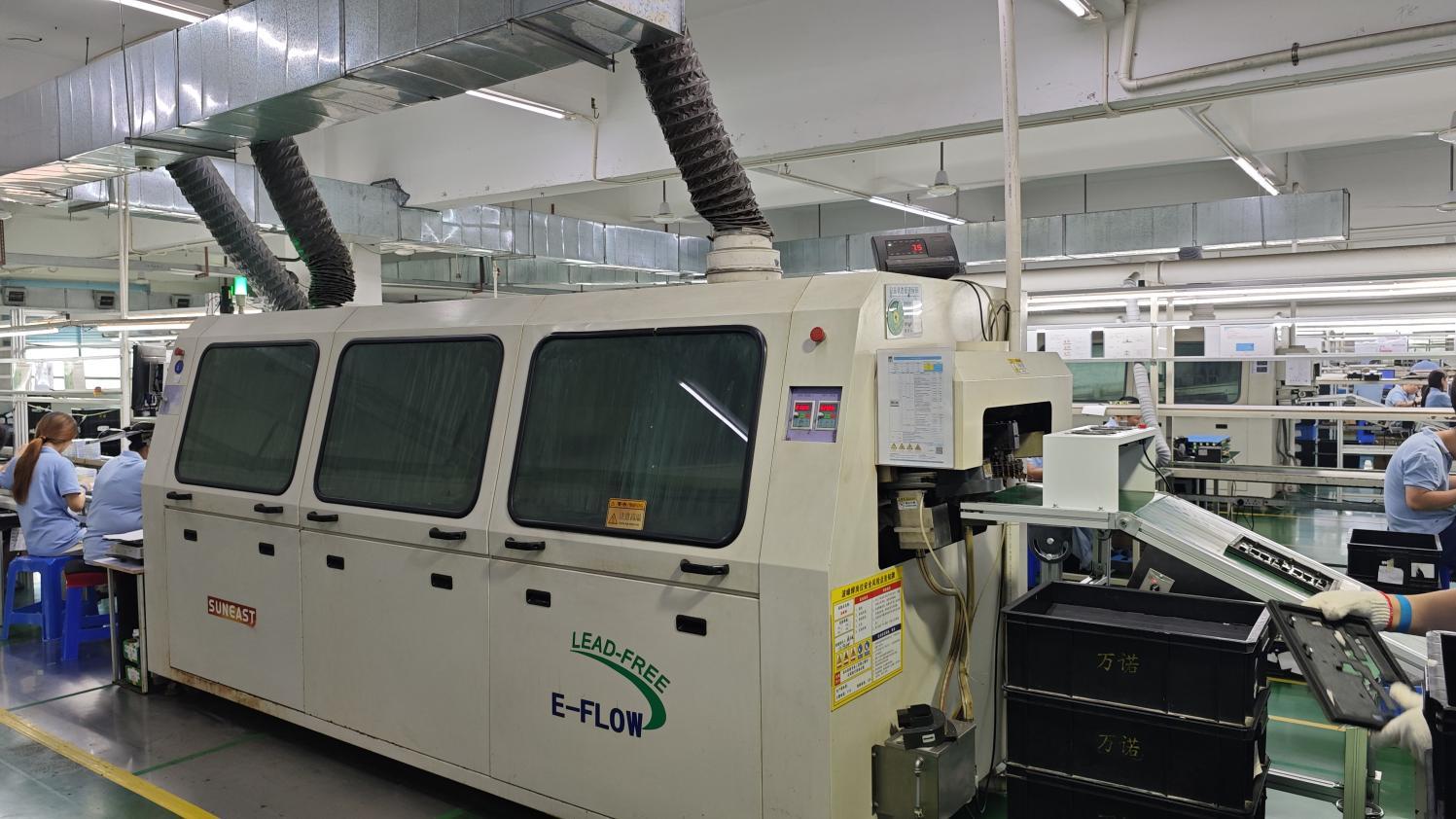
Dual automated surface-mount lines, reflow furnaces, wave soldering ovens, and AOI inspection guarantee zero soldering voids on complex 100W GaN boards.
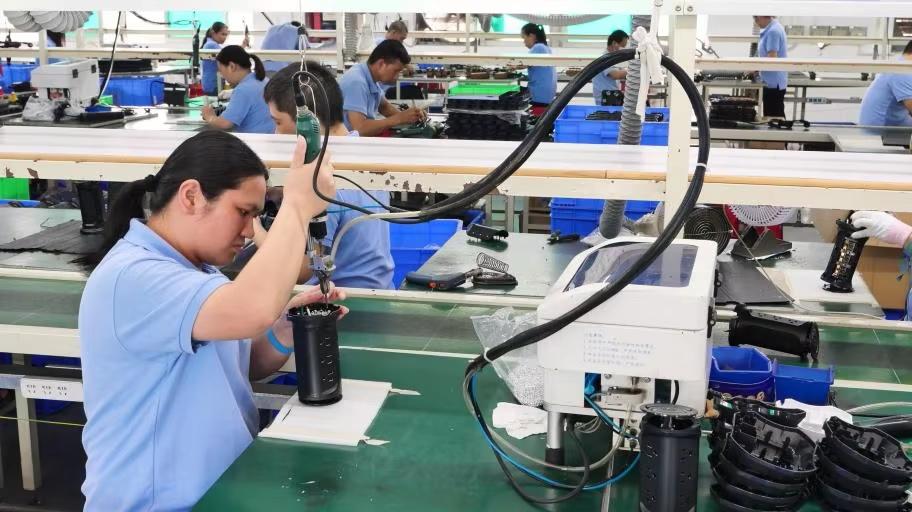
Semi-automated and automated assembly stations, laser marking machines, spot welding, wire processing, and automatic carton sealing equipment maximize consistency.
Verified on-site by TÜV Rheinland for production safety, engineering tooling capability, export qualifications, and clean working conditions.
Contact Us for Factory Audit Report
High-Speed SMT Placement
Surface Mount Assembly Line
Nitrogen Reflow Furnace
Wave Soldering Machine
Housing Injection Molding
Mold Making CNC Center
Precision EDM Tooling
Final Assembly Lines
Automated Optical Inspection (AOI)
Smart Aging Test System
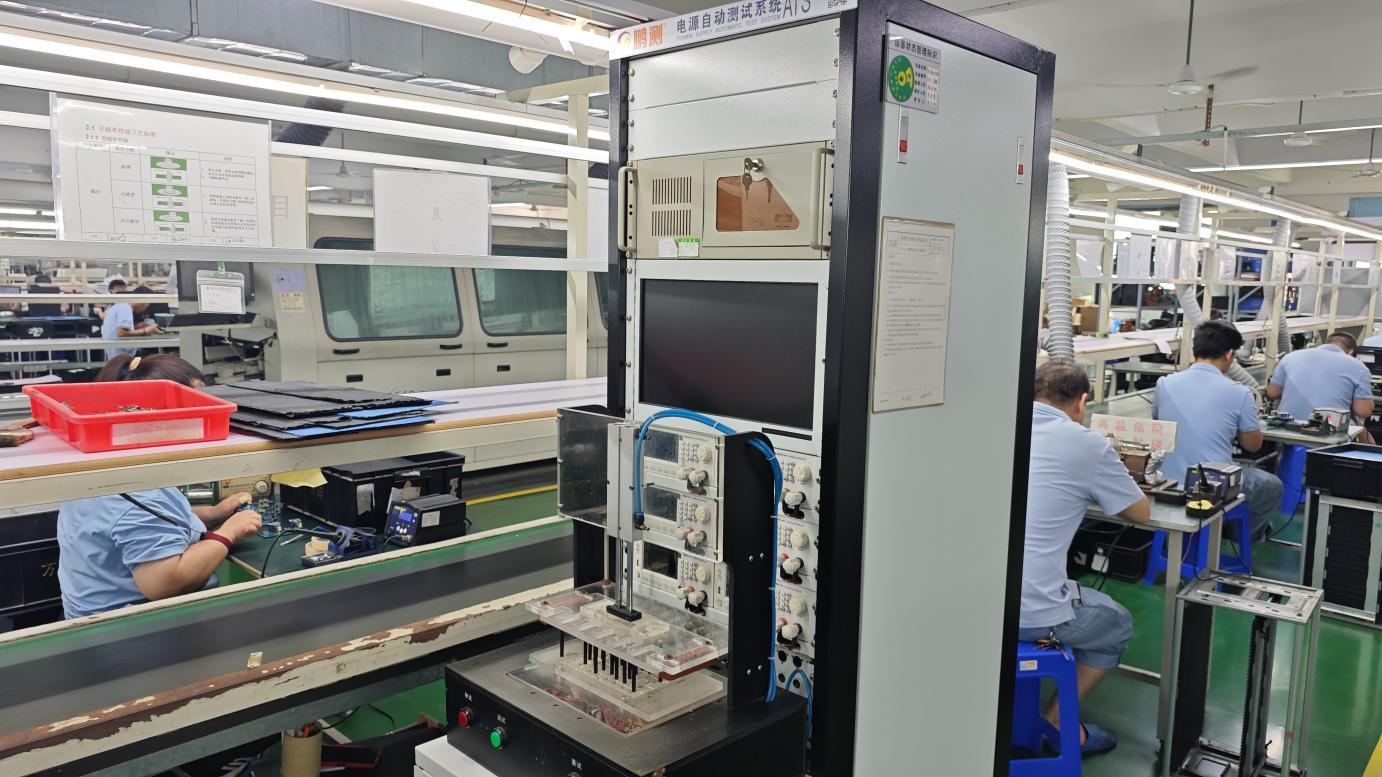
Power Supply Auto-Test System
Glow-Wire 750°C/850°C Tester
UL94 V-0 Flame Retardancy Lab
Withstand Voltage Hi-Pot Station
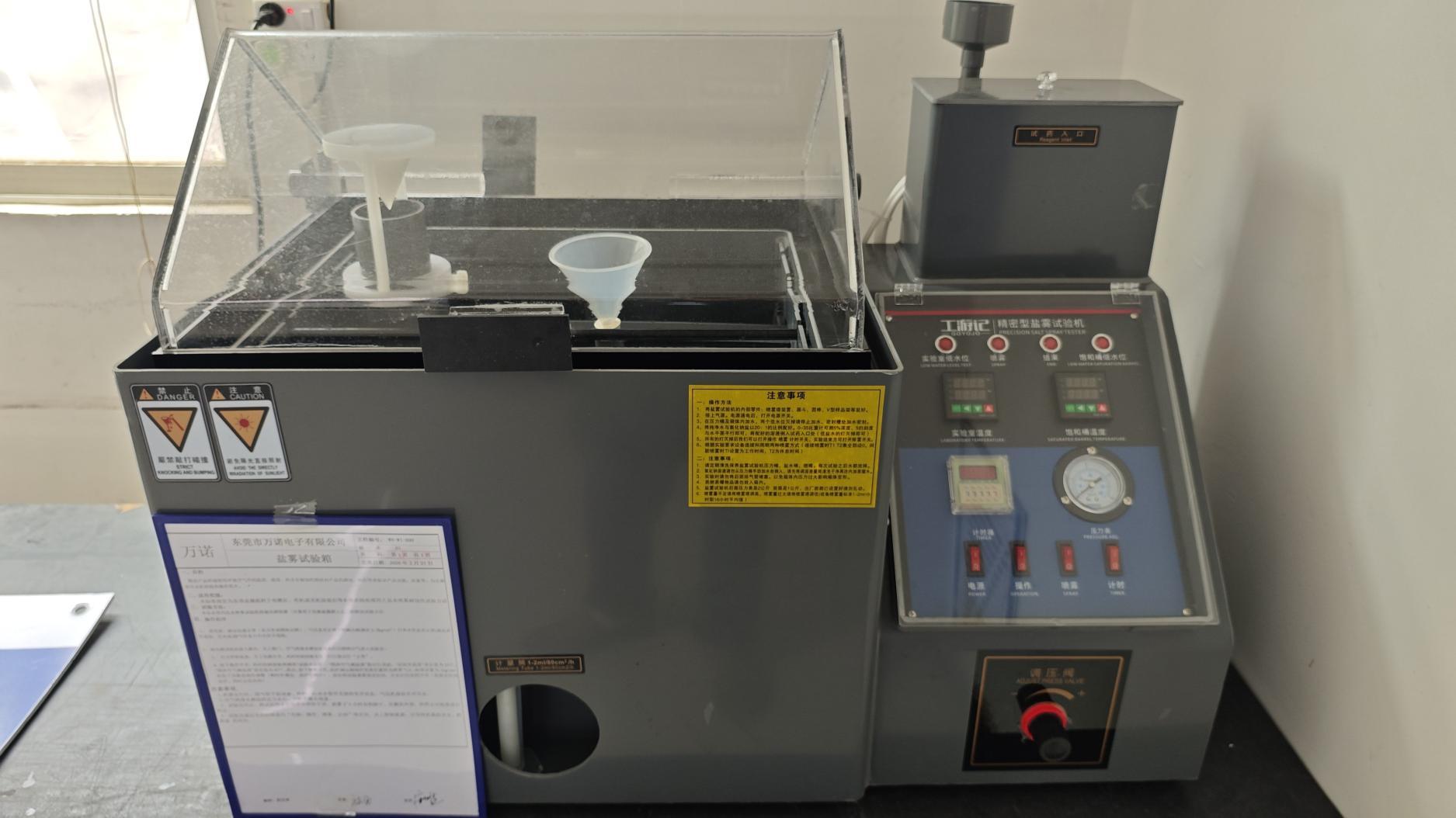
Salt Spray Corrosion Chamber
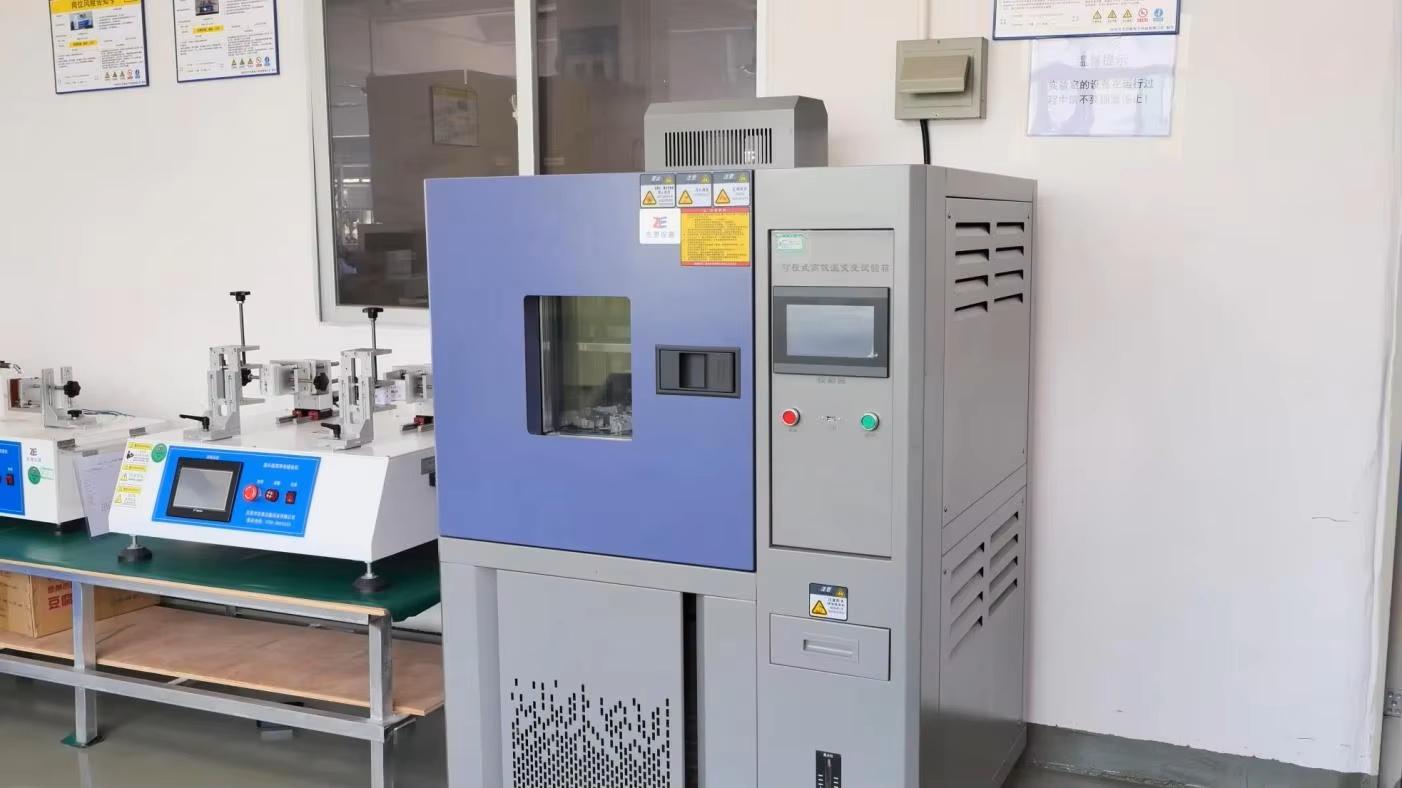
Thermal Shock & Climate ChamberPartner directly with Shenzhen Laxvi Technology Co., Ltd. to secure tier-one GaN fast charging sockets, robust compliance certification, competitive volume pricing, and dependable lead times. Our bilingual engineering team is available 24 hours on business days to evaluate your specifications.