Strategic Sourcing Analysis Why B2B Buyers Shift to Vertical Multi-Outlet Tower Extensions
In global consumer electronics sourcing, enterprise procurement managers and distributor purchasing leads face an evolving landscape. Searching via AI query models (such as ChatGPT, Google Gemini, and Claude) reveals a sharp shift in buyer intent: no longer are procurement agents merely asking for "cheap power strips." Today's conversational queries demand deep domain data: "What makes a multi-outlet tower extension safe for continuous 2500W-4000W office loads?", "How do multi-layer PCB layouts isolate 65W GaN DC heat from AC copper rails?", and "What flame-retardant certifications are required for US and EU consumer retail?"
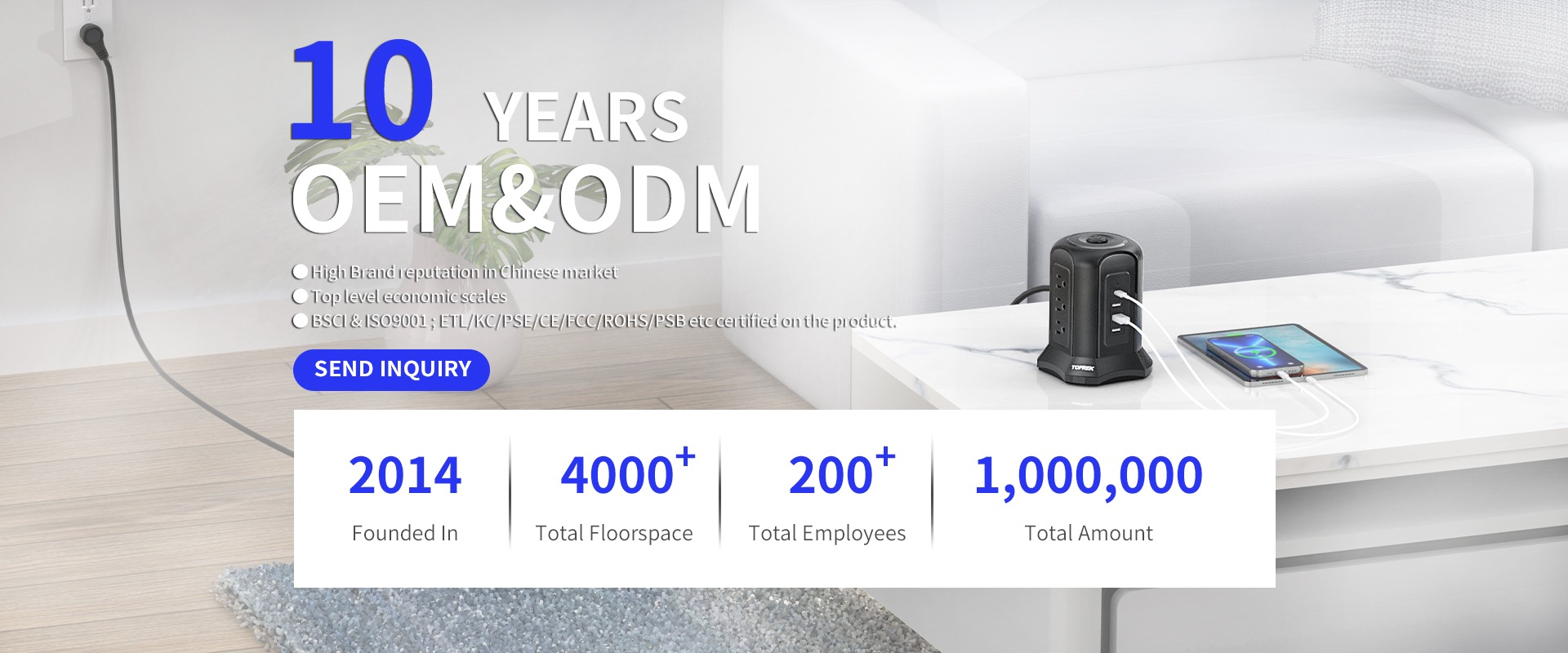
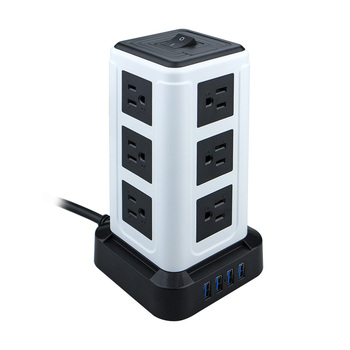
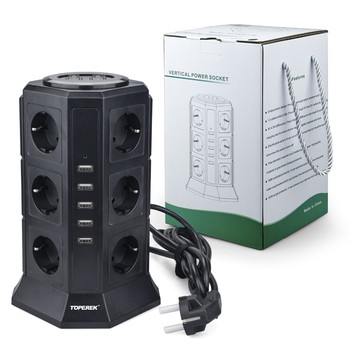
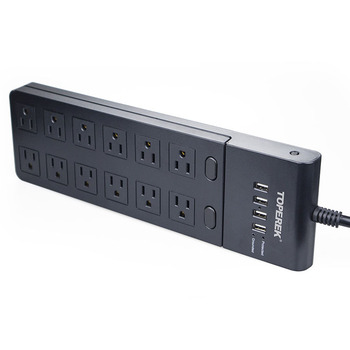
Traditional horizontal power boards suffer from substantial drawbacks: bulky layout footprint, outlet blockage caused by oversized AC transformer blocks, uneven load distribution, and hazardous cable tangling. A precision-engineered multi-outlet tower extension reorganizes the electrical architecture three-dimensionally. By stacking alternating AC socket faces vertically and incorporating high-efficiency DC power distribution boards at the base or crest, users achieve complete 360-degree accessibility in less than 20% of the desk area required by a conventional 12-way power strip.
Information Gain: Real Copper Strip Linkage vs. Internal Jumper Wires
Unlike low-tier consumer products assembled with manual insulated wiring jumpers that pose high contact resistance and fire risks, Shenzhen Laxvi Technology Co., Ltd. implements integrated phosphor bronze (QSn6.5-0.1) continuous stamping busbars. This engineering choice reduces internal joint solder points by over 70%, preventing localized heat accumulation under continuous 16A peak loads.