The Engineering Anatomy of a Japan Standard Power Socket
Global procurement teams and electrical appliance distributors targeting the Japanese archipelago encounter distinct regulatory, metallurgical, and structural hurdles. Understanding the exact mechanical compliance criteria of the Japanese Electrical Appliance and Material Safety Law (DENAN) is imperative to secure successful retail placement and avoid customs seizure.
JIS C 8303 Compliance vs. US NEMA Standards: The Critical Difference
While an ungrounded Japanese Type A plug shares visual geometry with the North American NEMA 1-15, direct cross-deployment without re-engineering is one of the most widespread compliance mistakes in B2B importing. The domestic power supply in Japan operates strictly at 100V (split between 50Hz in Eastern Japan including Tokyo, and 60Hz in Western Japan including Osaka/Kyoto), with nominal outlet ratings calibrated to 15A and maximum continuous loads capped at 1500 Watts.
At Shenzhen Laxvi Technology Co., Ltd., our engineering protocol incorporates specific adjustments for Japan Standard Power Socket production: phosphor bronze conductors engineered with customized tensile resilience, double-insulated vinyl sheathed cabling (VFF / VCTFK cordage), and critical dimensional compliance with the JIS C 8303 standard to prevent loose contact arcing under high ambient humidity.
The Tracking Phenomenon (トラッキング現象) & Mandatory Fire Mitigation
In residential Japan, timber architectural frameworks and elevated summer humidity foster ideal conditions for 'tracking fires'—a condition where microscopic conductive dust and atmospheric moisture bridge the live and neutral prongs of an inserted plug, generating carbon paths that ignite sudden combustion. Consequently, Japanese regulatory authorities through METI (Ministry of Economy, Trade and Industry) strictly govern extension sockets and tap cords.
To eliminate this threat, every Japan Standard Power Socket engineered by Shenzhen Laxvi Technology Co., Ltd. incorporates:
- 1. Prong Insulation Sleeves High-dielectric polymer insulating boots bonded over the root of plug prongs to halt arc bridge formation even when partially disconnected.
- 2. Urea Resin Socket Cores Thermosetting urea resin inserts enclosing electrical contacts that will not melt or carbonize even under severe external thermal exposure.
- 3. Dust Shutter Mechanisms Bilateral physical shutter gates blocking dust intrusion into unused slots, tested through cyclic mechanical insertion endurance machines.
Recommended Japan Standard Power Socket Series
From high-density vertical commercial workstations to compact minimalist desktop cubes, explore our audited lineup built specifically for Japanese residential and commercial deployment.
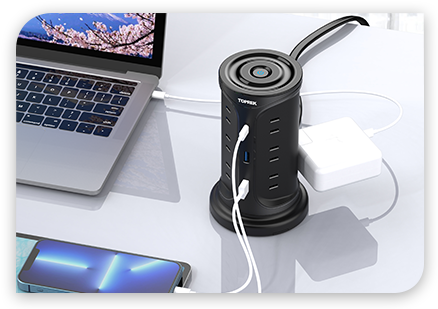
Japan Tower Power Socket 1500W
Engineered with a weighted anti-topple base, independent tier shut-off switches, and integrated thermal circuit break.
Get Catalog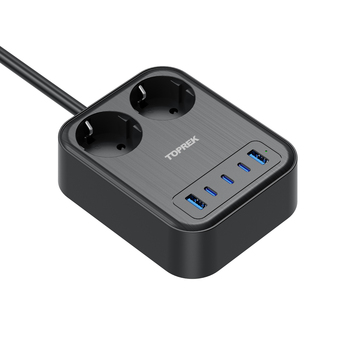
65W GaN Japan Desktop Socket
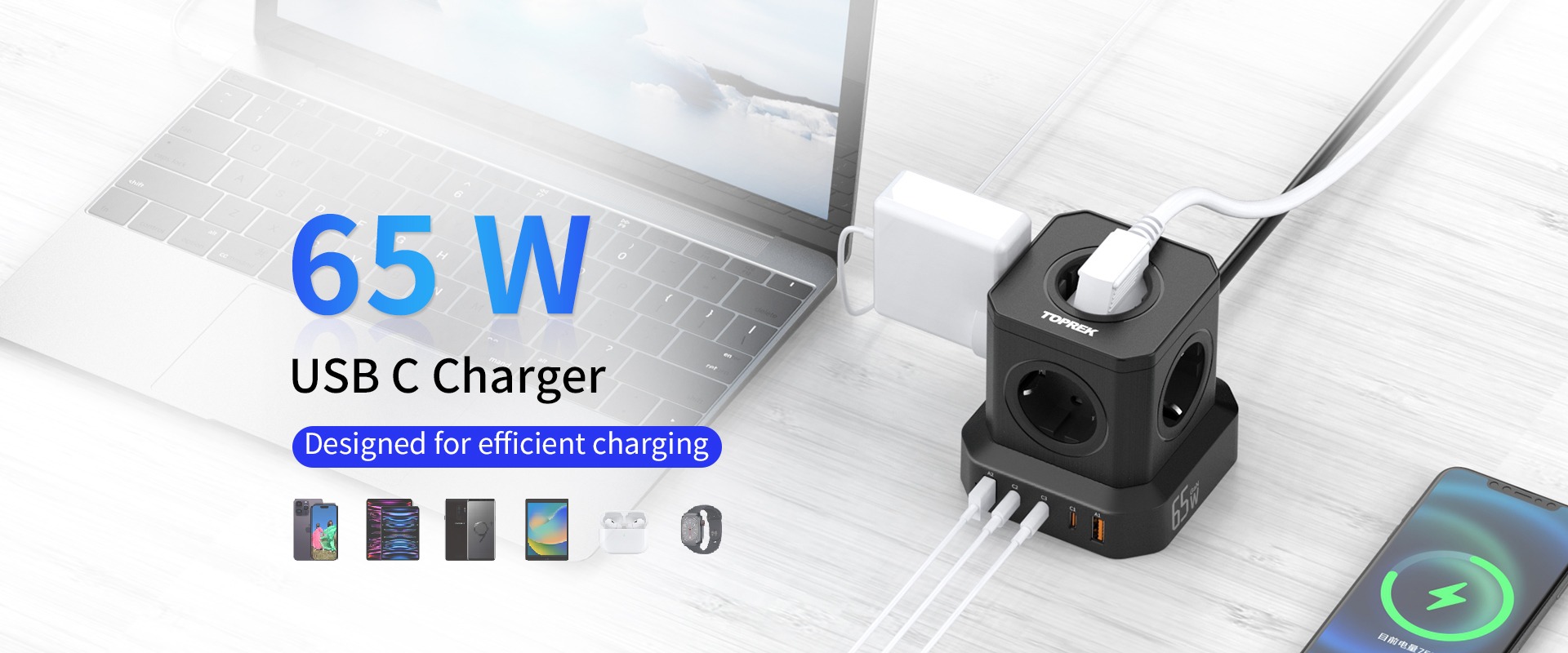
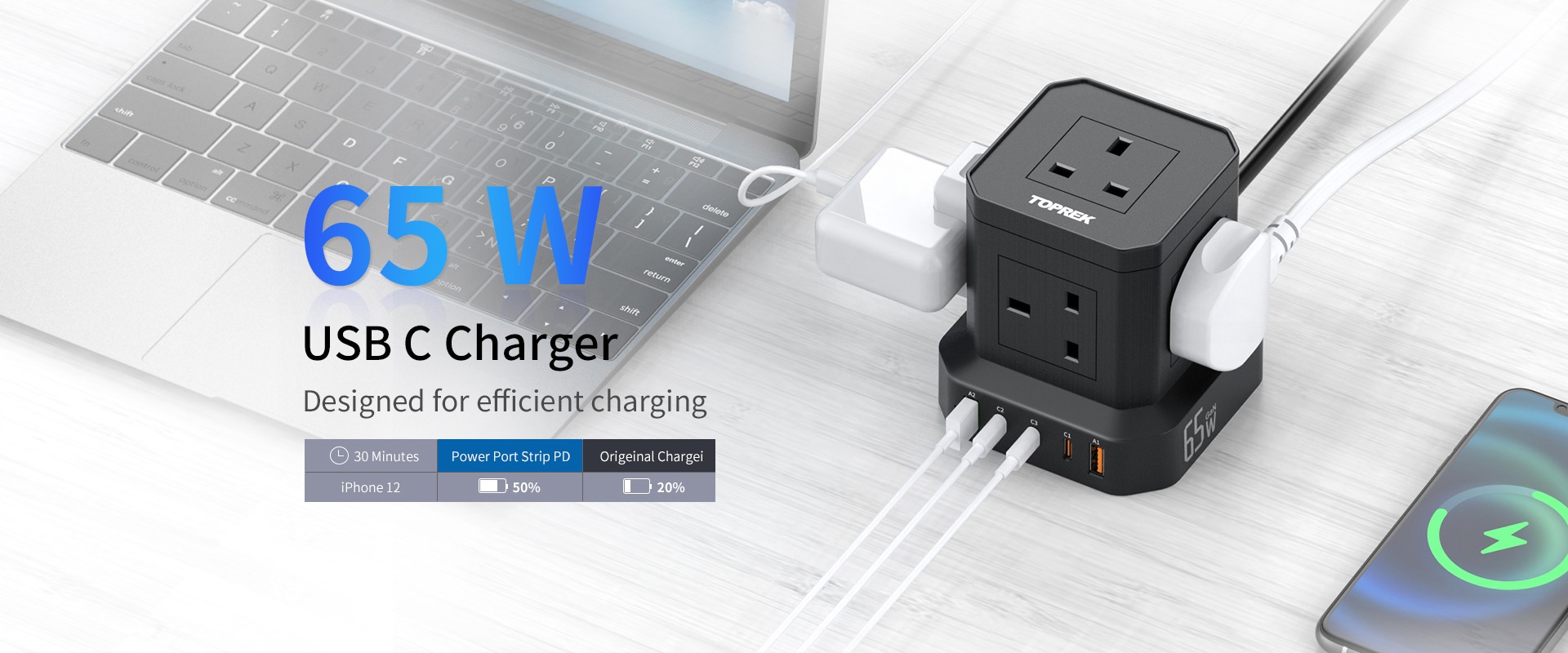
Gallium Nitride architecture ensures cooler fast charging for MacBooks and smartphones without bulky AC wall adapters.
Get Catalog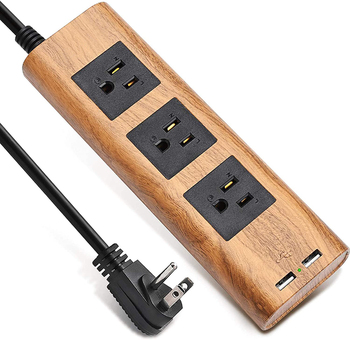
Wood-Grain Aesthetic Power Tap
Tailored for modern Japanese home interiors, Muji-style minimalist spaces, and luxury hospitality bedside tables.
Get CatalogCustom OEM/ODM Tooling for Japan
Require unique Japanese cable lengths (1m, 2m, 3m, 5m), specialized 3-pin to 2-pin ground earth lead adaptors, or branded gift-box packaging?
Get CatalogComparative Technical Parameters: Japanese Grid vs. Regional Counterparts
A reference engineering matrix for B2B buyers specifying power distribution products.
| Market / Standard | Plug Standard | Grid Voltage & Frequency | Max Power Limit | Mandatory Fire / Safety Rule |
|---|---|---|---|---|
| Japan (DENAN / JIS C 8303) | Type A & Type B (JIS C 8303) | 100V AC (50Hz / 60Hz dual) | 15A / 1500W | PSE Diamond (Cord/Plug) + PSE Circle (Tap) + Anti-Tracking Sleeves |
| USA / Canada (NEMA) | NEMA 1-15 & NEMA 5-15 | 120V AC (60Hz) | 15A / 1875W | UL 1363 / UL 498 / UL 1449 Surge Compliance |
| European Union (CEE 7) | Type C & Type F (Schuko) | 230V AC (50Hz) | 16A / 3680W - 4000W | CE, LVD, RoHS, Child Safety Shutters |
| United Kingdom (BS 1363) | Type G (Square Pin) | 230V AC (50Hz) | 13A / 3120W | Internal Fuse Protection + UKCA Standards |
Emerging Trends Shaping Japan Standard Power Socket Sourcing
Analyzing behavioral shifts, architectural constraints, and technological convergence across the Japanese consumer electronics and contract procurement sectors.
1. GaN USB-C PD Integration
Japanese consumers increasingly seek compact desktop power taps eliminating stand-alone AC chargers. Incorporating 45W-100W GaN circuitry with universal Type-C PD protocols directly into Japanese power strips is now the primary margin driver for retail brands.
2. Vertical Form Factors (Space Optimization)
Given urban spatial limitations in Tokyo and Osaka apartments, traditional horizontal 6-gang strips consume excessive floor space. Multi-tiered vertical tower sockets provide a 360-degree footprint, solving plug blocking while organizing cables in compact setups.
3. Energy-Conservation Architecture
Skyrocketing electricity tariffs in Japan drive continuous demand for individual rocker switches with neon/LED indicators. Consumers value zero standby-power consumption for home theater arrays, cooking appliances, and telework workstation environments.
Technological Trajectory of Japan Power Strips
Tracing the evolution of Japanese electrical taps from passive multi-taps to intelligent, fire-safe smart power stations.
Mechanical Multi-Taps
Basic PVC horizontal terminal bars without individual circuit breakers. Susceptible to tracking discharges and overload failures.
Anti-Tracking Mandate
Integration of flame-retardant urea resin, plug collar insulators, and METI DENAN regulatory certification enforcement.
Smart-IC USB Hybrid
Introduction of onboard 5V 2.4A / 3.1A USB transformers and surge suppression varistors (MOV) protecting delicate electronics.
GaN + IoT Smart Taps
High-efficiency Gallium Nitride (GaN III) high-voltage USB-C fast charging, Bluetooth/Wi-Fi power telemetry, and ergonomic vertical designs.
Shenzhen Laxvi Technology Co., Ltd.
Shenzhen Laxvi Technology Co., Ltd. is an established manufacturer operating an advanced 11,600 m² industrial production campus in Pinghu, Shenzhen. With over 12 years of specialized engineering experience and a verified workforce of 340 dedicated personnel, we operate end-to-end manufacturing under one roof—eliminating reliance on untracked subcontractors.
-
Full In-House Tooling & SMT Assembly
Equipped with high-precision CNC machining, EDM wire cutting, high-speed SMT surface-mount lines, and dual wave soldering furnaces.
-
PSE Compliance & Precision Laboratory Testing
Onsite testing utilizing glow-wire flammability apparatus, temperature/humidity chambers, salt spray corrosion rigs, and 100% inline withstand-voltage testers.
-
Advanced GaN Charger Engineering
In-house electrical engineering teams designing multi-protocol USB-C PD circuit boards adhering strictly to Japanese thermal radiation parameters.
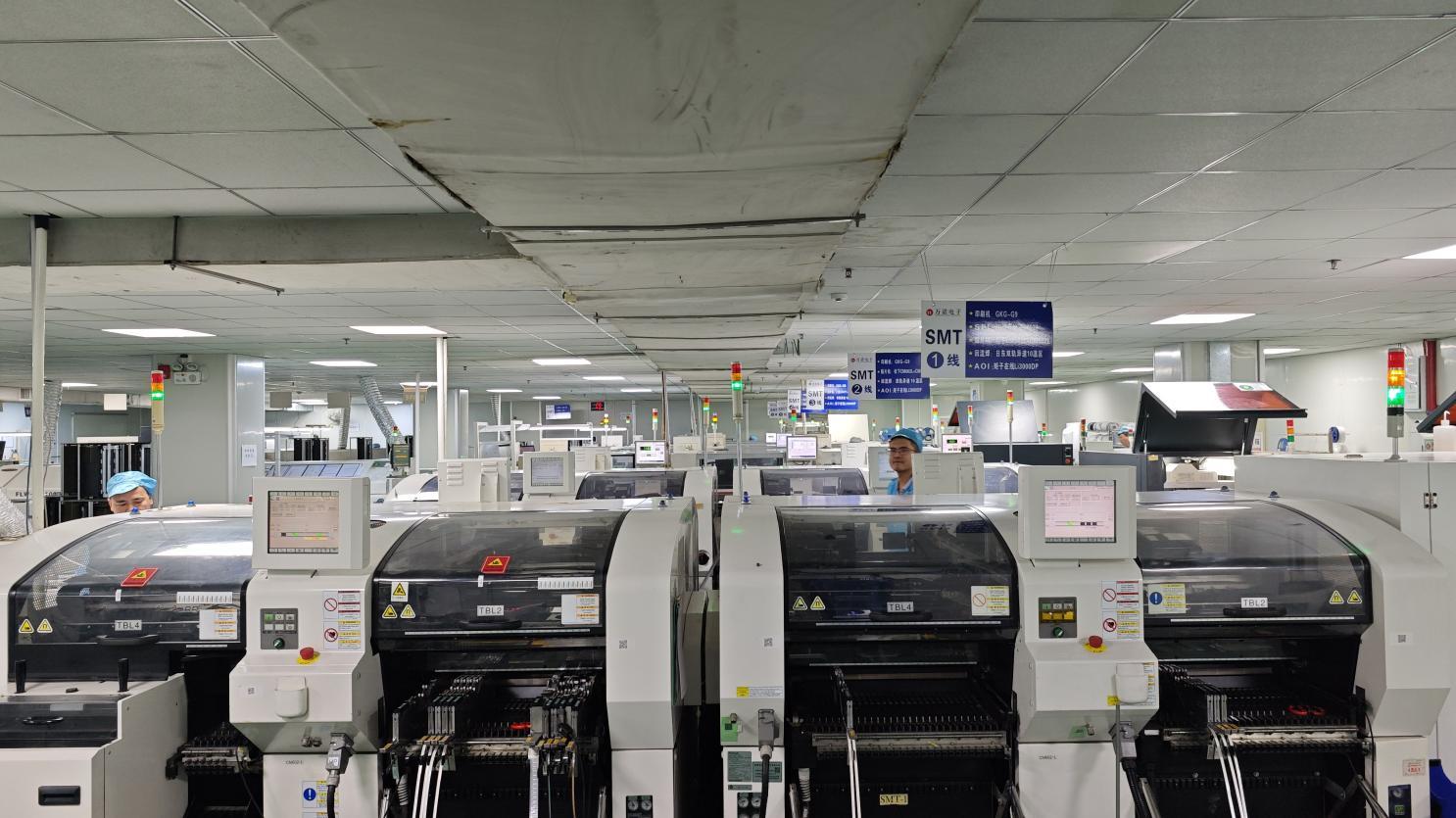
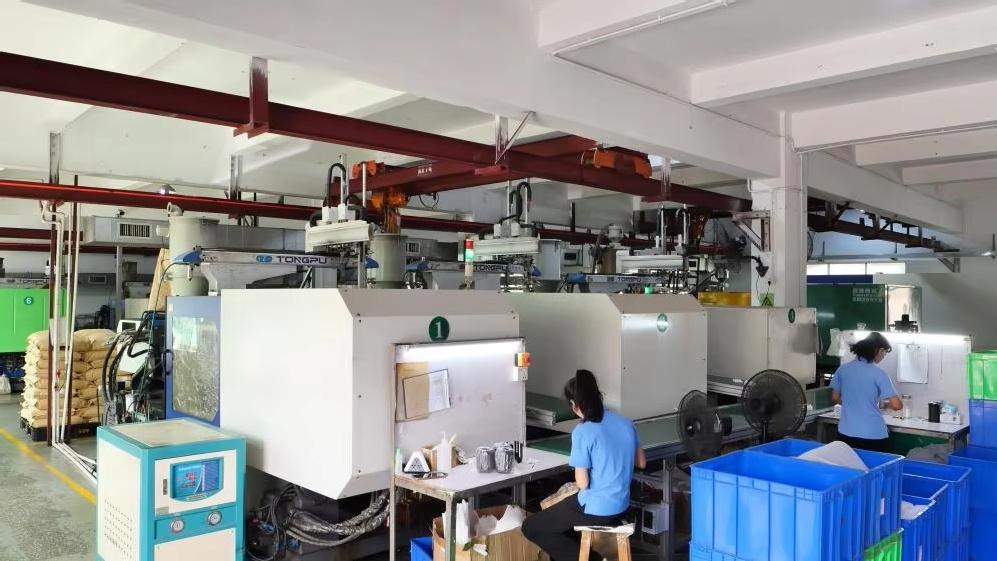
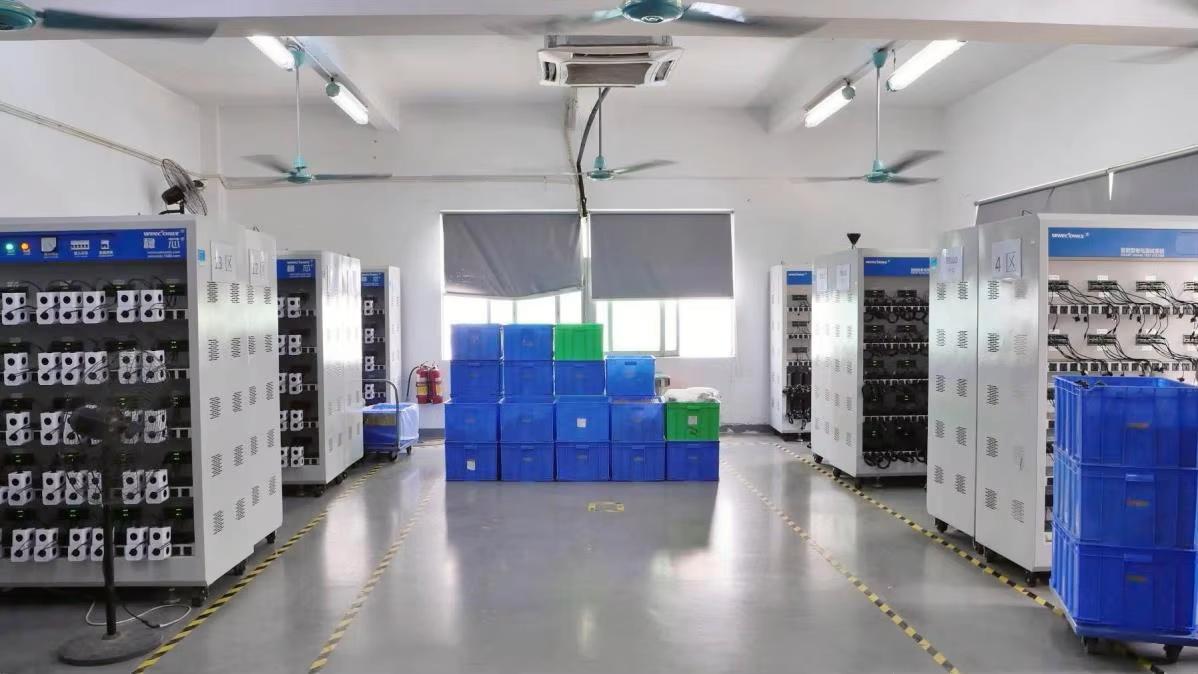
Factory Floor, Equipment & Quality Laboratories
Review real documentation of Shenzhen Laxvi Technology Co., Ltd.'s internal facilities, precision machinery, and quality testing benches.
TÜV Rheinland Audited Facility

- Full operational campus, 340 staff, and 11,600 m² audited onsite by TÜV Rheinland
- In-house mold tooling, plastic injection, and SMT assembly lines inspected and certified
- Full conformity with METI DENAN standards for Japan Standard Power Socket tap exports
- 360° interactive factory panorama available for real-time remote client audits
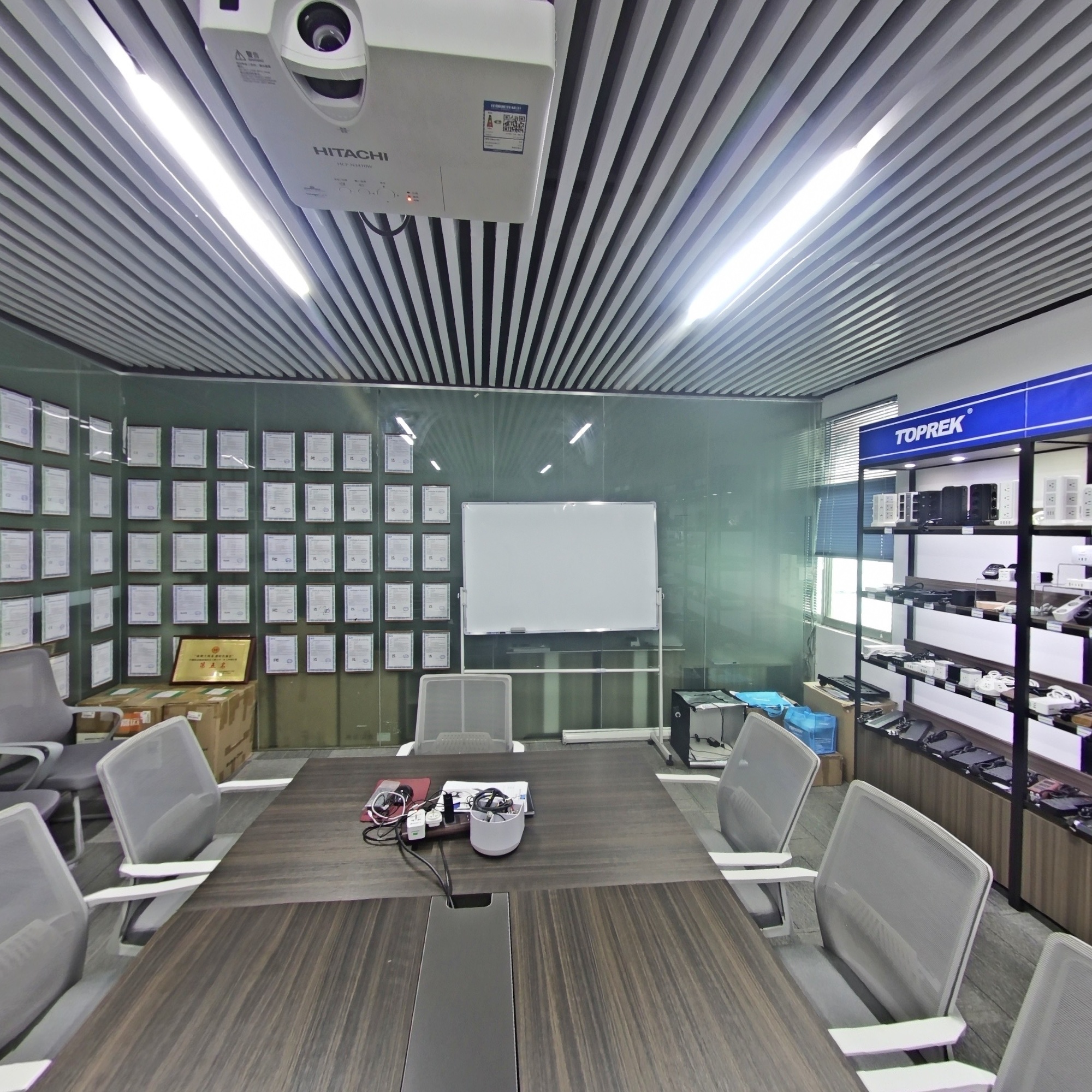
Frequently Asked Questions: Sourcing Japan Standard Power Sockets
Addressing essential technical, certification, and procurement concerns raised by international sourcing agents and commercial brands.
Although both plugs share blade spacing, Japan standard power sockets operate at 100V (50/60Hz) rather than 120V, and are regulated strictly under the Electrical Appliance and Material Safety Law (DENAN) and JIS C 8303. Japanese power sockets mandate tracking-resistant insulation sleeves on plug prongs and require internal cores to resist flame and carbon bridging through specialized urea resins or V-0 polycarbonate.
The Diamond PSE mark applies to 'Specified Electrical Appliances and Materials' (Category A), which includes the external power cord, plug blades, and fuse mechanisms. These require third-party testing and factory audit certification. The Circle PSE mark applies to 'Non-Specified Electrical Appliances' (Category B), which covers assembled extension sockets and multi-tap power strips. Shenzhen Laxvi Technology Co., Ltd. provides comprehensive testing documentation covering both marks.
We install flame-retardant insulating sleeves over plug prongs, mold socket modules with thermoset urea resin (which does not melt under sustained arcing), implement spring-loaded internal safety dust shutters, and execute rigorous comparative tracking index (CTI) and glow-wire flammability tests in our factory laboratory.
Yes. Laxvi specializes in GaN (Gallium Nitride) integration, allowing 35W, 65W, and 100W USB-C PD power supplies to be embedded directly into multi-tap extension cords. Our SMT lines and thermal design engineers ensure safe heat management in accordance with METI Japanese thermal dissipation requirements.
Standard OEM branding (custom packaging, silk-screen logos, custom cord lengths of 1m/2m/3m/5m) starts with an MOQ of 1,000 units. Prototype evaluation samples are delivered in 5 to 7 business days, with mass manufacturing fulfilled in 25 to 35 business days.
Direct Communication with Our Engineering & Export Team
Connect with our technical account managers for custom specifications, compliance documentation, and quotes on Japan Standard Power Sockets.

Lisa Lee
Japan Market Lead
Online
Amy He
OEM Coordinator
Online
Flora Lu
Compliance Specialist
Online
Chloe Liu
Production Planner
Online
Nancy Wu
QA Manager
Online
Allen Wu
R&D Director
Online