Why Global Sourcing Teams Are Prioritizing Vertical Power Strip Architecture
In competitive retail distribution, commercial office interior fit-outs, and hospitality electrical retrofits, traditional horizontal power strips present persistent physical limitations: blocky AC adapter plugs collide with adjacent sockets, excessive linear desk or floor space is occupied, and tangled cables create fire safety hazards. A vertical power strip—frequently searched by industrial buyers as a tower power socket or multi-tier power tower—solves these physical pain points through a 360-degree radial engineering structure.
By arranging AC outlets across three or four vertical faces elevated above the work surface, individual bulky transformer plugs never block neighboring receptacles. More importantly from an electrical engineering perspective, vertical orientation leverages natural chimney-effect air convection. Internal copper conductor bars generate resistive thermal loads under maximum current (e.g., 10A to 16A continuous loads). In a horizontally enclosed casing resting flat on carpet or timber, heat accumulates within trapped micro-cavities. Conversely, an engineered vertical power strip casing promotes natural updraft cooling across the internal phosphor bronze busbars and auxiliary switch assemblies, substantially extending dielectric insulation lifespan and reducing localized degradation.
Vertically Integrated Production at Shenzhen Laxvi Technology Co., Ltd.
Shenzhen Laxvi Technology Co., Ltd. operates an 11,600 m² state-of-the-art manufacturing campus in Pinghu, Shenzhen, staffed by 340 experienced technicians, toolmakers, and electrical engineers. To assure global brand clients that every production lot complies with international commercial tap safety directives, our manufacturing pipeline is completely contained within our premises. Unlike assembly-only workshops that outsource core components to uncontrolled tier-3 jobbers, Shenzhen Laxvi Technology maintains end-to-end tooling, stamping, surface-mount technology (SMT), PCBA debugging, and reliability testing under one verified management system.
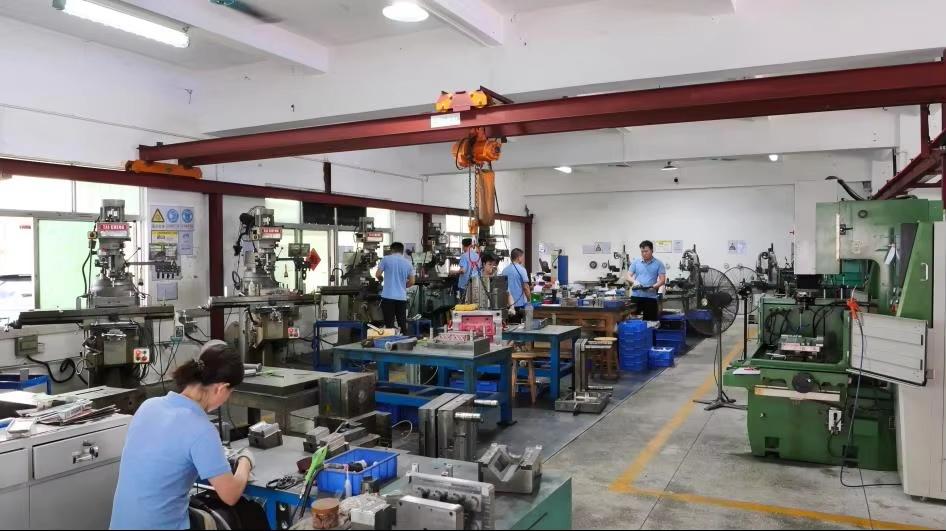
Precision Tooling & Mold Making
High-precision CNC, EDM wire-cutting, and grinding centers enable rapid OEM prototypes and high-cavity steel molds.
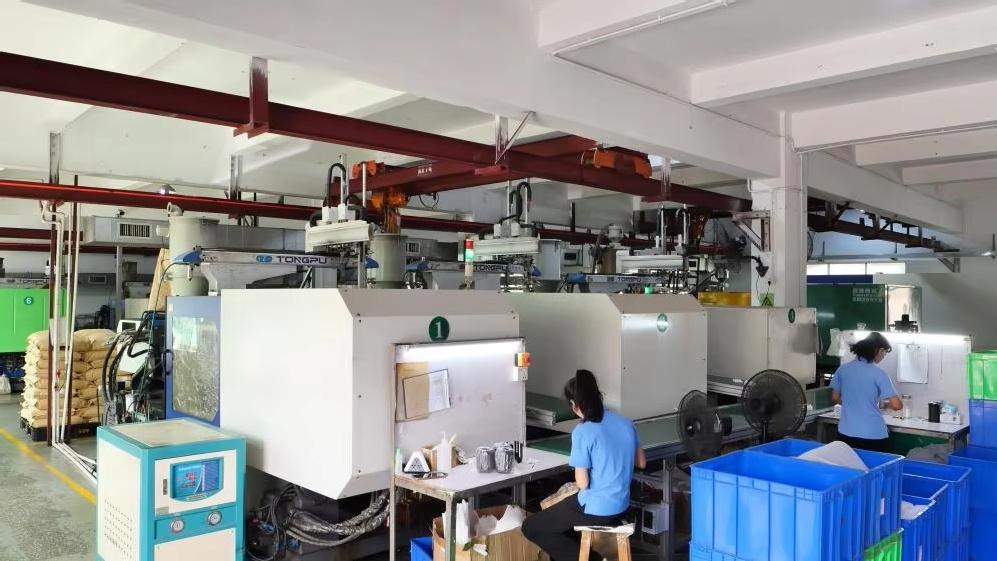
Fire-Resistant Injection Molding
Dedicated injection bays feeding UL94 V-0 flame-retardant virgin polycarbonate, eliminating structural regrind risks.
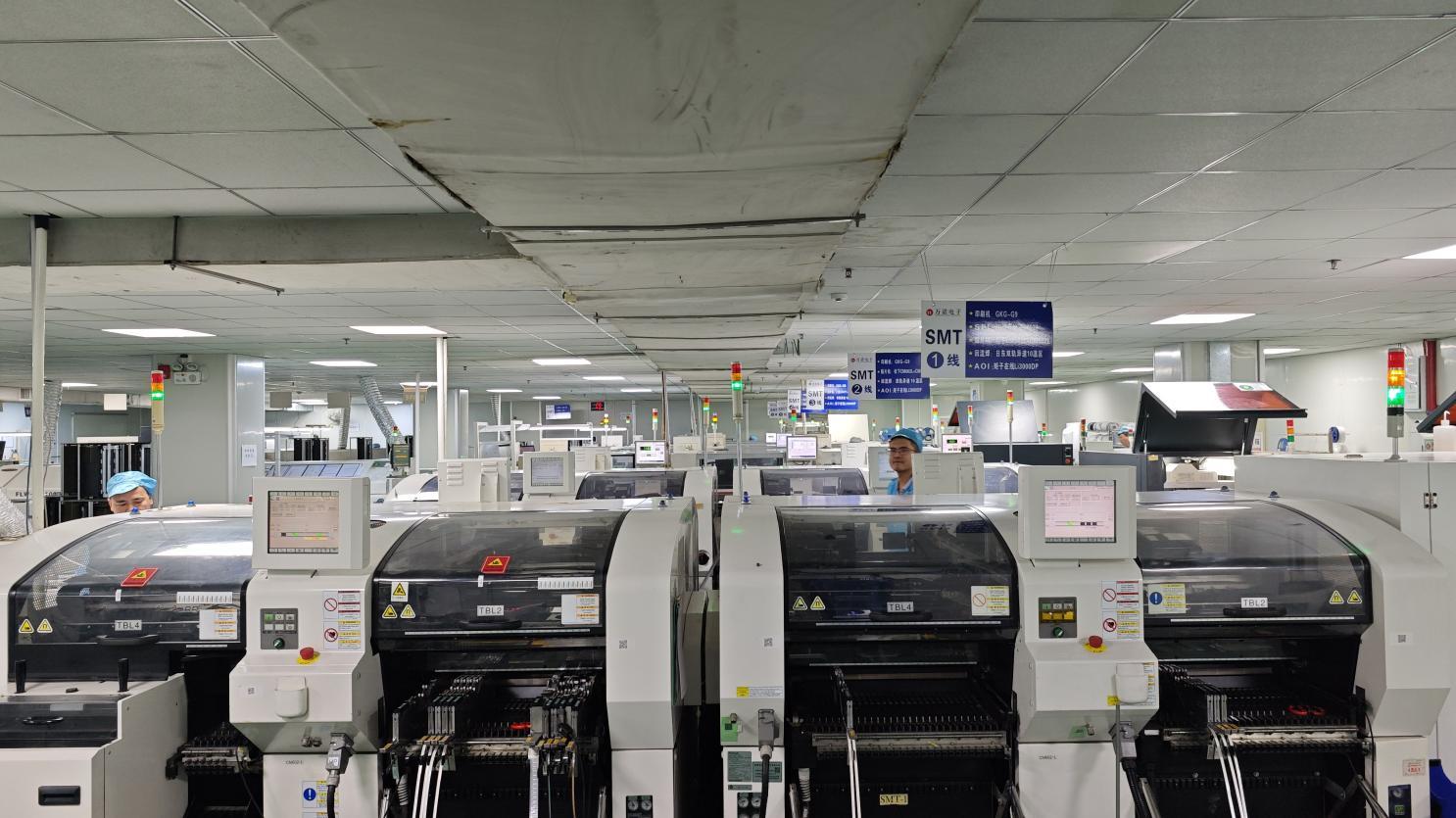
Automated SMT & Fast Reflow
High-speed Yamaha SMT lines and nitrogen-capable reflow furnaces assembling GaN and smart USB charge controllers.
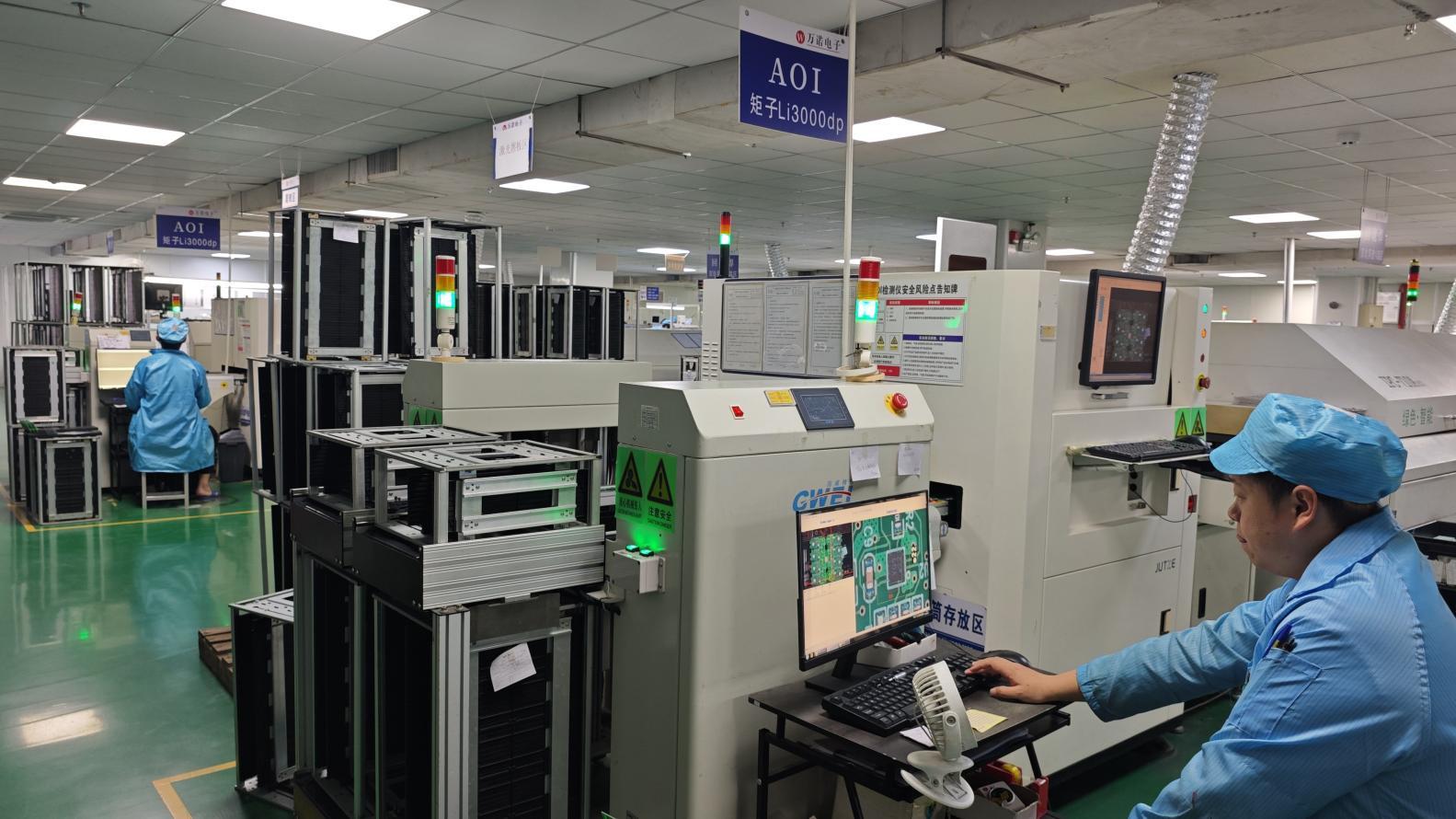
Automated Optical Inspection (AOI)
Pre-wave and post-reflow optical tests identify micro-bridging, dry solder, and component misalignment before casing closure.
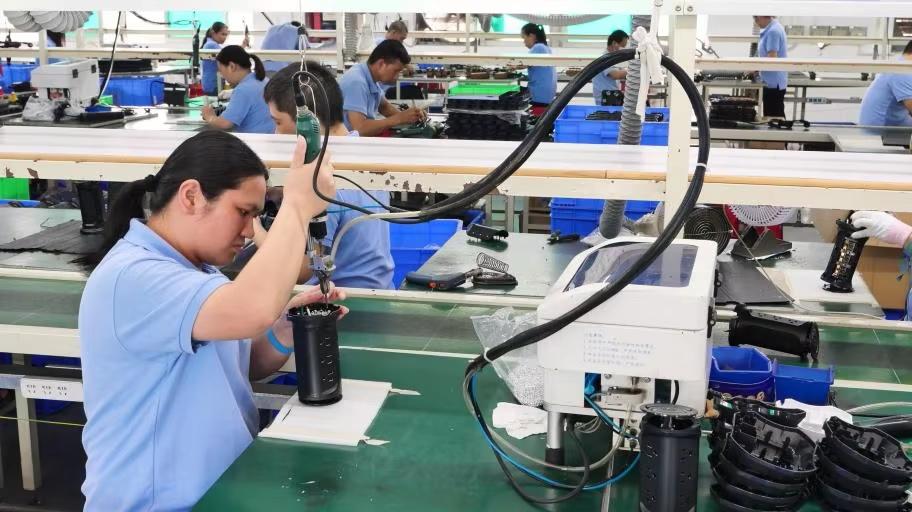
Modular Tower Assembly Lines
Synchronized assembly cells combining ultrasonic welding, terminal crimping, and integrated rotary master switches.
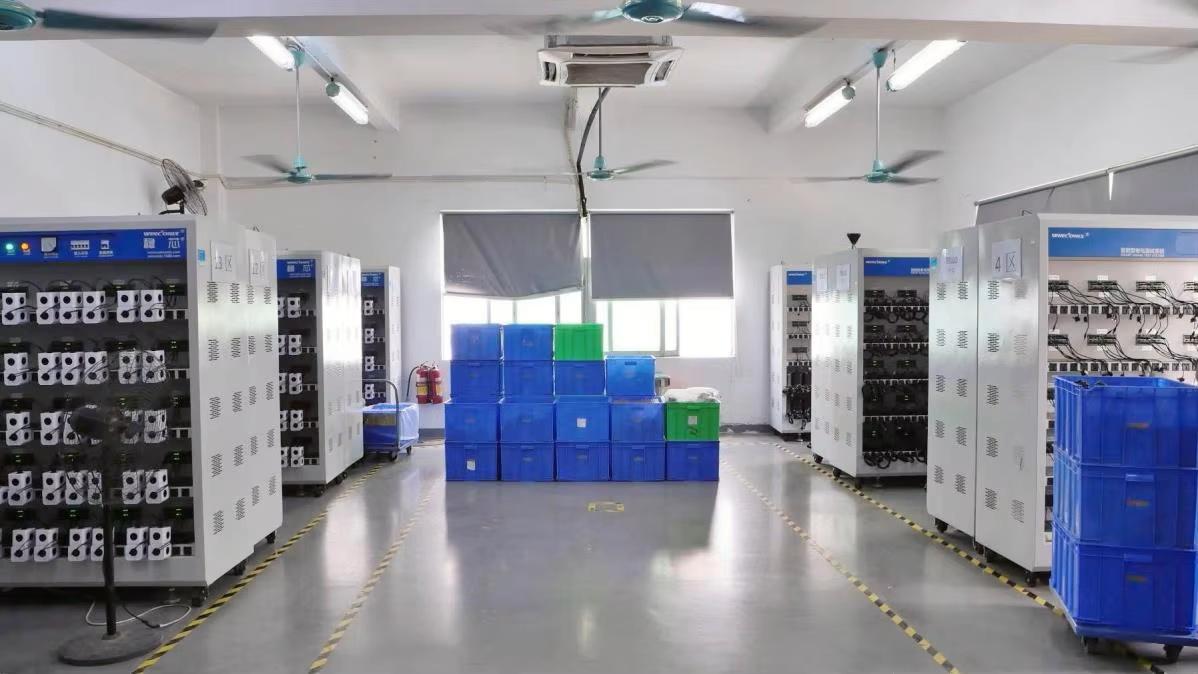
100% Full-Wattage Aging Tests
Every batch of vertical power strips undergoes continuous burn-in under dynamic electronic loads inside monitored cabinets.
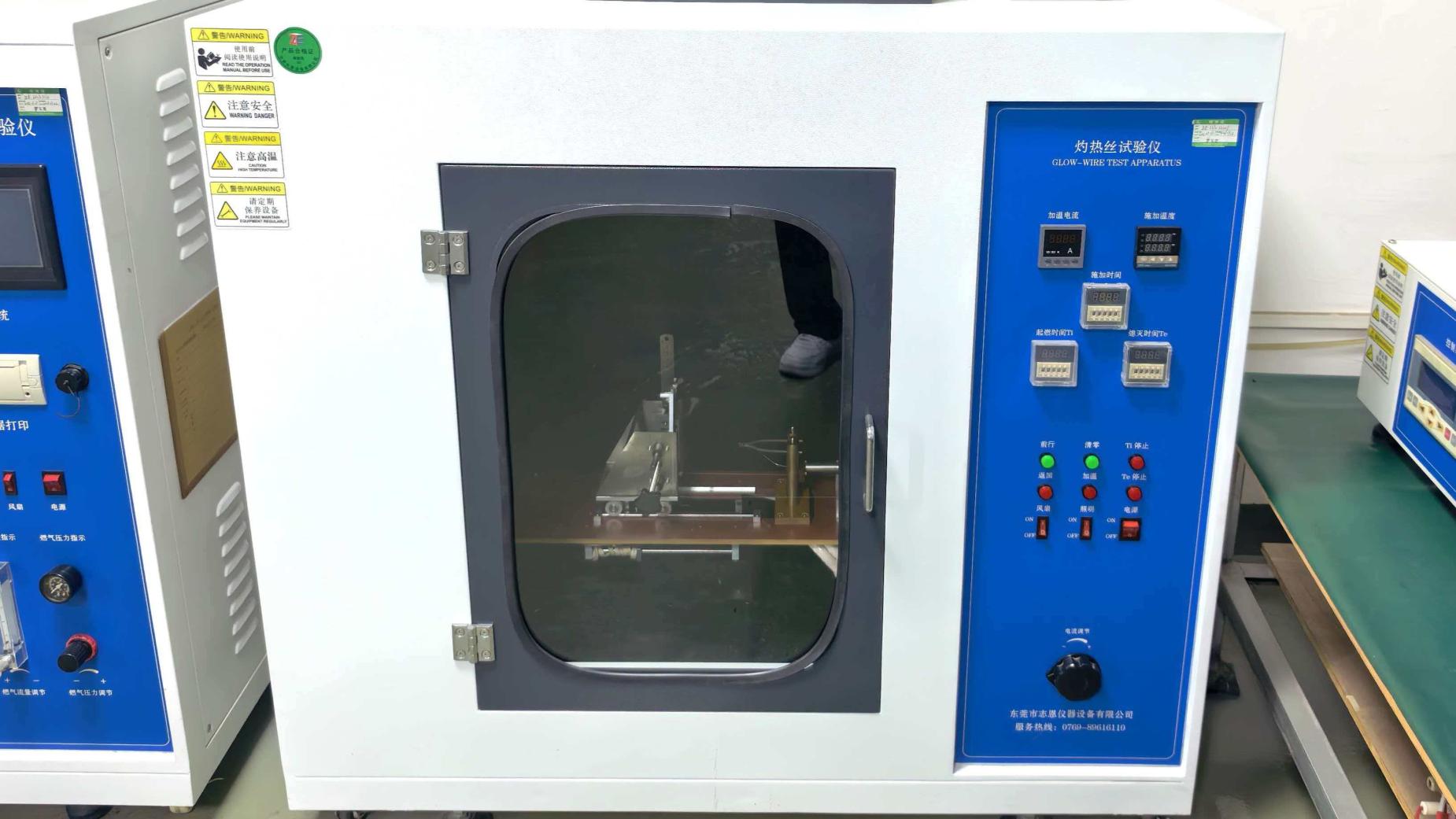
750°C Glow-Wire Safety Lab
In-house apparatus ensuring housing polymers endure intense localized resistance without propagating self-sustained flame.
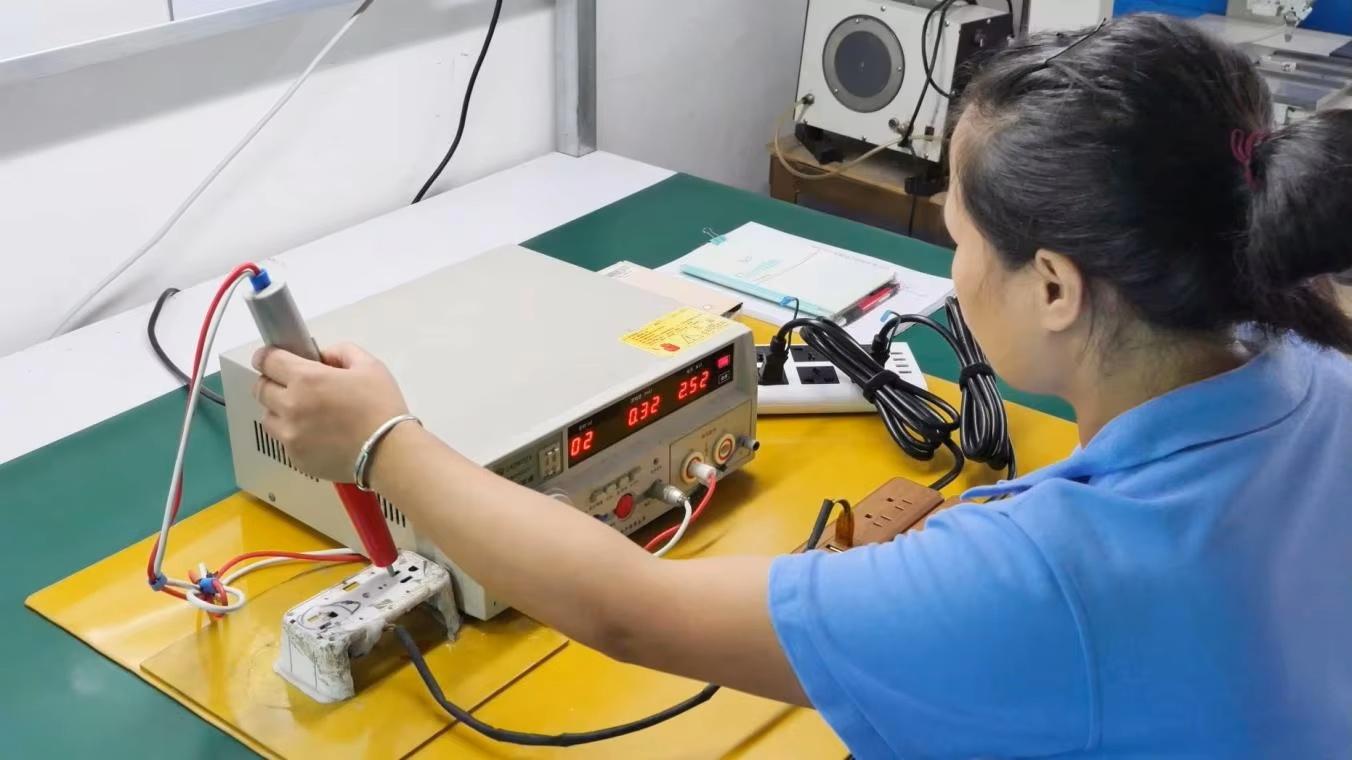
100% Inline Hi-Pot Testing
High-voltage dielectric testing (3,000V AC) guaranteeing complete separation between live lines and accessible earth or user chassis.
This closed-loop manufacturing ecosystem allows Shenzhen Laxvi Technology Co., Ltd. to uphold stringent incoming quality control (IQC), in-process quality control (IPQC), and acceptable quality limit (AQL) outgoing inspections. International procurement auditors from retail hypermarkets, hardware retail chains, and IT brand labels can review our comprehensive TÜV Rheinland assessment reports or conduct remote 360-degree video audits at any phase of commercial engagement.
Recommended Vertical Power Strip Series for B2B Distributors
Depending on your market focus—commercial ergonomics, residential smart homes, educational computer labs, or hospitality charging stations—Shenzhen Laxvi Technology Co., Ltd. provides configurable vertical architectures tailored to regional electrical standards:
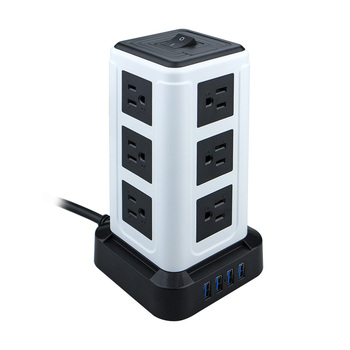
12-Outlet US Ergonomic Vertical Tower
Dual-tier four-sided vertical strip with dual independent mechanical switches, overload reset fuse, and smart USB cluster.
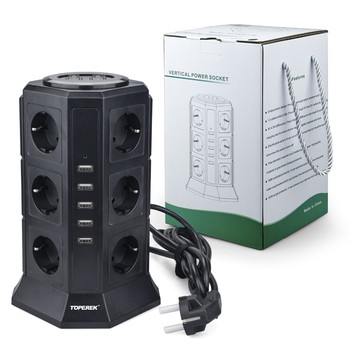
4000W 16A EU Multi-Layer Vertical Socket
Heavy-duty European Schuko (Type F) tower engineered for high-draw appliances, server desks, and office workstations.
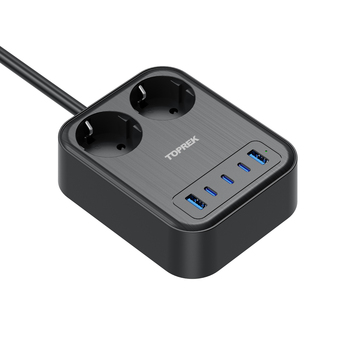
65W GaN Hybrid Vertical Power Hub
Integrates Gallium Nitride direct USB-C PD charging, powering laptops without wall chargers while supplying multi-directional AC.
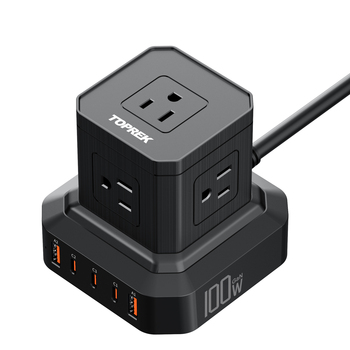
100W High-Wattage Desktop Vertical Station
Premium workspace hub engineered for dual-laptop simultaneous fast charging alongside high-density peripheral power.
Engineering Architecture Breakdown: Vertical vs. Conventional Horizontal Strips
Data compiled by Shenzhen Laxvi Technology R&D engineering lab across 1,000 thermal and spatial cycle runs.
| Key Design Metric | Shenzhen Laxvi Vertical Power Strip | Standard Conventional Horizontal Strip | Sourcing & End-User Benefit |
|---|---|---|---|
| Spatial Footprint | 80 mm to 120 mm base diameter circular area | 320 mm to 480 mm elongated desk run | Frees up over 65% of productive desk surface area |
| Plug Collision Rate | 0% (360° radial multi-face outward plug angles) | 40% to 55% with oversized transformer plugs | All AC receptacles remain 100% usable concurrently |
| Internal Heat Convection | Vertical convective chimney airflow dissipation | Trapped heat sink against flat non-ventilated bases | Internal running temperatures reduced by up to 12°C |
| Switch Management | Layer-isolated rocker switches (Top / Base / Tiers) | Single master switch or non-isolated gang switches | Eliminates phantom power drain across unused tiers |
| Internal Busbar Method | One-piece stamped phosphor bronze integrated strips | Manual solder wires joining discrete terminal points | Eliminates open joints, lowers internal resistance |
| Direct Fast Charging | GaN III high-frequency silicon integrated PCBA | Basic 5V 2.4A low-efficiency linear step-down | Directly charges MacBooks, Ultrabooks, iPhones at full rate |
Future B2B Procurement Trends in Vertical Power Strip Engineering (2025–2030)
For corporate purchasing managers, e-commerce brand buyers, and enterprise supply chain directors, sourcing electrical accessories is no longer merely about matching low unit prices. Procurement behavior has shifted dramatically toward compliance resilience, consumer lifestyle alignment, and component longevity. Through our ongoing consultations with global partners across North America, Europe, Australia, and East Asia, Shenzhen Laxvi Technology Co., Ltd. has identified four paramount procurement trends that forward-looking buyers must prepare for:
GaN Fast-Charging Integration Replacing External Adapters
Enterprise clients and end consumers no longer want discrete charging bricks cluttering power sockets. The industry is moving rapidly toward vertical power strips featuring integrated 45W, 65W, and 100W Gallium Nitride (GaN) USB-C power delivery subsystems. Buyers are actively selecting SKUs that combine raw AC passthrough with direct high-wattage laptop charging, capturing higher retail margins and reducing accessory packaging bulk.
Modular Tier Stackability & Cord Management Engineering
Procurement teams are ordering scalable tooling where base units can be assembled as 2-tier (8 AC), 3-tier (12 AC), or 4-tier (16 AC) configurations on the same manufacturing line. Concurrently, retractable cord storage bases—allowing end users to rotate the vertical tower base to take up excess slack cable—have seen exponential search demand in modern minimalist workspace markets.
Eco-Conscious Materials & Circular Packaging Mandates
With the European Union tightening Corporate Sustainability Due Diligence Directives (CSDDD) and EPR packaging requirements, buyers require post-consumer recycled (PCR) polycarbonate housing blends without sacrificing UL94 V-0 flame ratings. Furthermore, retail packaging is transitioning entirely from blister plastic to 100% plastic-free FSC-certified corrugated boxes with soy ink printing.
Additionally, institutional clients are requesting integrated digital power metering (showing real-time voltage, current draw, and power consumption via an organic LED display on the tower crown) to detect overloaded circuits before circuit breakers trip. Procurement managers who incorporate these forward-looking feature sets into their customized private-label specifications gain tangible information gain over generic catalog competitors.
Technological Innovations Shaping Modern Vertical Power Strip Manufacturing
The transition of vertical power strips from utilitarian accessories into sophisticated desktop power hubs is driven by continuous innovations in electrical safety, semiconductor engineering, and ergonomic industrial design. At Shenzhen Laxvi Technology Co., Ltd., our engineering R&D lab continuously advances product reliability through three core technological focus areas:
1. One-Piece Stamped Phosphor Bronze Busbar Architecture
Traditional cheap power boards utilize insulated copper wires hand-soldered to stamped brass clips at every outlet. This outdated manufacturing method produces numerous weak points: cold solder joints can fracture under physical torque when heavy plugs are repeatedly inserted, resulting in arcing, heat accumulation, and catastrophic short circuits. Shenzhen Laxvi Technology implements continuous phosphor bronze (CuSn6 / QSn6.5-0.1) internal strip busbars stamped via precision automated progressive dies. This unified structural conductor design delivers high electrical conductivity, superior spring fatigue resistance (guaranteed over 10,000 insertion and withdrawal cycles without loose grip), and dramatically lowered electrical resistance across all vertical tiers.
2. Advanced Thermal Isolation in Compact Vertical Form Factors
When high-wattage GaN DC converters (which generate localized heat during 65W or 100W PD charging) are housed inside the same physical enclosure as multi-kilowatt AC copper busbars, thermal management becomes critical. Our engineering team utilizes a dual-chamber internal partition: the switching power supply is isolated inside an internal flame-resistant sub-enclosure with thermally conductive silicone potting, while the AC busbars occupy outer perimeter chambers ventilated by convection slots. This engineering architecture ensures that internal surface temperatures never exceed the strict thresholds set by IEC 62368-1 and UL 62368-1 safety standards.
3. Multi-Stage Surge Suppression with Thermal Fusing Protection
Commercial IT equipment and sensitive desktop electronics require robust protection from line noise and high-voltage grid transients caused by switching inductive loads or nearby lightning strikes. Our vertical surge protector strips incorporate high-joule Metal Oxide Varistors (MOVs) matched with integrated thermal cut-off fuses (TCO) and gas discharge tubes (GDT). In the event of an abnormal catastrophic grid surge, the thermal fuse permanently isolates the MOV before excessive thermal runaway can compromise the plastic housing, while an illuminated LED safety indicator alerts the user that protection remains active.
Frequently Asked Questions by Global Buyers (FAQ)
Here are comprehensive technical and sourcing answers addressing the exact questions global sourcing specialists, QA directors, and supply chain analysts pose when evaluating vertical power strip manufacturers:
Compliance depends on your target market:
- North America (USA & Canada): Must comply with UL 1363 (Standard for Relocatable Power Taps) or UL 1449 if surge protection is incorporated. USB charging sections must meet UL 62368-1 for audio/video/IT power supplies and FCC Part 15 Subpart B for conducted and radiated electromagnetic emissions.
- European Union: Mandates CE marking under the Low Voltage Directive (LVD 2014/35/EU), verified via standard IEC 60884-1 and national amendments (such as DIN VDE 0620-1 for Germany, NF C 61-314 for France). USB electronic modules require EMC Directive compliance (EN 55032, EN 55035) and RoHS 2.0 (2011/65/EU) hazardous material restrictions.
- United Kingdom: Requires UKCA marking, fully compliant with BS 1363-2 (13A switched and unswitched socket-outlets) with integrated fuses inside the standard Type G plug cap.
- Australia & New Zealand: SAA / RCM certification under AS/NZS 3105 (Approval and test specification for electrical portable outlet devices).
Shenzhen Laxvi Technology Co., Ltd. provides factory-tested samples with certified laboratory test reports (TÜV, SGS, or Intertek) to expedite your local regulatory customs clearance.
Instead of manual multi-joint point soldering, we utilize high-precision continuous stamped phosphor bronze conductors. Layer interconnections are secured via heavy-duty ultrasonic copper welding and mechanical rivet clamping, eliminating resistance spikes and joint oxidation. Furthermore, every batch passes our in-house vibration test machine (simulating intense long-haul container transport and repetitive office drops) followed by 100% continuity and ground bond testing.
Absolutely. As an authentic OEM/ODM manufacturer, Shenzhen Laxvi Technology provides end-to-end customization:
- Cable Specifications: Pure oxygen-free copper cables ranging from 1.5m to 5.0m (custom lengths available), configured with heavy-duty PVC or braided abrasion-resistant outer jackets, sized in 14AWG (US), 3x1.5mm² (EU/UK/AU), or customer-specified conductor gauges.
- Plug Configurations: US NEMA 5-15P, European Schuko CEE 7/7, UK BS 1363, Italian CEI 23-50, Australian AS/NZS 3112, Japanese JIS C 8303, and multi-market universal plugs.
- Aesthetic Finishes: Custom Pantone injection molding colors, rubberized matte tactile coatings, UV-cured scratch-resistant coatings, wood-grain water-transfer hydro dipping, and high-precision laser marking or pad printing for brand logos.
With an 11,600 m² facility, 340 dedicated staff, and highly automated injection, SMT, and assembly lines, our monthly production capacity exceeds 300,000 finished power strips. Standard OEM orders featuring custom branding and retail packaging require an MOQ of only 500 to 1,000 units, with a reliable mass production lead time of 20 to 28 calendar days. Prototype samples for testing and buyer inspection are delivered within 3 to 7 working days.
Unlike single-switch horizontal boards that require cutting off power to all devices simultaneously, our multi-tier vertical power strips feature separate bipolar rocker switches for each level. This empowers users to shut down idle peripherals (such as monitors, secondary chargers, or desk lamps) while keeping critical devices (like Wi-Fi routers or desktop PCs) running continuously. This setup eliminates phantom standby power consumption, saving significant energy in corporate commercial deployments while reducing wear on individual sockets.
Partner with an Audited Vertical Power Strip Manufacturer
Eliminate middleman markups and secure factory-direct pricing, stable delivery schedules, and certified product quality backed by TÜV Rheinland verification.