Precision Multi-Standard Power Distribution Units
Engineered with pure phosphor bronze busbars, UL94 V-0 flame-retardant housings, intelligent thermal cutoffs, and certified universal power configurations.
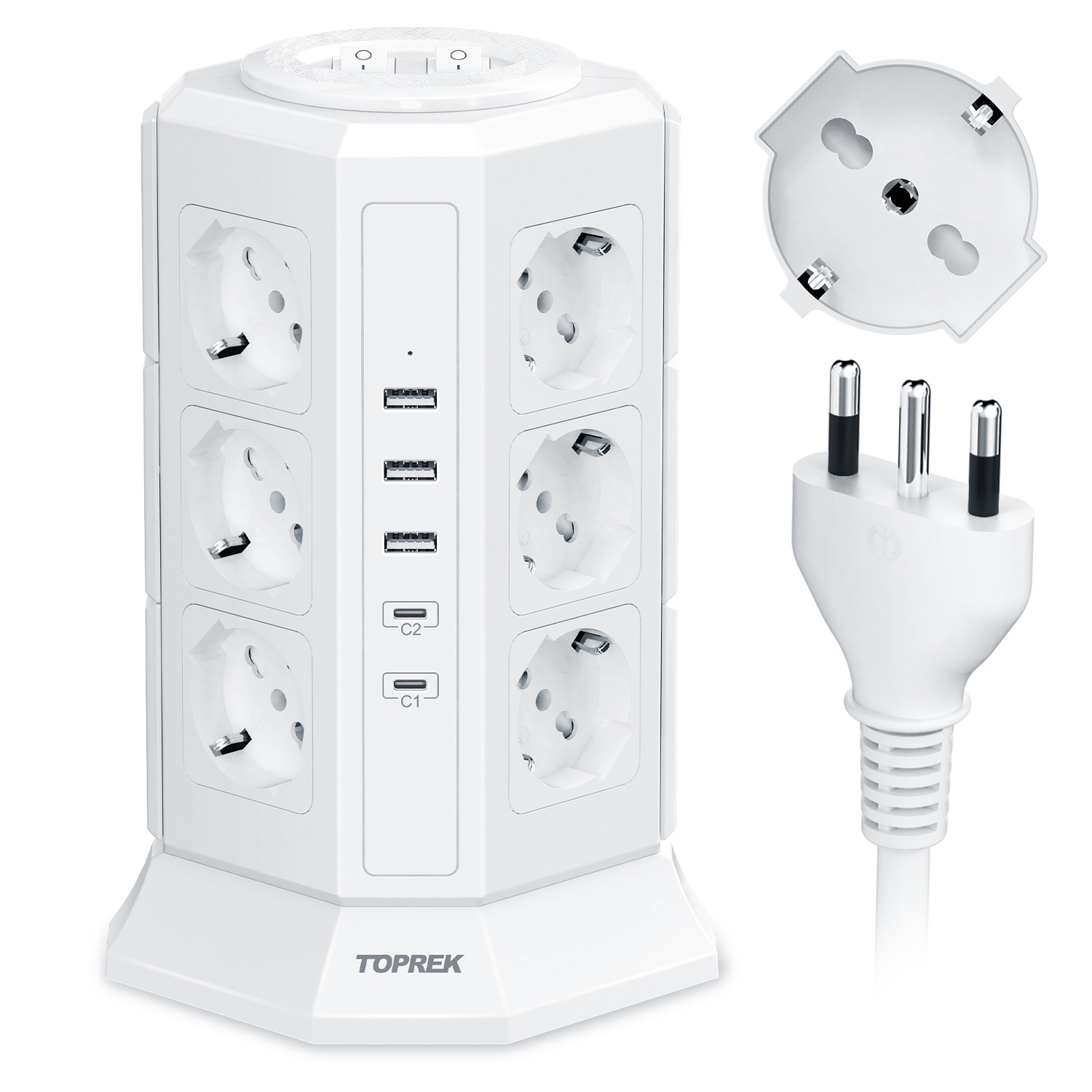
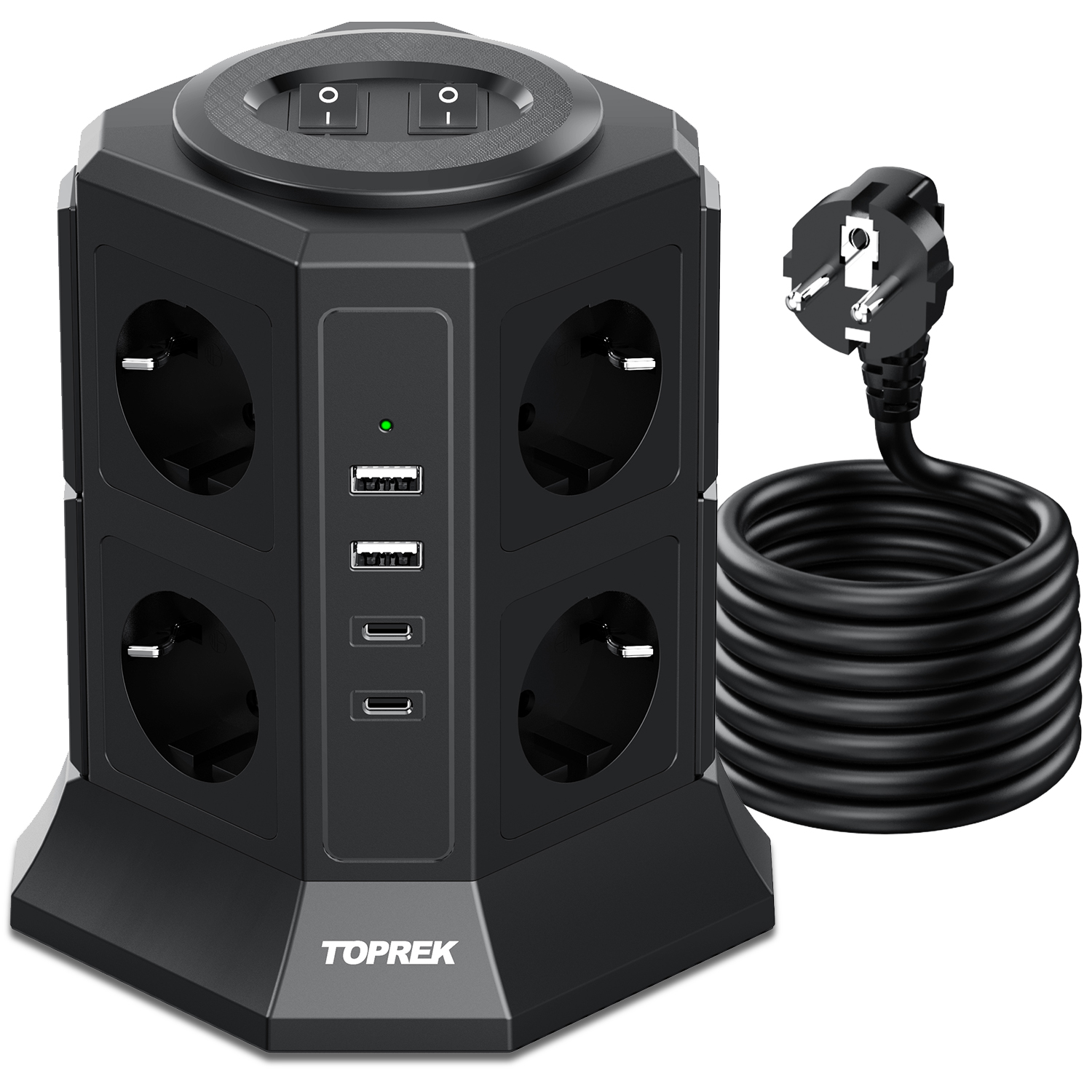
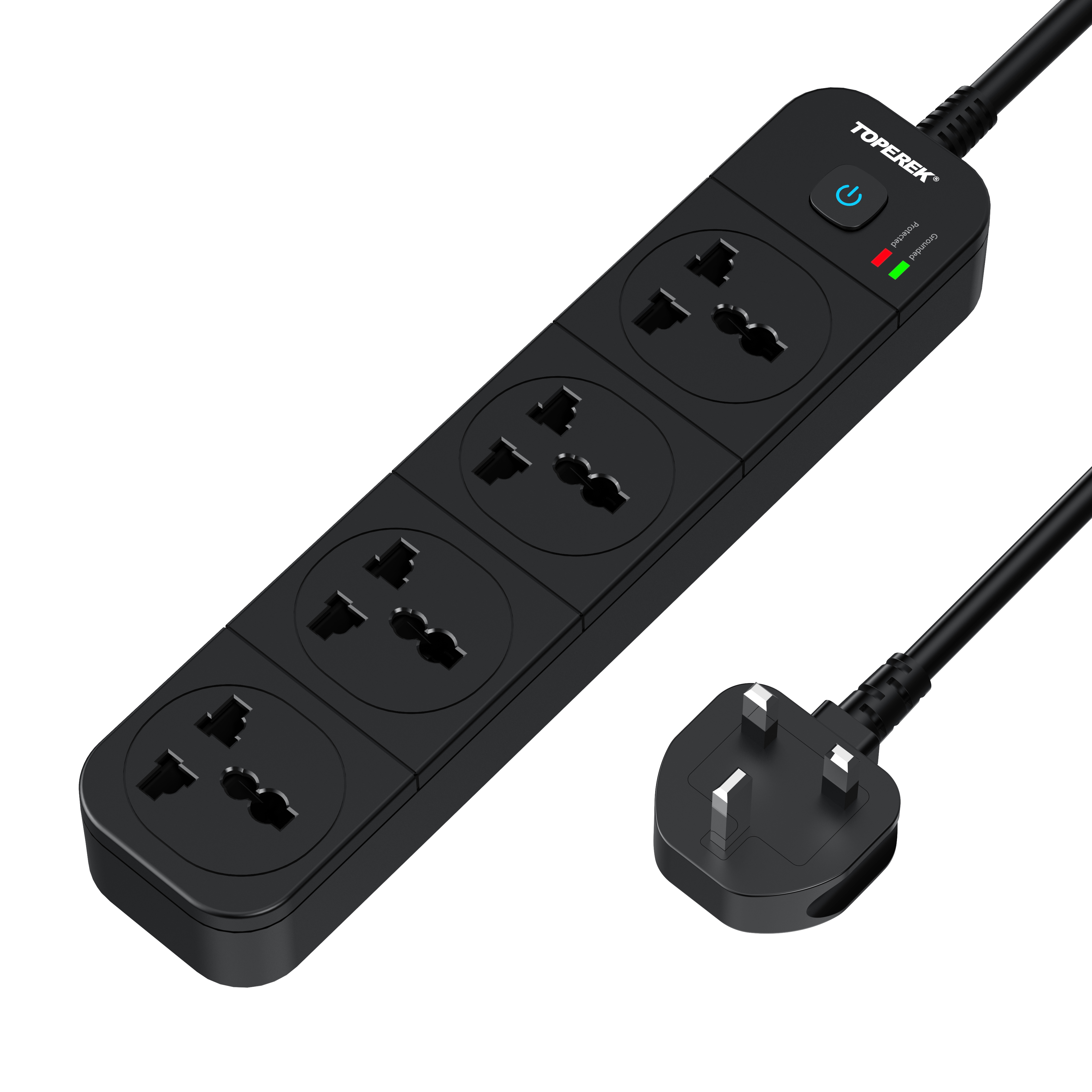
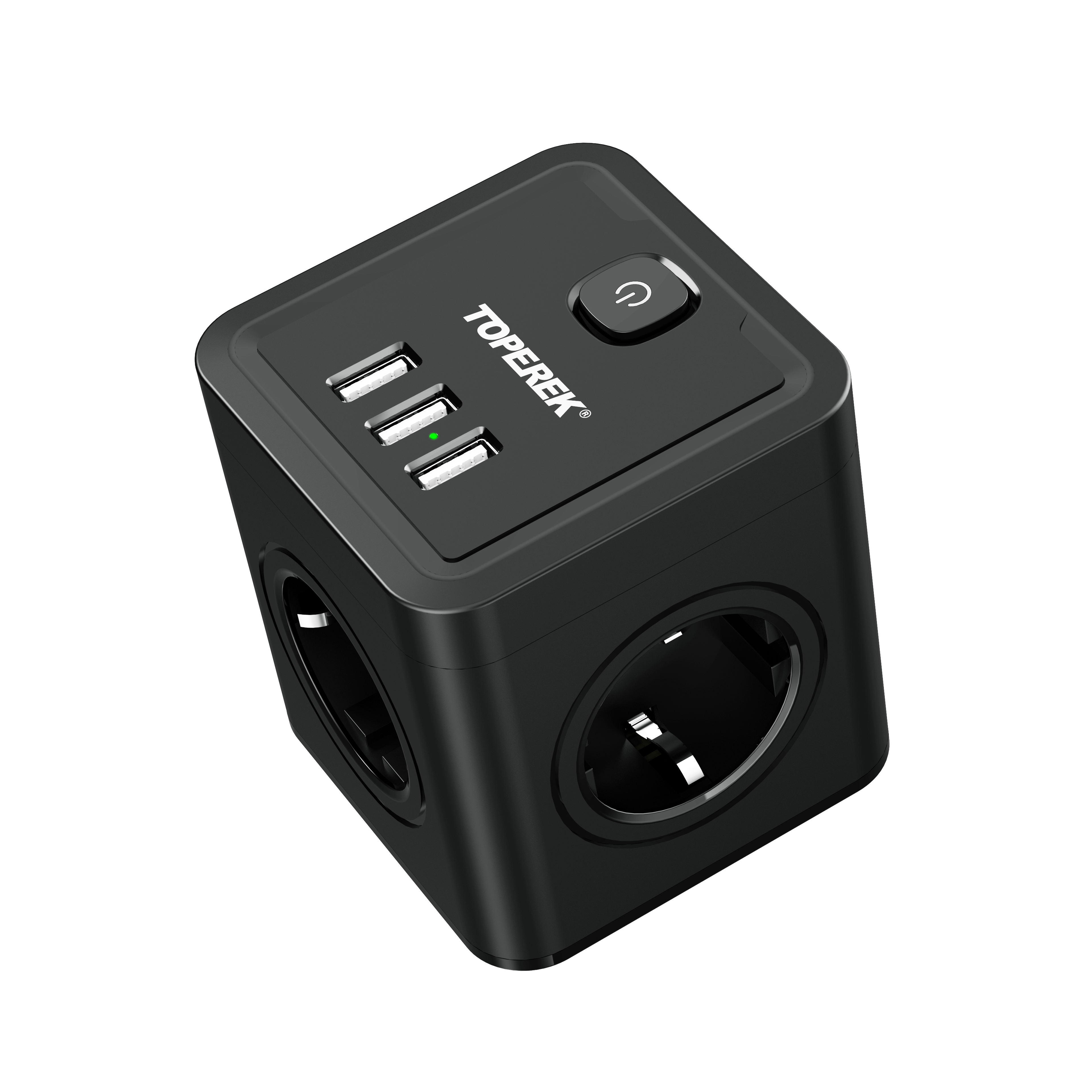
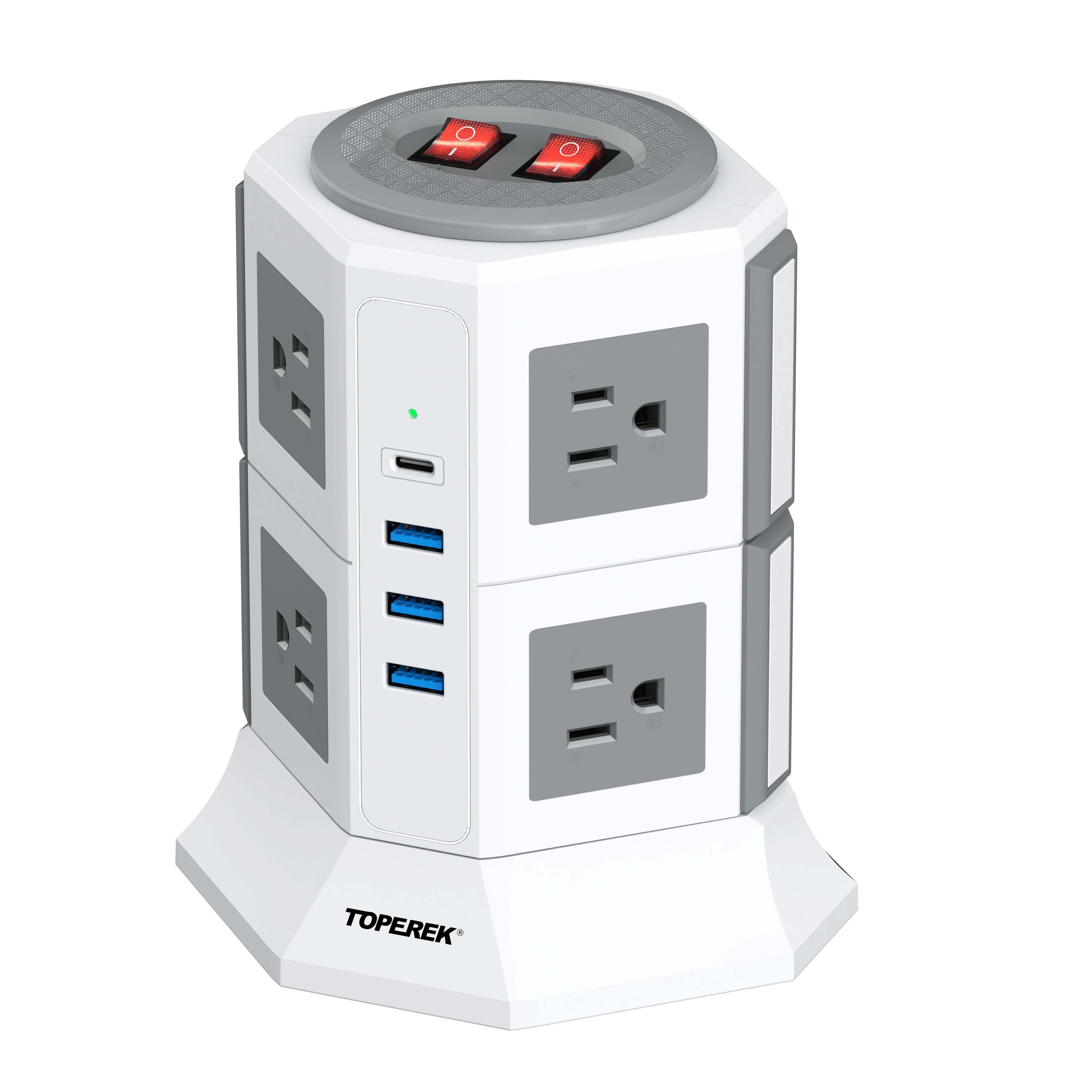
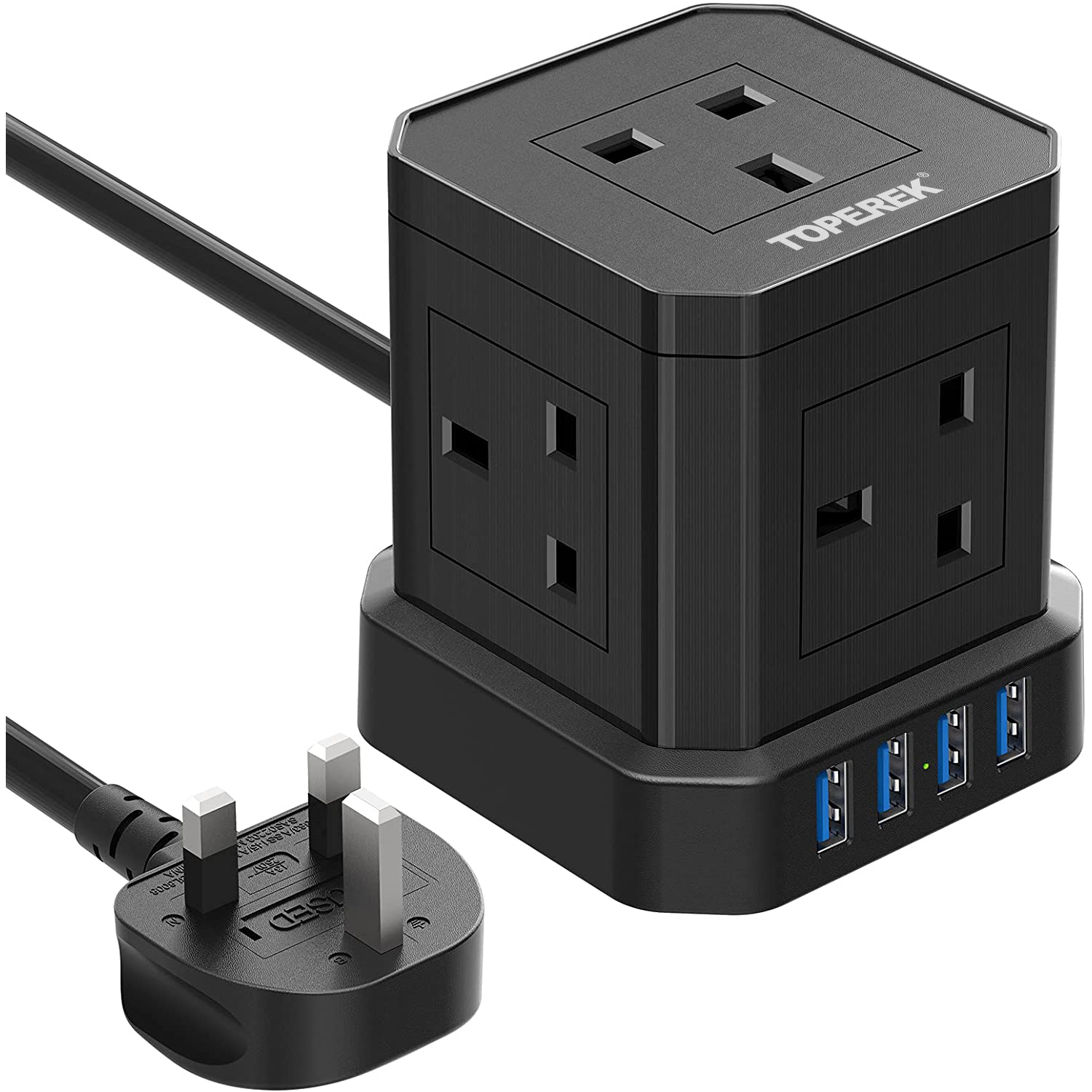
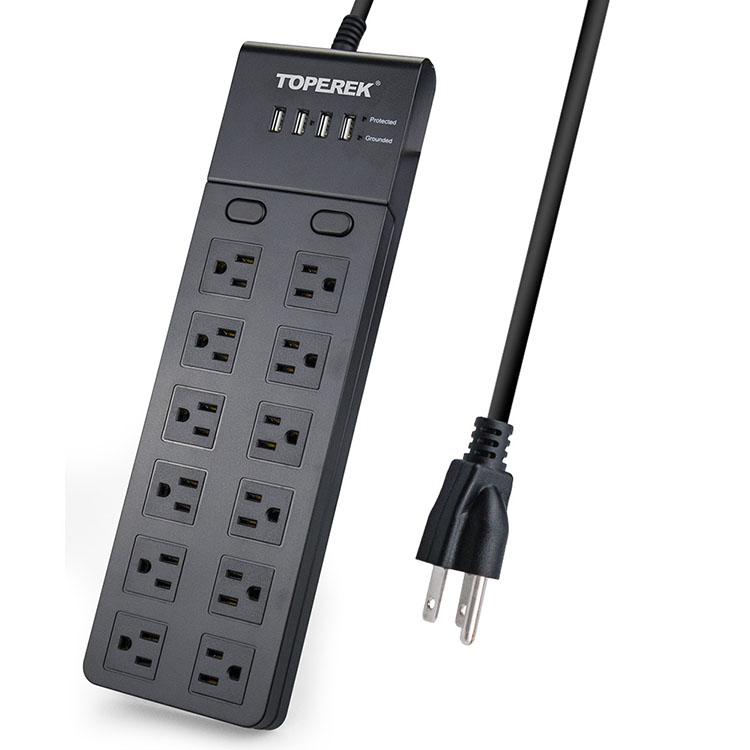
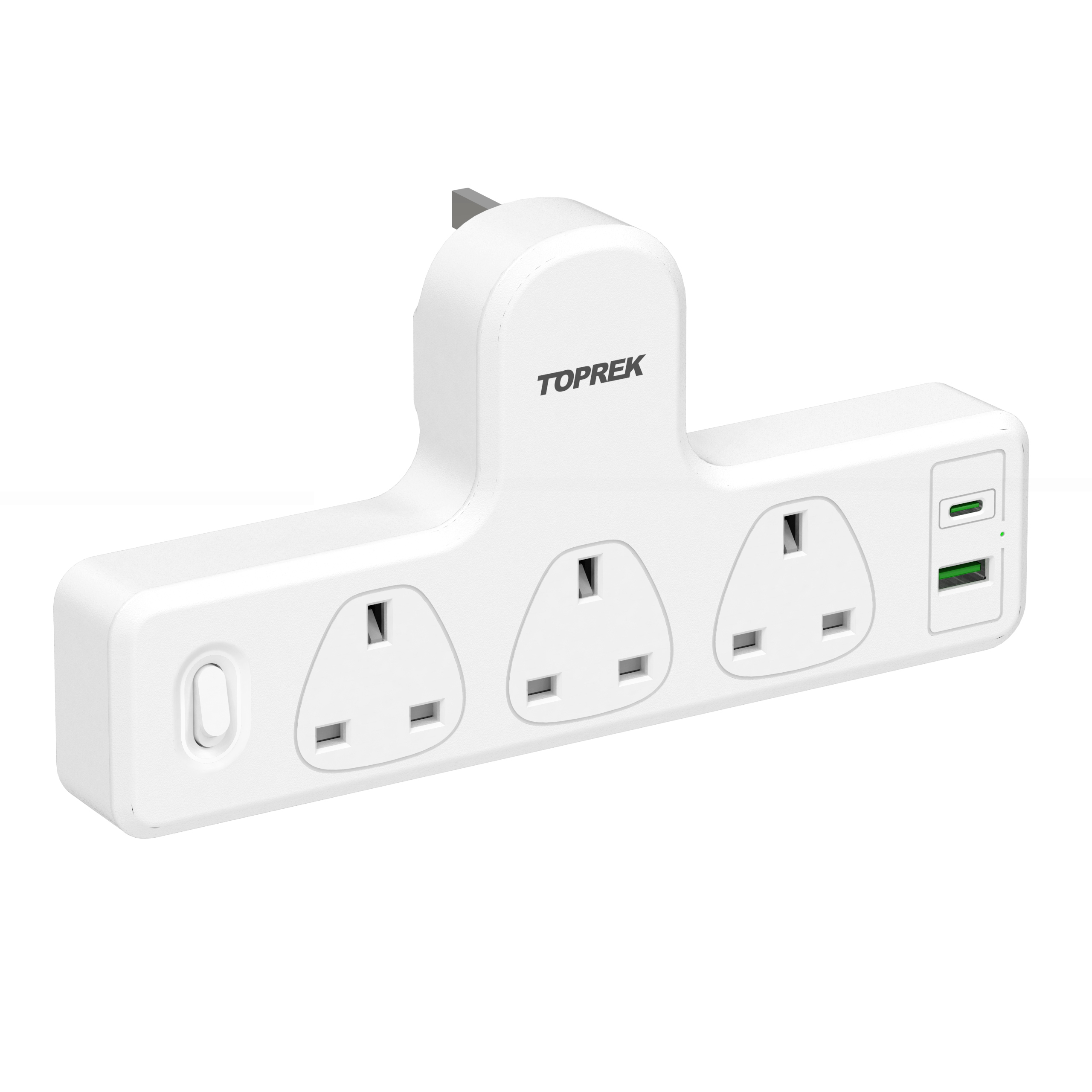
Navigating the Dual Compliance Landscape: CE Mark Harmonization & Japanese JIS C 8303 / PSE Standards
For international electrical distributors, sourcing power strips that cross-pollinate European Union CE Directives and stringent Japanese Electrical Appliance and Material Safety Law (DENAN / PSE) requirements demands sophisticated engineering and vertically integrated production. A Japanese Type A/B power strip (JIS C 8303) operates nominally under 100V–125V at 15A (1500W threshold), whereas European counterparts adhere to 220V–250V up to 16A (3680W–4000W) governed by the Low Voltage Directive (LVD 2014/35/EU), Electromagnetic Compatibility Directive (EMC 2014/30/EU), and RoHS Directive (2011/65/EU and amendment 2015/863/EU).
When engineering dual-certified or cross-market Japanese-specification power strips for multinational distribution, our OEM/ODM factory implements an uncompromised structural design. Japanese domestic infrastructure is uniquely susceptible to tracking fire phenomena—micro-spark electrical arcs caused by dust and airborne humidity bridging the prongs of plugs left continuously seated in baseboard sockets. Consequently, our JIS C 8303 compliant plugs and integrated socket faces integrate urea resin or thermosetting engineering polymers with a Comparative Tracking Index (CTI) exceeding 600V, alongside fire-resistant flame-retardant insulating sleeves encasing the base of plug pins.
| Regulatory Parameter | Japanese Market Standard (PSE / JIS C 8303) | European Union Standard (CE / LVD / EN 61242) | Laxvi Unified Engineering Metric |
|---|---|---|---|
| Nominal Voltage & Load | 100V–125V AC / 15A Maximum (1500W limit) | 230V–250V AC / 16A Maximum (Up to 4000W) | Dual Voltage 100V–250V Wide Range PCB |
| Tracking Resistance (CTI) | Mandatory Tracking Prevention Test (> 400V–600V) | Glow wire test (IEC 60695-2-11) at 750°C/850°C | CTI > 600V + 850°C Glow-Wire Certified |
| Conductor & Busbar Spec | 0.75mm²–2.0mm² VCTF / VFF JIS certified cable | 1.5mm² H05VV-F 3G Pure Annealed Copper Core | 99.99% OFC Pure Copper Integrated Busbars |
| Surge Suppression Rating | JIS C 5381-11 Class III (Varistor clamping) | EN 61643-11 SPD Type 3 Surge Protection | Thermally Protected MOV up to 1050 Joules |
| Enclosure Flammability | DENAN Article 8 Annex 4 Flame Test | UL94 V-0 Self-extinguishing Polycarbonate | UL94 V-0 Polycarbonate/ABS blend (Up to 850°C) |
Simultaneously, when integrating modern active electronics—such as Gallium Nitride (GaN) fast-charging modules and intelligent microcontrollers—the product must strictly satisfy European EMC directives (EN 55032 Class B for emissions, EN 55035 for immunity) alongside Japanese VCCI specifications. By incorporating high-frequency toroidal chokes, primary-to-secondary double-layer insulation isolation barriers exceeding 3750V AC withstand voltage, and synchronous rectification ICs, our manufacturing process ensures that electromagnetic leakage is completely suppressed, preventing line noise from feeding back into sensitive audio/video or medical devices.
Future Procurement Trends: Where Japanese Power Architecture Meets Global Demands
B2B procurement directors and private-label brand owners operating across Tokyo, Osaka, London, Berlin, and New York face an evolving consumer and commercial landscape. Sourcing is no longer a matter of acquiring static plastic multi-taps; it is an optimization of form factor, thermal resilience, GaN power delivery convergence, and lifecycle sustainability. The upcoming procurement cycles are dominated by four macro-trends:
1. 65W–140W GaN 4.0 Fast-Charge Monolithic Integration
The separation of DC charging bricks from AC extension strips is vanishing. Importers demand high-density Gallium Nitride (GaN) power stages directly embedded within desktop and tower enclosures. By replacing legacy silicon MOSFETs with GaN semiconductors, heat dissipation drops by 32%, allowing 65W to 140W USB-C Power Delivery (PD 3.1) outputs directly adjacent to 100V–250V AC outlets without thermal throttling or footprint expansion.
2. Post-Consumer Recycled (PCR) & Eco-Resin Housings
Global regulatory bodies and institutional procurement policies mandate reduced carbon footprints. Japanese commercial buyers, in particular, prioritize low-environmental-load electrical products. Our facility now runs proprietary bio-based, halogen-free polycarbonate composites containing 30% to 75% PCR resins that fully satisfy UL94 V-0 non-drip flame classifications while shrinking cradle-to-gate emissions by 40%.
3. Micro-Footprint Ergonomics & 180° Rotating Plugs
Due to the spatial constraints of metropolitan Japanese living spaces and modular European offices, cable management has transitioned toward vertical towers, desk-clamp power hubs, and ultra-flat 180-degree swiveling NEMA/JIS plug heads. These flush-to-wall plug architectures eliminate cable bend stress, mitigating internal copper filament fatigue and significantly prolonging operational life.
Core Manufacturing Anatomy: Inside an Industrial-Grade Power Strip
The distinction between consumer-grade power strips and industrial-grade electrical distribution units lies within the internal conductor architecture and active safety safeguards. Rather than relying on cost-cutting point-to-point soldered wire leads—which are prone to cold solder joints, resistance hot spots, and eventual disconnection—our Shenzhen manufacturing facility utilizes stamped, continuous phosphor bronze integrated busbars.
Integrated Phosphor Bronze Busbars
Precision-stamped from a single 0.6mm–0.8mm thick phosphor bronze strip (CuSn6 / C5191), our internal conductive architecture offers superior spring elasticity, excellent wear resistance across 10,000+ insertion/extraction cycles, minimal joint resistance, and negligible temperature rise under sustained maximum current loads.
Bimetallic Resettable Overload Breakers
Integrated mechanical-thermal circuit breakers automatically trip when electrical current exceeds rated thresholds (10A, 13A, 15A, or 16A), preventing wire bundle melt-downs. Once the downstream load fault is cleared, the user simply presses the reset actuator without having to replace expendable fuses.
Thermal Fuse Coupled MOVs
Metal Oxide Varistors (MOVs) absorb high-voltage lightning surges and utility transients within nanoseconds. To eliminate fire hazards when MOVs degrade over time due to repeated surges, our designs couple thermal cutoffs (TCO) directly against the MOV body, severing the circuit instantly if overheating occurs.
Factory Competence & Production Scale: Shenzhen Laxvi Technology Co., Ltd.
Founded in 2013 in Pinghu Street, Shenzhen, Shenzhen Laxvi Technology Co., Ltd. has established itself as an elite OEM/ODM engineering powerhouse and turnkey manufacturing partner for major power strip, socket, and electronic accessory brands worldwide. With 340 highly trained production specialists and an expansive 11,600 m² modern manufacturing plant, our operations have been rigorously inspected and onsite-verified by TÜV Rheinland.
Unlike assembly-only contractors, Laxvi maintains absolute vertical integration. Our on-premise infrastructure encompasses high-precision CNC mold tooling, heavy-tonnage plastic injection molding machines, automated Surface Mount Technology (SMT) and wave soldering lines, wire processing, laser marking, automated packing, and dedicated testing laboratories. This complete chain of control provides our B2B clients with unparalleled flexibility across Minor Customization (custom pantone, silk-screening, bespoke packaging), Design-Based Customization, and Full ODM Product Incubation.
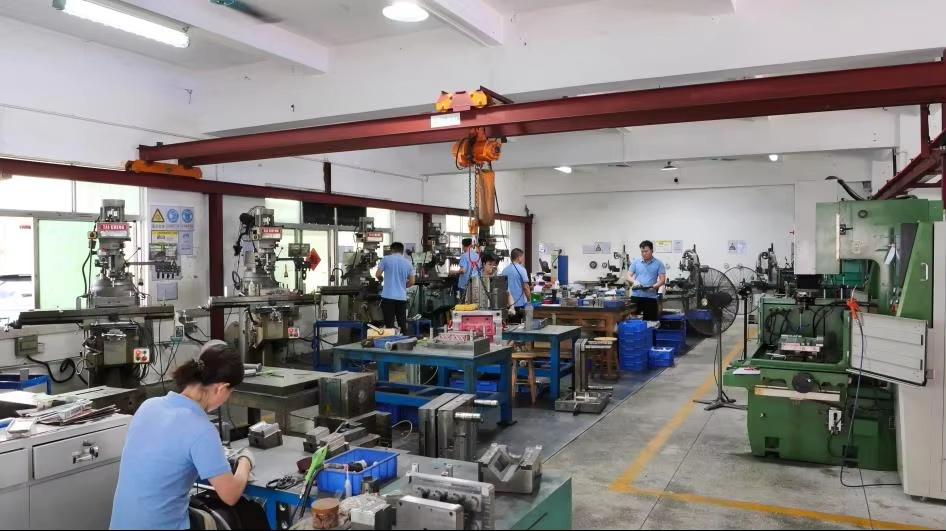

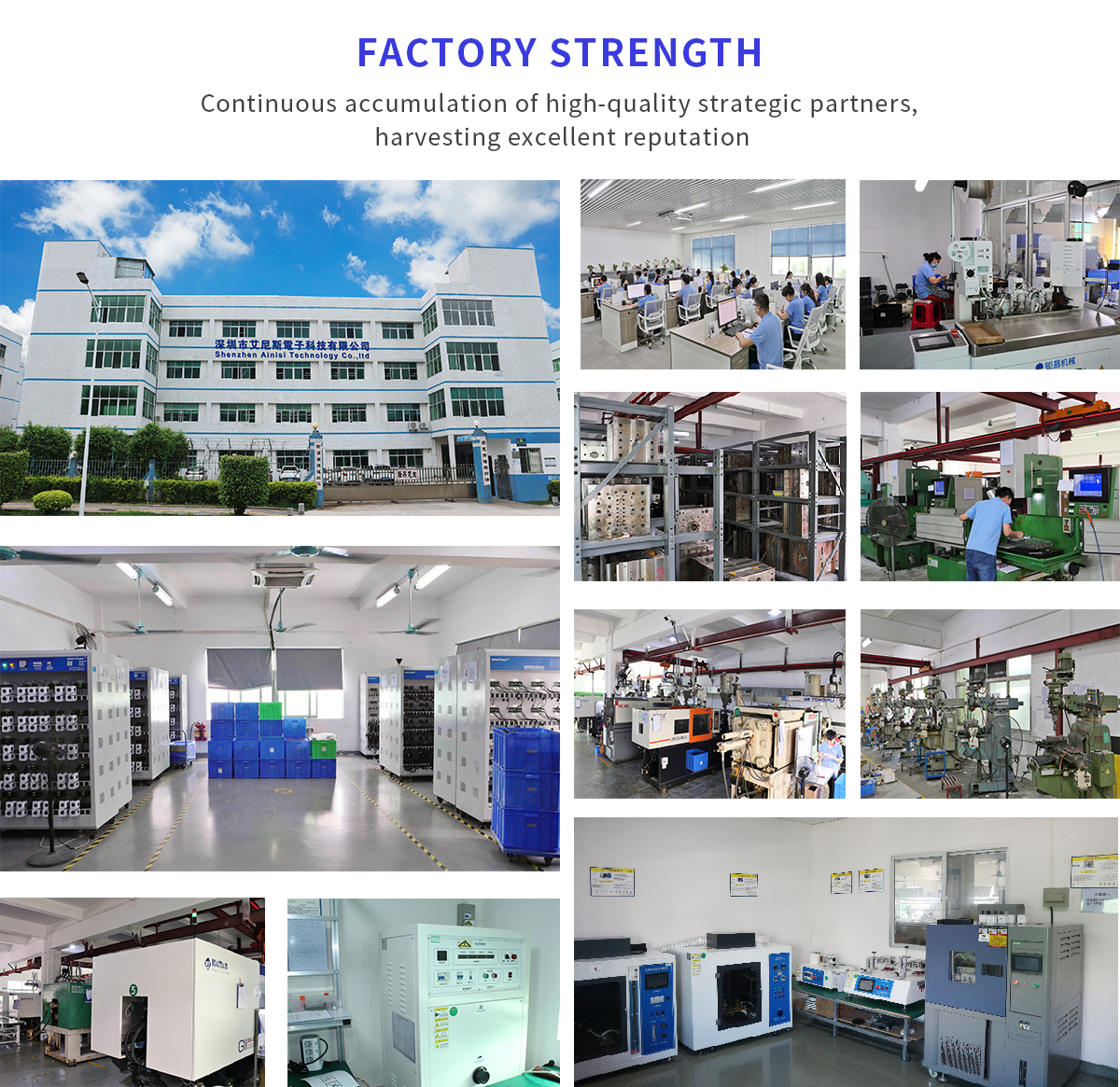
Quality assurance is embedded at every manufacturing node. Raw materials undergo stringent Incoming Quality Control (IQC), including glow-wire flame-retardant testing (IEC 60695-2-11), terminal salt-spray corrosion tests, and copper purity spectroscopic analysis. On the live assembly line, every single finished unit is subjected to 100% withstand-voltage (Hi-Pot) insulation tests, earth continuity checks, automated optical inspections (AOI), and dynamic multi-hour burn-in aging tests. We do not batch-sample for critical electrical integrity—every piece shipped to European, Japanese, or North American retail shelves is individually certified safe.
Frequently Asked Questions: Japanese & CE Certified Power Strip Sourcing
Essential regulatory, technical, and commercial answers for sourcing managers, quality engineers, and international importers.
What is the fundamental difference between PSE Diamond and PSE Circle in Japan?
Under Japan's DENAN Law, electrical products are bifurcated into "Specified Electrical Appliances" (Category A, requiring mandatory third-party lab testing and the Diamond PSE mark) and "Non-Specified Electrical Appliances" (Category B, permitting self-declaration with accredited testing reports and the Circle PSE mark). Power cords, plugs, and standalone AC power strips fall under Category A (Diamond PSE), requiring registered METI manufacturer conformity. Conversely, secondary active DC power supply modules embedded within the strip typically require Circle PSE verification.
Can a single power strip design legitimately bear both CE and Japanese PSE marks?
Yes, provided the internal engineering accounts for the differing electrical conventions. A dual-certified unit must utilize wide-voltage (100V–250V) compatible internal active electronics (for GaN/USB charging circuits), adhere to the strictest tracking resistance test metrics (CTI > 600V with insulation sleeves on pins), feature heavy-duty cabling rated for the higher amperage (15A/16A), and fulfill both EN 55032/35 (CE EMC) and VCCI Class B electromagnetic noise restrictions.
What is the standard OEM/ODM production lead time and Minimum Order Quantity (MOQ)?
For standard catalog chassis with customized logos, colorways, and retail packaging, standard production lead times are 25 to 35 calendar days with a competitive MOQ of 1,000 units. For completely custom ODM tooling (new industrial molds, bespoke PCBA schematics, proprietary enclosure geometry), the development cycle spans 40 to 60 days from 3D CAD sign-off to functional T1 mold sampling, with volume production starting at 3,000 units.
How does the factory prevent tracking fires on Japanese-spec power strips?
We incorporate three independent layers of tracking defense: First, using premium virgin polycarbonate/urea resin with a high Comparative Tracking Index (CTI > 600V) surrounding socket contact bays. Second, installing flame-resistant insulating sleeves over the base of the plug prongs according to JIS C 8303 Annex A. Third, engineering the socket receptacle with spring-loaded physical safety shutters that block atmospheric dust accumulation when no plug is engaged.
What testing data and certification documentation do you provide for customs clearance?
Every shipment is supported by comprehensive documentation dossiers: TÜV Rheinland factory inspection audit reports, CE Declarations of Conformity (DoC), official test laboratory reports for EN 62368-1, EN 61242, LVD, EMC, and RoHS test reports (IEC 62321). For Japanese imports, we provide official PSE certification copies, METI registration paperwork, and factory batch outgoing inspection test certificates (Hi-Pot, insulation resistance, earth continuity).
Can you accommodate custom cable lengths, gauges, and plug angles?
Absolutely. Because our Pinghu manufacturing facility operates dedicated wire extrusion and processing workshops, we can supply any custom cord length (1.0m, 1.8m, 2.0m, 3.0m, 5.0m, or bespoke lengths). We support JIS VCTF/HVCTF cords for the Japanese market, H05VV-F cords for Europe, and heavy SJT cables for North America, paired with straight, right-angle, or ultra-thin 180° rotatable plug heads.
Ready to Engineer Your Next Market-Leading Power Solution?
Connect directly with our engineering division and B2B international accounts team. We provide complete technical proposals, CAD modeling, certification roadmaps, and factory-direct sample units within 48 hours.