Featured Commercial & Household Power Strip Solutions
Engineered precisely to conform to BS 1363/A, IEC 60884, and the CE Low Voltage Directive (LVD). Each model incorporates premium phosphorus bronze conductive tracks, 750°C glow-wire resistant polycarbonate casings, and multi-stage transient surge suppression.
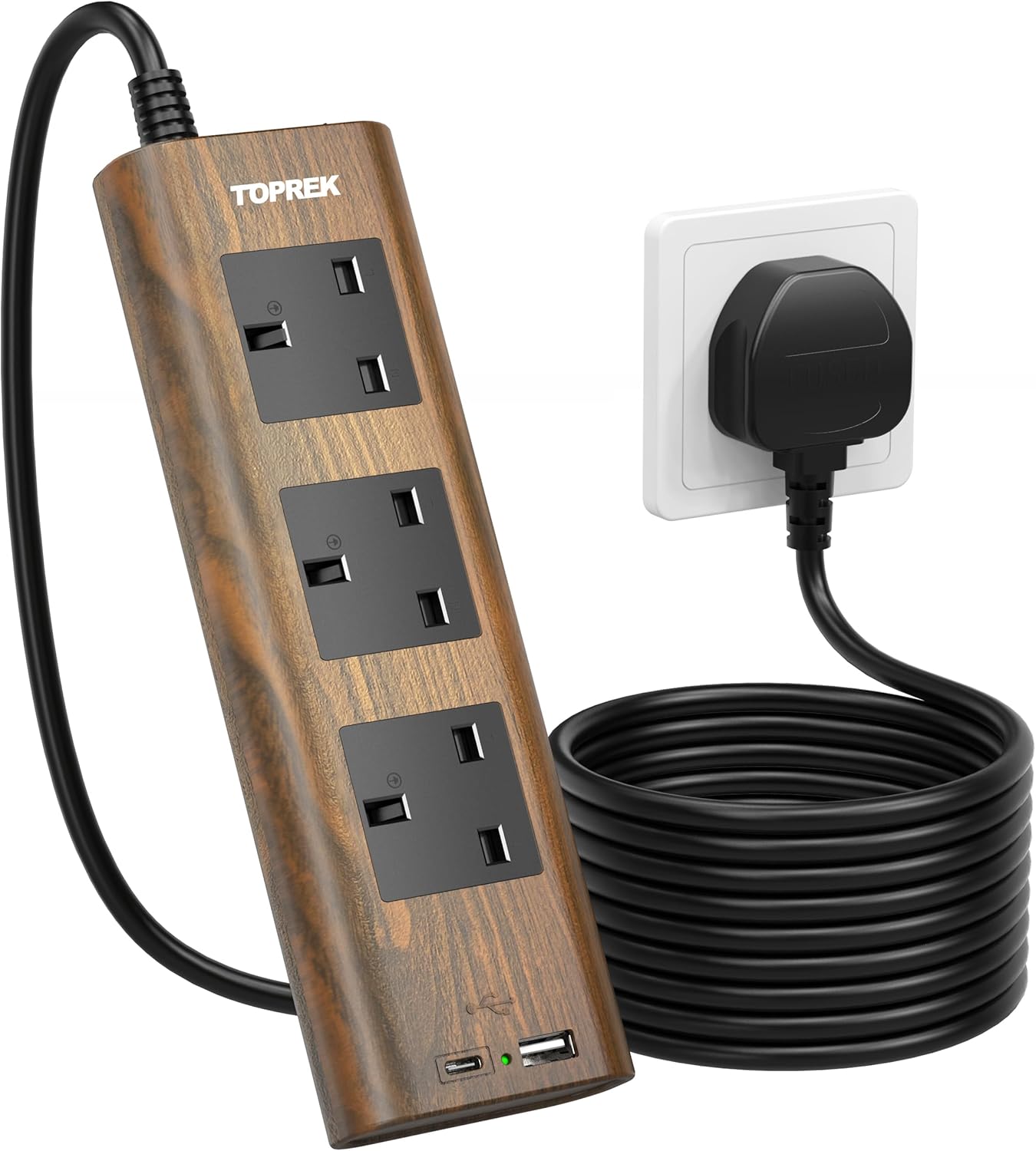
3-Way USB Surge Protection Extension Board (13A / 3250W)
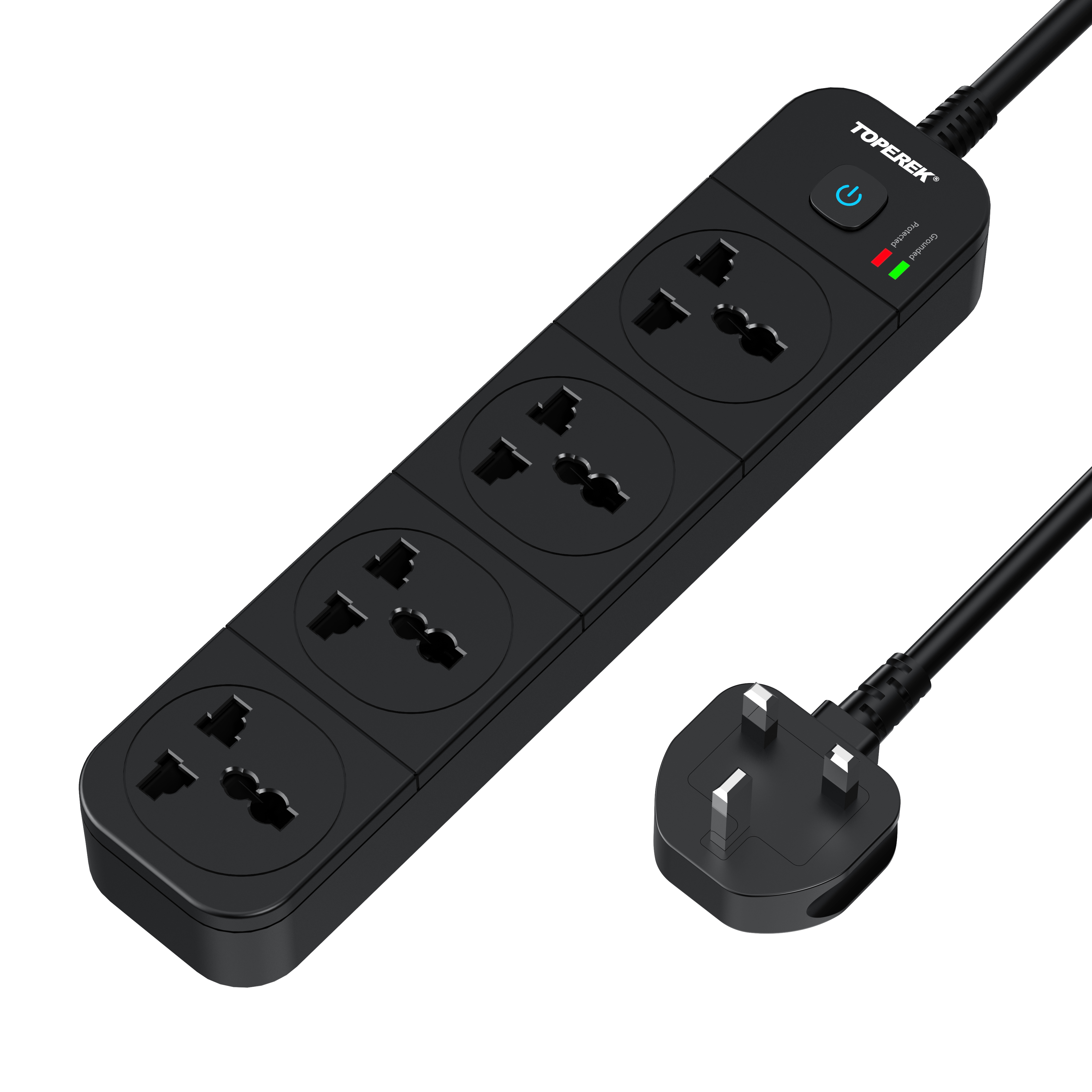
Bold 4-Outlet Surge Protection UK Socket Power Strip
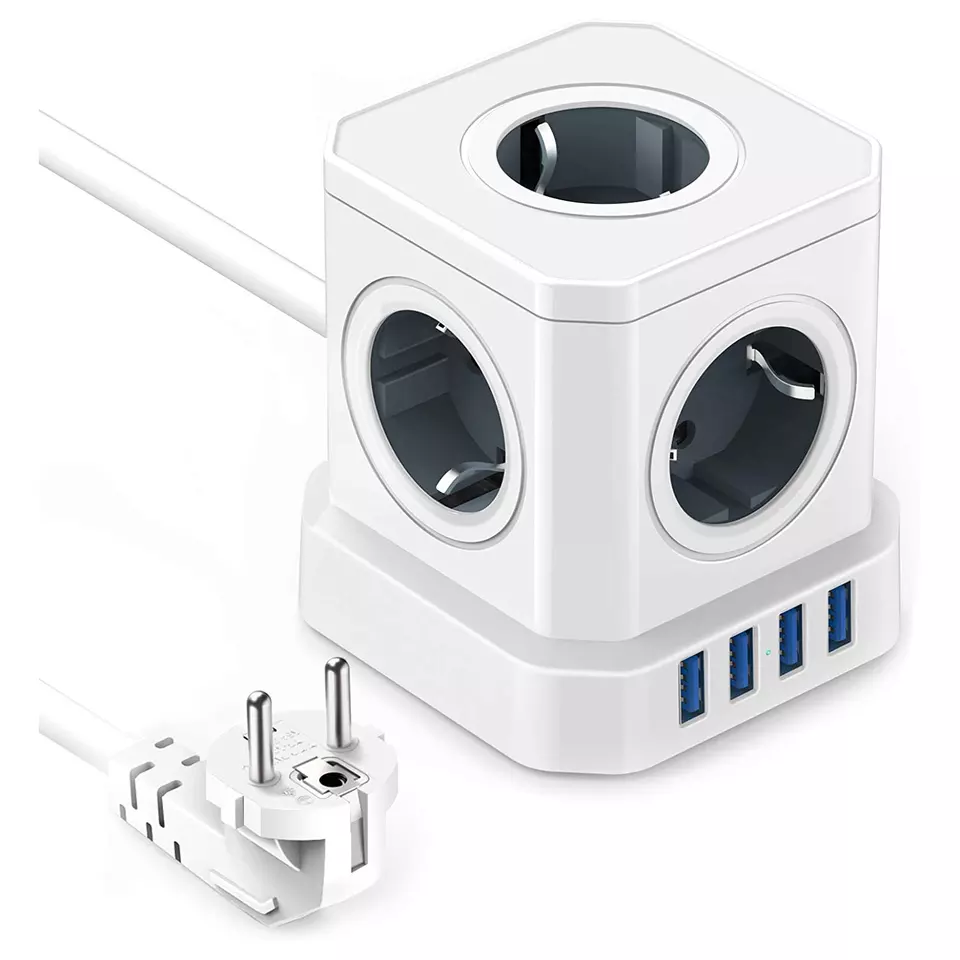
Cube Standard Fire-Retardant 5 Outlets + 4 USB Ports
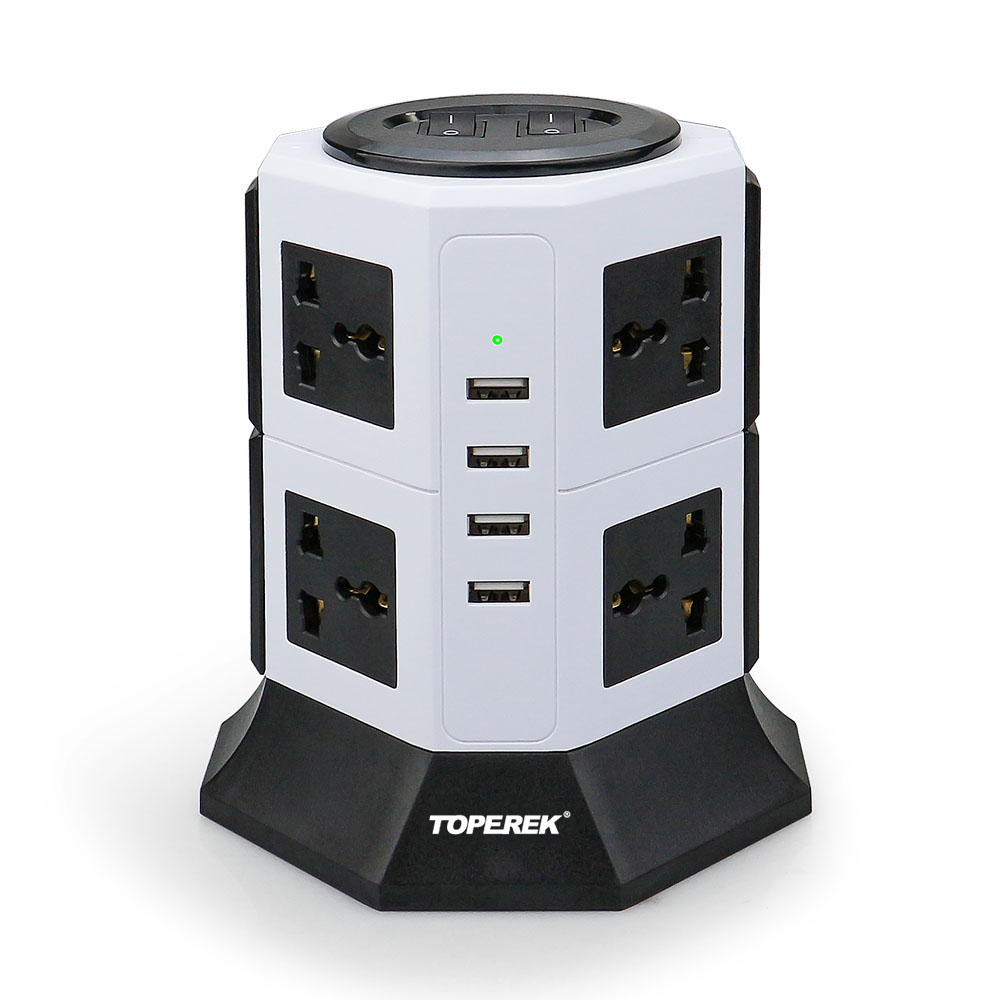
Universal Tower Multi-Gang USB Fast-Charging Station
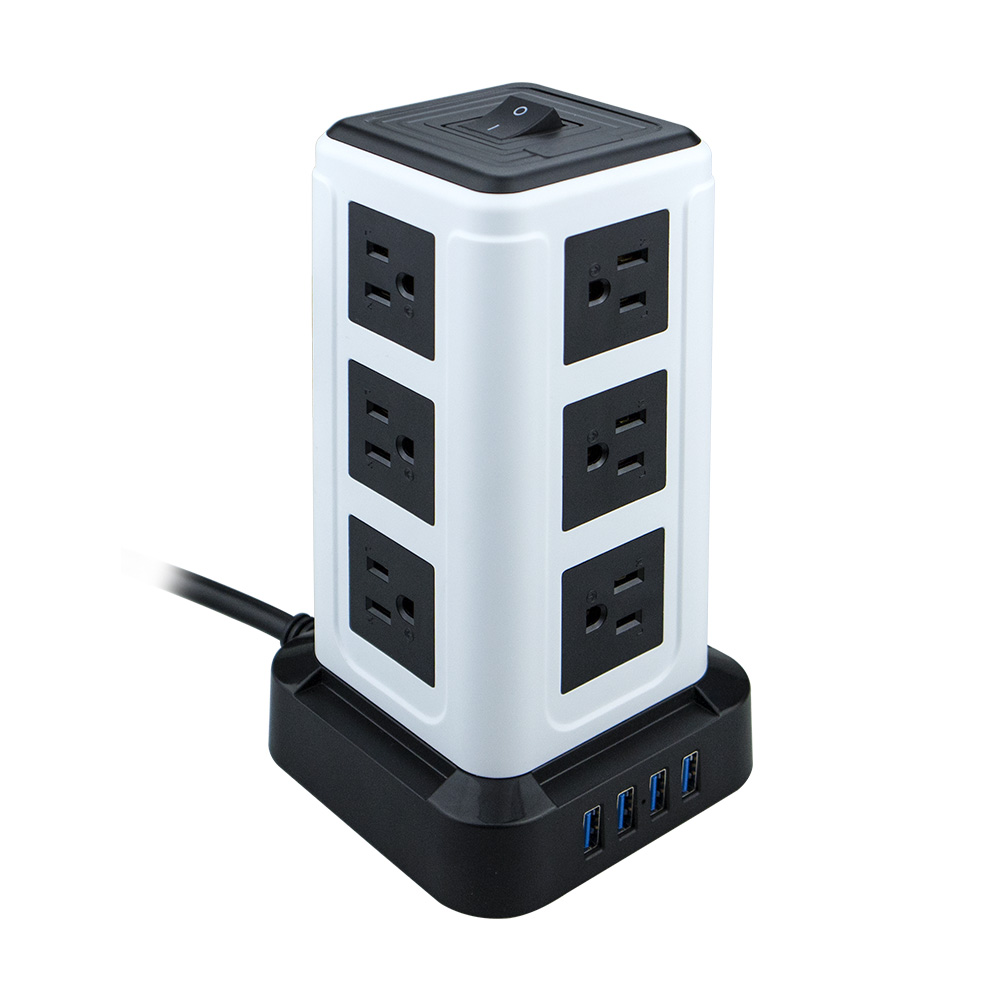
Commercial Grade 12-Gang Vertical Strip with High-Output USB
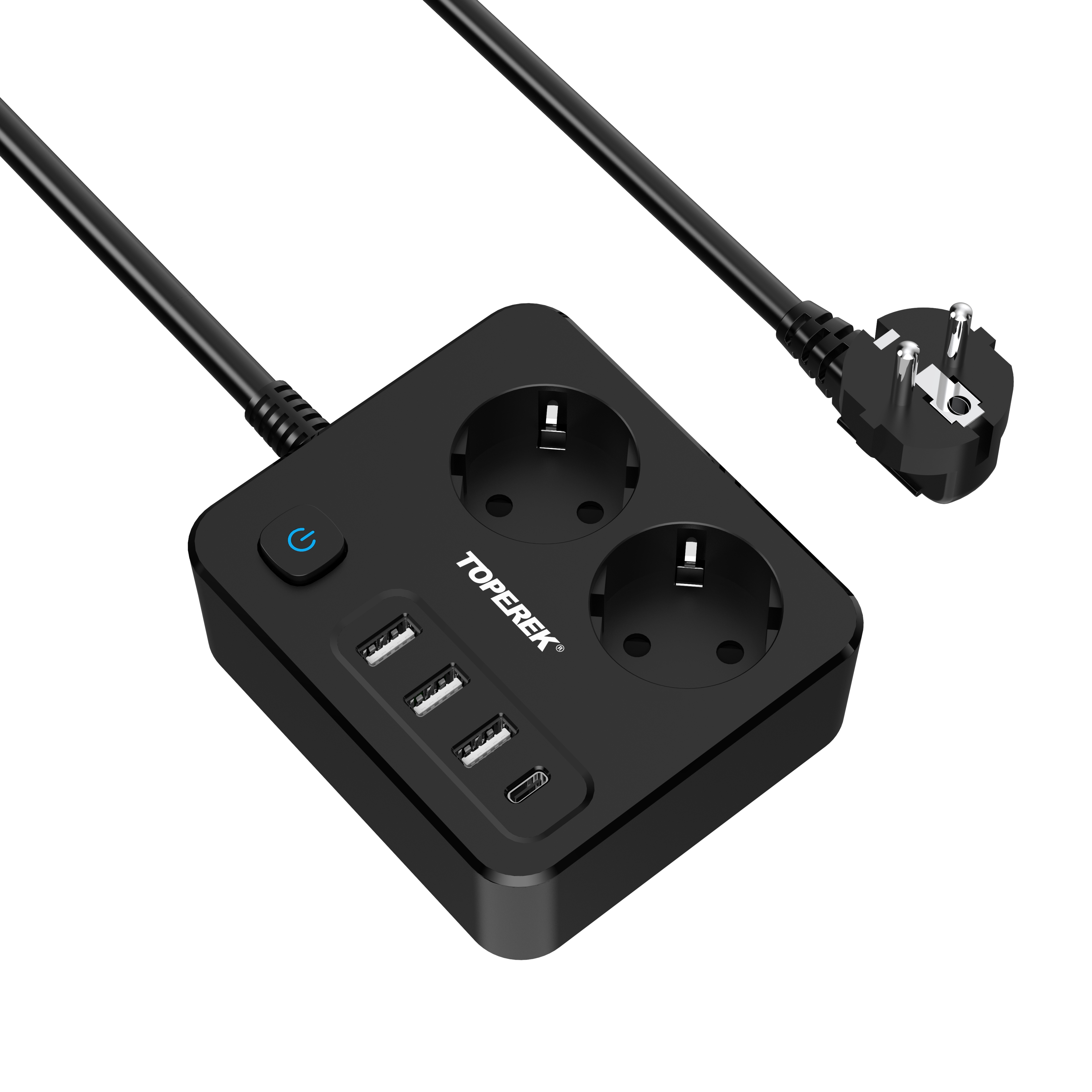
Desktop Power Strip with 30W USB-C Power Delivery Module
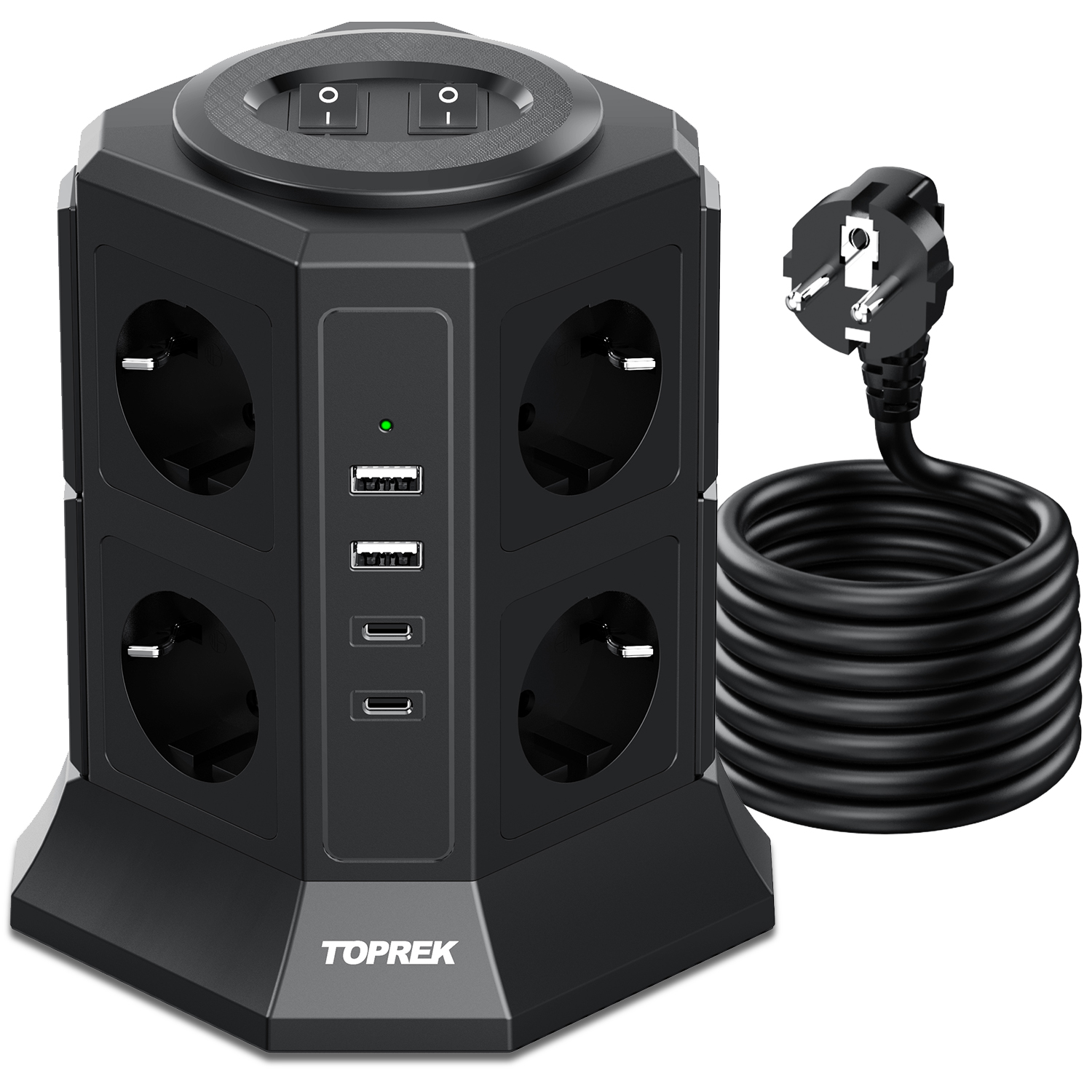
8-Outlet Fast Charging Power Strip (2 USB-A + 2 USB-C)
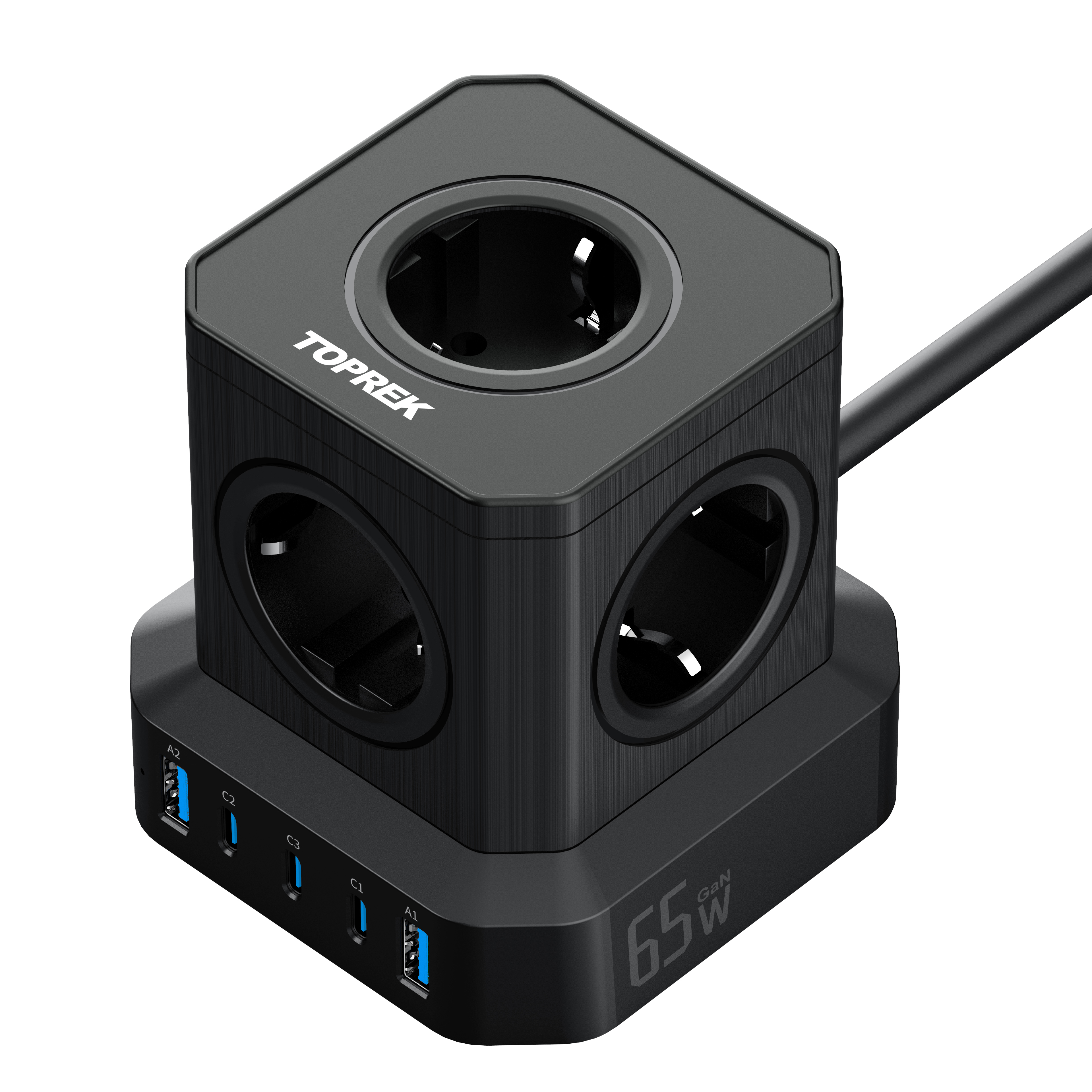
Industrial 65W GaN Fast Charger 5-Outlet Extension Socket
Technical Regulatory Framework: CE Mark vs. UKCA & BS 1363 Coexistence
In electrical engineering procurement across the United Kingdom and the European Single Market, sourcing compliant power extension assemblies demands a granular understanding of harmonized directives and national mandatory standards. While European mainland territories strictly follow CEE 7/4 (Schuko) or CEE 7/7 formats governed by national test regimes (such as DIN VDE 0620-2-1, NF C 61-314), the United Kingdom operates under the Plugs and Sockets etc. (Safety) Regulations 1994 (Statutory Instrument 1994 No. 1768). This statutory instrument mandates that domestic portable socket-outlets comply irrevocably with BS 1363-2, while UK plugs must comply with BS 1363-1, including a certified BS 1362 ceramic cartridge fuse rated up to 13 Amperes.
A frequent procurement confusion occurs regarding the application of the CE Marking on UK power strips. Under the European Union legal framework, domestic wall outlets and domestic extension sockets are historically excluded from the scope of the Low Voltage Directive (LVD 2014/35/EU), relying instead on National Electrical Safety Standards. However, the internal transformer circuits, active step-down converters, and USB Power Delivery PCBAs incorporated within the power strip fall unambiguously under the jurisdiction of both the Low Voltage Directive (LVD) 2014/35/EU (or EN IEC 62368-1) and the Electromagnetic Compatibility Directive (EMC) 2014/30/EU. Consequently, a legally marketed CE-certified UK power strip supplier must demonstrate compliance via dual testing regimes: BS 1363-2 mechanical/thermal certification for AC paths, coupled with CE (and UKCA) declarations for the integrated active electronic switching power supply (SMPS) architectures.
Critical Sourcing Clause: The British Type G standard mandates a safety shutter mechanism actuated mechanically by the insertion of the earth pin (or an advanced two-pin simultaneous opening system) to prevent singular probe penetration into live or neutral apertures. Suppliers unable to provide verifiable shutter cycling test reports (minimum 15,000 insertions at 5N to 40N engagement force) present catastrophic product liability risks for European and British retailers.
| Compliance Vector | Standard Reference | Core Technical Parameter Verified | Testing Rigor & Equipment |
|---|---|---|---|
| Socket Construction & Contact Force | BS 1363-2 Clause 13 & 16 | Minimum 5N contact retention per pole; temperature rise ≤ 45K under continuous 13A load (3250W at 250VAC) | Calibrated gauge pins, digital multi-channel temperature recorders, continuous current injection sets |
| Housing Flammability & Tracking | BS 1363-2 Clause 23 / IEC 60695-2-11 | Glow-Wire Flammability Index (GWFI): 750°C for non-conductive parts, 850°C for parts retaining current-carrying terminals | Direct optical glow-wire tester with calibrated K-type thermocouple and flame timer |
| Fused Cord-Set Integrity | BS 1362 & BS 6500 / EN 50525-2-11 | H05VV-F 3G1.25mm² or 3G1.5mm² flexible cordage with BS 1362 sand-filled ceramic cartridge fuse (6kA breaking capacity) | Tensile testing, cyclic flexing test (20,000 continuous flex cycles under mechanical tension) |
| Switch Breaking Capacity | BS EN 61058-1 / BS 1363-2 Cl. 17 | Double-pole disconnect switch rated for min. 15,000 operational cycles under rated inductive load (cos φ = 0.6) | Pneumatically actuated endurance test bench with continuous electronic arc monitoring |
| Integrated Active USB Converters | EN IEC 62368-1:2020 / EN 55032 / EN 55035 | Creepage distance ≥ 5.0mm (reinforced insulation), dielectric withstand voltage 3000VAC primary-to-secondary | Automatic Hi-Pot insulation tester, semi-anechoic EMI chamber for radiated & conducted emissions |
Furthermore, post-Brexit regulatory requirements dictate that products distributed within England, Wales, and Scotland require compliance with the UKCA (UK Conformity Assessed) marking regime, referenced against designated British Standards (BS), while goods placed on the Northern Ireland market or exported across the European Union require the CE mark. As an enterprise manufacturer verified by TÜV Rheinland, Shenzhen Laxvi Technology delivers dual-certified documentation portfolios (CE LVD, CE EMC, UKCA DoC, RoHS 2011/65/EU, and REACH SVHC certifications) backed by raw accredited test data.
Future Procurement Trends in the UK & European Power Sector
Strategic supply chain analysis mapping technical disruptions, efficiency mandates, and material sustainability benchmarks reshaping consumer power products over the 2025–2030 cycle.
GaNFast Semiconductor Integration
Conventional silicon-based step-down transformers are rapidly being replaced by Gallium Nitride (GaN III) high-frequency bridge topologies. GaN allows commercial power strips to dissipate 40% less heat while embedding 65W to 140W USB-C Power Delivery 3.1 directly into compact enclosures, eliminating bulky external adapters for laptops and professional workstations.
Matter-over-Thread IoT Architecture
Smart power strips are transitioning away from proprietary 2.4GHz Wi-Fi chipsets toward unified Matter-over-Thread mesh ecosystems. B2B buyers now prioritize extension hardware featuring sub-meter energy monitoring (kWh reporting accurate to ±1%), zero-crossing solid-state relays, and local automated surge degradation reporting via universal home automation platforms.
Thermally Isolated MOV Suppression
Traditional single-component Metal Oxide Varistors (MOVs) are prone to thermal runaway during catastrophic over-voltage spikes. Emerging UK safety tenders demand TMOV (Thermally Protected Metal Oxide Varistors) incorporating integrated thermal cutoffs (TCO) that physically disconnect the surge component before catastrophic flame ignition can compromise the outer enclosure.
PCR Circular Resins & Halogen-Free Cables
Driven by corporate CSR mandates and EU Eco-Design regulations, major distributors are phasing out pure virgin polymers. High-end procurement specifications now require at least 35% Post-Consumer Recycled (PCR) polycarbonates engineered to maintain UL94 V-0 flame ratings without halogenated compounds, alongside Low Smoke Zero Halogen (LSZH) pure copper cabling.
Integrated Continuous Busbar Tooling
Traditional power strip designs utilize point-to-point soldered wires connecting individual contact leaves, a method vulnerable to cold-solder joint fractures and high contact resistance over time. Next-generation production replaces internal manual wiring with progressive die-stamped, single-piece phosphor bronze busbars, reducing internal electrical resistance by up to 28%.
Independent Gang Switching Controls
With escalating commercial and residential energy costs across the UK and Continental Europe, extension leads featuring individual neon or micro-LED mechanical switches for each AC outlet are experiencing surging demand. These allow users to isolate phantom standby loads on gaming rigs, office AV stations, and home appliances without disconnecting the main supply.
Shenzhen Laxvi Technology: The Manufacturing Advantage
Founded in 2013 and headquartered in Pinghu, Shenzhen, Shenzhen Laxvi Technology Co., Ltd. operates an advanced 11,600 square meter production facility audited and physically verified onsite by TÜV Rheinland. Supported by an experienced team of over 340 personnel, Laxvi controls the full industrial cycle: in-house CNC mold fabrication, precision injection molding, high-speed SMT surface-mount pick-and-place lines, pure copper wire extrusion, and fully automated assembly.
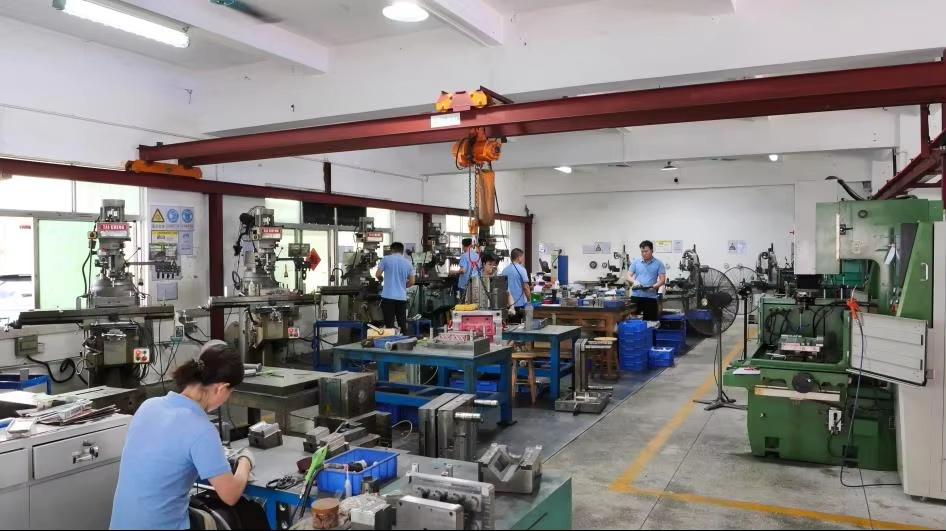
-
100% Inline Hi-Pot & Insulation Withstand Verification: Every unit leaving assembly passes computerized dielectric voltage tests (3000V AC primary to secondary, 1500V AC line to earth) ensuring zero electric shock risk.
-
Burn-In & Smart Aging Chambers: Integrated USB-C fast charging modules endure a minimum of 4 hours under full continuous resistive load in our automated 45°C ambient aging test bays.
-
In-House Mechanical & Chemical Laboratory: Dedicated test benches execute switch mechanical endurance (15k ops), salt spray anti-corrosion (48hr neutral), glow-wire 750°C/850°C, and wire strain relief drop tests.
-
Agile OEM/ODM Prototyping: Dedicated CAD/CAM tooling teams provide 3D aesthetic models in 48 hours, working functional CNC SLA samples in 7 days, and completed steel tooling within 25 days.
By bypassing intermediaries and sourcing directly from our verified manufacturing base, OEM partners benefit from consistent batch quality, comprehensive bill of materials (BOM) transparency, competitive unit economics, and tailor-made packaging configurations ready for immediate retail distribution.
B2B Procurement & Compliance Guide
Clear, technically rigorous answers addressing certification validity, customs clearance, component specifications, and supply chain minimums.
The CE marking covers compliance with EU Directives, specifically LVD (2014/35/EU) and EMC (2014/30/EU) for the integrated active electronics (USB boards). For the UK domestic market, passive AC plug and socket portions must satisfy the national British Standard BS 1363 under the 1994 Safety Regulations, while electronic sub-assemblies require UKCA declarations. We provide dual CE and UKCA test certification portfolios covering both European and British import requirements.
We strictly utilize high-grade Phosphor Bronze (CuSn6 / C5191) with an elastic resilience modulus far superior to standard brass. The conductive tracks maintain an exact minimum thickness of 0.6mm (0.8mm for high-power industrial models) to minimize electrical impedance and limit temperature rise below 45K when subjected to continuous 13A overload currents in accordance with BS 1363-2.
Yes. Every UK plug molded onto our extension leads houses a certified BS 1362 sand-filled ceramic cartridge fuse (ASTA or BSI Kitemark certified), rated typically at 13A (or customized to 3A/5A depending on customer cable gauge choices). The sand-filling ensures immediate high breaking capacity arc quenching (up to 6,000 Amperes at 240VAC) during catastrophic short-circuit conditions.
Our outer shells are injection molded using virgin Polycarbonate (PC) or PC/ABS alloy with flame retardants rated to UL94 V-0. This ensures that in the event of an abnormal electrical arc, the material self-extinguishes within 10 seconds without dropping molten plastic. In addition, all materials pass 750°C and 850°C Glow-Wire Flammability Index (GWFI) testing.
Completely. We offer end-to-end OEM and ODM support. Sourcing clients can configure cable lengths (from 1.0m to 10m in H05VV-F 3G1.25mm² or 3G1.5mm² specs), specify custom exterior Pantone hues, select silk-screened or laser-engraved branding, and choose between eco-friendly biodegradable craft boxes or high-gloss full-color retail gift packaging with master outer cartons.
Our GaN chargers feature integrated NTC (Negative Temperature Coefficient) thermistors coupled with intelligent power allocation ICs. If ambient temperatures inside the strip exceed 85°C due to simultaneous high-power AC and DC loading, the controller dynamically steps down the USB-C charging wattage (e.g., from 65W to 45W or 30W), preventing hardware stress while maintaining total user safety.
Standard MOQs for branded OEM production start at 1,000 units per SKU (with lower batch allowances for initial trial market evaluations). Pilot production lead times average 15 business days following sample sign-off, while repeat mass orders typically ship within 25 to 30 days FOB Shenzhen or CIF European/UK destination ports.
Yes, transparent audits are welcome. Having achieved onsite verification by TÜV Rheinland, our manufacturing operations maintain full ISO 9001 quality management procedures. We facilitate full access for your nominated third-party inspection agencies to conduct during-production (DUPRO) and final random inspections (FRI) based on standard ISO 2859-1 (AQL 1.0/2.5) protocols.
Our multi-stage surge protector strips utilize premium MOVs paired with thermal cutoffs and ceramic gas discharge tubes (GDT). We incorporate line-to-neutral (L-N), line-to-earth (L-E), and neutral-to-earth (N-E) three-pole protection with ratings up to 1750 Joules. Front-facing LED indicators visually signify active surge status, alerting users if a major electrical transient has exhausted MOV capacity.
Every export container is accompanied by valid test reports certifying compliance with the RoHS Directive 2011/65/EU (and amendment 2015/863/EU for 10 hazardous substances) and European Regulation (EC) No 1907/2006 (REACH) regarding Substances of Very High Concern (SVHC). Full Declarations of Conformity (DoC) and material safety datasheets (MSDS) are provided with shipping documentation.
Accelerate Your Electrical Supply Chain with Direct Factory Pricing
Consult with our senior electrical application engineers to review technical specs, request certified laboratory test reports, or develop custom tooling configurations tailored precisely for your market.