Navigating High-Spec Electrical Power Distribution in 2025
For global procurement officers, category directors, and engineering distributors, sourcing electrical extension strips and smart surge protectors from China has transitioned from simple cost optimization to an imperative of co-development velocity, GaN thermal architecture, and stringent electrical safety compliance.
Rigorous Structural Integrity
Low-tier power taps often suffer from high contact resistance and dangerous operating temperatures caused by cheap brass-stamped split connections. Premier Chinese manufacturing relies on integrated phosphor bronze (CuSn6/CuSn8) busbar stampings, maintaining a minimum 0.5–0.6mm thickness. This eliminates high-resistance solder joints, dampens thermal rise under 16A continuous loads, and survives more than 10,000 insertion cycles without contact fatigue.
High-Density GaN Fast Charging
The convergence of AC mains distribution with high-wattage DC Power Delivery (PD 3.0 / PD 3.1) introduces severe electromagnetic interference (EMI) and localized thermal stress. Top-tier ODM suppliers solve this through Gallium Nitride (GaN III/IV) power controllers, planar transformer topologies, and flame-retardant potting compounds, delivering 65W to 100W PD outputs in ultra-compact cube and tower enclosures without exceeding international UL/IEC touch-temperature thresholds.
Full-Chain Turnkey Scalability
Navigating regional certification (UL 1363 / UL 1449 in North America, CE-LVD / VDE / IEC 60884 across Europe, UKCA / BS 1363 in the United Kingdom, and PSE Diamond in Japan) requires deep in-house capabilities. Operating in-house mold making, SMT lines, automated wave soldering, and glow-wire testing cuts new tool validation from 180 days down to 35–45 days, securing supply chain resiliency against volatile geopolitical headwinds.
Featured Export-Grade Power Strips & Extension Sockets
Engineered for brand distributors, retail programs, and high-spec corporate installations. Every model is fully customizable in cable cross-section, enclosure color, smart IC protocols, and private-label packaging.
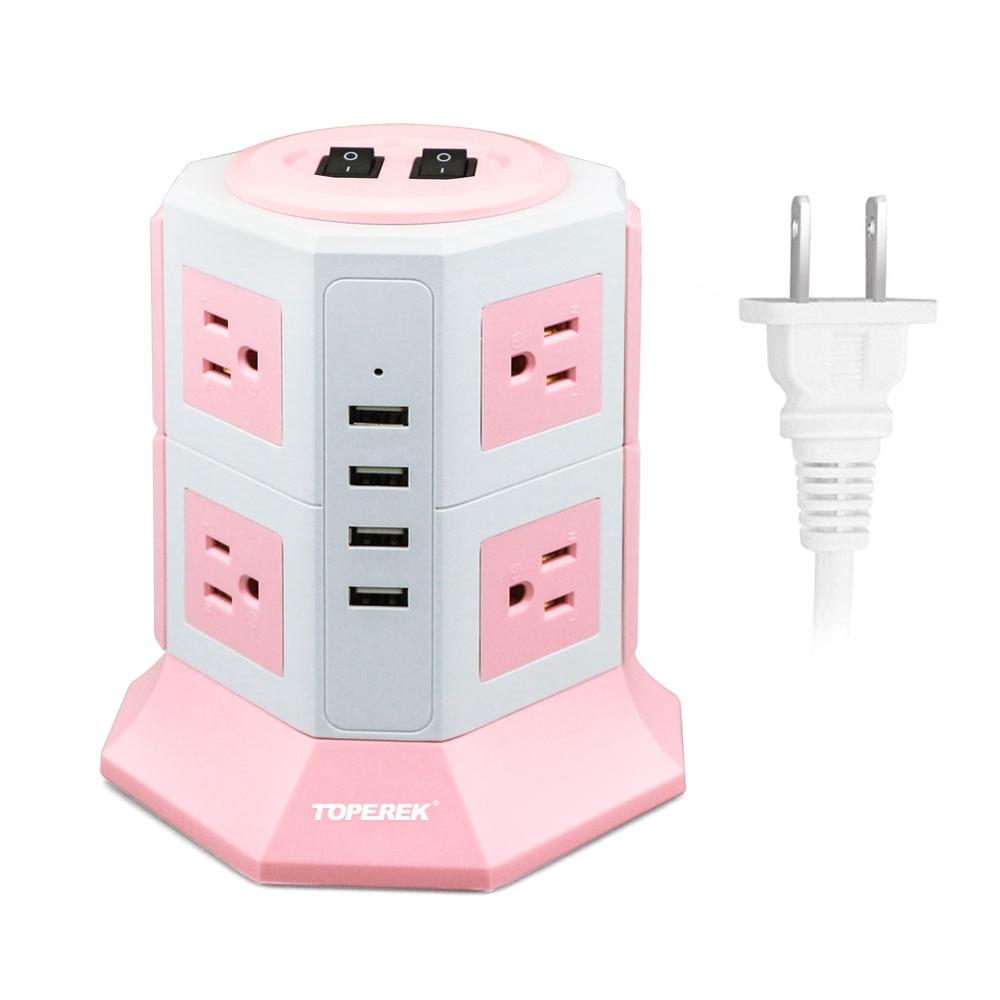
Japanese Standard Vertical Socket 4 USB Charging Ports Extension Socket Power Electrical Switch / Strip
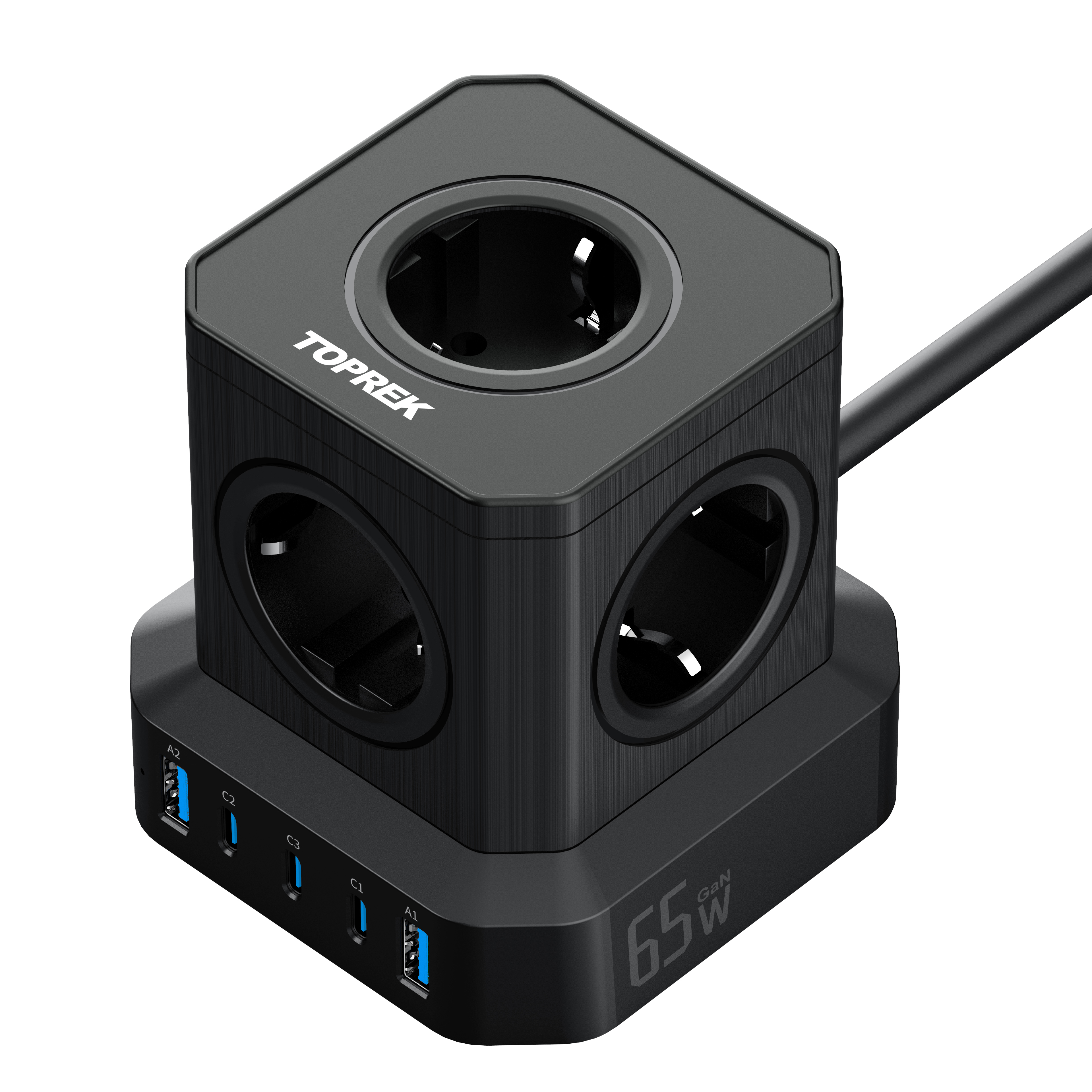
TOPEREK EU Type Electric Extension Socket 5 Outlets 3 Type C USB Ports 65W PD Surge Protector Fire Retardant Power Strip 2m
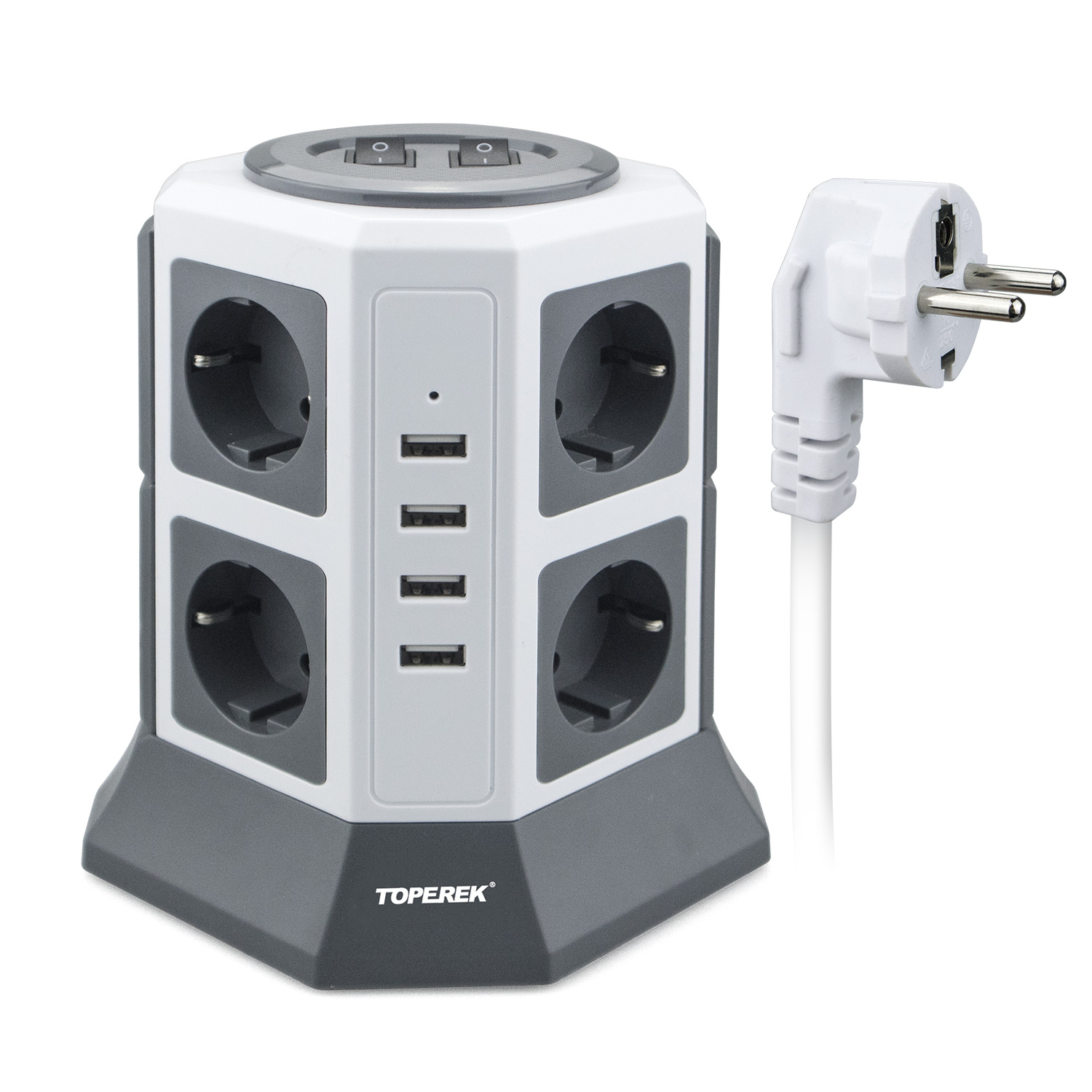
2022 Europe Standard 8 Outlets 4 USB Ports 16A Fire Retardant Extension Socket with Vertical Tower Smart Plug
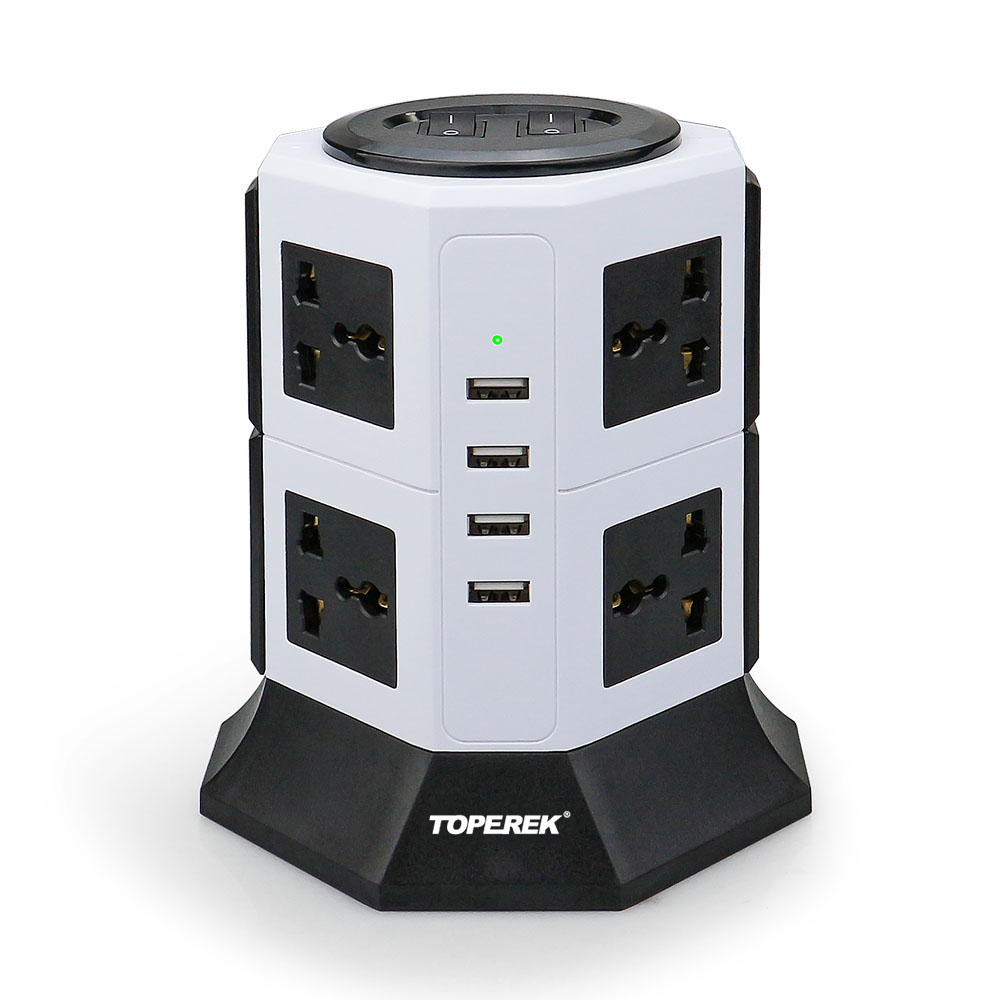
Universal Power Socket Tower Usb Charging Socket
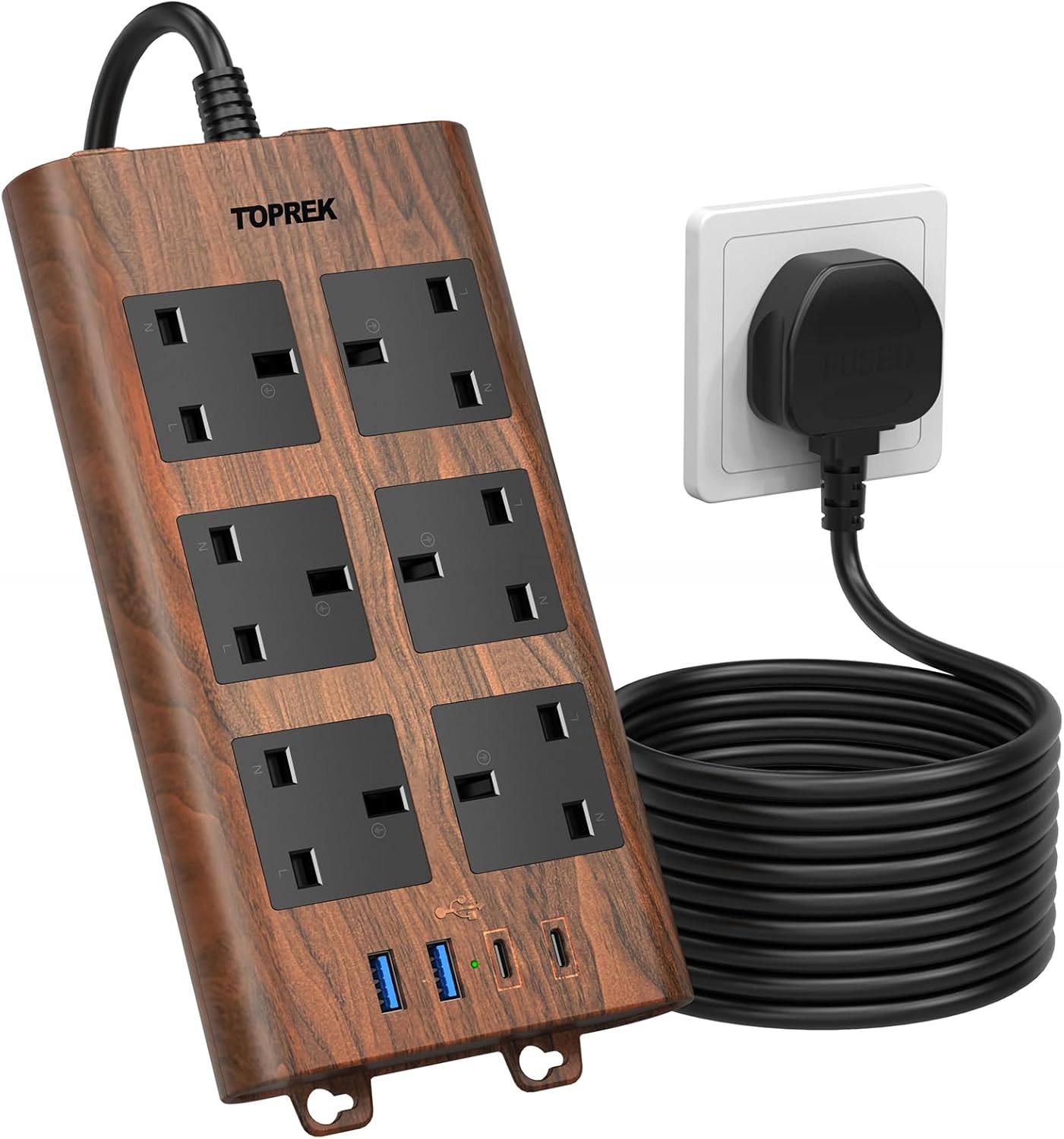
Power Extension Board with Usb Port Wood Grain 6 Way Extension Lead Surge Protection, 13A/3250W, Extension Cable 2M
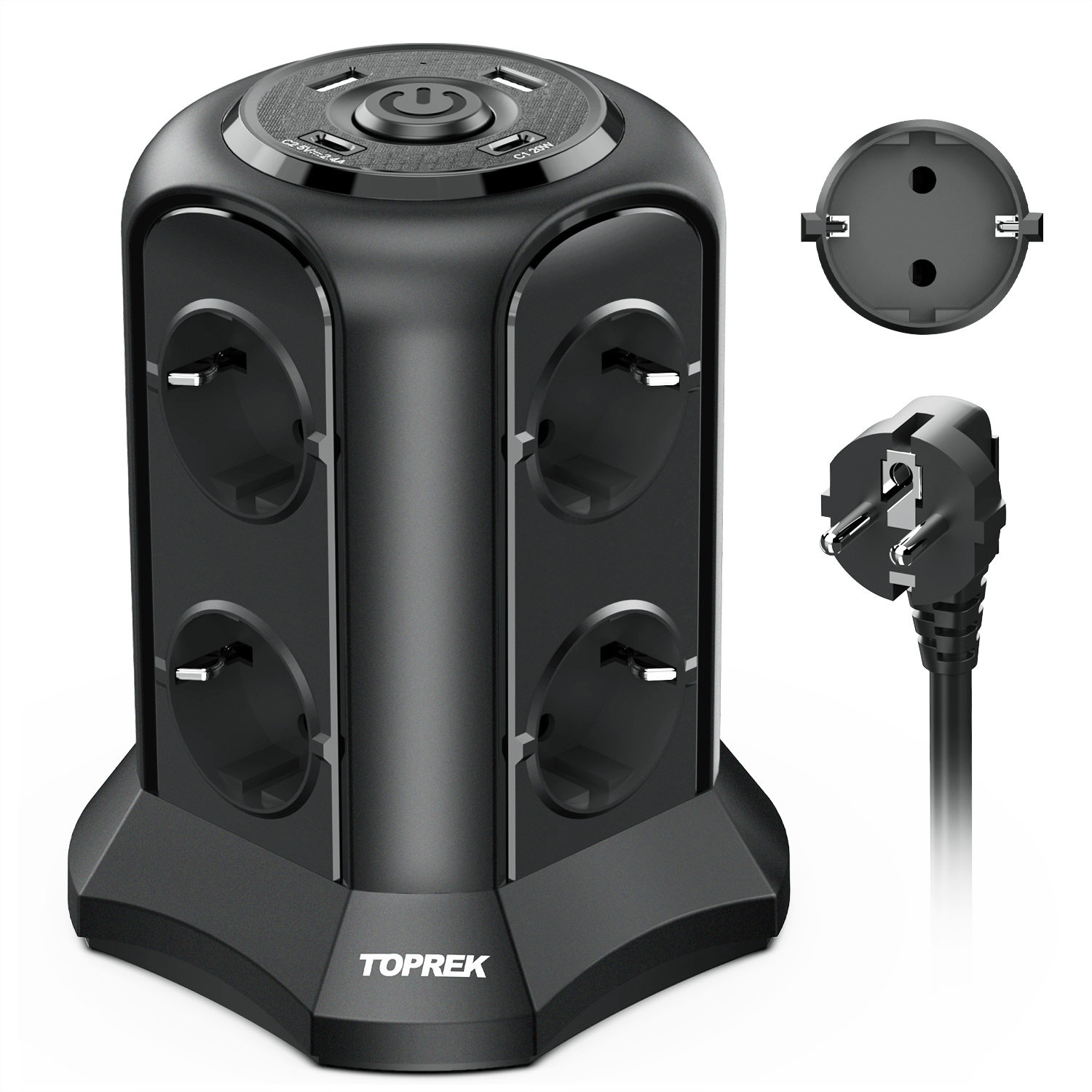
New Design Multi-function 220V Tower European Power Strip 8 EU Power Outlets With 2 USB-C and 2 USB-A
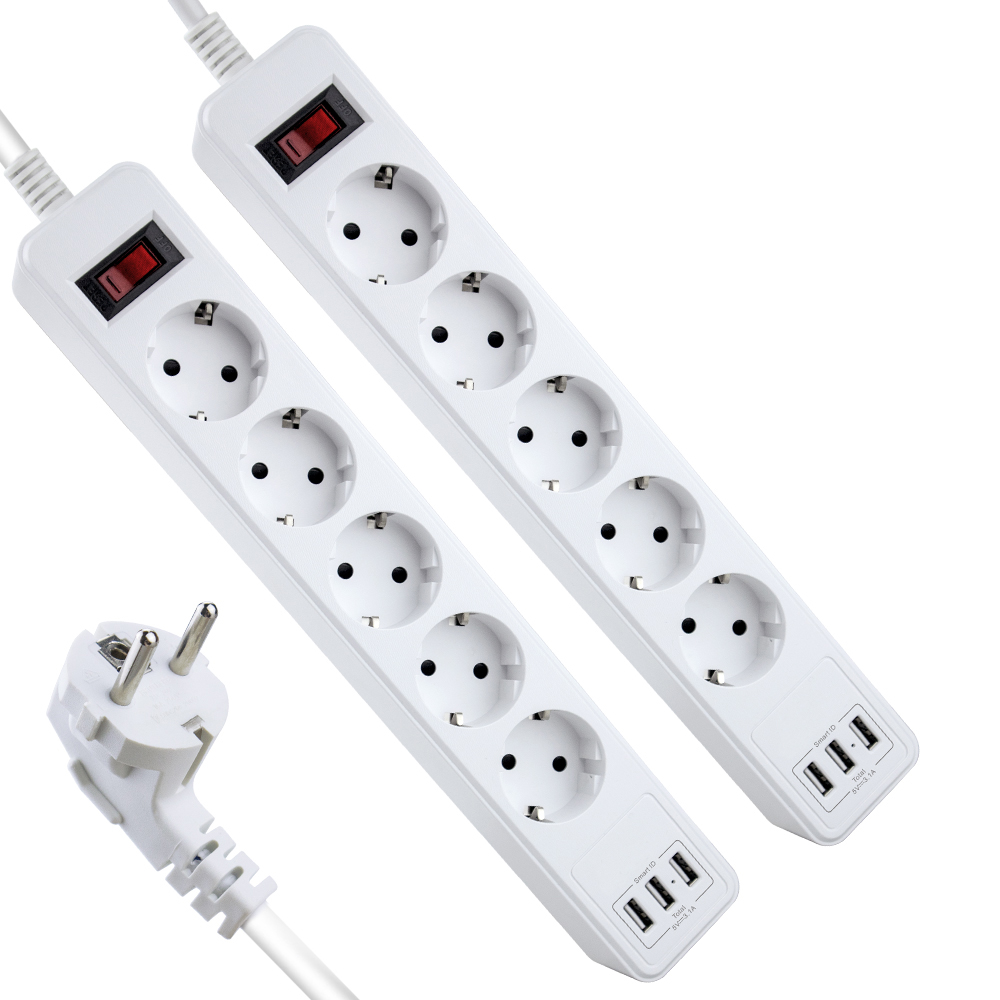
OEM EU Extension Socket 16A 5 Outlets 3 USB Ports 5V 3.1A 2M Pure Copper Cable Fire Retardant ABS+PC Overload Protection
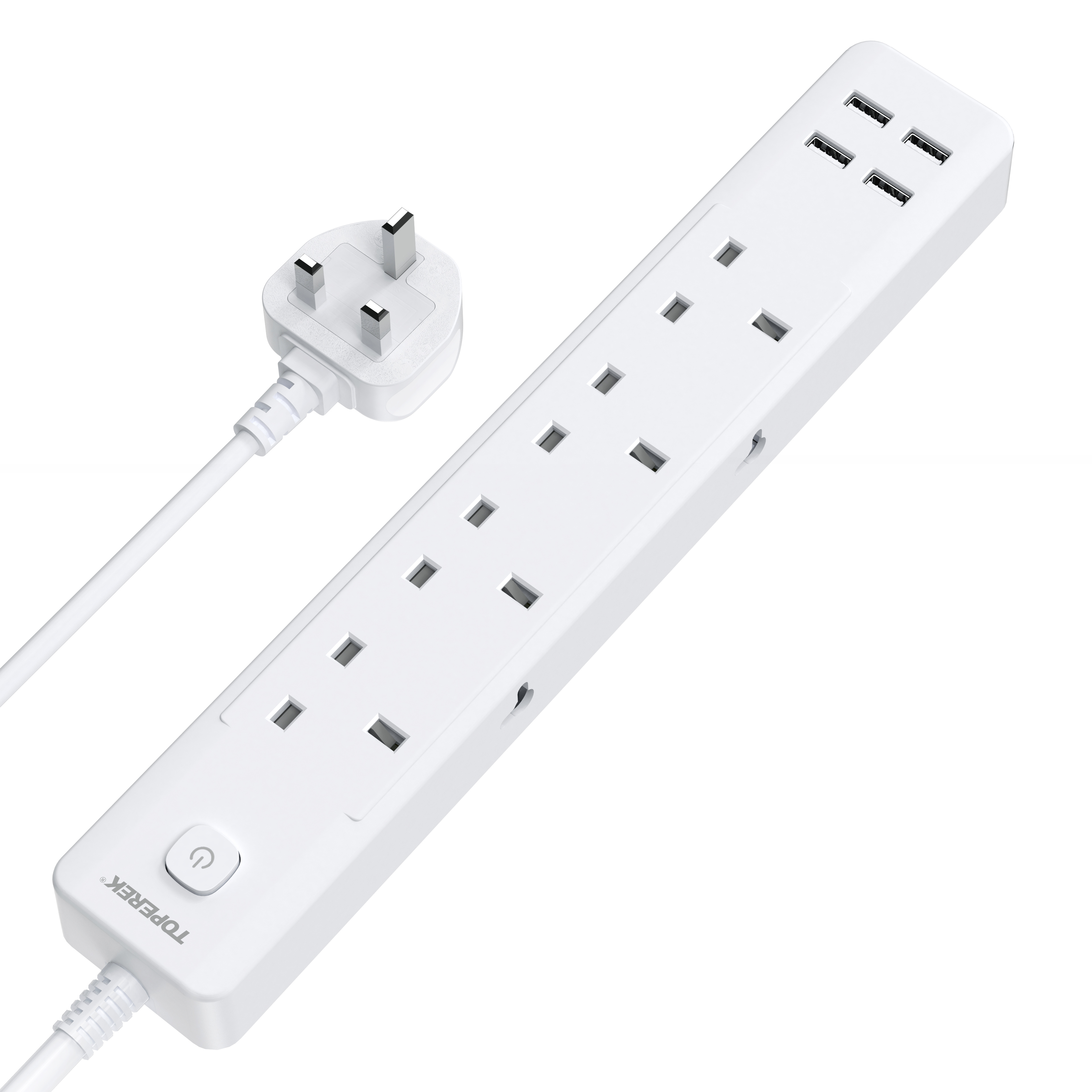
13A Fire Retardant Extension Power Socket with 4 USB Ports and 2m Cable for Dorm Room Essentials
Modern Production Facility
Verified In-House Personnel
Years Precision OEM/ODM History
Inline Withstand-Voltage Tested
Global Electrical Compliance & Engineering Matrix
Understanding the technical delta between export destinations prevents catastrophic customs seizures and product recalls. We engineer every SKU around native standards.
| Target Region | Plug & Socket Topologies | Voltage / Current Envelope | Key Standard Directives | Critical Factory Testing Checkpoints |
|---|---|---|---|---|
| North America (US/CA) | NEMA 5-15R, NEMA 5-20R (Type B) Grounded | 120V AC, 15A / 1875W Max (14AWG Cord) | UL 1363 / UL 1449 4th Ed | Dielectric withstand test (1500V/1min), MOV clamping voltage verification, grounding impedance < 0.1Ω. |
| European Union (EU) | CEE 7/3 Schuko (Type F), CEE 7/5 (Type E) | 230V–250V AC, 16A / 3680W–4000W | IEC 60884-1 / VDE 0620 | 850°C Glow-wire flammability test, child-safety shutter retention force (> 20N), IP20 ingress validation. |
| United Kingdom (UK) | BS 1363 / Type G (Fused Plug Top) | 230V–240V AC, 13A / 3120W–3250W | BS 1363-2 / UKCA | 13A ASTA ceramic fuse integration, shutter mechanism sequencing (earth-pin driven), drop & tumble impact. |
| Japan (JP) | JIS C 8303 (Type A ungrounded, Type B grounded) | 100V AC, 15A / 1500W Max | PSE Diamond Mark | Tracking-resistant urea resin inserts, high-temperature ball pressure testing, tracking index CTI > 175. |
| Australia / New Zealand | AS/NZS 3112 (Type I, Insulated Pins) | 240V AC, 10A (2400W) / 15A | SAA / RCM Mark | Insulated live-pin dimensions, lateral strain torque tests, continuous thermal run under 100% rated current. |
Shenzhen Laxvi Technology Manufacturing Ecosystem
Unlike trading intermediaries, our Pinghu production headquarters integrates all core phases of electrical hardware manufacturing under one roof—ensuring total process traceability.
In-House Mold & Tooling
Equipped with high-precision CNC machining centers, precision wire-cutting, and EDM spark machines. We design, mill, and maintain our own multi-cavity injection molds, dramatically lowering NRE costs for custom form factors.
Automated High-Speed SMT
Dedicated surface-mount technology lines place miniature GaN components, synchronous rectification controllers, and MCU units with precision. Automated Optical Inspection (AOI) prevents soldering bridges and misalignments.
Ultrasonic & Spot Welding
We eliminate hand-soldered AC wire junctions wherever possible. Enclosures are sealed using high-frequency ultrasonic welders for tamper resistance, while pure copper wiring is bonded via pneumatic precision spot welding.
TÜV-Verified QC Lab
Our comprehensive testing facility conducts inline 100% Hi-Pot dielectric tests, glow-wire flame tests, switch mechanical endurance tests (10,000+ operations), salt-spray anti-corrosion, and 4-hour full-load smart aging cycles.
Future Sourcing & Engineering Trends (2025–2030)
Procurement directors who position their product portfolios ahead of regulatory shifts capture premium retail margins. Here are the three dominant technological trajectories reshaping the global power strip sector.
1. Monolithic 140W GaN PD 3.1 Integration
External wall warts are becoming obsolete. The standard 20W/30W USB-A modules integrated into traditional power strips are yielding to 100W–140W USB-C Extended Power Range (EPR) modules capable of powering demanding workstations and high-performance gaming laptops directly from the extension tap. Achieving this requires advanced thermal heat spreaders, silicone potting encapsulation, and dynamic power reallocation algorithms.
2. Matter-Over-Thread & Sub-Outlet Telemetry
Smart power boards are transitioning away from proprietary 2.4GHz Wi-Fi chipsets toward universal Matter-over-Thread ecosystems. Furthermore, commercial B2B buyers require real-time current, voltage, and true RMS wattage monitoring per individual socket outlet, facilitating automated carbon footprint audits and ESG energy telemetry in enterprise workplace deployments.
3. Halogen-Free Post-Consumer Resin (PCR)
European and North American environmental directives (such as EU Ecodesign and Extended Producer Responsibility) are driving aggressive demand for 30% to 75% Post-Consumer Recycled (PCR) polycarbonates. The manufacturing challenge lies in formulating PCR blends that maintain V-0 self-extinguishing ratings and pass strict 750°C glow-wire flammability tests without compromising structural drop durability.
Frequently Asked Questions for B2B Importers
Addressing technical feasibility, minimum order volumes, tooling amortization, and compliance testing protocols.
Q: What is the mechanical difference between stamped busbars and point-to-point wire soldering?
Point-to-point soldered strips rely on multi-strand copper wires hand-soldered to individual receptacle clips. Under sustained 16A inductive or resistive loads, solder joints undergo thermal cycling degradation, creating high electrical resistance and fire hazards. An integrated busbar uses a continuous, automated progressive stamped phosphor bronze strip. This ensures uniform contact pressure, superior heat dissipation, and zero risk of cold-solder joint fractures.
Q: How does your engineering team manage thermal dissipation on high-power 65W/100W GaN models?
We implement a three-tier thermal strategy: (1) Planar transformers with ultra-thin magnetic cores that spread eddy-current losses; (2) High thermal-conductivity epoxy potting compound filling the internal DC module cavity to bridge heat directly to the exterior shell; and (3) Physical isolation baffles keeping the AC busbars thermally decoupled from the fast-charging semiconductor heat sinks.
Q: Can Laxvi assist with customized tooling and regional safety testing (UL, VDE, PSE)?
Yes. We offer complete ODM co-engineering. Our engineers simulate mold flow, construct rapid CNC prototypes, and mill production tooling in our Shenzhen facility. We pre-test units in our in-house lab before submitting golden samples to accredited third-party laboratories (such as TÜV Rheinland, Intertek, or UL Solutions), significantly reducing turnaround time and testing failure risks.
Q: What are the standard MOQs and production lead times for customized OEM programs?
For standard models featuring custom logo silk-screening, bespoke cord lengths, and customized gift-box packaging, our standard MOQ is typically 1,000 to 2,000 units per batch. For custom injection-molded colors or unique internal PCB layouts, MOQ starts at 3,000 units. Production turnaround for repeat orders is maintained at 25–30 days following sample sign-off and deposit receipt.
Q: How do your surge protector power strips perform under transient voltage spikes?
Our surge-protected lines incorporate high-energy Metal Oxide Varistors (MOVs) matched with high-temperature thermal cut-offs (TCO). In the event of a severe lightning-induced spike or grid surge, the MOVs clamp down in less than 1 nanosecond, shunting excess current to ground. If continuous overvoltage occurs, the integrated thermal fuse opens cleanly to prevent casing ignition, adhering strictly to UL 1449 and IEC 61643-11 parameters.
Q: What flame-retardant grade is utilized for your outer plastic housings?
We exclusively utilize virgin Polycarbonate (PC) or engineered PC/ABS alloys rated UL 94 V-0. This ensures that in the event of an abnormal electrical arc or glowing wire contact, the plastic housing will self-extinguish within 10 seconds without producing flaming drips. Every raw material batch is validated via glow-wire test apparatus at temperatures up to 850°C before entering our injection hoppers.