Engineered Multi-Plug Extension Sockets: Flagship Lineup
Configured with flame-retardant PC/ABS housings, heavy-gauge phosphor bronze conductors, and multi-stage surge attenuation. Designed for commercial, residential, and IT power distribution worldwide.
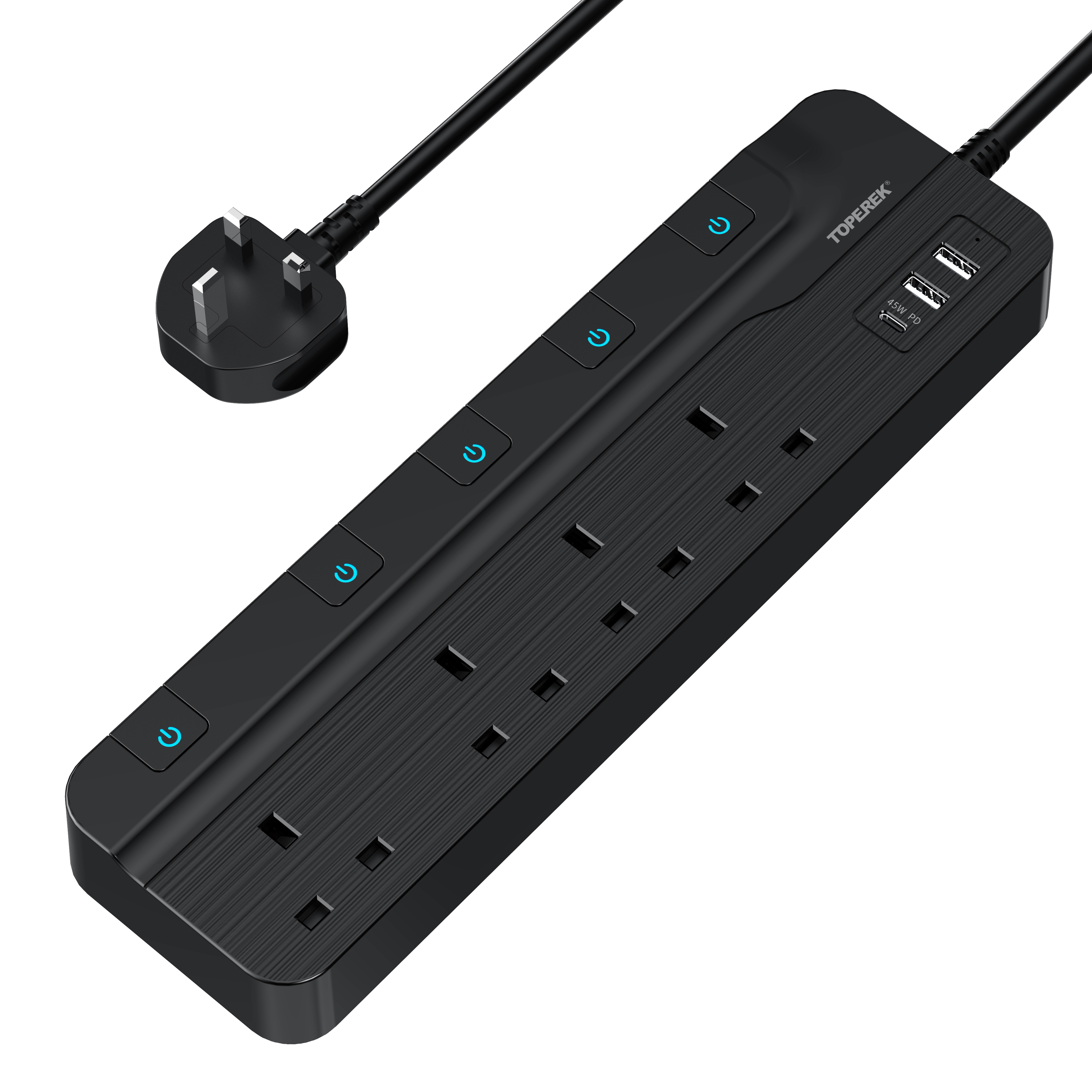
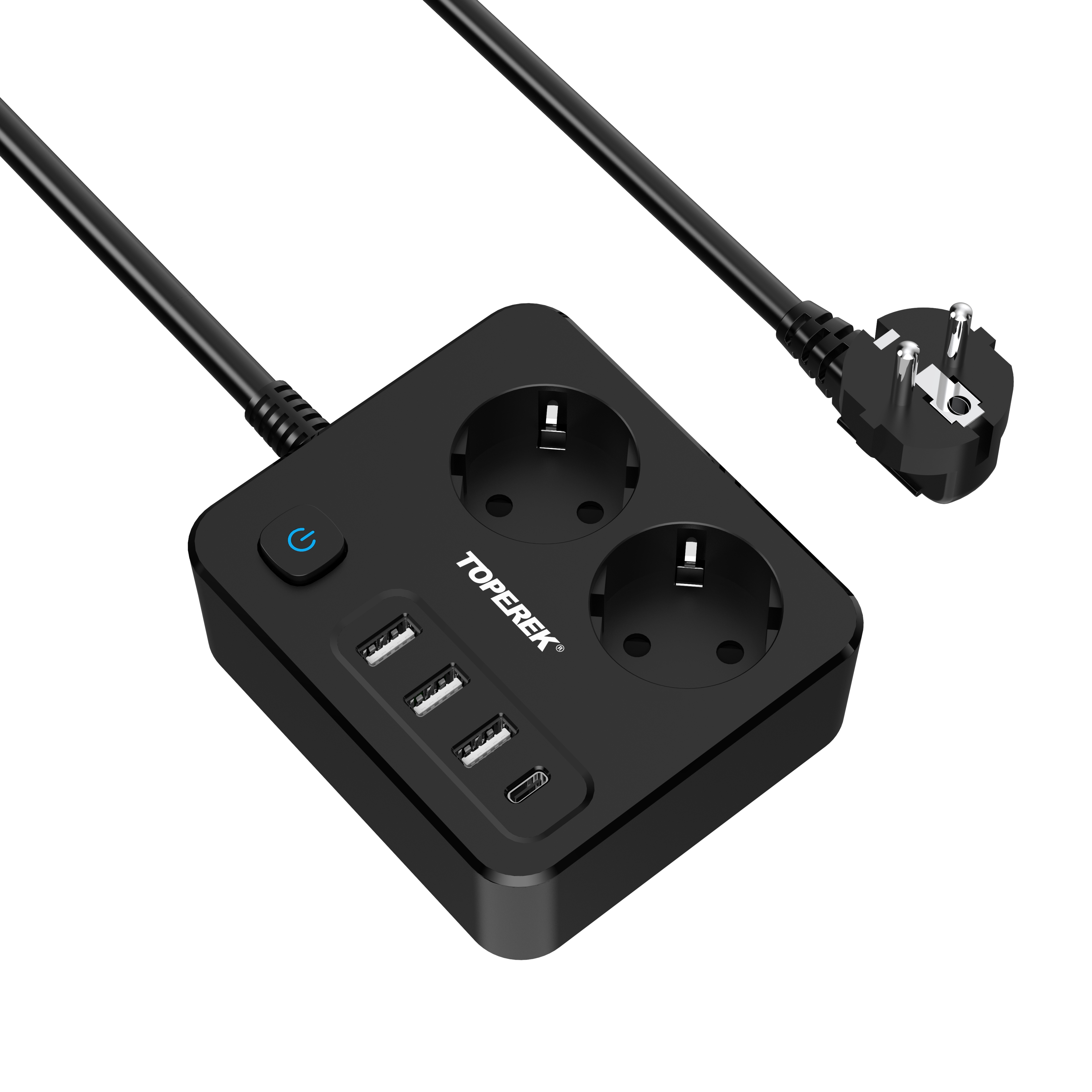
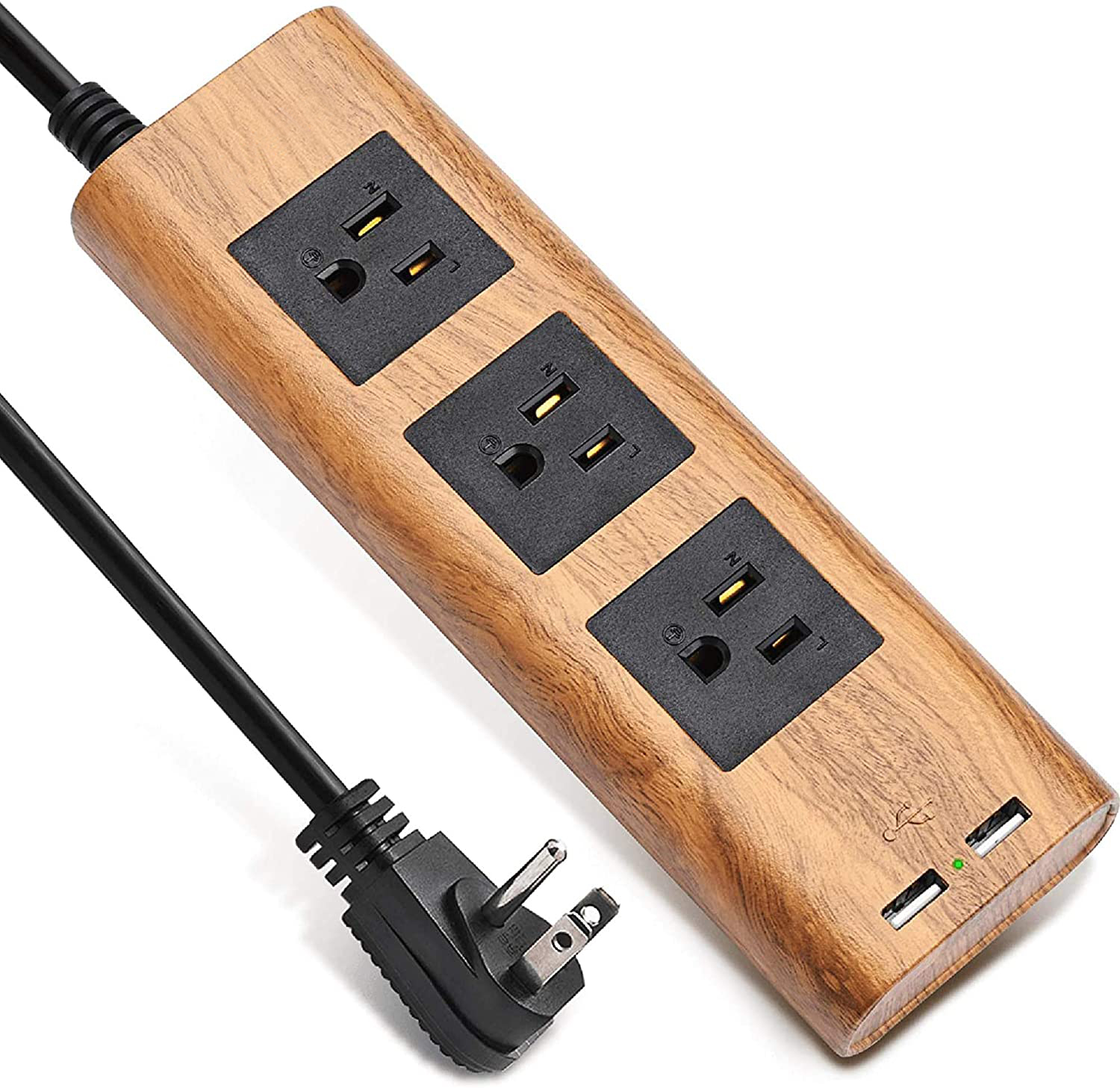
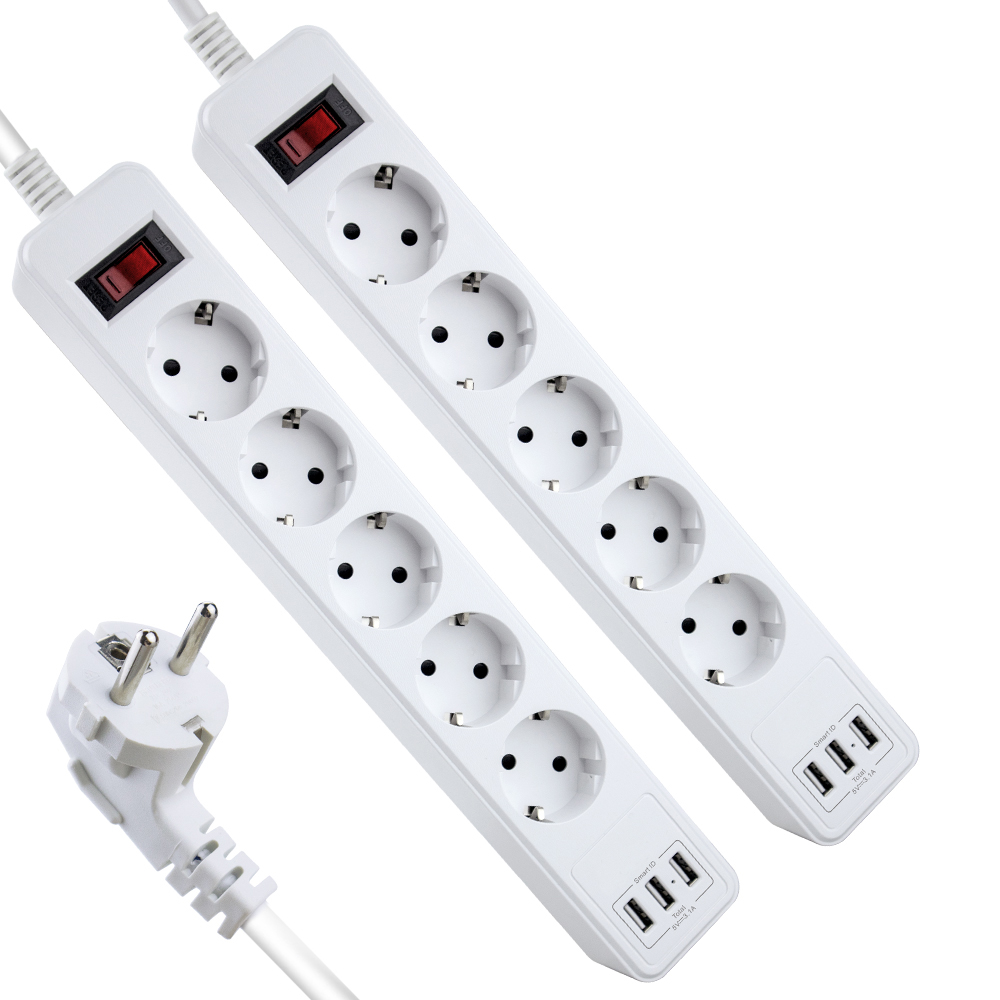
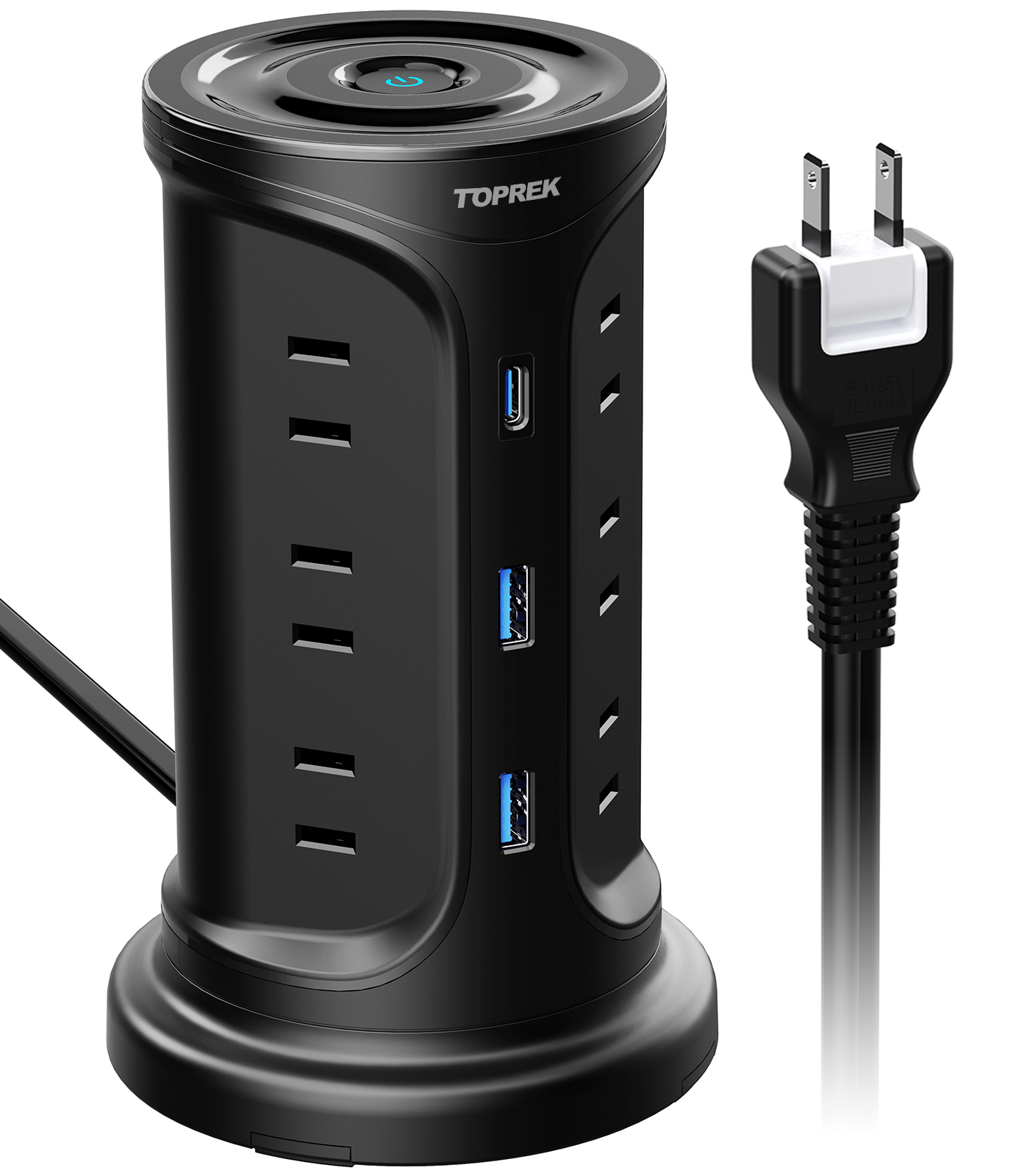
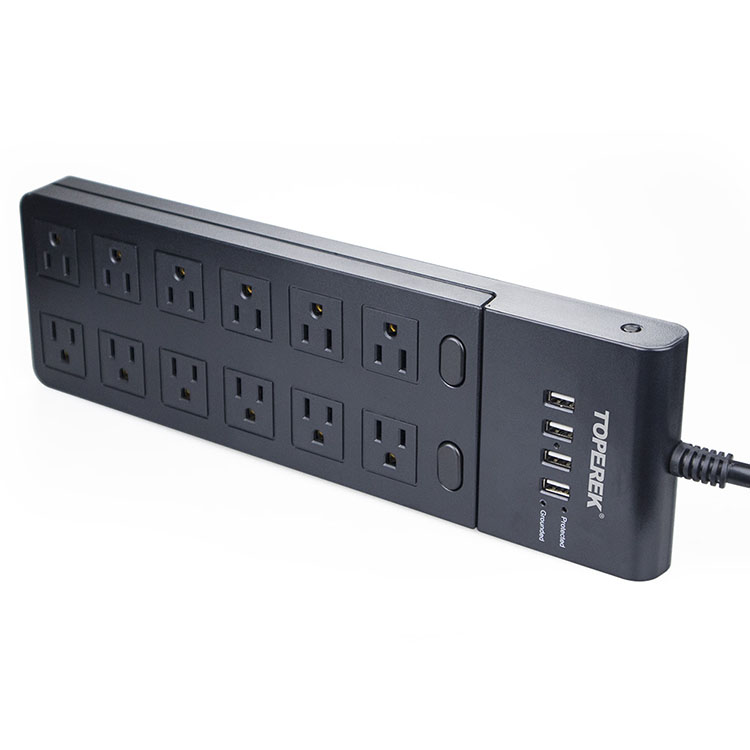
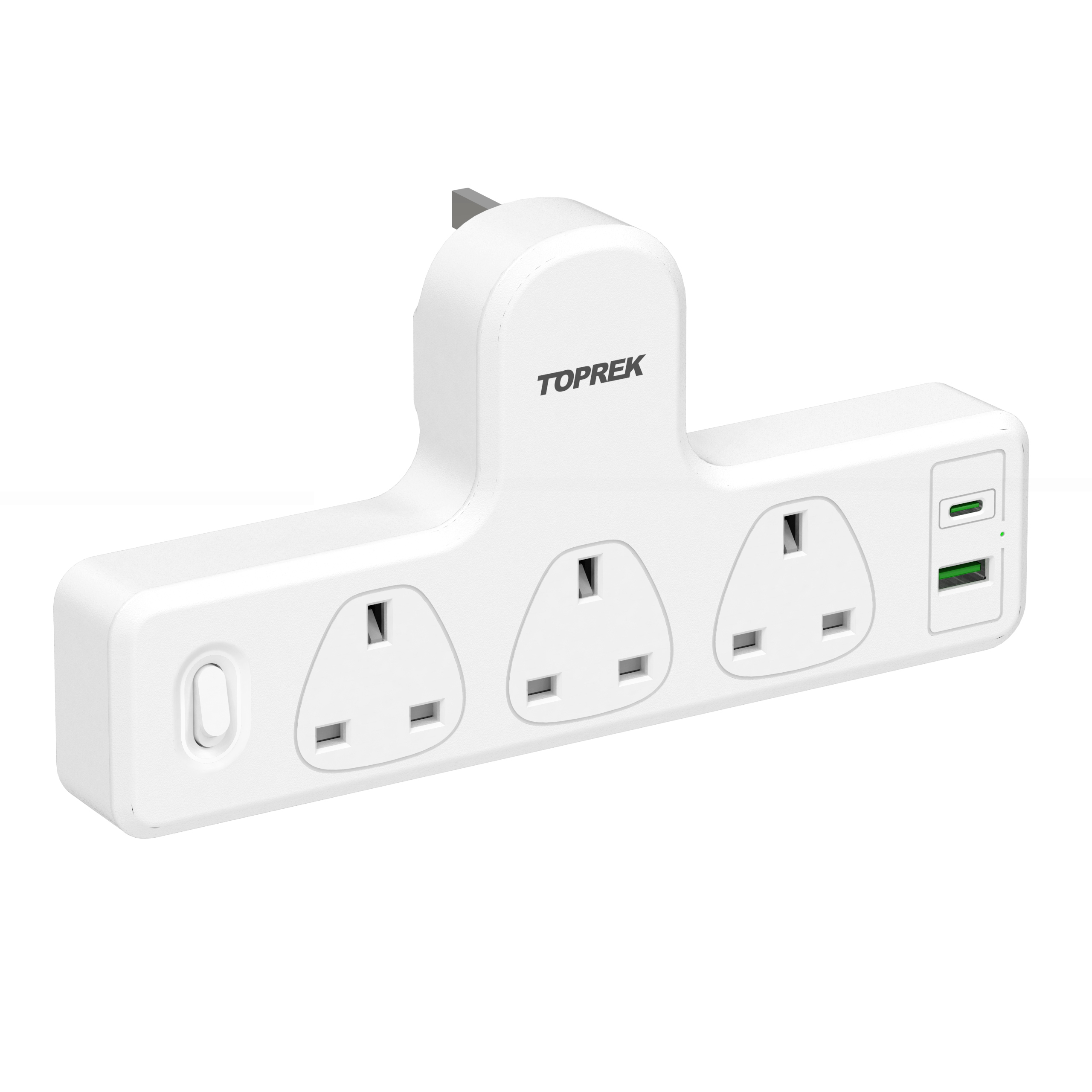
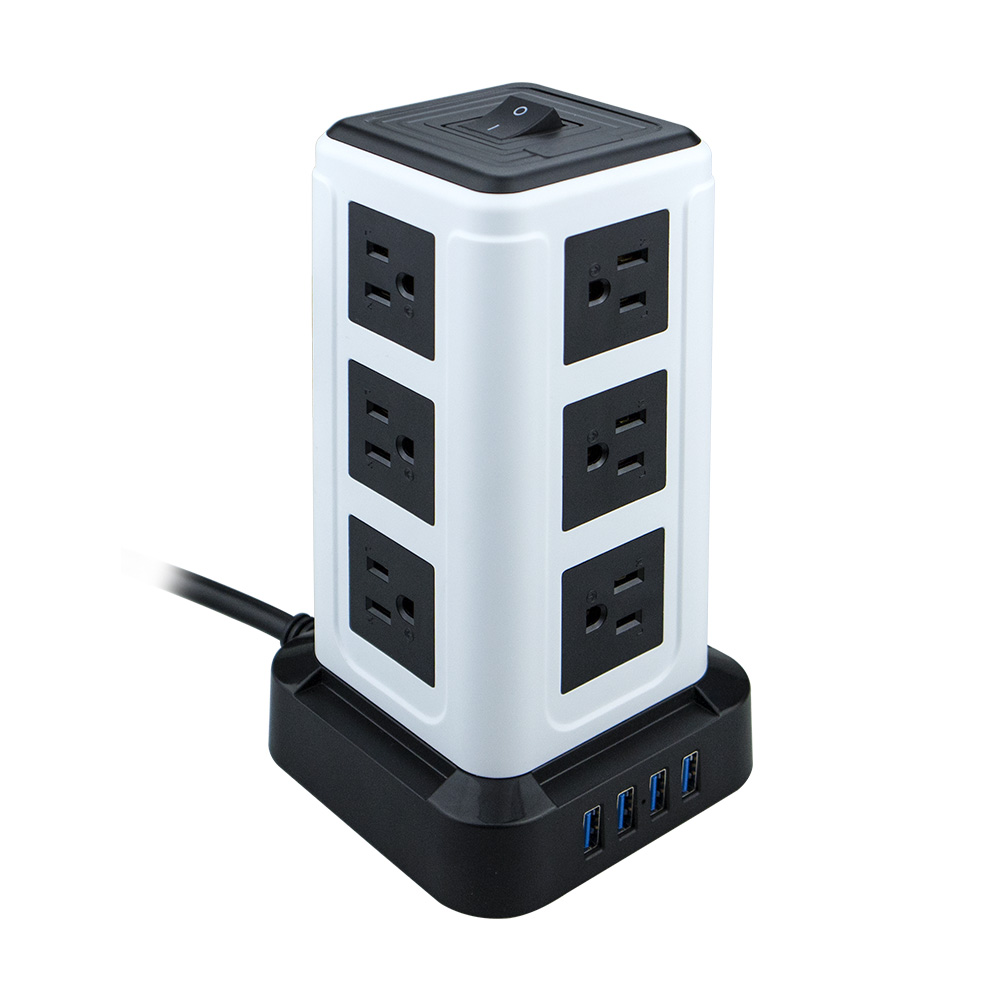
Critical Engineering Standards in Modern Electrical Multi-Plug Sockets
In the era of concentrated desk power architectures, high-load workstations, and rapid integration of Gallium Nitride (GaN) fast-charging modules, commercial multi-plug extension sockets have evolved from rudimentary passive conductors into sophisticated power management interfaces. Sourcing from a premier Chinese original equipment manufacturer (OEM) demands a comprehensive understanding of internal conductor topologies, dielectric breakdown dynamics, temperature-rise thermodynamics, and regional regulatory compliance.
Inferior extension sockets frequently rely on hand-soldered point-to-point wiring or stamped iron-plated brass alloy strips, introducing localized high-resistance contact interfaces that trigger thermal runaway under prolonged high-amperage loads. As a dedicated OEM/ODM export facility operating in Pinghu, Shenzhen, our technical standard utilizes integrated phosphor bronze (QSn6.5-0.1) continuous buss-bar structures. By eliminating internal solder junctions between socket bays, the systemic resistance drops by over 38%, ensuring contact pin retention exceeds 15,000 continuous insertion/extraction cycles without contact degradation or micro-arcing.
Conductor & Structural Architecture: Industrial Comparison
| Evaluation Parameter | Laxvi Industrial-Grade Standard | Conventional Commercial Strips | Compliance Test Benchmark |
|---|---|---|---|
| Internal Conductor | One-piece punched phosphor bronze buss-bar (0.60–0.80mm) | Spliced copper-clad iron or point-soldered wire jumpers | IEC 60884-1 Clause 22 / BS 1363-2 |
| Enclosure Enveloping | Bayer Virgin Polycarbonate + ABS blend (UL94 V-0 rated) | Recycled ABS / PP polymers (UL94 HB or V-2) | UL94 Vertical Flame / Glow-Wire 850°C |
| Conductor Core (Cable) | Oxygen-free pure copper wire (3×1.5mm² to 3×2.5mm²) | Copper-clad aluminum (CCA) or undersized 0.75mm² core | IEC 60227-5 / EN 50525-2-11 / UL 62 |
| Thermal Rise Threshold | ΔT ≤ 30K at rated current (16A / 13A steady state) | ΔT ≥ 55K under 80% continuous nominal current | IEC 60884 Clause 19 / BS 1363 Temperature Rise |
| Surge Suppression Module | Class III thermally protected MOV network (1050J–2100J) | Basic single-MOV without thermal cut-off link | UL 1449 4th Ed. / EN 61643-11 SPD Type 3 |
| Dielectric Withstand | 2000V AC / 50Hz for 60 seconds (leakage < 5mA) | 1200V–1500V AC testing (non-uniform inline QC) | Factory 100% Inline Hi-Pot Testing |
Strategic Sourcing Trends for Global Multi-Plug Socket Buyers (2025–2030)
Procurement managers representing consumer electronics brands, hypermarkets, and office furnishing groups must align their supply chain pipeline with shifting consumer behaviors and tightening international regulations. Sourcing strategies are moving beyond rudimentary power delivery toward embedded semiconductor efficiency and smart infrastructure management:
High-Density GaN Integration
Demand for traditional 5V/2.4A USB ports has collapsed. Enterprise buyers are shifting toward internal Gallium Nitride (GaN III/IV) power stages outputting 45W, 65W, and 100W via USB Power Delivery 3.1 protocols. This eliminates bulky laptop adapters and optimizes desktop space, creating high-margin consumer products.
Matter & Local IoT Control
Smart power strips are transitioning from proprietary Wi-Fi applications to standardized Matter-over-Thread and Zigbee 3.0 ecosystems. B2B procurement portfolios require products capable of bi-directional power metering, standby-power elimination, and autonomous scheduling without cloud vendor lock-in.
Sustainable Circular Formulations
With the rollout of EU Corporate Sustainability Due Diligence and Eco-design directives, tier-one retailers demand extension sockets molded from 30% to 85% Post-Consumer Recycled (PCR) polycarbonates, halogen-free wiring assemblies, and 100% plastic-free unbleached kraft retail packaging.
Active Arc Fault & Thermal Cutoff
Next-generation extension sockets integrate micro-sensors detecting series and parallel arc faults (AFDD) before electrical fire ignition occurs. Coupled with mechanical shutters exceeding 75N child-resistance force, safety specifications are transitioning from passive containment to active prevention.
Modular Desktop Topologies
Buyers in commercial fit-outs are prioritizing vertical tower form factors and clamp-on modular units over horizontal floor strips. Vertical architectures provide 360-degree accessibility, isolate AC power lines from low-voltage data cables, and preserve floor cleanliness in modern open-plan spaces.
R&D Horizons in Multi-Outlet Power Engineering
Miniaturization without thermal penalty represents the holy grail of extension socket engineering. Integrating high-wattage step-down transformers into compact PCBA enclosures introduces significant thermal concentration. Laxvi’s R&D laboratory tackles this through three proprietary technological deployments:
1. Planar Magnetic Transformers: In lieu of conventional wire-wound transformers that occupy excessive vertical clearance and exhibit high leakage inductance, our engineering team implements multi-layer planar transformers directly etched onto FR-4 high-Tg PCBs. This lowers transformer volume by 52%, decreases parasitic capacitance, and maintains thermal equilibrium under 100W continuous output.
2. Phase-Change Thermal Conductive Gels: Thermal dissipation inside closed UL94 V-0 enclosures presents severe constraints since ventilation cutouts are prohibited by IP2X ingress standards and safety rules. We utilize aerospace-derived silicone-free potting matrices that transfer heat from primary MOSFETs directly to the terminal chassis, dissipating heat uniformly without hotspots.
3. Dual-Channel Dynamic Load Balancers: Power sockets with multi-port USB arrays frequently suffer from renegotiation flickers where existing connections disconnect when a secondary peripheral is plugged in. Our Smart-IC microcontroller manages dynamic current negotiation in real-time, redistributing wattage without resetting active charging profiles.
Why Global Brands Entrust Their Multi-Socket Programs to Laxvi
Founded in 2013 and headquartered in Pinghu, Shenzhen, Shenzhen Laxvi Technology Co., Ltd. operates a vertically integrated 11,600 square-meter facility staffed by over 340 skilled specialists. On-site audits conducted by TÜV Rheinland affirm our physical production lines, test equipment inventory, and operational capacities.
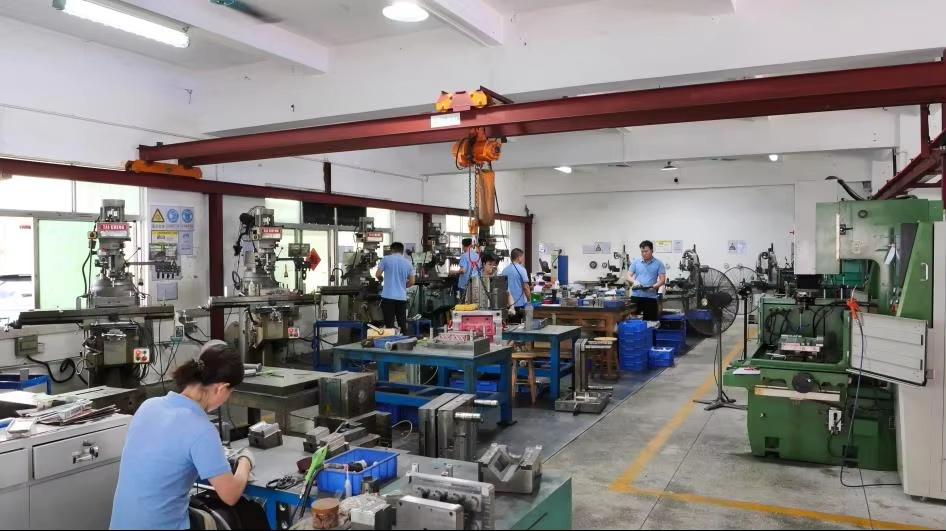
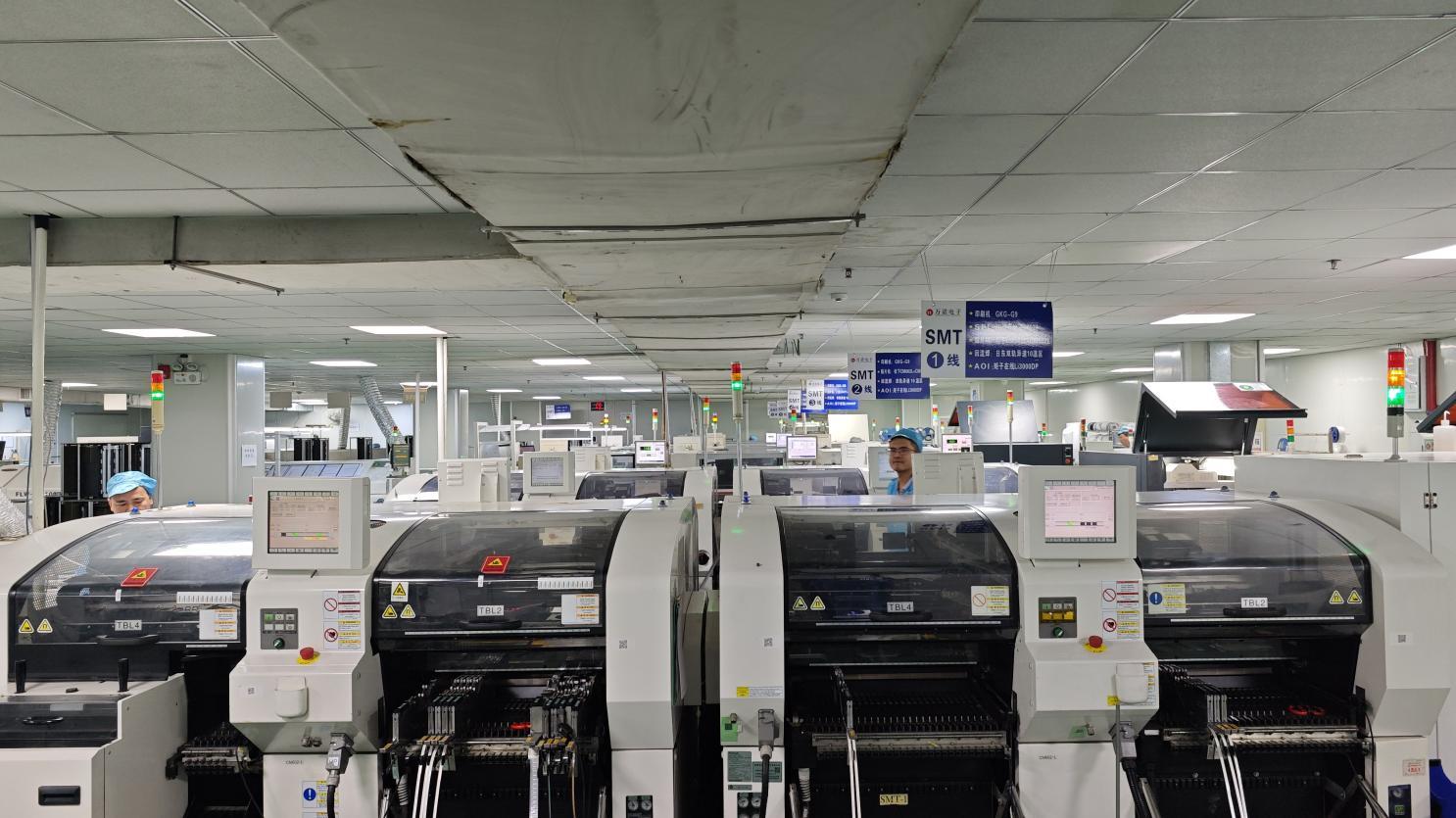
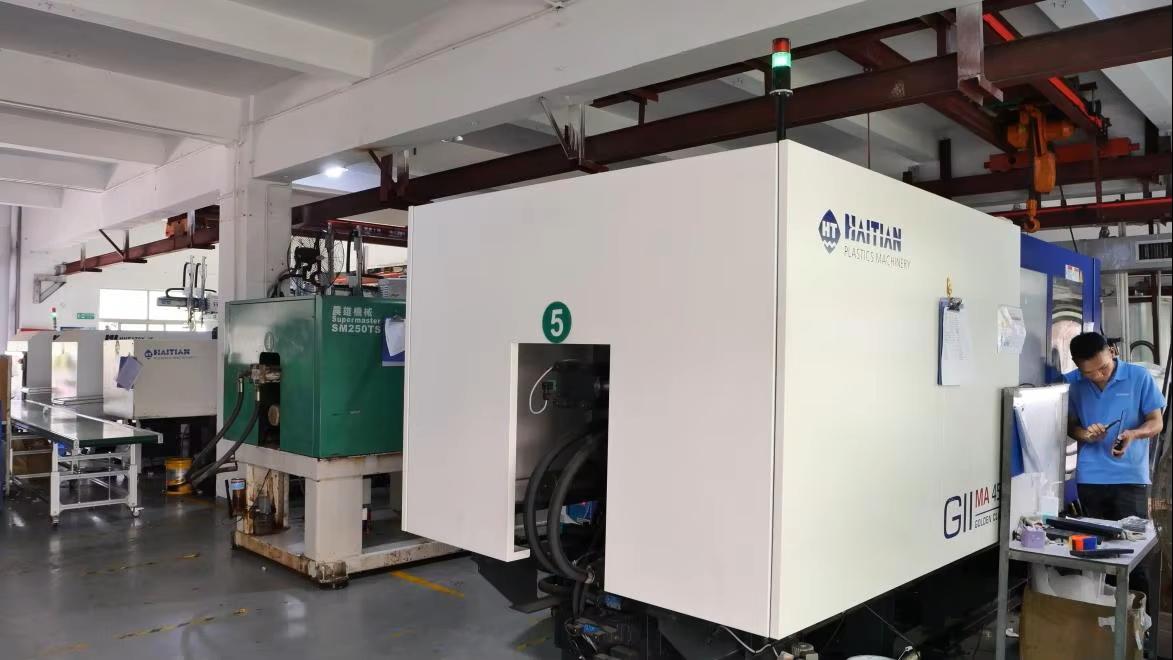
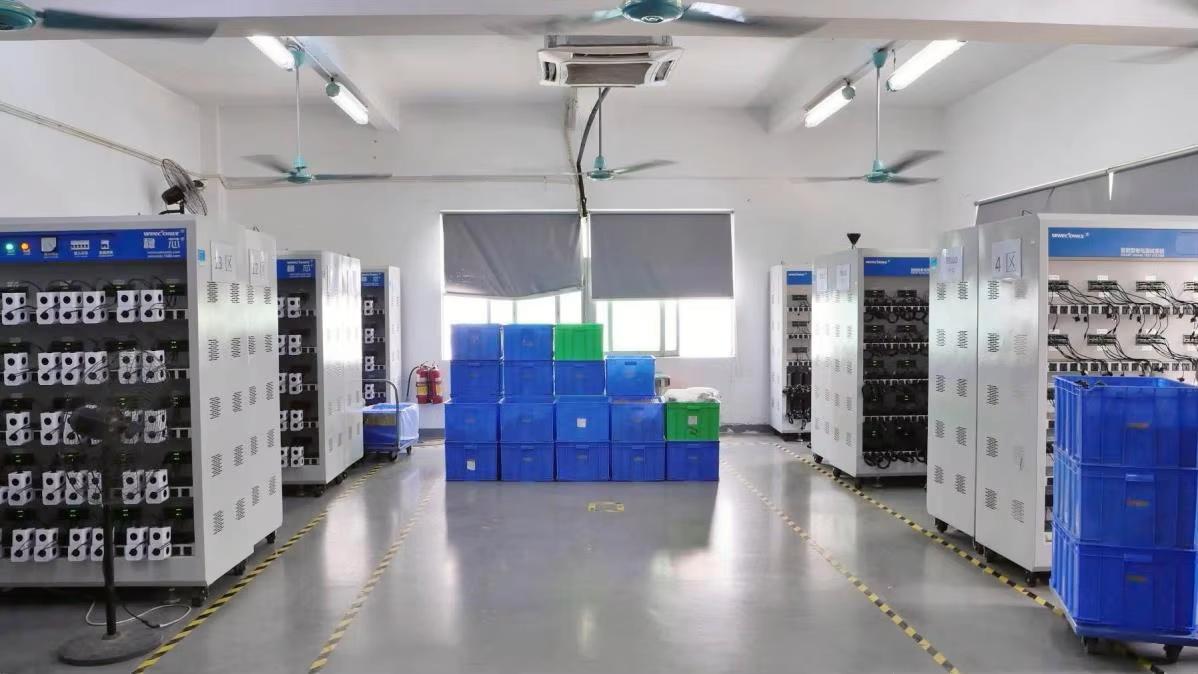
Unlike assemblers who outsource critical components, Laxvi’s vertically integrated infrastructure includes in-house precision mold design, computerized CNC tooling centers, SMT circuit placement, automated wave-soldering lines, wire extrusion, and ultrasonic sonic enclosure welding. This tight control minimizes third-party markups and shortens rapid-tooling development cycles to 25–35 days from initial CAD rendering.
Multi-Tier Laboratory Verification Protocol
To ensure every batch complies with target-market safety regulations (including UL, CE, UKCA, PSE, SAA, and RoHS), our in-house quality assurance center tests each production lot against stringent physical and electrical criteria:
- Glow-Wire Flammability Index (IEC 60695-2-11): Polycarbonate components in contact with live current conductors are subjected to glowing loop element penetration up to 850°C without sustained combustion.
- Mechanical Endurance Cycling: Socket contacts undergo automated 15,000-cycle insertion tests using calibrated test plugs to guarantee minimum withdrawal retention exceeds 1.5N per contact pole.
- Continuous High-Current Temperature Rise: Sockets undergo 125% rated load over extended durations; terminal temperatures cannot exceed room ambient temperature by greater than 45K.
- Environmental Salt Fog Corrosion: Brass pins, grounding contacts, and internal connectors undergo 48-hour neutral salt-spray (NSS) testing to ensure zero structural oxidation in humid maritime climates.
Frequently Asked Questions for Sourcing & Procurement Teams
For baseline factory-standard colors and configurations with customer pad-printed branding, our standard MOQ starts at 1,000 units. For fully customized tooling programs, proprietary plastic injection colors (custom Pantone matching), or bespoke gift box packaging, the typical baseline is 2,000 to 3,000 units per production run. Sample evaluation batches are supported for testing and lab certification.
Our engineering tooling covers US/Canada NEMA (Type A/B), European Schuko & French (Type E/F), British Commonwealth BS 1363 (Type G), Australian/New Zealand AS/NZS 3112 (Type I), Italian CEI 23-50 (Type L), and Japanese JIS C 8303 (PSE Type A/B), alongside multi-standard universal outlets for international hospitality installations.
We provide full technical documentation dossiers (TCF), including material composition declarations, RoHS 2.0 / REACH SVHC test certificates, and CB Scheme certificates. For buyers requiring private-label CE, UKCA, ETL, UL, or PSE listings, our regulatory compliance division coordinates directly with accredited laboratories (such as TÜV, Intertek, and SGS) to execute certificate transfers or brand-specific testing.
Repeat re-orders typically ship within 25 to 30 calendar days. Initial OEM orders requiring custom silkscreen tooling, tailored color masterbatches, and packaging design sign-offs are completed in 35 to 40 days. Urgent shipments can be divided into sea-freight containers and initial air-freight allocations to meet strict retail launch deadlines.
Our quality assurance process operates across four mandatory gates: (1) IQC for raw copper conductor purities, virgin PC pellet flame ratings, and active electronic components; (2) IPQC with 100% inline dielectric withstand checks and optical solder inspection; (3) 100% active burn-in/aging of USB and GaN charger PCBA under full load; and (4) OQC inspections matching ANSI/ASQ Z1.4 (ISO 2859-1) Level II AQL 0.65 Major / 1.5 Minor criteria.
Yes. We provide complete customization over cable metrics: H05VV-F, SJT, or VCTF insulation jackets; lengths from 1.0m to 10.0m; pure copper core cross-sections from 0.75mm² to 2.5mm² (14AWG/16AWG); alongside 90-degree flat right-angle space-saving wall plugs that sit flush behind office furniture.
Accelerate Your Power Extension Sourcing Pipeline
Partner directly with Shenzhen Laxvi Technology Co., Ltd.—your audited, engineering-driven Chinese manufacturing partner. Contact our technical sales engineering team today for comprehensive product datasheets, factory compliance files, and fast sample turnarounds.