Featured Power Strip & Vertical Tower Solutions
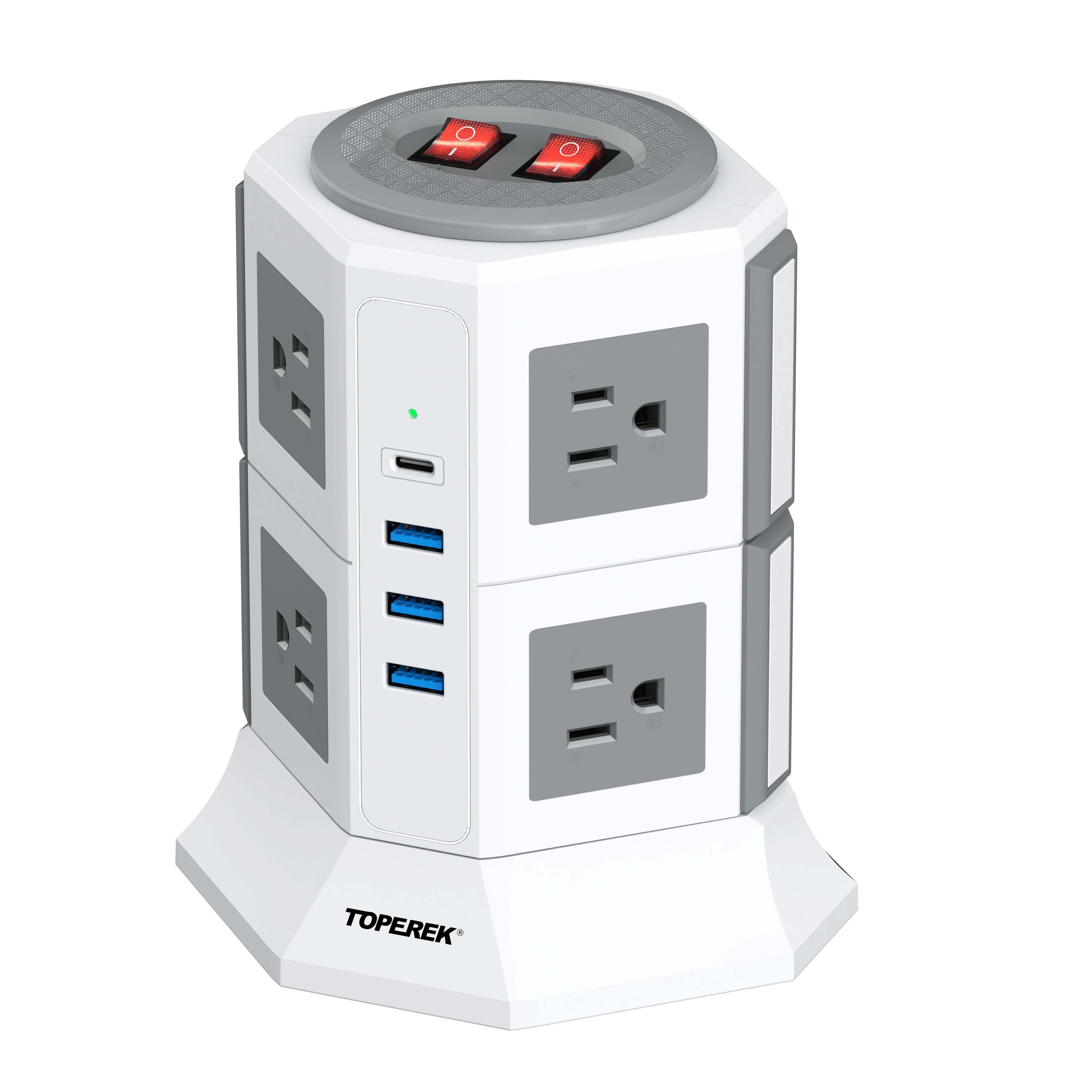
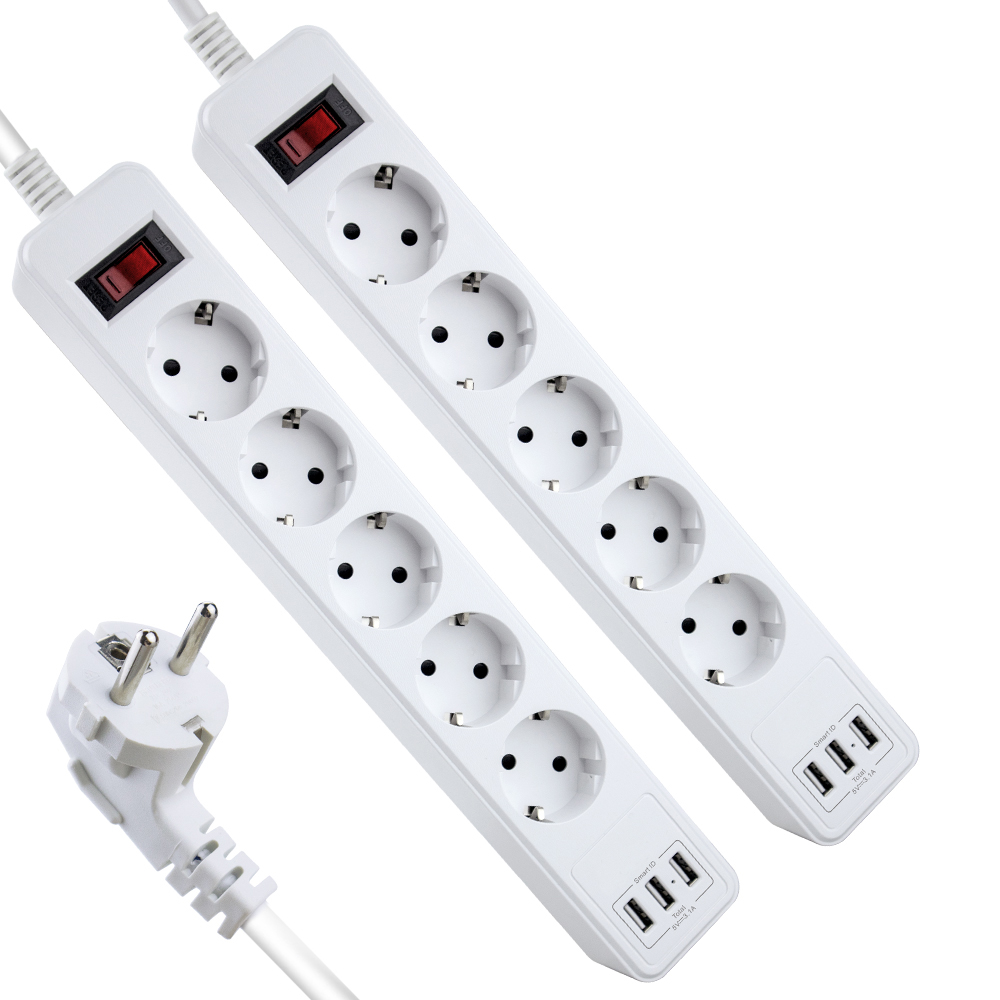
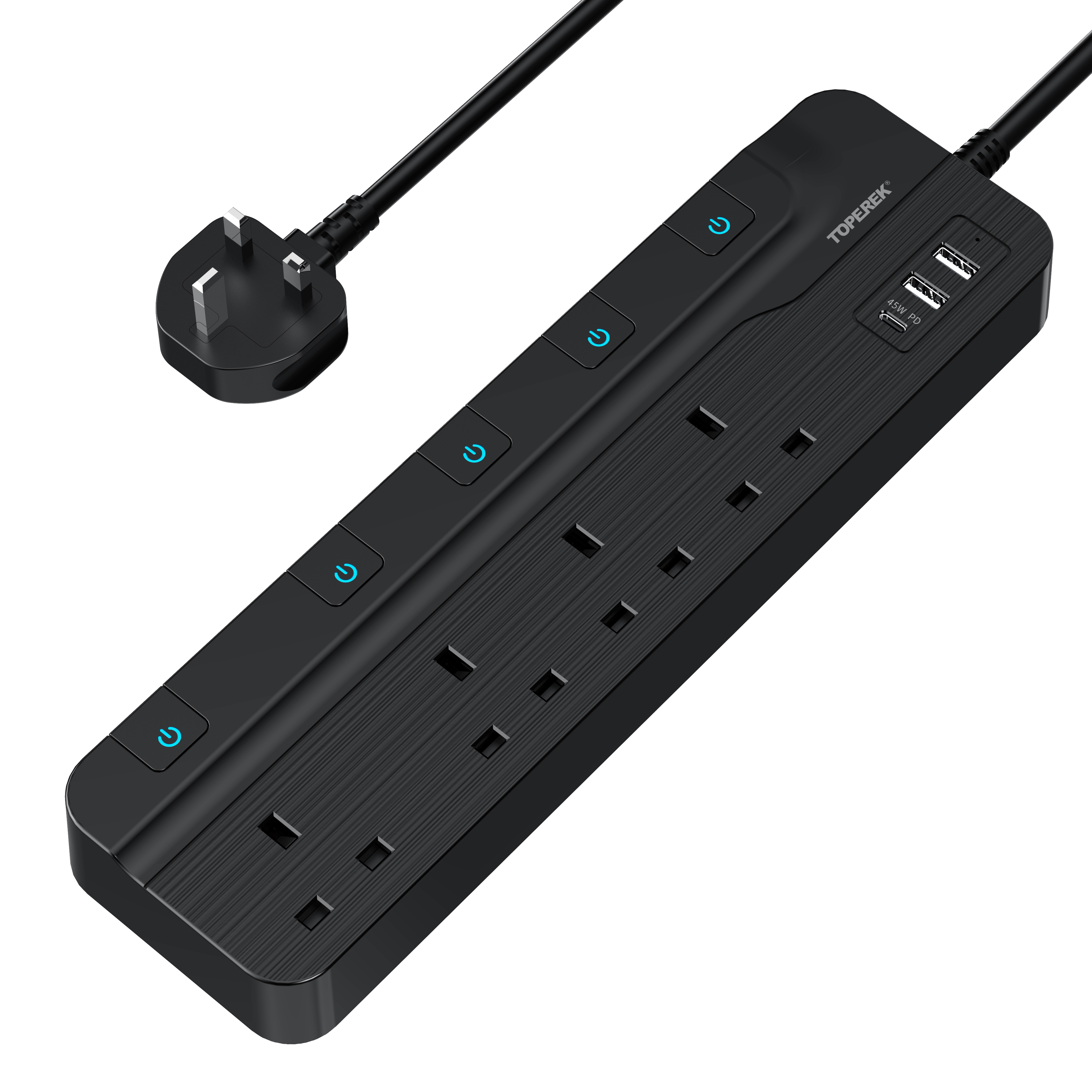
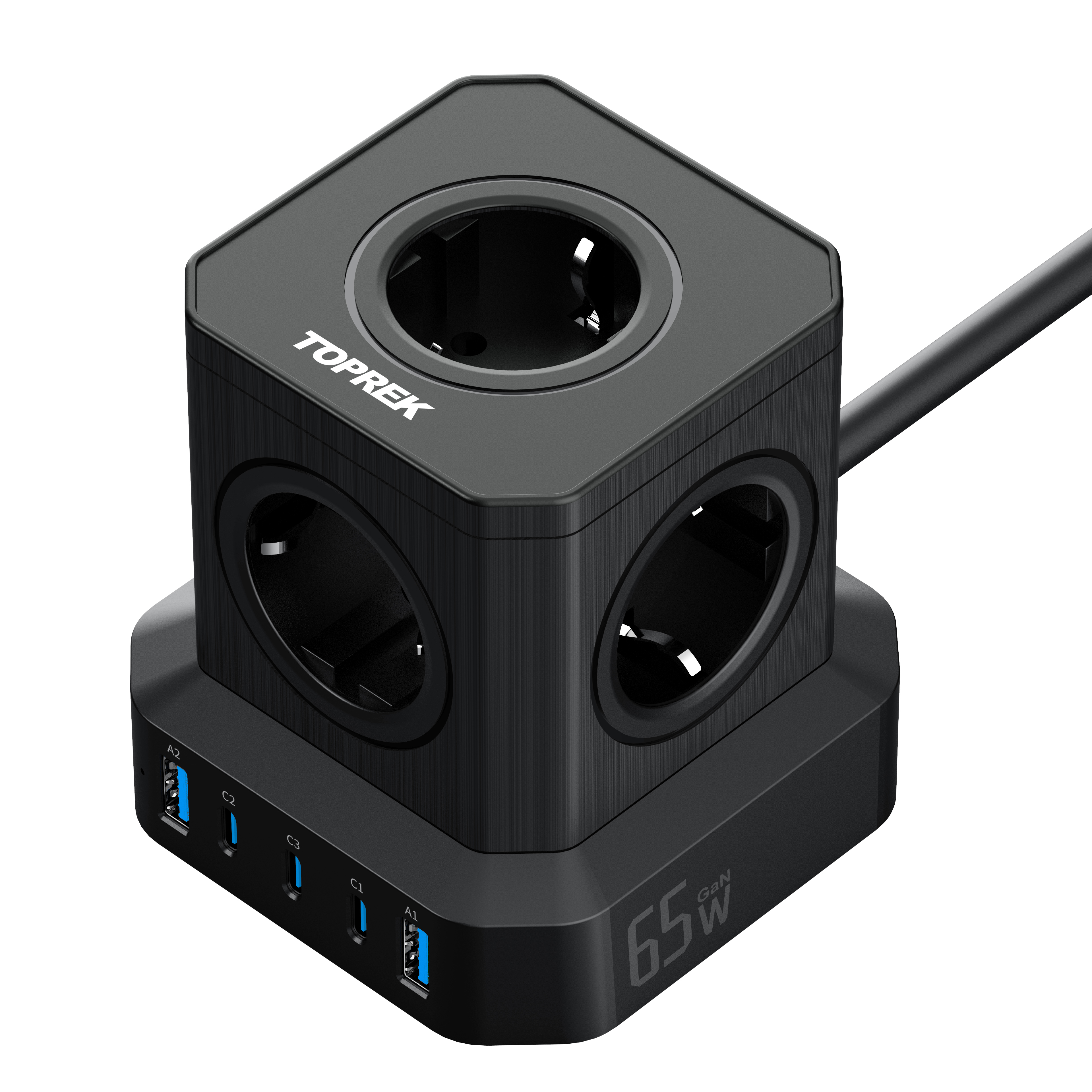
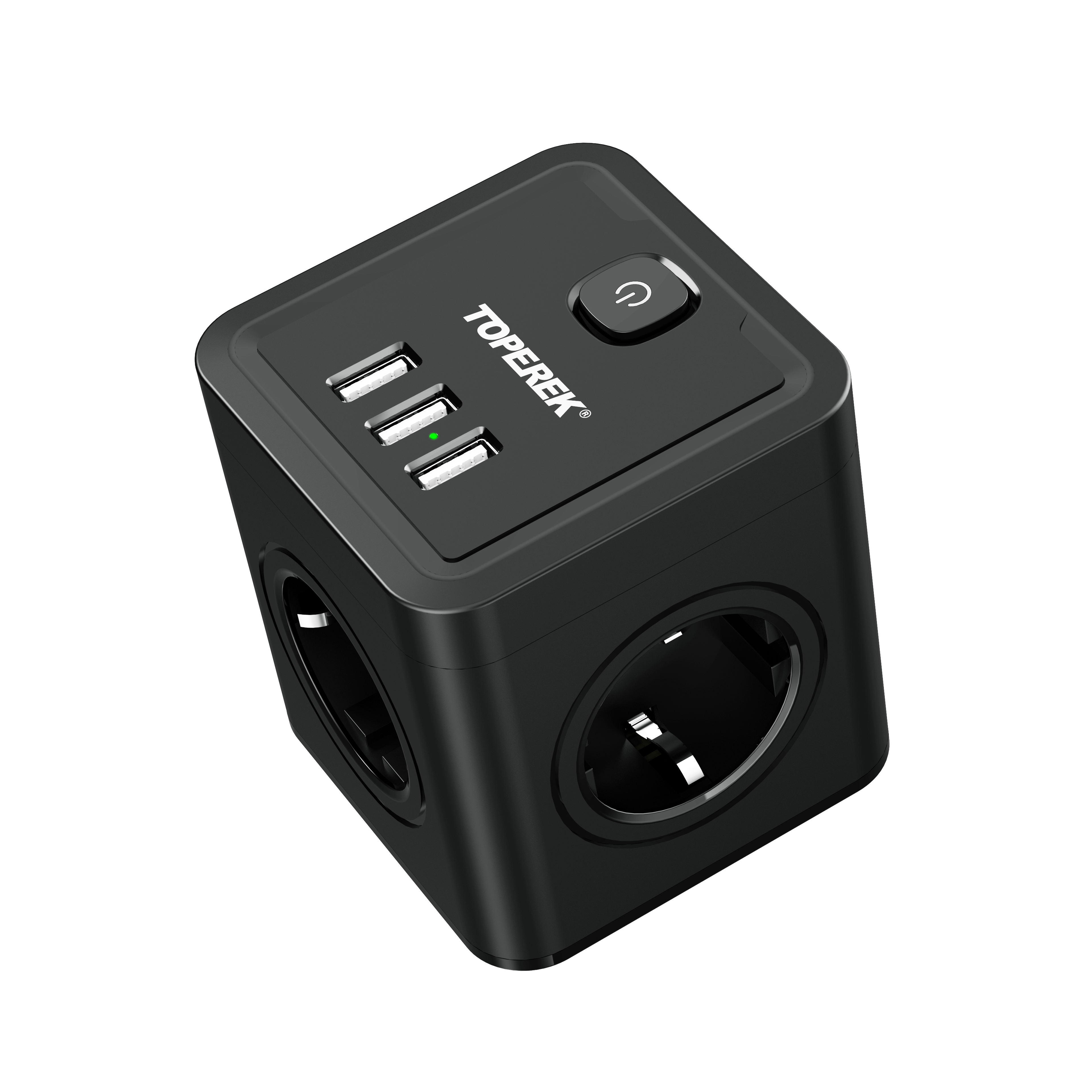
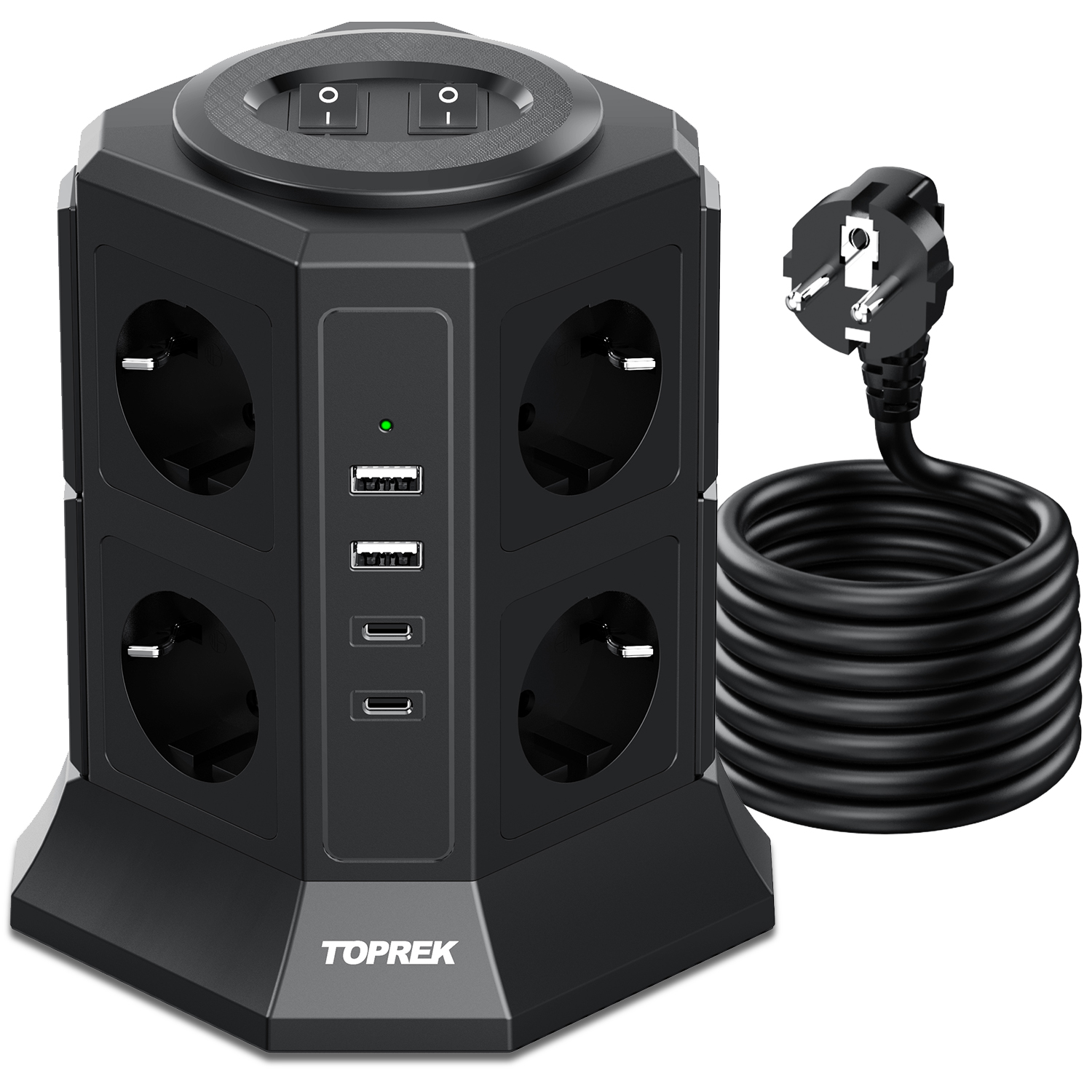
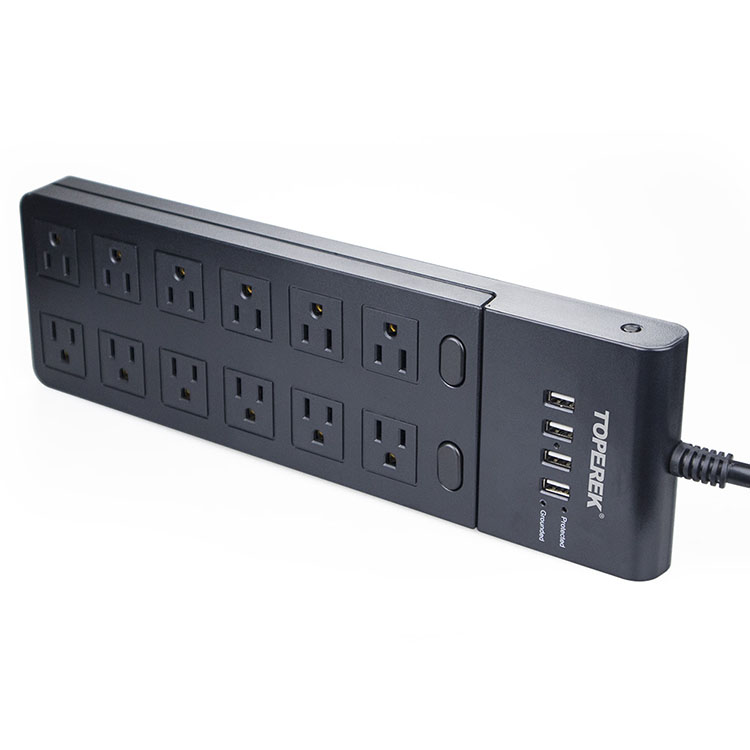
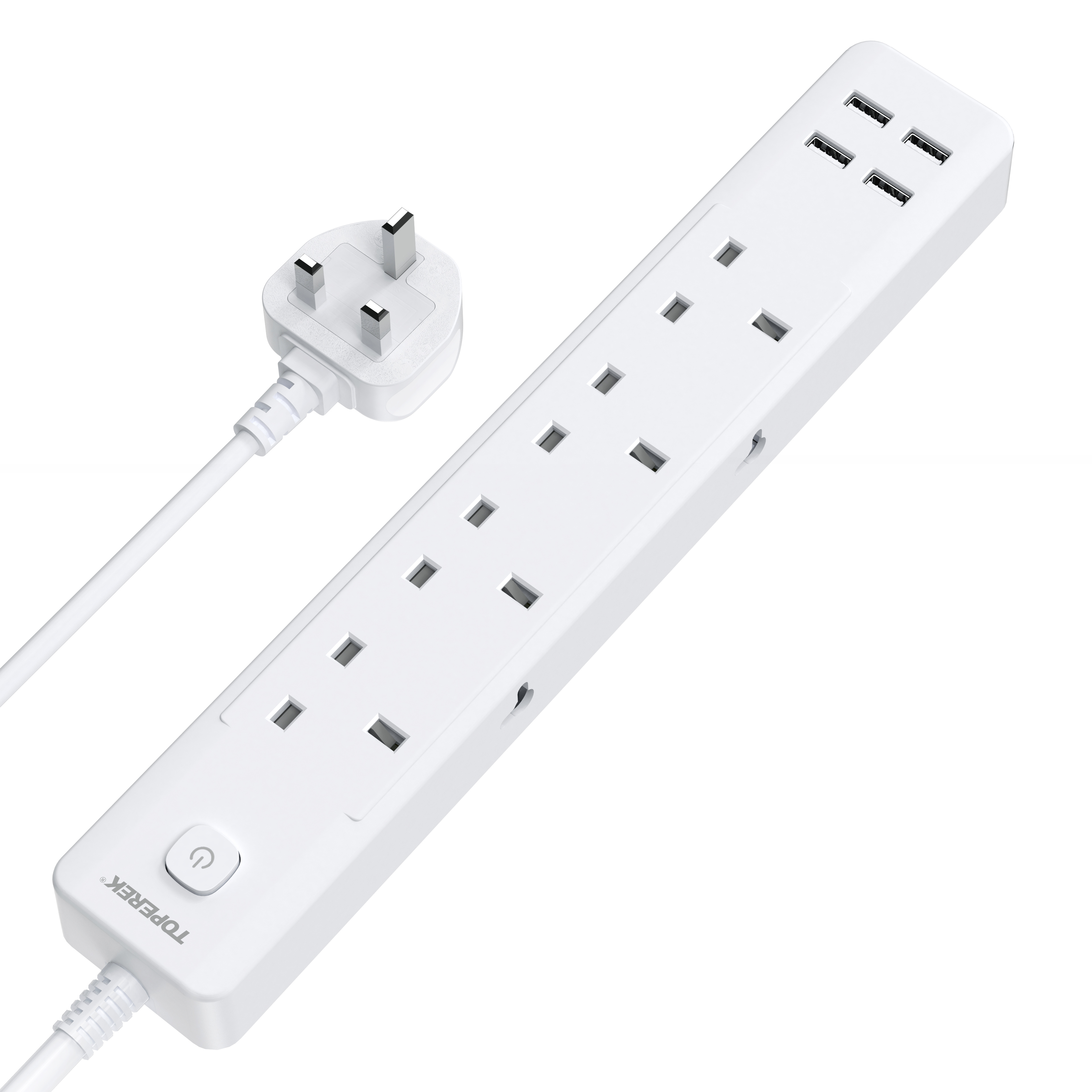
Directly manufactured to meet North American (NEMA), European (Schuko CEE 7/7), and British (BS 1363) high-voltage and fast-charging parameters with customizable chassis, thermal circuit breakers, and smart IC charging arrays.
The Evolution of Vertical Power Socket Towers: Strategic Sourcing Trends
An engineering analysis of footprint reduction, thermal dissipation, fast charging convergence, and regulatory shifts governing electrical power distribution units (PDUs) in global markets.
1. Structural Paradigm Shift: From Horizontal Strips to 360-Degree Vertical Architecture
Over the past decade, consumer electronics and modern corporate workstation design have converged toward minimalist, cable-dense environments. Traditional horizontal extension strips introduce substantial friction: large power adapters ("wall warts") obstruct adjacent outlets, causing up to 40% unused port inefficiency. Furthermore, linear wire management across desks causes heat buildup, tripping hazards, and electromagnetic cross-interference with unshielded peripherals.
As China's leading power socket tower manufacturer and global exporter, Shenzhen Laxvi Technology has spearheaded the transition to multi-tier vertical spatial orientation. By situating AC sockets along separate polyhedral faces—typically arranged in hexagonal, octagonal, or four-column layouts—the vertical tower guarantees unrestricted access to every individual terminal, irrespective of plug geometry or transformer block size.
Technical Superiority of Vertical Heat Dissipation: Natural convective airflow operates substantially more efficiently across vertical chimneys than enclosed flat surfaces. By placing high-draw AC connections beneath or orthogonal to low-voltage DC switch-mode transformers, operating internal temperatures drop by an average of 14.2°C compared to conventional flat power blocks under 80% continuous rated load.
2. Global Sourcing Trends Shaping B2B Power Strip Procurement (2025–2030)
Procurement executives and consumer electronics brand directors must adapt to three structural shifts currently defining international supply chains. Sourcing obsolete technology risks severe regulatory penalties, product recalls, and high warranty return rates.
GaN III Fast-Charging Integration
The EU Common Charger Directive (Directive (EU) 2022/2380) has effectively forced global consolidation toward universal USB Type-C charging. Importers are phasing out legacy 5V/2.4A USB-A modules in favor of integrated Gallium Nitride (GaN III) high-frequency power semiconductors capable of delivering 45W, 65W, and 100W Power Delivery (PD 3.0/3.1 with PPS). This eliminates dedicated laptop charging bricks and provides direct laptop powering from the tower socket.
Advanced Multi-Stage Surge Suppression
Commercial buyers demand certified Joules ratings tailored to micro-voltage fluctuations. Enterprise procurement now mandates 3-line complementary surge protection (Line-to-Neutral, Line-to-Ground, Neutral-to-Ground) utilizing high-capacity Metal Oxide Varistors (MOVs) paired with thermal cutoff fuses. If continuous overvoltage or transient spikes occur, the internal thermal cutoff triggers within 25 nanoseconds, shielding connected semiconductors without catastrophic combustion.
Unified Structural Copper Strip (Busbar)
Old-generation power sockets relied on manual hand-soldered wires connecting individual outlet leaves. This obsolete construction suffers from cold solder joints, high contact impedance, and localized hot-spot burnouts. Modern OEM standards mandate precision-stamped single-piece phosphor bronze busbars, ensuring uniform conductivity, resilient insertion clamping force across 10,000+ insertion cycles, and absolute flame security.
Manufacturing Deep-Dive: Material Science & Conductor Topology
How ShenZhen Laxvi Technology mitigates electrical failure modes, achieves UL94-V0 flammability compliance, and ensures dielectric integrity across high-current industrial and residential workloads.
Integrated Phosphor Bronze Stamping vs. Traditional Point-to-Point Wiring
In typical electrical failure analyses conducted by third-party laboratories like TÜV Rheinland, over 67% of electrical fires in power extension hardware originate from failure points at internal soldering joints. Under heavy sustained current (such as 16A European or 13A British continuous electrical loads), solder alloys with lead-free composition experience micro-fractures due to cyclic thermal expansion and contraction.
To eradicate this vulnerability, Laxvi implements a single-piece unified copper alloy busbar stamping technique utilizing high-purity C5191 phosphor bronze. Phosphor bronze features an exceptional elastic limit, superior fatigue resistance, and an electrical conductivity rating exceeding 15% IACS (International Annealed Copper Standard). By eliminating wire junctions and solder bridges between AC socket columns, internal contact resistance drops below 5mΩ per contact set, effectively eliminating the root cause of localized ohmic thermal runaway.
| Engineering Attribute | Laxvi Industrial-Grade Tower Specification | Standard Commercial Grade (Competitors) | Failure Risk Mitigated |
|---|---|---|---|
| Conductor Metallurgy | Single-piece stamped C5191 Phosphor Bronze (0.6mm thickness) | Recycled brass strips with manual copper wire soldering | Elastic fatigue, loose grip, intermittent arc, high heat |
| Housing Flammability | UL94-V0 Engineered Polycarbonate (PC) + ABS alloy (750°C glow-wire) | Standard ABS plastic (UL94-HB or secondary regrind) | Combustion during short-circuit; toxic flaming droplets |
| Dielectric Withstand (Hi-Pot) | 3,000V AC breakdown threshold; 100% inline verified | 1,500V AC threshold or sample-based batch inspection | High-voltage arc-over, user electrocution, chassis leakage |
| Switching Mechanism | Silver alloy contact bipolar break switch with thermal reset | Single-pole contact rocker switch with no reset breaker | Neutral line retention, switch contact welding/pitting |
| DC Transformation Array | Isolated GaN III topology with synchronous rectification | Non-synchronous linear transformer with high passive loss | Electromagnetic interference (EMI), ripple noise, capacitor dry-out |
Flame-Retardant Polymer Selection: 750°C Glow-Wire Resistance
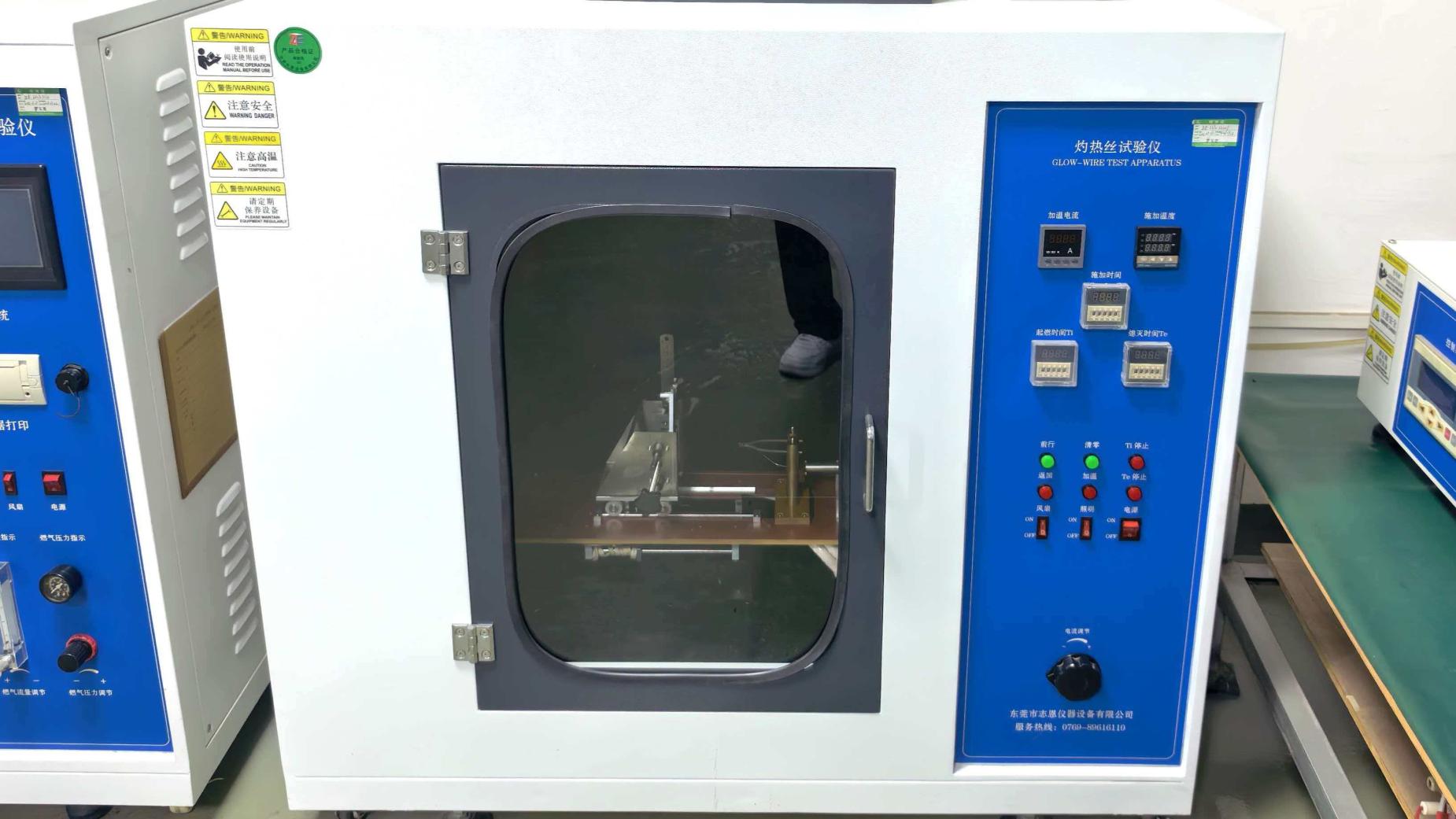
The exterior enclosure of a power socket tower must serve as an impervious containment vessel in the event of abnormal external heating or localized electrical arc generation. Laxvi utilizes virgin flame-retardant PC (polycarbonate) reinforced with impact-modifying ABS copolymers. This formulation is rigorously verified under IEC 60695-2-11 glow-wire flammability test standards:
When subjected to an incandescent glowing loop heated to 750°C applied directly against the polymer chassis for 30 seconds, the material achieves self-extinction within 3 seconds of wire withdrawal, producing zero flaming drops capable of igniting underlying surgical tissue paper. Furthermore, our enclosures retain high structural deflection temperatures (HDT) up to 135°C, ensuring structural stability under high internal thermal loads.
Why Global Tier-1 Importers Partner with Shenzhen Laxvi Technology
Shenzhen Laxvi Technology Co., Ltd. operates a vertically integrated production ecosystem in Pinghu, Shenzhen, engineered specifically to satisfy Western regulatory audits and strict retail compliance.
Fully Integrated In-House Production Ecosystem
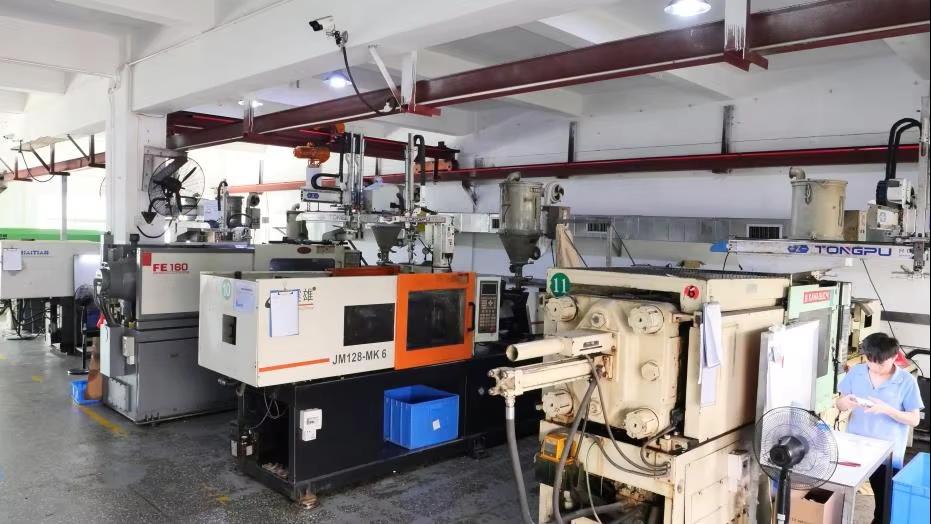
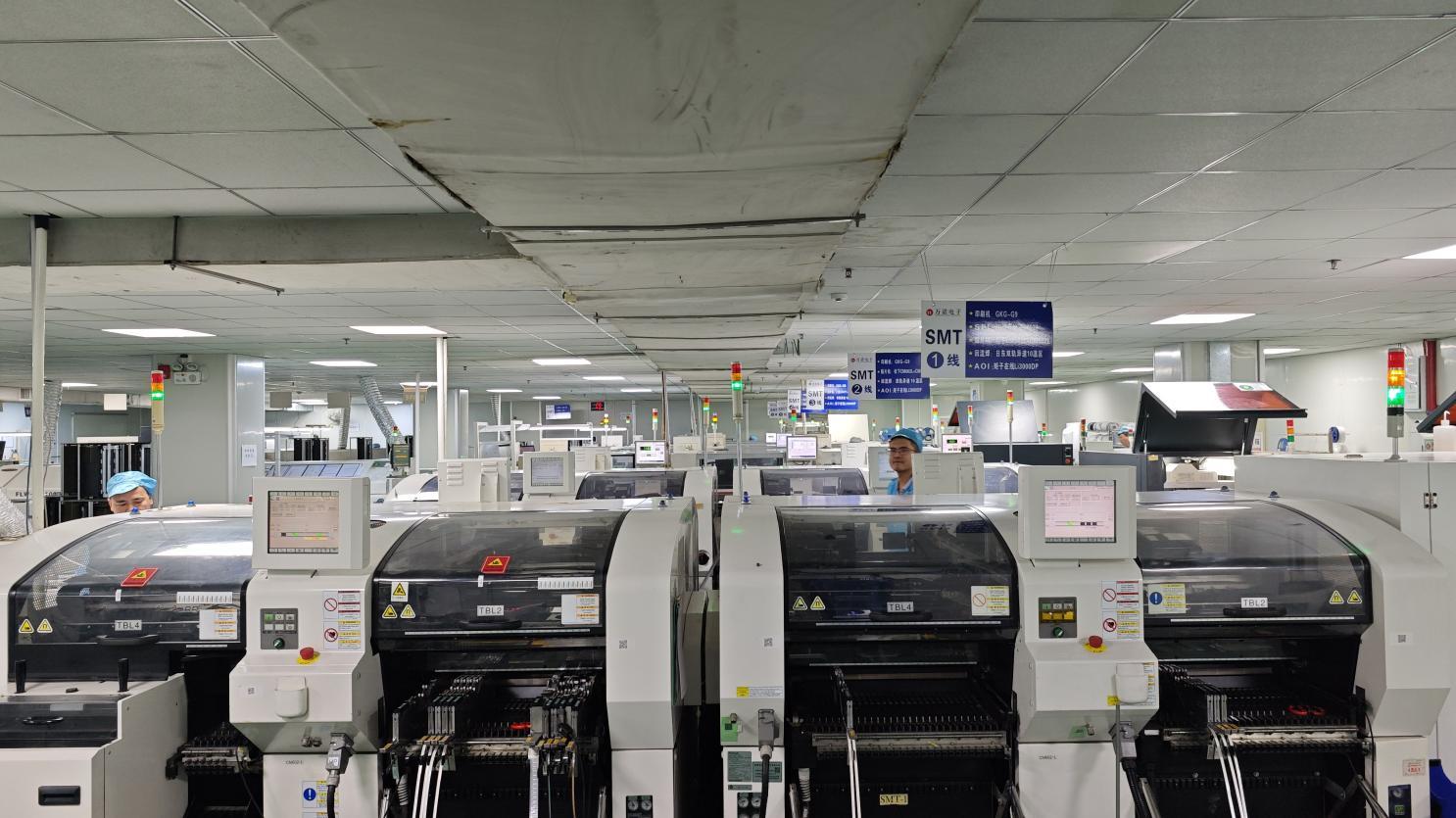
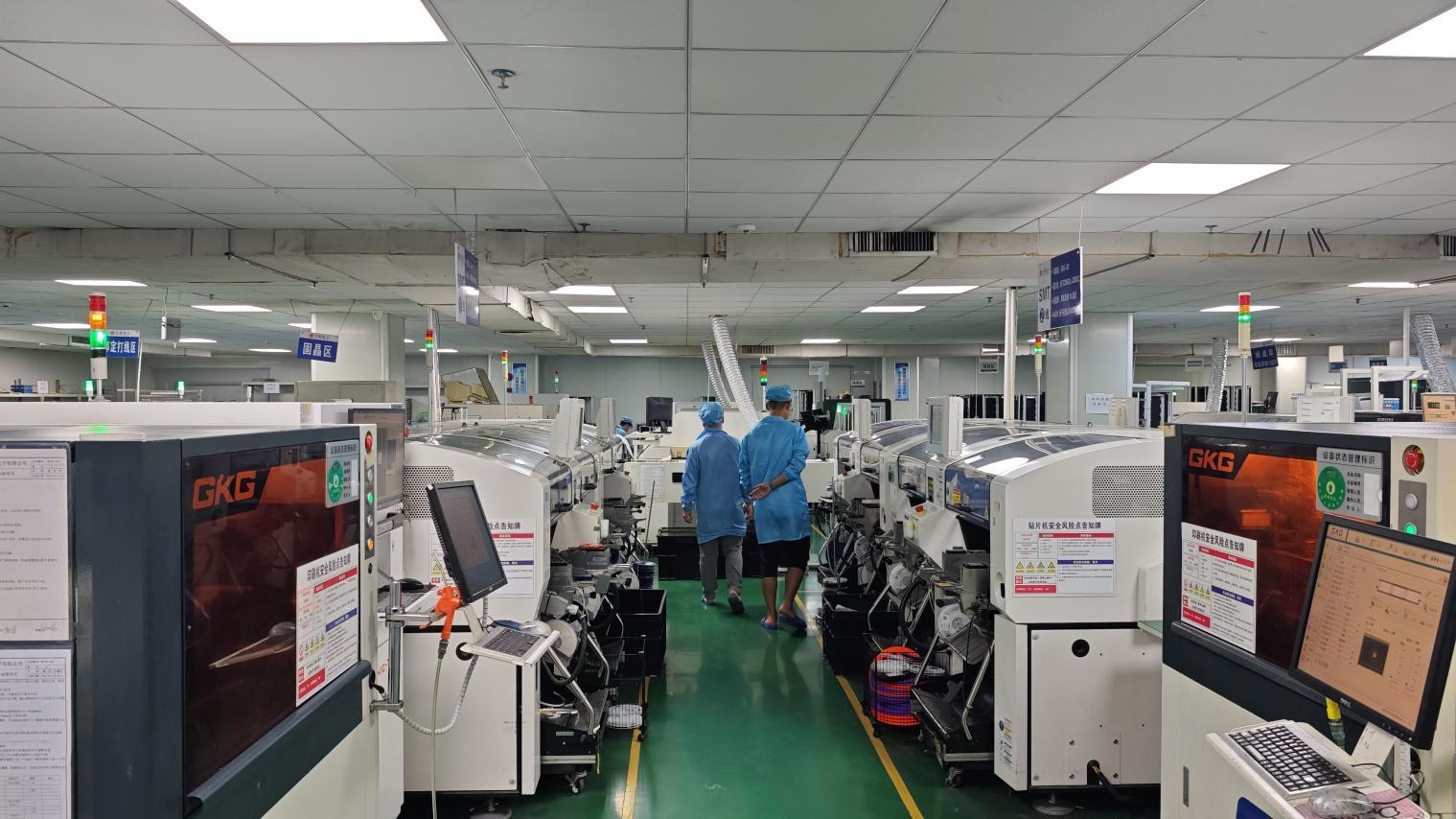
Unlike trading companies or final-assembly workshops that subcontract critical subsystems, Laxvi controls the full manufacturing spectrum under our 11,600m² facility. By maintaining CNC tooling fabrication, precision injection molding, multi-layer surface-mount technology (SMT), automated wave soldering, and inline dielectric inspection under one unified management system, we eliminate supply chain bottlenecks and guarantee consistent tolerances.
- TÜV Rheinland Audited Facility: Independently verified employee census (340 staff), facility dimensions, operational capacity, and strict incoming quality control (IQC).
- Class-Leading SMT & PCBA Lines: High-speed automated chip mounters, AOI optical detectors, and wave-soldering furnaces with computer-controlled temperature profiling.
- 100% Comprehensive In-Line Testing: Every single socket undergoes Automated Test Equipment (ATE) verification: ground continuity, hi-pot withstand, and full-load USB output ripple calibration.
- Dedicated Environmental Testing Lab: Salt-spray chambers for metal terminal plating, switch mechanical endurance testers (10,000+ cycles), and high/low temperature aging vaults.
Frequently Asked Questions for B2B Power Strip Importers
Clear, direct answers regarding certifications, factory auditing, tooling lead times, and OEM customization capabilities.
What plug standards and geographic electrical certifications can Laxvi provide?
We manufacture fully certified custom units for North America (UL 1363, UL 498A, UL 1449, ETL, FCC), Europe (CE-LVD, CE-EMC, RoHS, REACH, TÜV-GS to EN 61643-11), United Kingdom (UKCA, BS 1363-2, BS 5733), Australia and New Zealand (RCM, AS/NZS 3105), Italy (Type L IMQ), and Japan (PSE, JIS C 8303). Every shipment is accompanied by complete test certificates from accredited testing bodies.
What is the typical Minimum Order Quantity (MOQ) and production lead time?
For standard tooling with customized branding (silk-screen logo, custom laser marking, branded retail gift box, customized master carton), our standard MOQ starts at 500 to 1,000 units per SKU. Mass production lead time is typically 25 to 30 business days following sample approval and deposit receipt. For repeat orders, production lead time can be expedited to 18 to 21 business days.
How does your factory verify high-voltage electrical safety before dispatch?
Quality assurance operates under a zero-defect policy across four distinct stages: 1) IQC testing of incoming raw copper wire, phosphor bronze, and virgin PC/ABS resin; 2) In-line automated optical inspection (AOI) for all SMT circuits; 3) 100% dielectric withstand voltage (Hi-Pot) testing at 3,000V AC for 1 second between Live/Neutral and Ground/Enclosure; 4) 4-hour smart full-load burn-in aging for GaN/USB charging PCBAs followed by AQL 0.65 Level II pre-shipment random audits.
Can you develop bespoke industrial designs, new housing tooling, and custom PCBAs?
Yes. Our in-house research and development engineering department includes industrial designers, mechanical tooling specialists, and firmware/hardware electronic engineers. We support complete ODM workflows: concept 3D rendering within 48 hours, functional 3D-printed SLA prototype verification within 5 working days, and in-house steel mold tooling completed within 25 to 35 calendar days.
Can we commission an independent third-party factory audit (e.g., SGS, Bureau Veritas)?
Absolutely. Our manufacturing facilities are completely open to buyer-appointed auditing agencies such as SGS, TÜV Rheinland, Bureau Veritas, or Intertek. We routinely pass social accountability (BSCI, SEDEX SMETA), quality management (ISO 9001:2015), and environmental system audits commissioned by global hypermarkets and leading electronics brands.
Accelerate Your Power Strip Sourcing with China’s Leading Manufacturer
Whether you require customized private-label power socket towers with 65W GaN fast charging, regional compliance consultation for EU/US retail, or custom tooling for an entirely new industrial product line, our technical sales team is on standby to assist with technical drawings, full test data, and competitive wholesale proposals.