Recommended Global Power Strip & Tower Socket Portfolios
Discover our best-performing vertical towers, desktop distributors, and heavy-duty power blocks engineered to meet US, European, UK, Japanese, and international safety compliance.
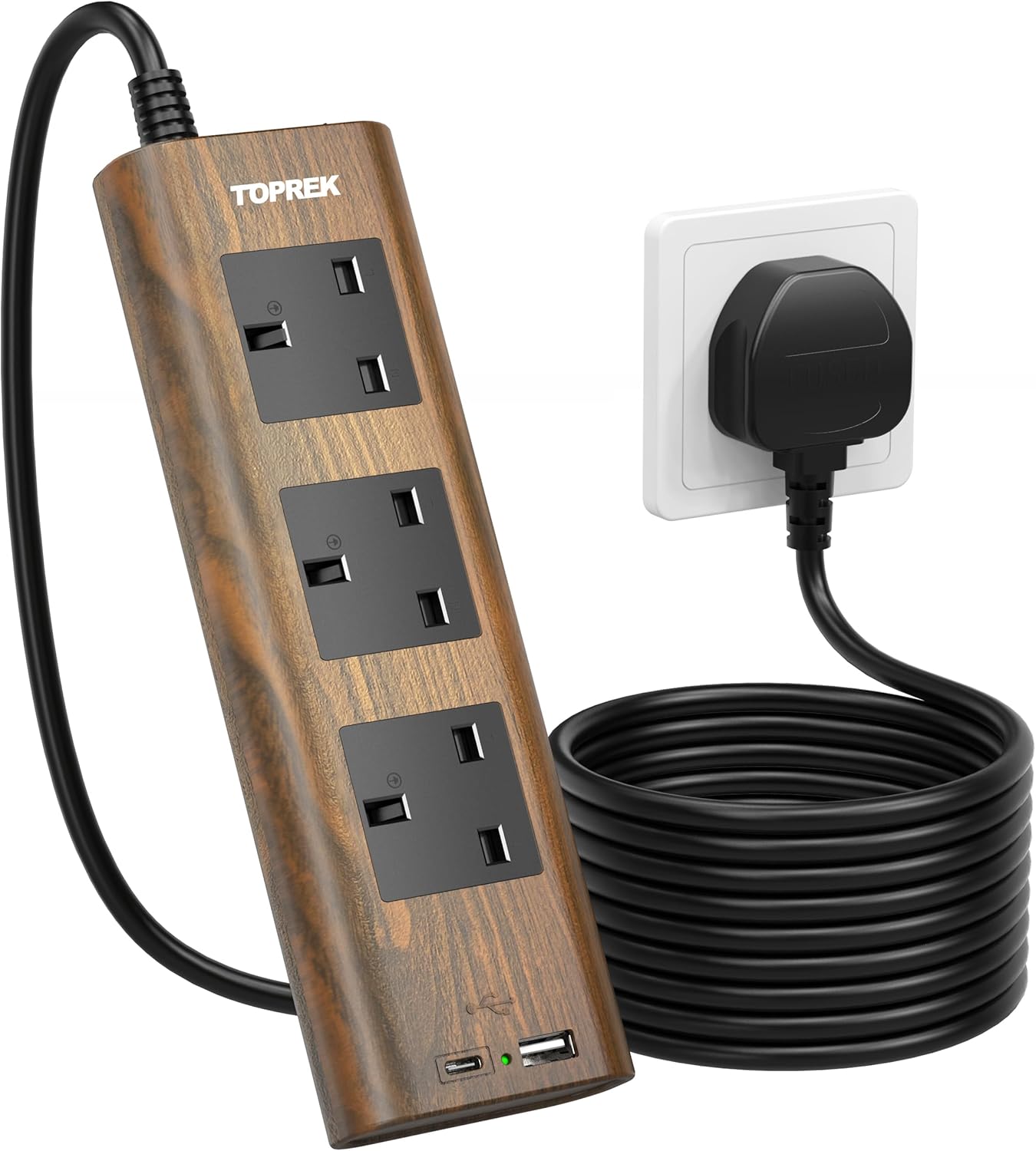
Extension Board With USB Port Indian Plug 3 Way Extension Lead Surge Protection, Switch, 13A/3250W, Extension Cable 2M
Product Details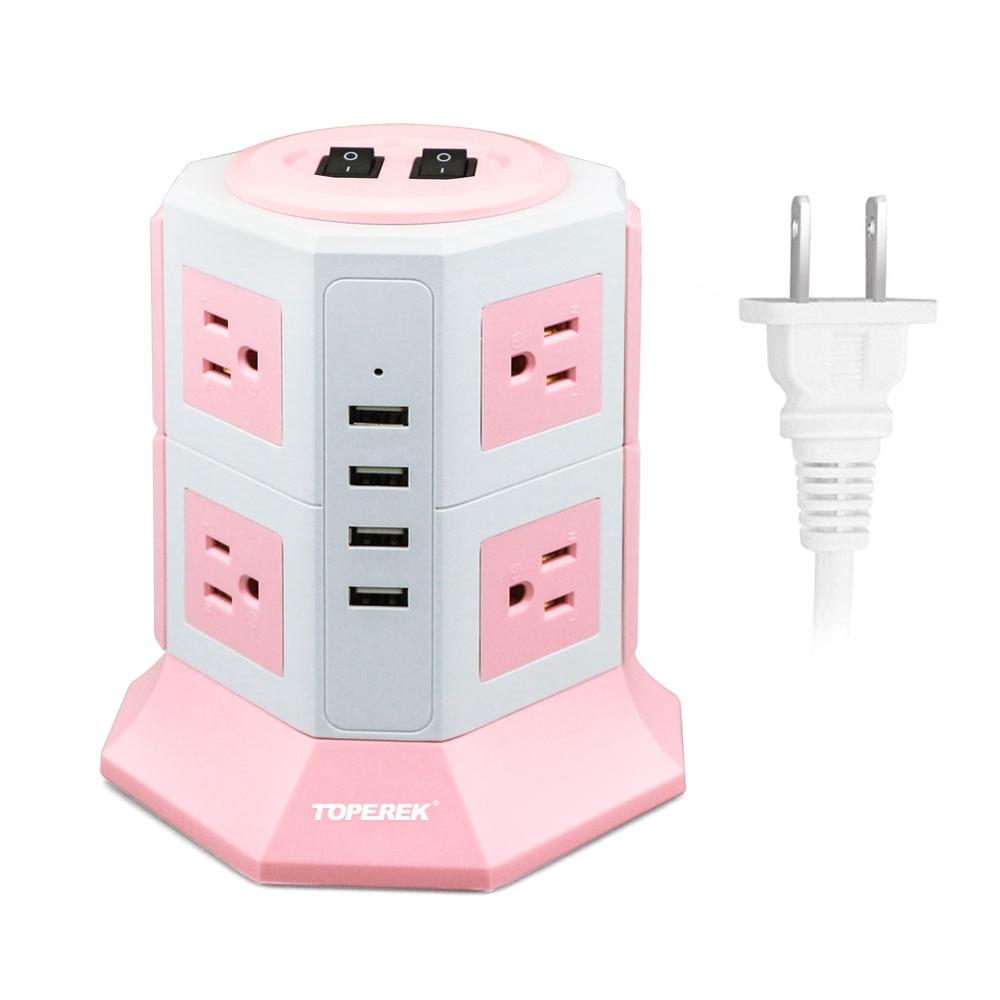
Japanese Standard Vertical Socket 4 USB Charging Ports Extension Socket Power Electrical Switch / Strip
Product Details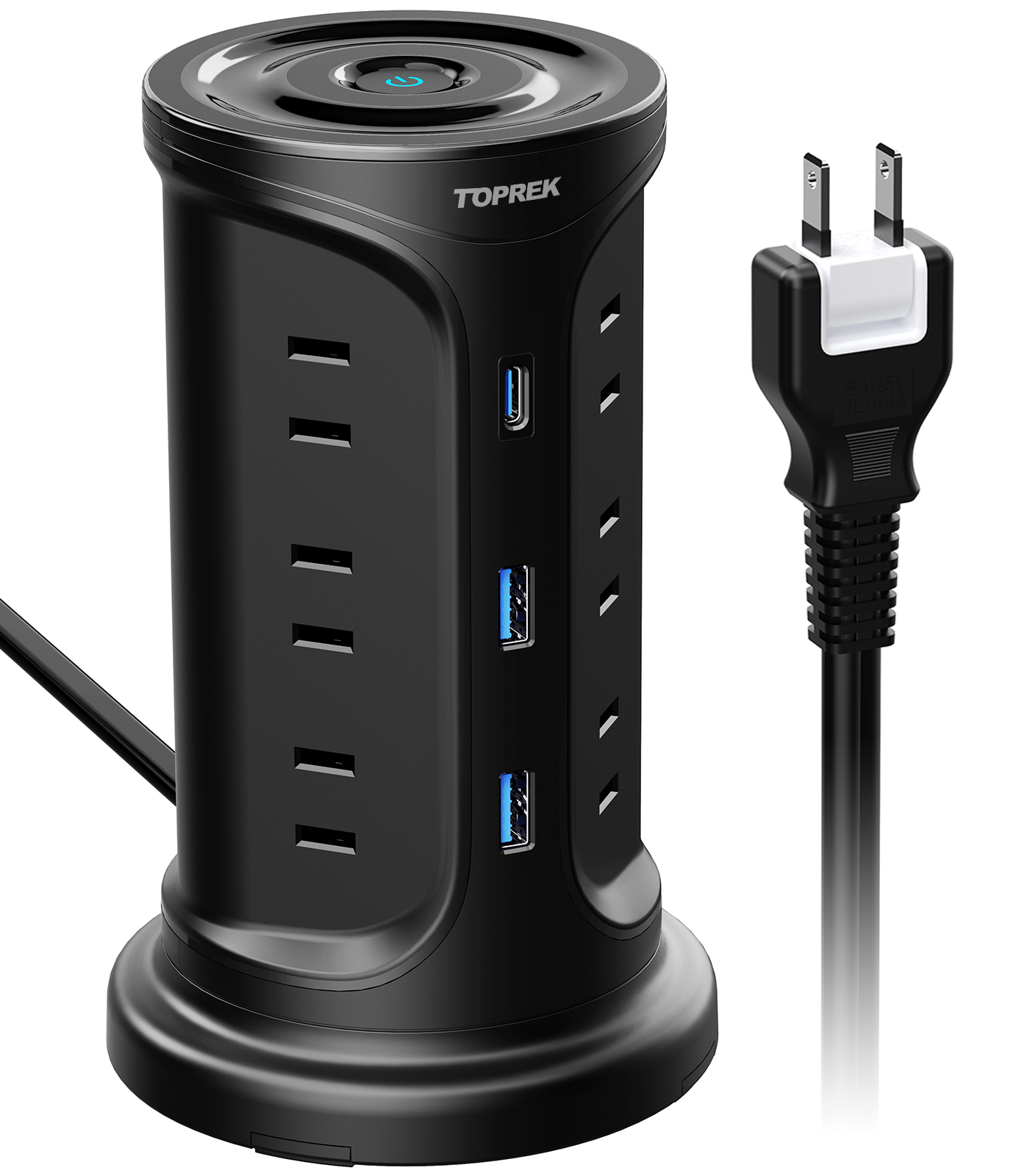
TOPREK PSE Certificated 15A 1500W 2m Cable Japanese Standard Extension Socket 12 Outlets 2 USB-A 1 USB-C Ports Plastic Fire
Product Details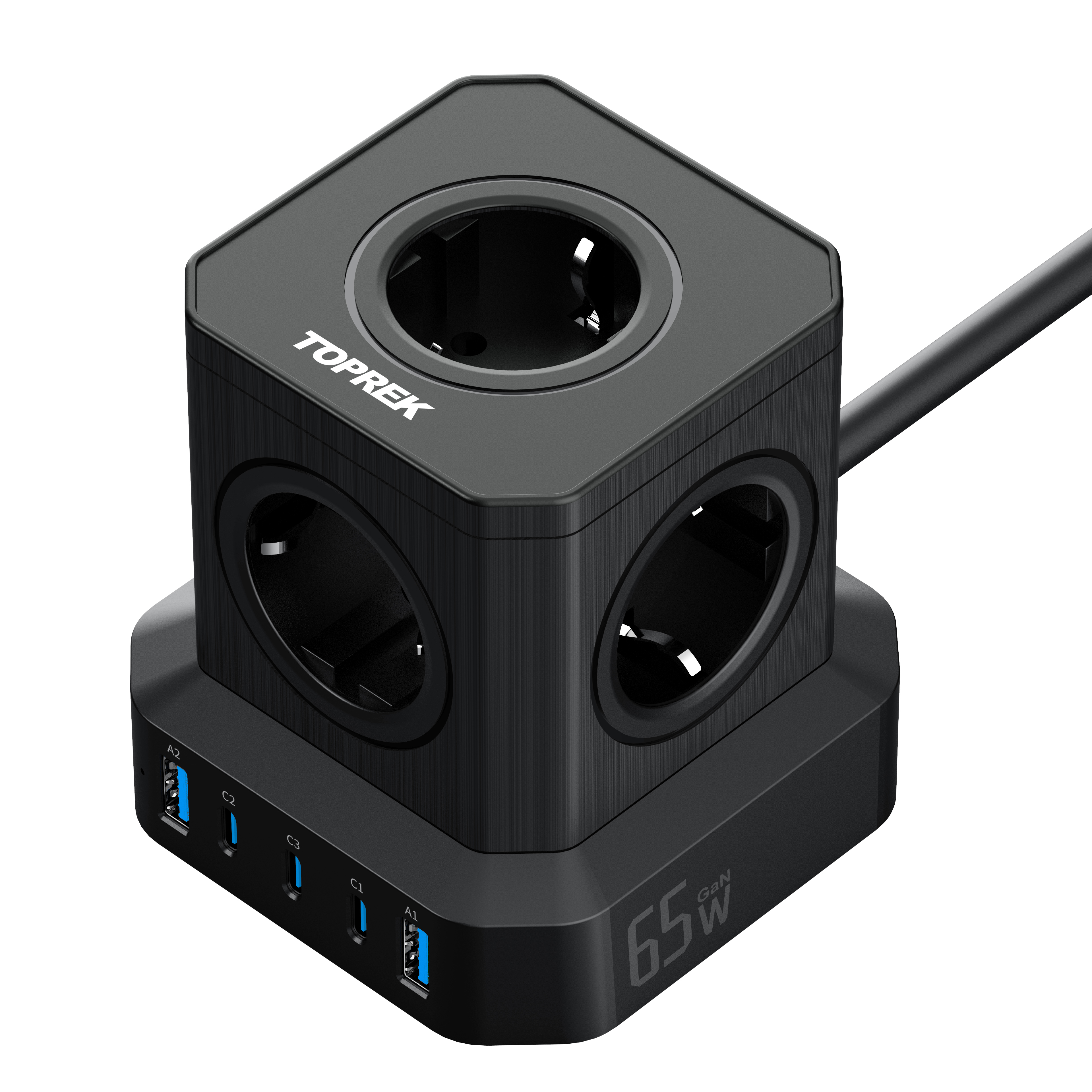
TOPEREK EU Type Electric Extension Socket 5 Outlets 3 Type C USB Ports 65W PD Surge Protector Fire Retardant Power Strip 2m
Product Details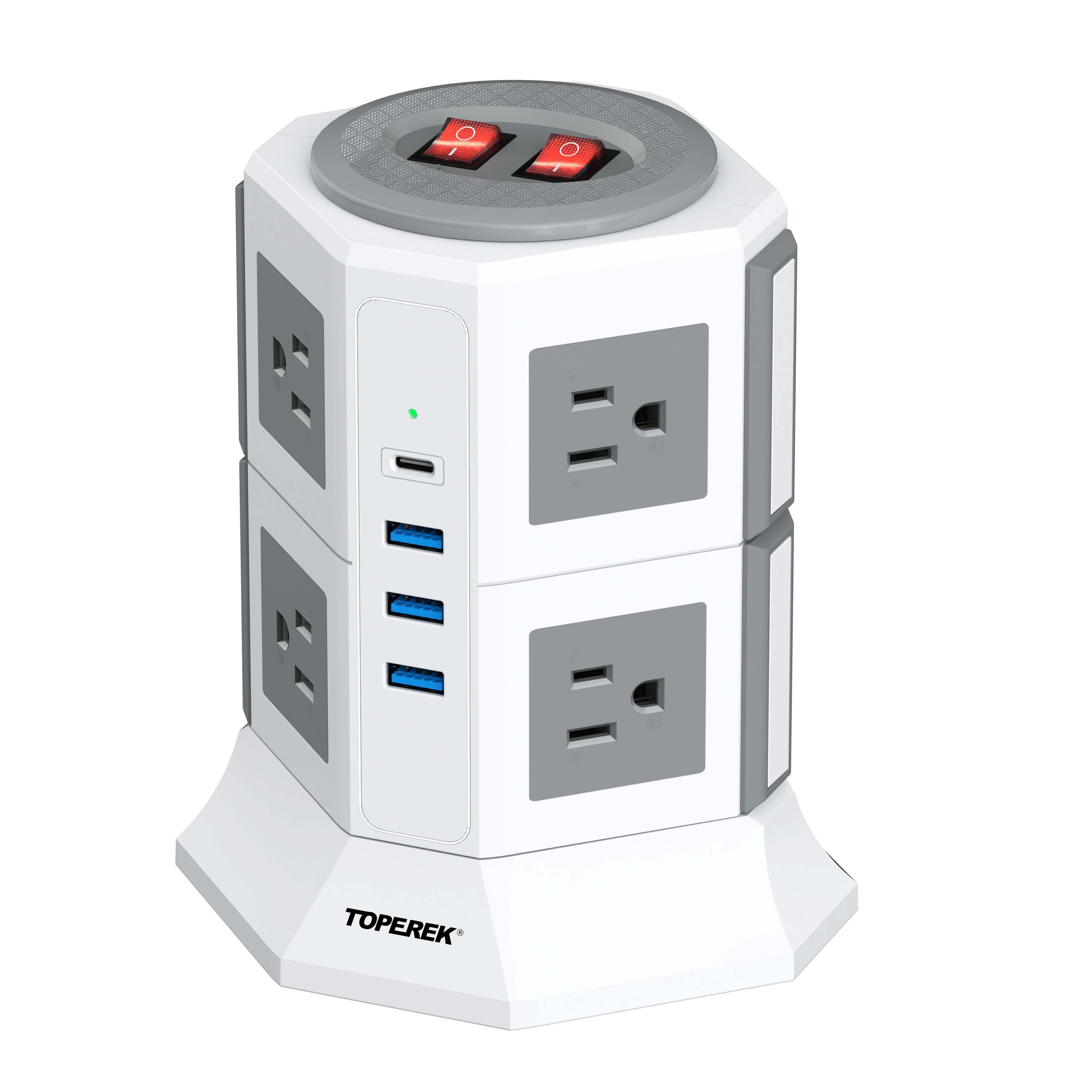
Custom Multi Plug Socket Charger PD USA Extension 3 USB Ports 1 USB-C Port 15A Smart Surge Protector 8-Outlets Fire Retardant
Product Details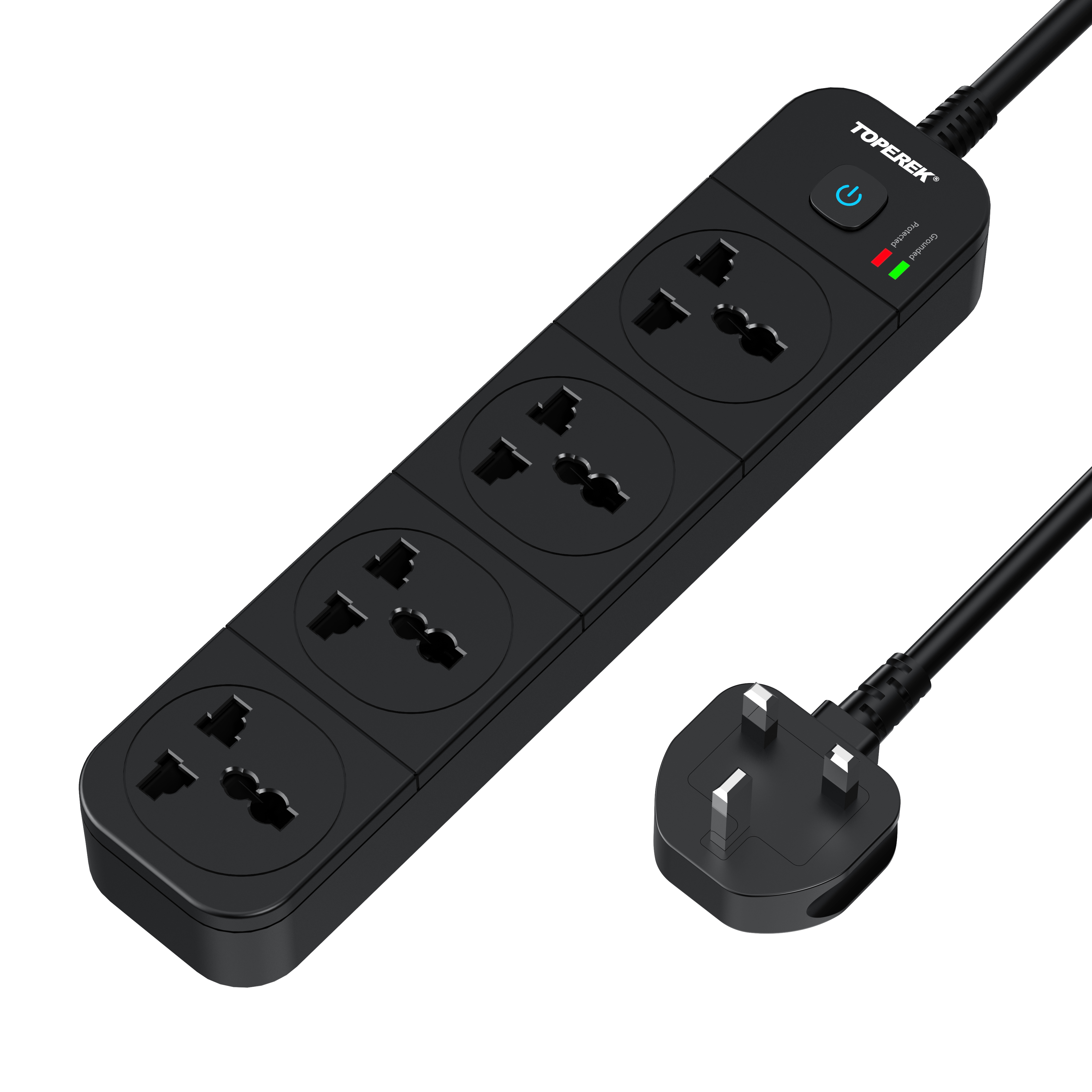
Bold 10A 4-Outlet Surge Protection Universal Black Extension Cord with Shutter UK Socket Power Strip
Product Details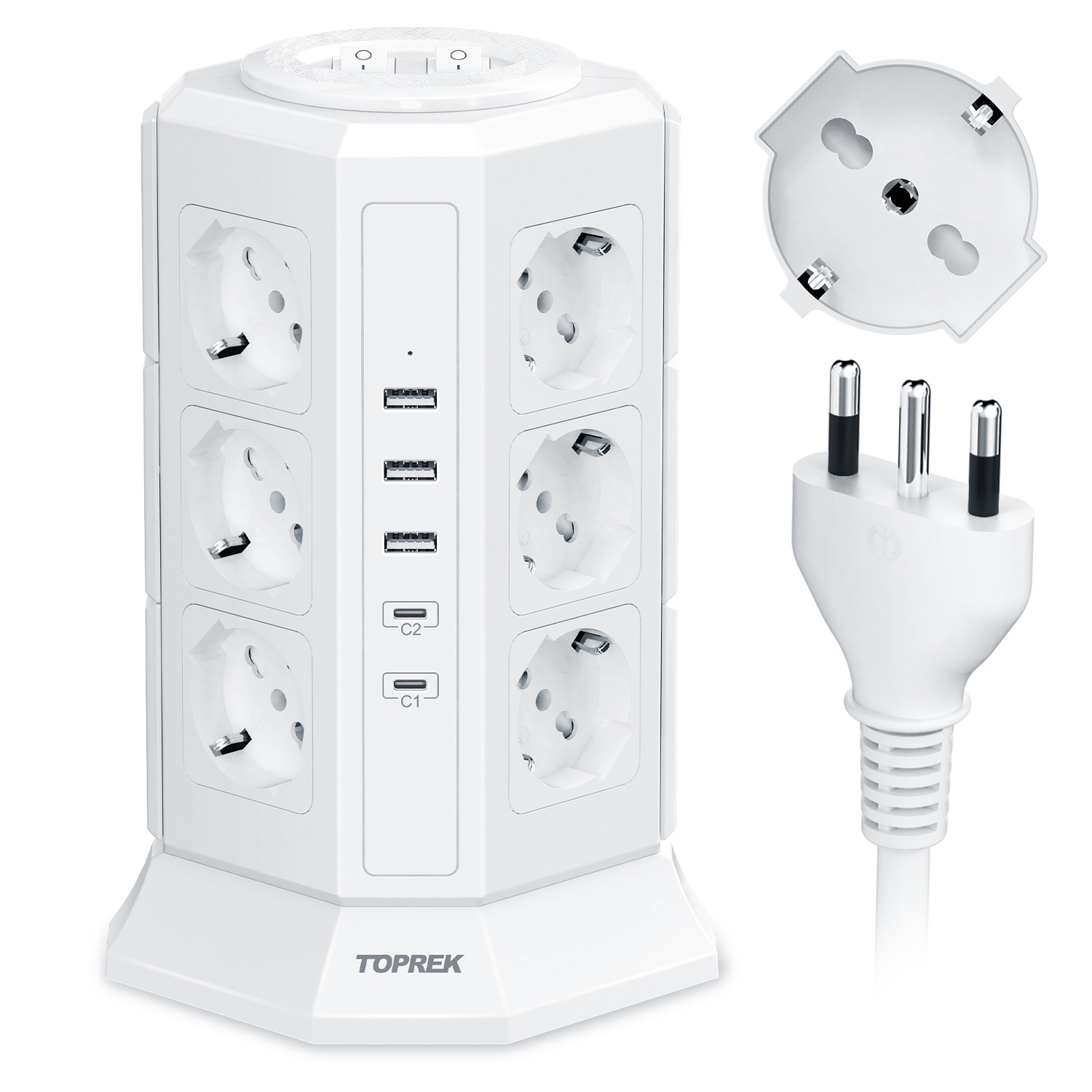
TOPEREK Italy Standard 3-Layer Tower Extension Socket 2M 12 AC Outlets 3 USB-A Ports 2 USB-C Ports Surge Protector PD 20W 16A
Product Details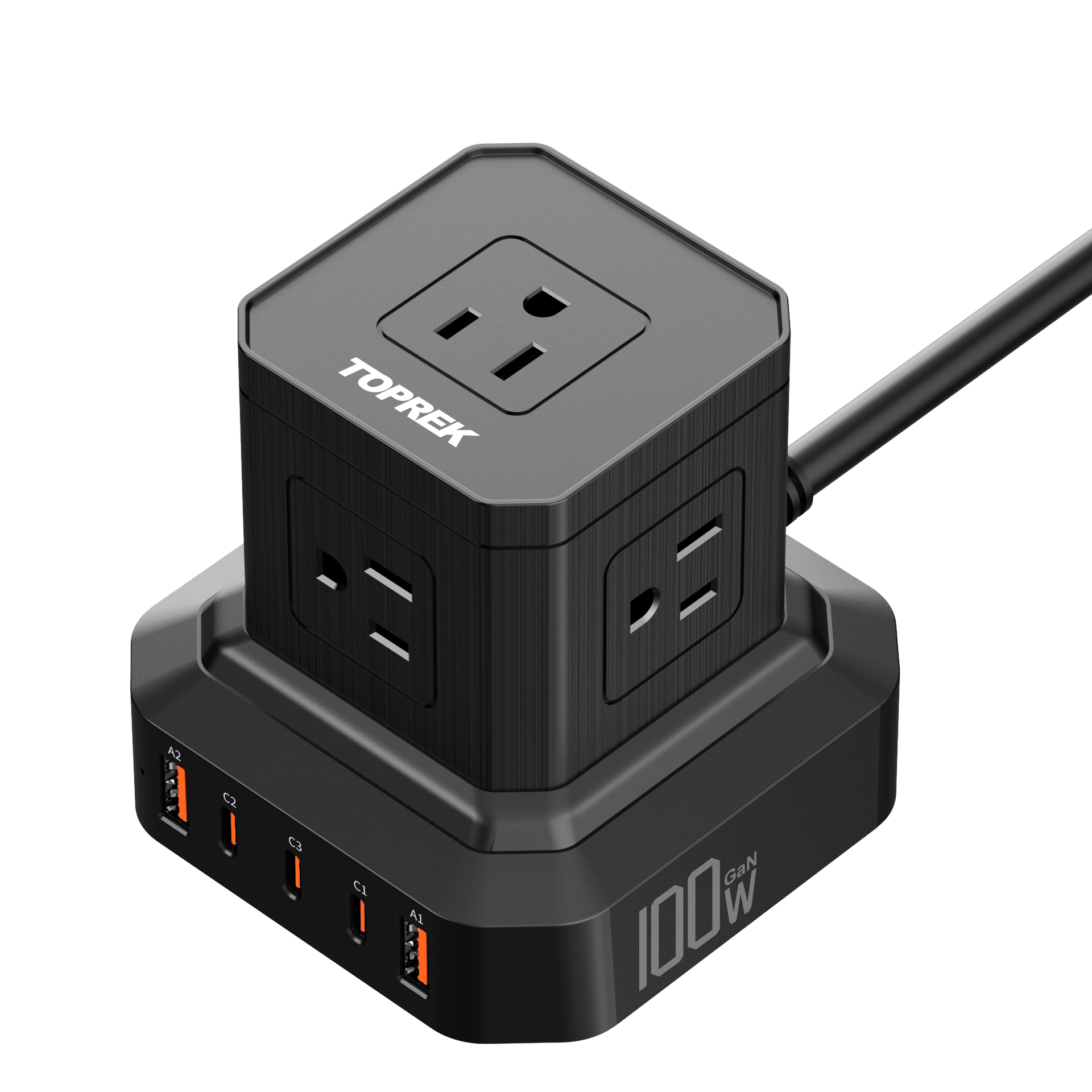
100W Super Fast Charging 110-125V Extension Socket USA Standard 2m 5 Outlets 2 USB-A 3 USB-C Fire Retardant
Product DetailsComprehensive Engineering White Paper: Sourcing Industrial & Commercial Tower Power Sockets from China
As enterprise workstations, commercial smart offices, and modern consumer home-entertainment ecosystems become denser, traditional horizontal extension cords fall short. Floor-based traditional power strips introduce significant workspace clutter, induce severe thermal trapping when overloaded, and cause physical spatial blockages where large AC transformers occupy multiple socket slots simultaneously. The vertical tower power socket has emerged as the definitive electrical distribution architecture to resolve footprint limitations while integrating high-output direct current (DC) semiconductor charging directly alongside multi-channel alternating current (AC) power feeds.
Shenzhen Laxvi Technology Co., Ltd. (operating as Laxvi) provides end-to-end original equipment manufacturing (OEM) and original design manufacturing (ODM) capabilities across an 11,600-square-meter facility verified on-site by TÜV Rheinland. This comprehensive technical guide analyzes engineering benchmarks, procurement metrics, thermal management structures, and testing criteria vital for global brand holders, commercial distributors, and technical procurement directors seeking high-reliability tower electrical systems from China.
Global Architectural Evolution: The Shift from Linear to Vertical Power Topologies
The transition toward multi-layered vertical tower extension hubs represents an ergonomic and thermodynamic leap. A typical 12-to-16-outlet linear strip extends over 450 millimeters in length, creating structural bending moments, cord tangling, and high footprint liabilities on desks and conference consoles. Conversely, vertical three-dimensional column architecture arranges plug interfaces radially across multiple faces—commonly 3-sided or 4-sided geometric prisms.
Zero Adapter Interference
Multi-directional radial face layouts ensure that oversized power supplies, standard BS 1363 plugs, and Schuko transformer blocks do not block adjacent electrical interfaces, maximizing socket utilization to 100%.
Natural Convective Chimney Effect
Linear boards trap heat along their base plane. Vertical tower enclosures exploit passive vertical convection: heat generated by internal transformers and contact points vents upward through deliberate top-tier chimney apertures.
Multi-Tier Sub-Circuit Isolation
Equipped with dedicated tier-specific mechanical rocker switches, tower power assemblies permit localized zone isolation. Users switch off entire layers of dormant devices without interrupting active computing systems.
Future Market Procurement Trends (2025–2030): Technical Strategic Insights
For B2B buyers, importing commodities based on lowest initial bill-of-materials (BOM) cost leads to high warranty return rates and regulatory customs liabilities. Procurement trends are governed by shifting regulatory compliance, higher device wattage, and industrial design convergence:
1. Monolithic GaN Fast Charging Integration (PD 65W – 140W)
End consumers demand the complete elimination of discrete desktop wall adapters. The future of tower power sockets lies in integrated Gallium Nitride (GaN III & GaN IV) solid-state semiconductor assemblies integrated into the base or upper apex of the tower. Delivering high power densities within tight spatial enclosures without degrading nearby copper busbars requires high-efficiency planar transformers, synchronous rectifiers, and intelligent dynamic power distribution protocols (supporting USB Power Delivery 3.1 Extended Power Range).
2. Material Flame Retardancy Standards (UL94 V-0 & 850°C Glow-Wire Compliance)
With insurance liabilities increasing for commercial properties, international compliance demands housing enclosures formulated from high-grade Polycarbonate (PC) and Acrylonitrile Butadiene Styrene (ABS) composite plastics capable of resisting direct open flames. Our proprietary formulations achieve UL94 V-0 ratings, self-extinguishing within 10 seconds of ignition, and pass the rigorous 750°C/850°C Glow-Wire Flammability Test (IEC 60695-2-11) without flaming drop phenomena.
3. Global Standards Normalization & Regional Customization
Rather than developing distinct tooling platforms for every export market, procurement models prioritize modular internal architectures. Our engineering frames allow swift configuration for North American NEMA 5-15R (15A/125V), European CEE 7/3 Schuko (16A/250V), British BS 1363 (13A/250V), Italian CEI 23-50 Type L bypass, and Japanese JIS C 8303 (15A/100V with PSE tracking resistance) on identical outer tooling chassis.
| Destination Territory | Primary Plug Standard | Voltage / Current Max | Mandatory Testing Criteria | Structural Engineering Mandate |
|---|---|---|---|---|
| North America (USA/CA) | NEMA 5-15P / 5-15R | 125V AC / 15A (1875W) | UL 1363 / UL 1449 / UL 498 | Integrated 15A Circuit Breaker, 14AWG Pure Copper Core |
| European Union (EU) | CEE 7/7 Schuko / Type F | 250V AC / 16A (4000W) | EN 61643-11 / Low Voltage Directive (LVD) | Dual Pole Disconnection Switch, Child Safety Shutters (1mm probe) |
| United Kingdom (UK) | BS 1363 / Type G | 250V AC / 13A (3250W) | BS 1363-2 / UKCA Electrical Regulations | BS 1362 Internal Sand-Filled Ceramic Fuse, Shuttered Earth-Pin Opening |
| Japan (JP) | JIS C 8303 / Type A/B | 100V AC / 15A (1500W) | Electrical Appliance and Material Safety Act (PSE) | Urea Resin Heat-Resistant Inserts, Tracking-Proof Insulated Blade Collars |
| Italy (IT) | CEI 23-50 / Type L | 250V AC / 10A & 16A | IMQ Certified Compliance | Bipasso (Dual-gauge) Shuttered Terminals with Ground Alignment |
Behind the Build: Factory-Direct Manufacturing & Testing Excellence
Shenzhen Laxvi Technology Co., Ltd. eliminates middleman price premiums by maintaining complete vertical integration. Our manufacturing campus houses industrial mold fabrication, precision injection molding, automated surface mount technology (SMT) lines, wire extrusion, ultrasonic welding, and end-to-end automated aging labs under one unified roof.
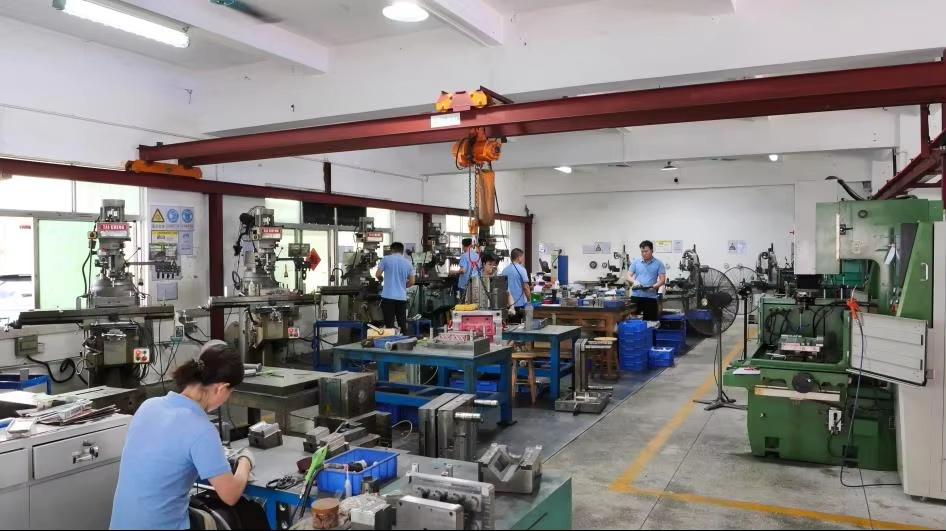
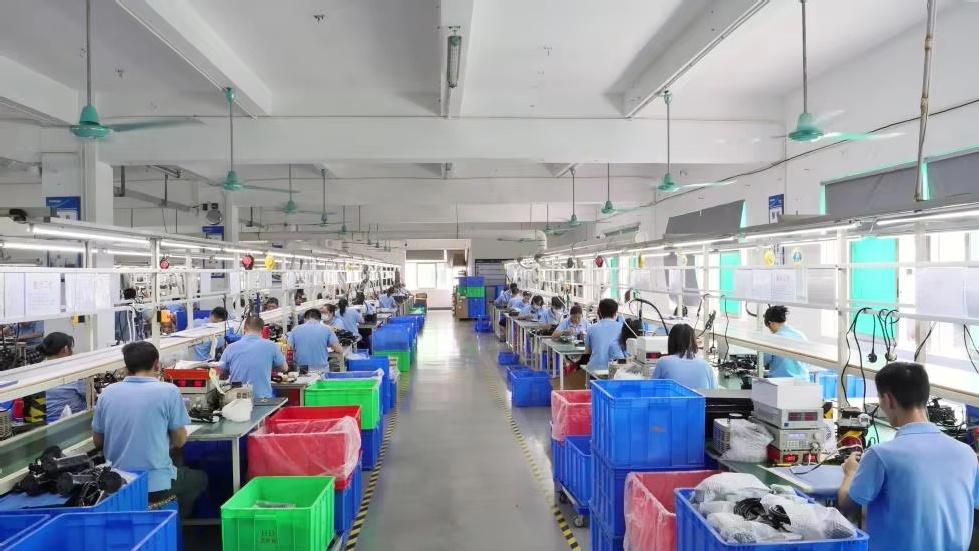
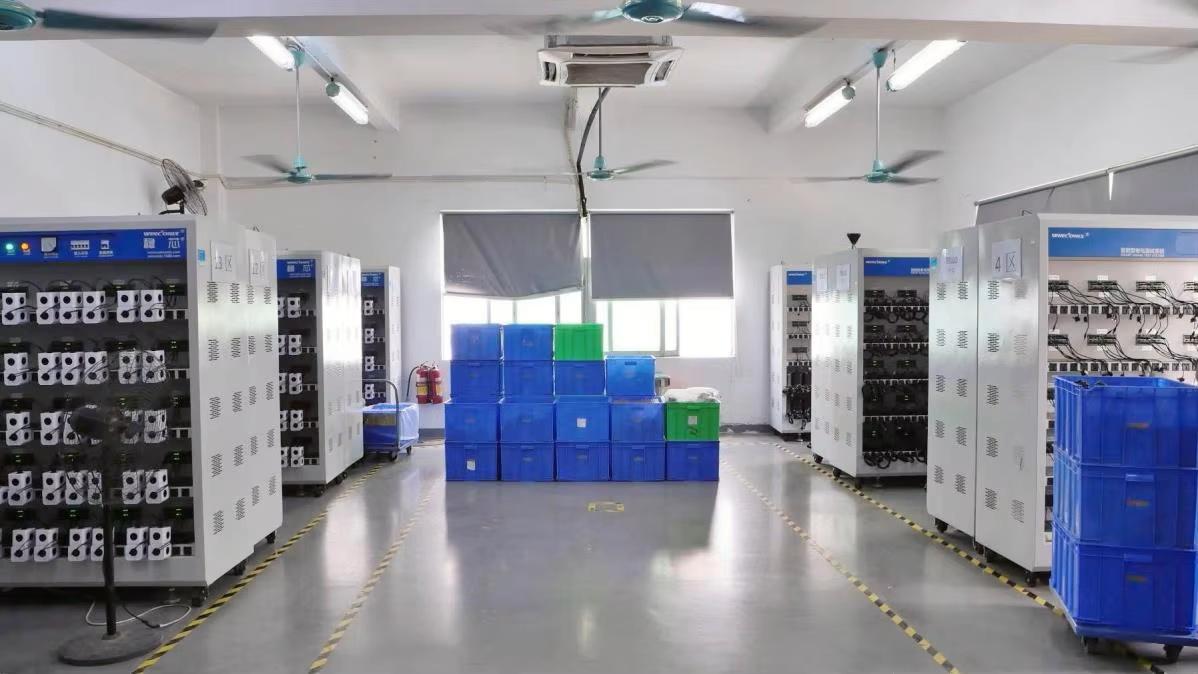
Quality Assurance & Internal Laboratory Auditing Benchmarks
Each unit produced undergoes systematic in-line verification before entering final packaging:
- Phosphor Bronze Integrated Stamping: Unlike inferior units utilizing riveted wire assemblies that loosen over thermal cycles, Laxvi constructs AC busbars from high-purity, tin-plated phosphor bronze stamping bars. This eliminates contact resistance, minimizes temperature rise during continuous 16A loads, and guarantees over 10,000 insertion/extraction cycles without contact degradation.
- Withstand Voltage (Hipot) Testing: 100% inline electrical insulation breakdown tests are conducted at 3000V AC for EU/UK platforms and 1500V AC for US/JP markets, guaranteeing zero current leakage across neutral, line, and chassis interfaces.
- Environmental Stress Screening: Our on-site testing facility verifies structural longevity through salt spray corrosion chambers (48 to 96 hours on all metallic pins), mechanical drop and vibration rigs, switch durability cyclers (minimum 10,000 actuations under full inductive load), and high-temperature humidity chambers (85°C / 85% RH).
B2B Procurement FAQs: Tower Power Sockets & Custom Sourcing
Q1: What is the standard minimum order quantity (MOQ) for custom OEM tower power sockets?
For custom silk-screened logos, customized master cartons, and tailored instruction manuals on existing platform molds, our standard MOQ starts at 500 units per model. For bespoke tooling projects involving custom physical dimensions, unique casing finishes (such as wood-grain hydro-dipping), or custom PCBA board designs, the tooling MOQ is typically 1,000 to 2,000 units.
Q2: How do your surge protection modules protect enterprise client equipment?
Our surge suppressor towers utilize three-line (L-N, L-G, N-G) advanced Metal Oxide Varistor (MOV) arrays equipped with thermal cut-offs. Ranging from 900 Joules to 2100 Joules depending on specification, our systems clamp transient voltage spikes within nanoseconds, preventing destructive spikes caused by lightning or grid anomalies from damaging connected devices.
Q3: Can Laxvi produce vertical tower sockets that comply with regional safety certifications?
Yes. Our engineering configurations are built to satisfy the statutory directives for destination markets: UL/ETL (UL1363/UL1449) for the United States and Canada; CE, RoHS, and REACH for the EU; UKCA and BS 1363 for the United Kingdom; PSE for Japan; SAA for Australia; and IMQ for Italy. We provide pre-testing data sets to expedite third-party laboratory certifications.
Q4: What is the advantage of pure copper extension cables compared to copper-clad aluminum (CCA)?
Laxvi exclusively uses oxygen-free pure copper conductors inside heavy-duty PVC or rubber jackets (e.g., 3G1.5mm² for European 16A standards, 14AWG for US 15A standards). Inferior Copper Clad Aluminum (CCA) cables exhibit elevated internal resistance, leading to severe thermal expansion, voltage drop over run distances, and dangerous fire hazards under sustained maximum wattage.
Q5: What are your standard mass-production lead times and sample delivery schedules?
Evaluation engineering samples with specific plug standards and USB configurations are typically assembled and dispatched within 3 to 7 working days. Following signed sample approval and deposit confirmation, mass manufacturing timelines standardly sit between 25 to 35 calendar days, supported by integrated in-house injection molding and automated SMT operations.
Accelerate Your Brand's Power Portfolio with Direct Factory Support
Consult with our senior power supply engineers to request tailored quotations, rapid-turnaround prototypes, full test reports, or comprehensive factory audit documentations.
Contact Us