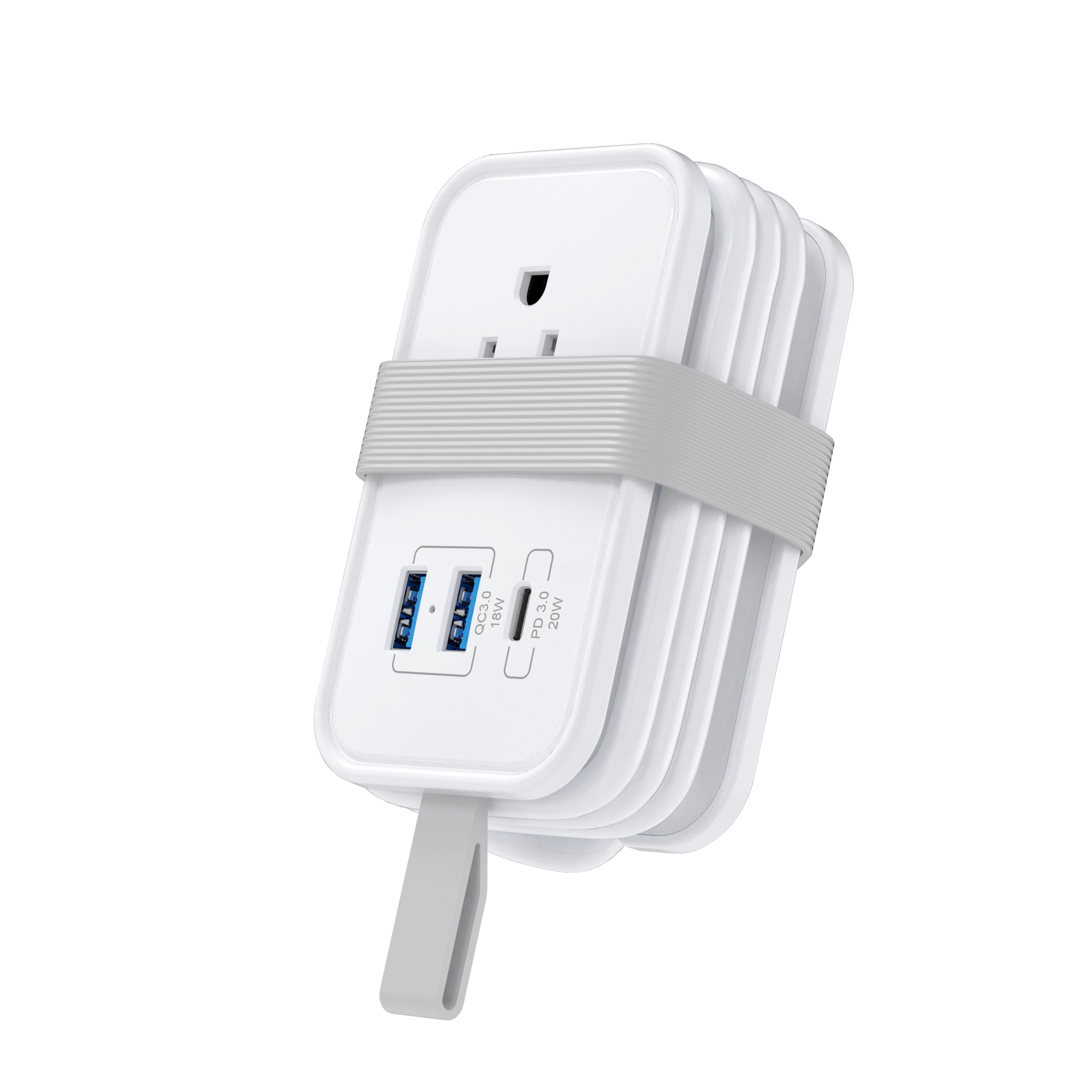
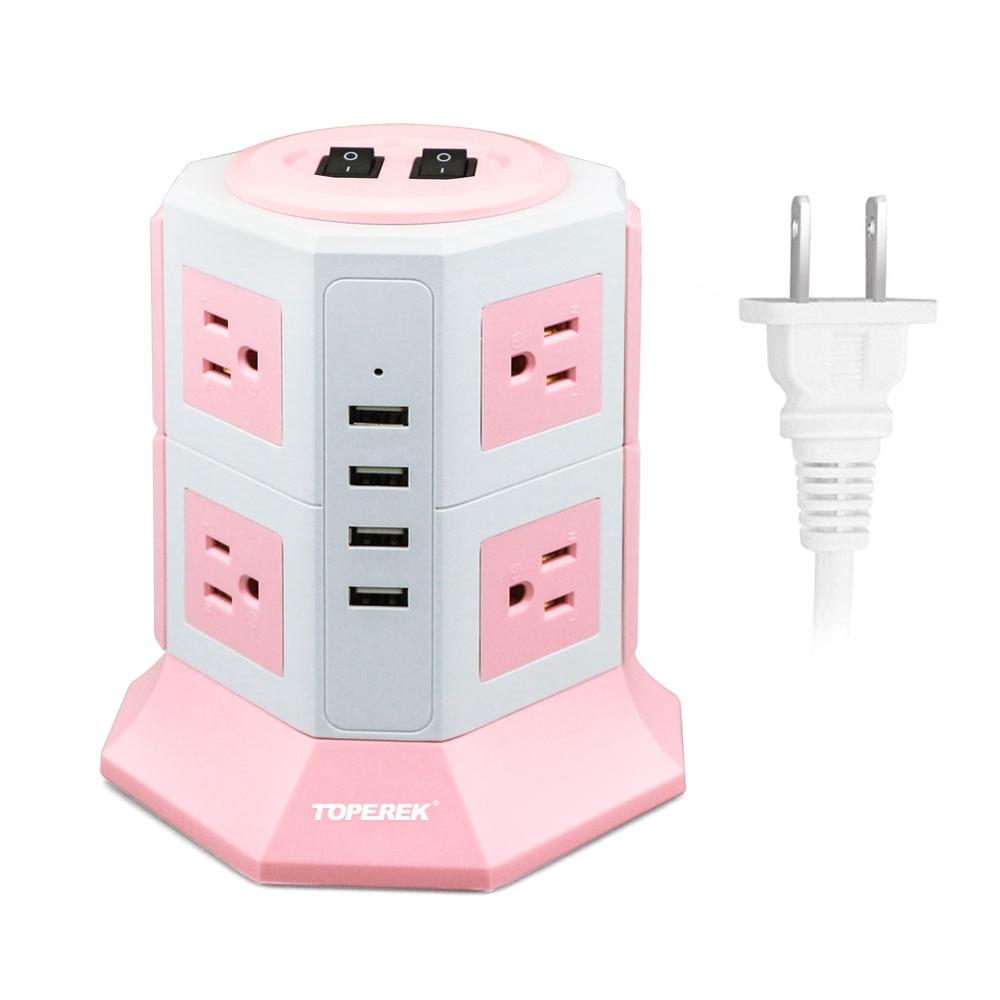
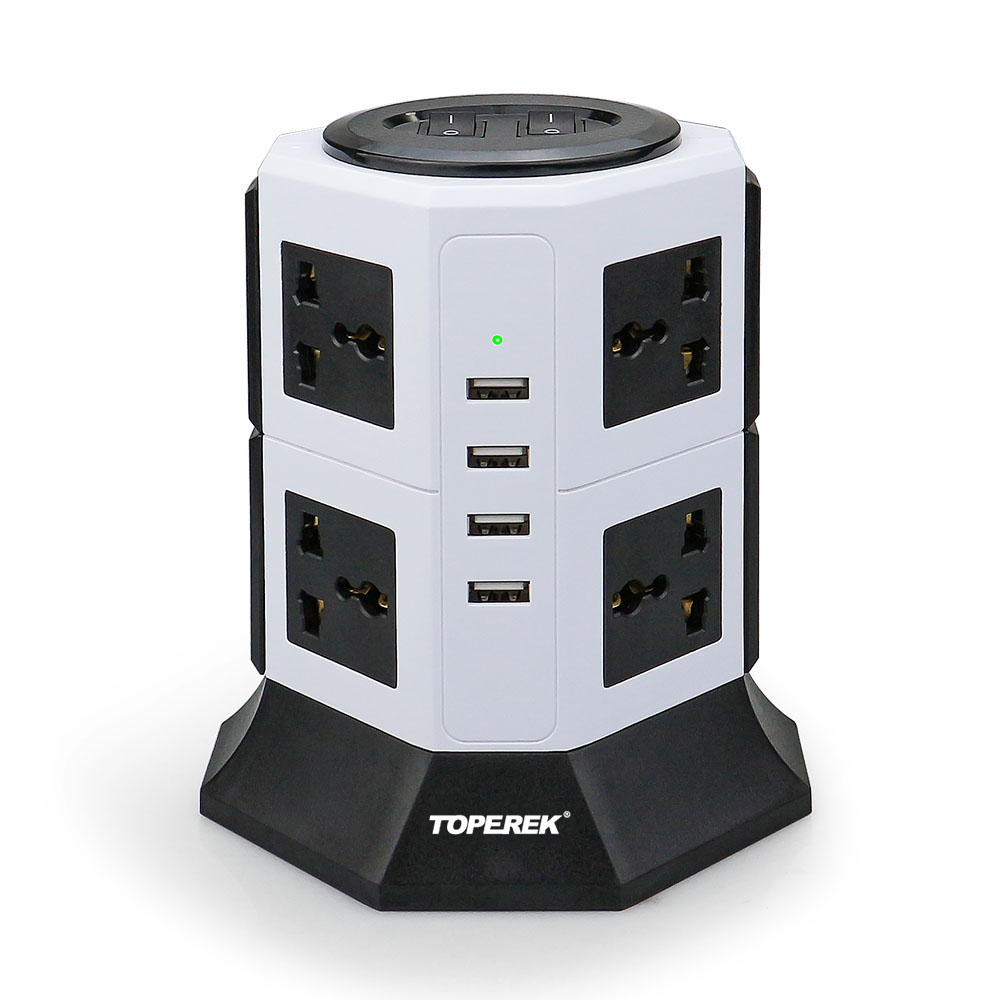
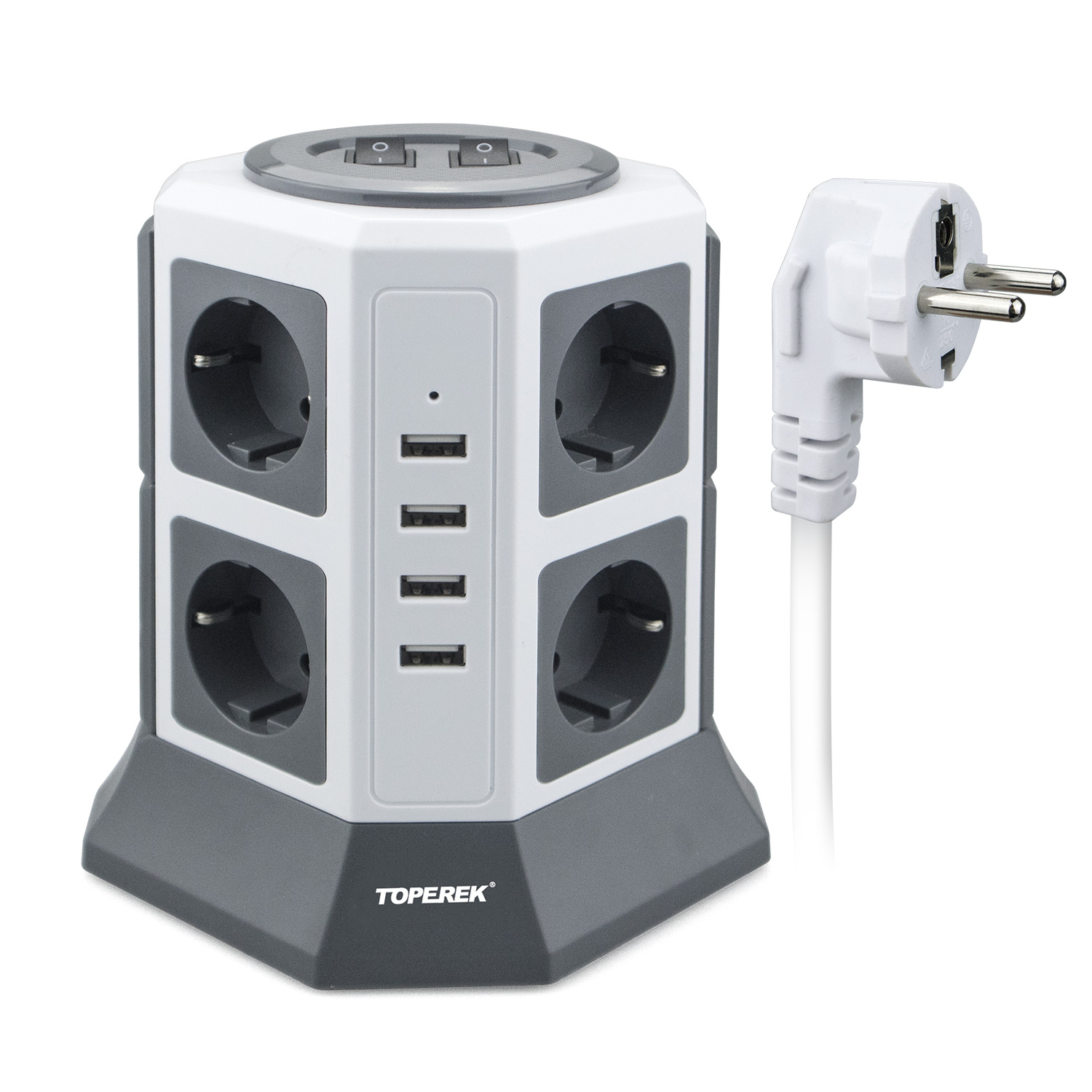
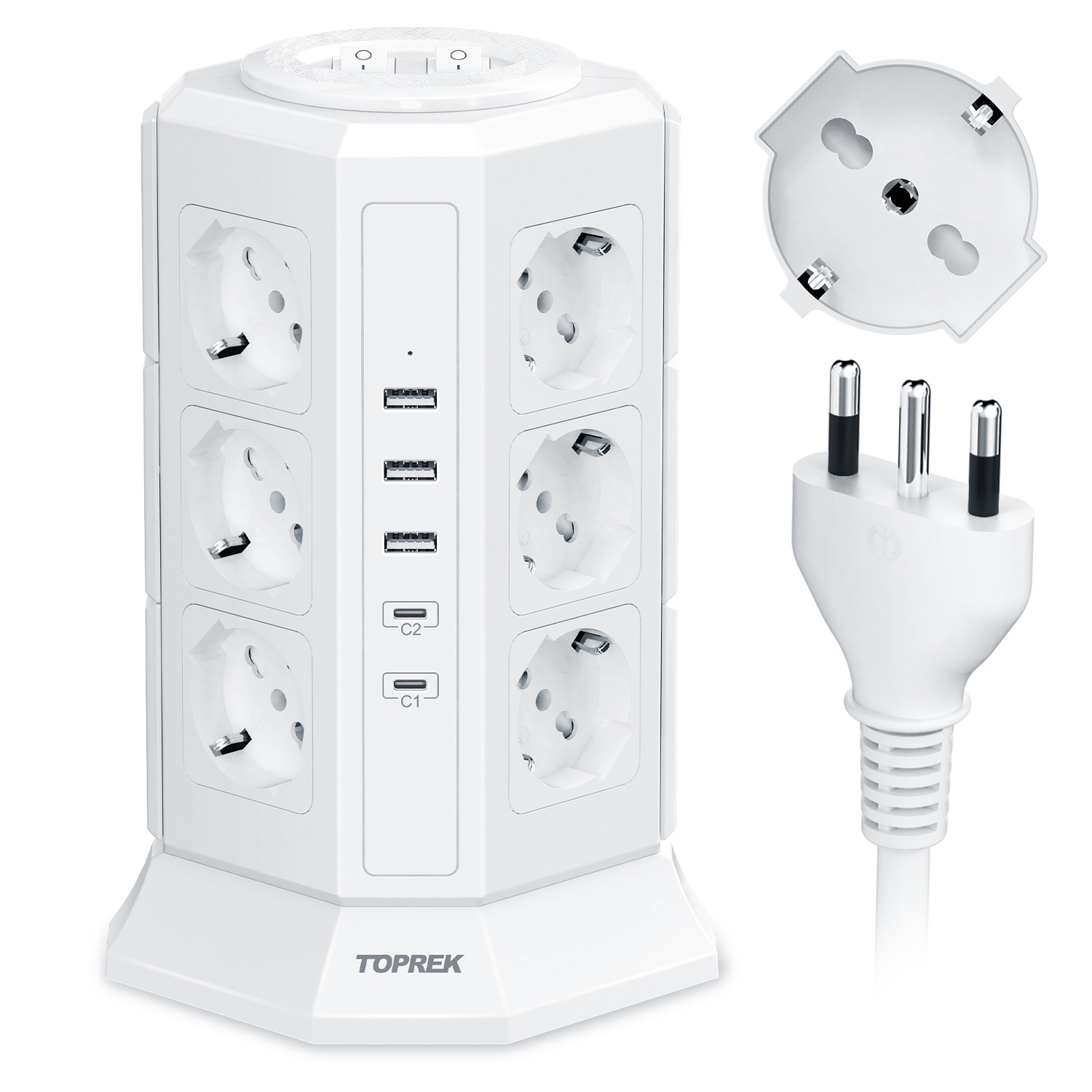
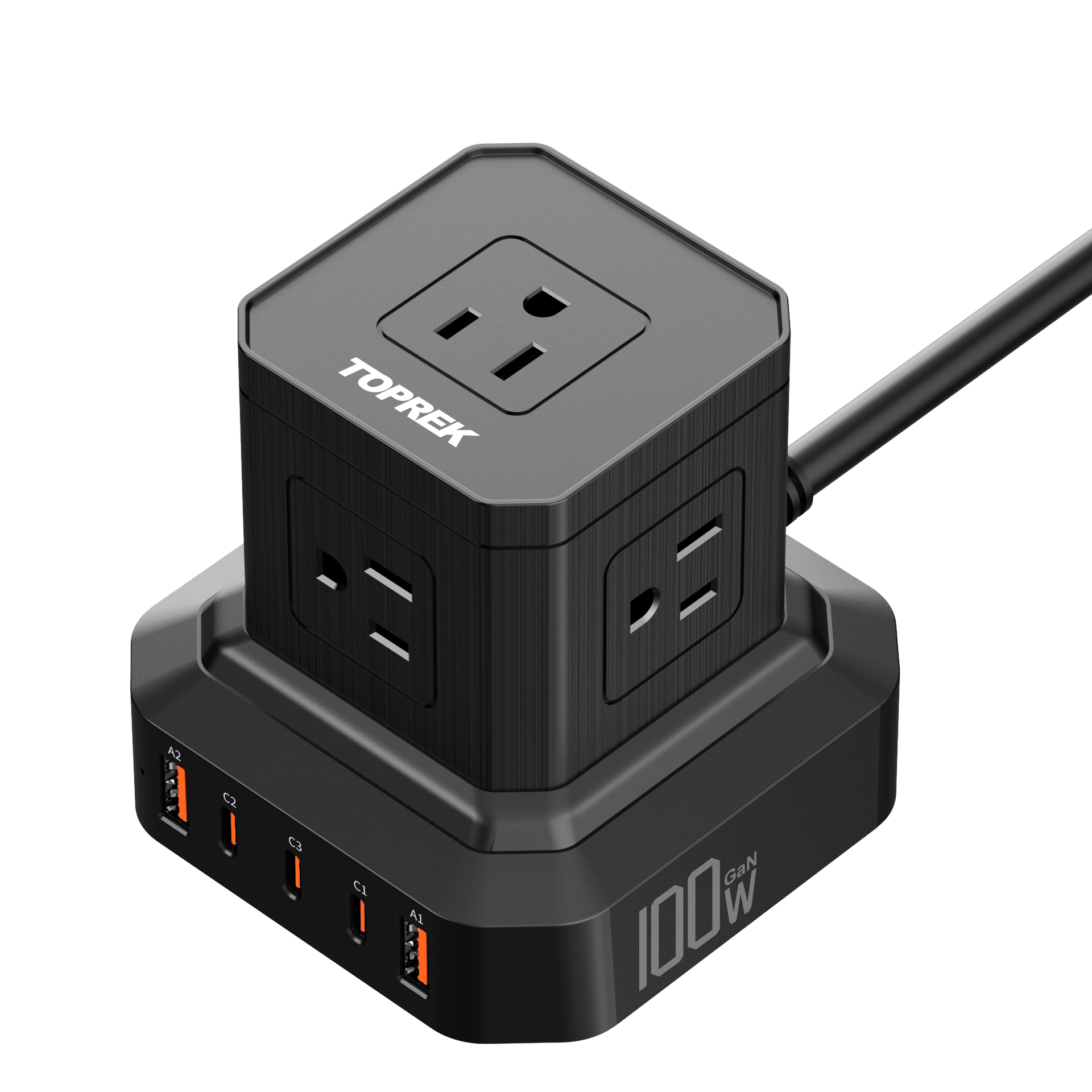
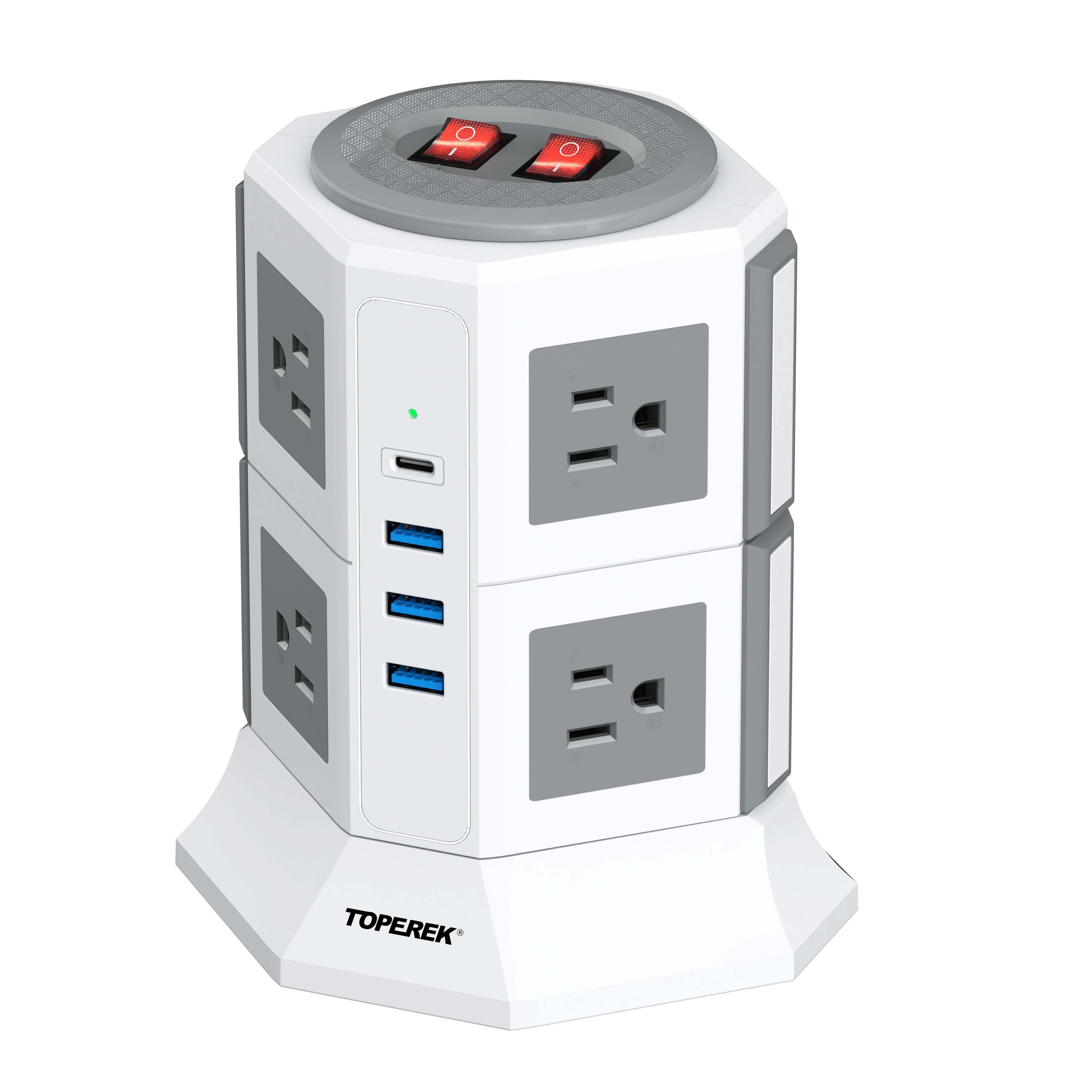
Directly tooled and manufactured to surpass CE, ETL, UKCA, PSE, and SASO electrical safety mandates. Incorporating smart USB-C Power Delivery and industrial-grade surge suppression.
Strategic market mapping of leading OEM/ODM electrical appliance production clusters in Shenzhen, Ningbo, Dongguan, and Southeast Asia.
In the high-stakes sector of global electrical hardware and consumer power distribution, selecting a manufacturing partner requires far more than comparing initial unit pricing. The extension socket market has shifted decisively from passive wire-and-contact assemblies toward active, technologically dense power distribution hubs. Modern units integrate sophisticated Gallium Nitride (GaN) fast-charging silicon, micro-controller-driven surge suppression, and flame-retardant thermal barrier enclosures. When evaluating the top 10 extension socket manufacturer factories and exporters worldwide, supply chain directors must evaluate five core technical pillars: tooling precision, phosphor-bronze busbar integrity, integrated PCBA assembly capability, international compliance certifications, and comprehensive batch traceability.
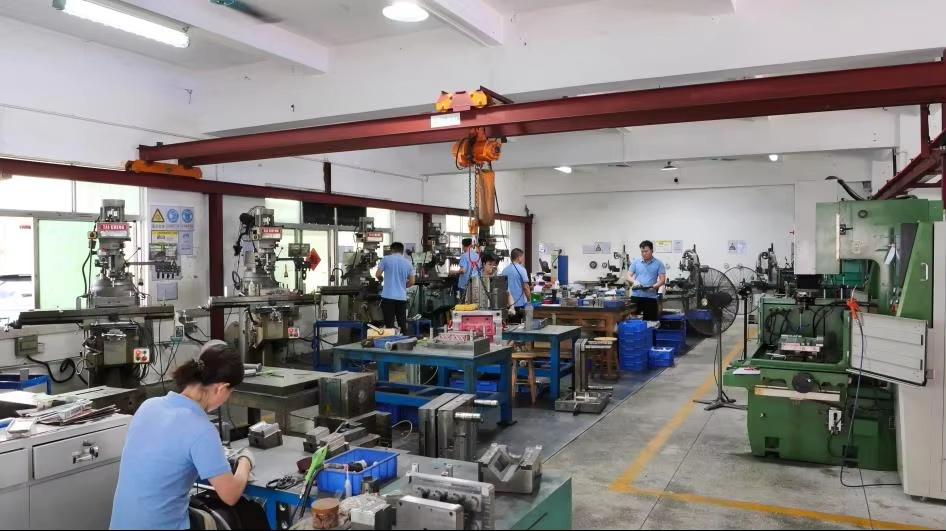
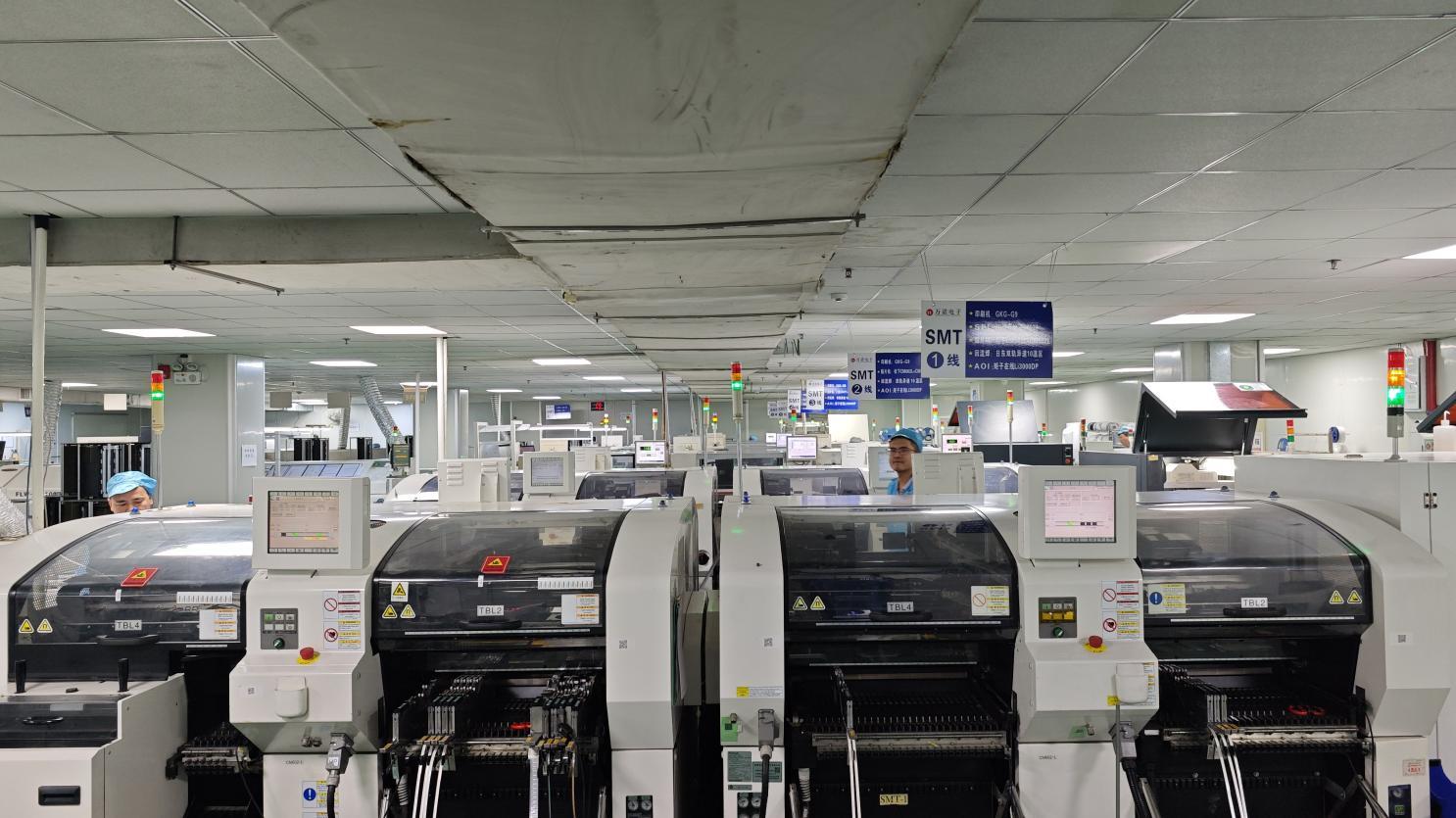
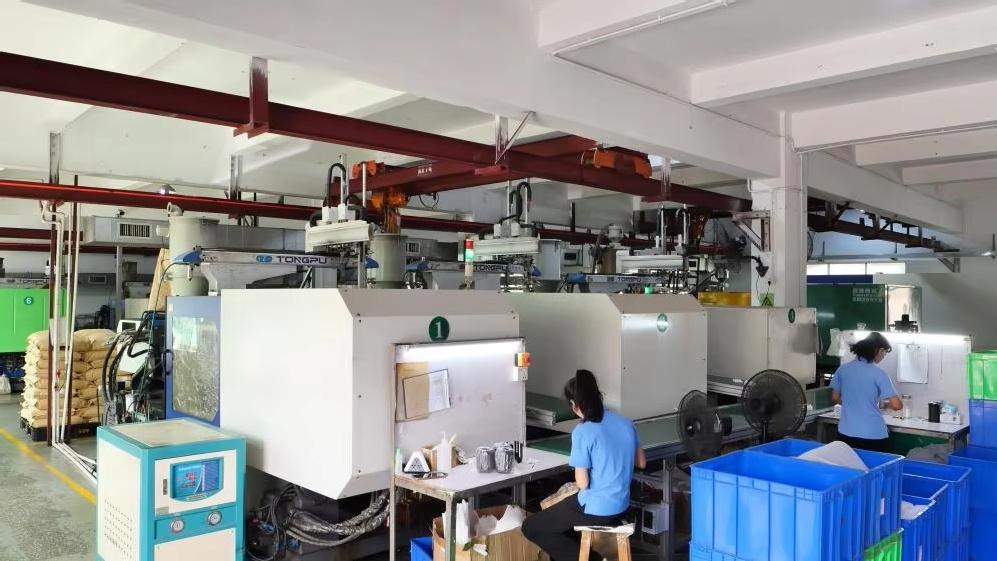
Leading the competitive matrix in China's innovation capital is Shenzhen Laxvi Technology Co., Ltd. (Laxvi). With an established 11,600 m² vertical production hub in Pinghu Street, Shenzhen, Laxvi represents the modern tier of electrical manufacturing where industrial design, high-precision injection tooling, automated Surface-Mount Technology (SMT), and high-voltage compliance validation reside directly under one roof. Unlike trading intermediaries or fragmented assembly workshops that outsource circuit boards or mold fabrication, an integrated Tier-1 enterprise maintains total ownership of the engineering cycle. This end-to-end control eliminates component tolerance mismatches, suppresses parasitic resistance inside high-amperage terminal strips, and drastically compresses OEM/ODM lead times for major retail and e-commerce importers.
| Evaluation Parameter | Tier 1: Vertically Integrated (e.g., Laxvi) | Tier 2: Assembly-Only Assemblers | Tier 3: Low-Cost Regional Brokers |
|---|---|---|---|
| Internal Conductor Structure | Integrated stamped phosphor bronze busbar (≥0.5mm) | Mixed copper strip & PVC insulated wire leads | Recycled brass strips / hand-soldered wires |
| Enclosure Fire Resistance | Virgin PC/ABS alloy, certified UL94 V-0 (750°C–850°C Glow-Wire) | Secondary regrind ABS plastic (UL94 V-2 or unrated) | Generic low-density polystyrene/regrind resin |
| USB Circuit Integration | In-house SMT & PCBA lines, GaN III smart protocol chips | Outsourced third-party modular USB boards | Uncertified generic linear transformer boards |
| Surge Suppression Rating | Thermal-fused MOV arrays (900J – 2100J) with gas discharge tubes | Basic unshielded 14D MOV discs (300J – 600J) | Nominal or omitted surge protection circuitry |
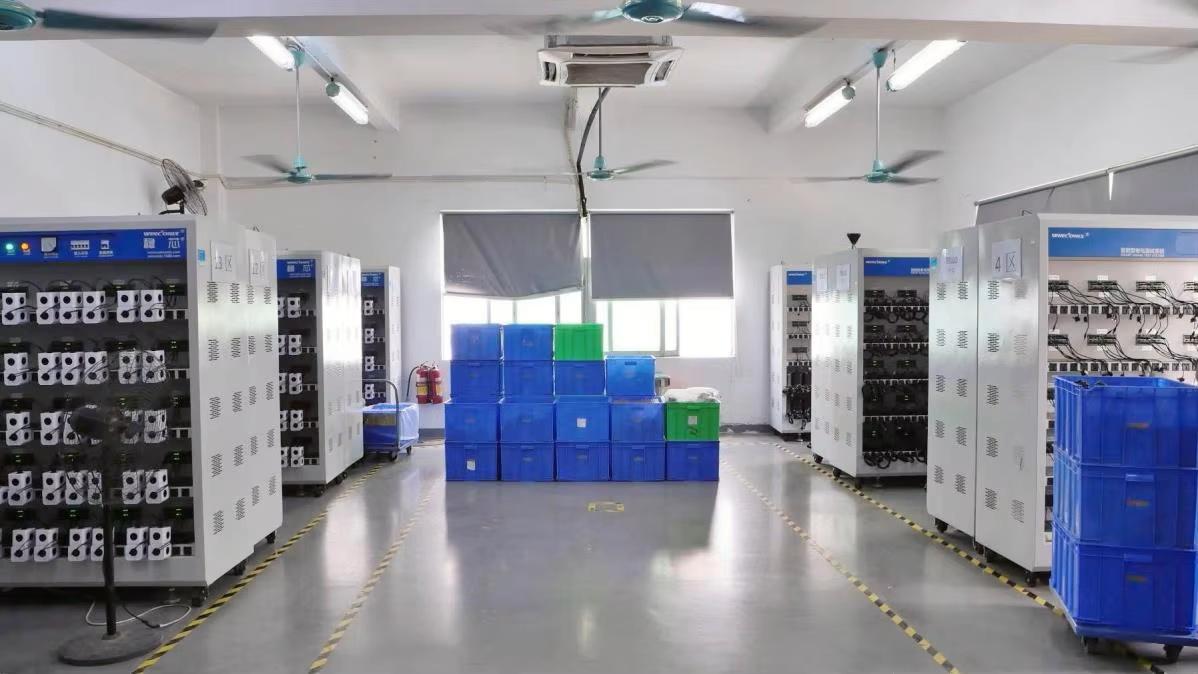
| Quality Assurance & Audits | TÜV Rheinland on-site verified; 100% in-line Hi-Pot & aging chamber | AQL 2.5 random outgoing sampling | Visual cosmetic check only |
| Tooling & Mold Customization | In-house CNC, EDM, wire-cutting; 25-day rapid tooling turnaround | Subcontracted mold shops; 60–90 day tooling delays | Public molds only; zero proprietary modifications |
Across the broader global export landscape, top manufacturers fall into distinct regional manufacturing corridors. Factories situated in the Pearl River Delta (Shenzhen, Dongguan) dominate the high-spec segment—specifically products featuring integrated GaN fast charging, multi-standard vertical towers, and high-wattage USB-C Power Delivery (30W to 100W+). In contrast, production bases in Ningbo and Cixi excel at high-volume, standardized outdoor cable reels and utilitarian heavy-duty industrial extension leads. However, for B2B buyers targeting North American, European, and Japanese consumer markets, Shenzhen-based manufacturers provide unmatched electronic agility, rapidly adopting USB-C PD 3.1 protocols and sophisticated industrial aesthetics that seamlessly fit modern home and commercial workstations.
Key engineering shifts shaping the next five years of extension socket architecture, fast charging, and energy compliance standards.
The traditional distinction between wall chargers and multi-outlet extension strips has vanished. Next-generation sockets directly integrate Gallium Nitride (GaN III & IV) power stages into the internal casing, delivering 65W to 140W PD power straight from desktop units without bulky external AC brick adapters.
Driven by strict insurance requirements and stringent consumer watchdog standards, engineering specifications are transitioning toward 850°C glow-wire resistant polycarbonate blends. These self-extinguishing polymers prevent secondary fires even during severe internal fault arcs or catastrophic voltage surges.
Modern sensitive computing equipment demands sub-nanosecond response times. Modern extension hubs now deploy hybrid protection topologies consisting of thermal-cutoff fuses, Metal Oxide Varistors (MOVs), and Gas Discharge Tubes (GDTs) that attenuate both common-mode and differential-mode noise surges.
Commercial enterprise buyers increasingly mandate micro-level energy metering. Upcoming smart socket strips integrate ultra-low-power Matter and Zigbee microcontrollers, allowing automated scheduling, idle current cutoff, and individual socket energy monitoring via unified enterprise cloud dashboards.
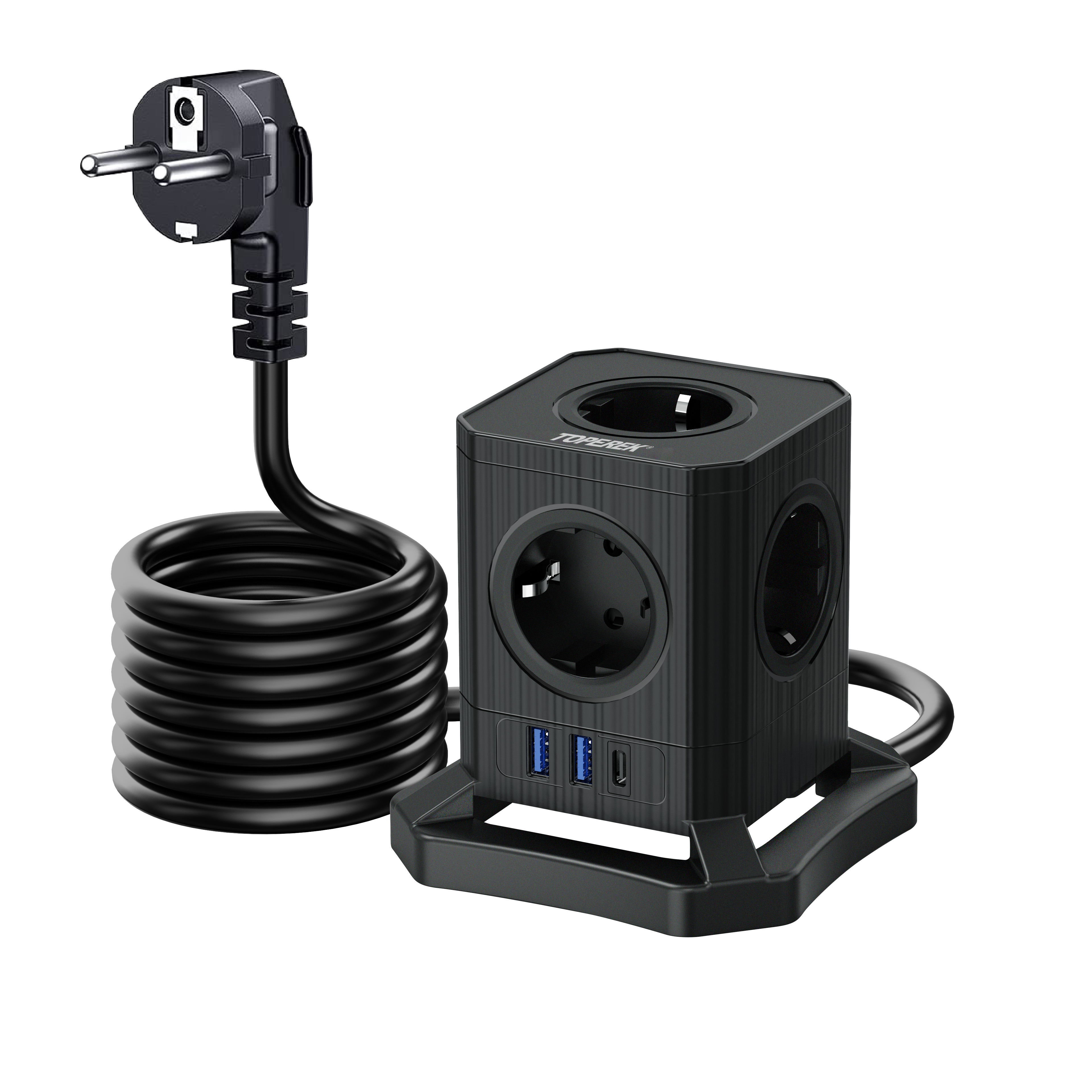
Linear horizontal strips are losing market share to space-efficient vertical towers and geometric desktop cubes. By staggering outlet faces on distinct planes, these multidirectional form-factors prevent large transformers and oversized plugs from blocking neighboring sockets.
Compliance with EU ErP Lot 26 regulations requires standby power dissipation below 0.1W. Advanced auto-sensing sleep circuits isolate internal DC-DC converters whenever connected smart devices reach 100% capacity, eliminating phantom parasitic drain across residential and enterprise networks.
Complete in-house control over molds, injection molding, SMT electronic lines, automated assembly, and stringent safety laboratories.
Established in 2013 and situated within Shenzhen’s Fuchengao Industrial Zone, Shenzhen Laxvi Technology operates an internationally audited 11,600 m² production complex. With a trained workforce of 340 specialists, Laxvi has cemented its position as a preferred primary supplier for renowned global consumer electronic brands, regional chain distributors, and commercial importers.
Mitigate compliance liabilities, customs delays, and product liability risks with this comprehensive verification framework.
Procuring extension sockets on an international scale entails navigating a complex web of regional electrical codes, thermodynamic realities, and consumer protection mandates. Importers who focus strictly on low unit costs often face disastrous downstream penalties: confiscated shipments at EU/US ports of entry, costly batch recalls triggered by defective switch springs, or catastrophic brand damage resulting from melting enclosures. Professional B2B sourcing agents adhere to three uncompromising technical guidelines before approving production tooling:
1. Verify Copper Cross-Sectional Area (CSA): For 16A European Schuko standards, extension cords must feature true 3×1.5mm² pure oxygen-free copper conductors. For 13A UK Type-G cables, 3×1.25mm² or 3×1.5mm² is required, while 15A US strips must utilize genuine 14 AWG wiring. Sub-tier factories frequently substitute copper-clad aluminum (CCA) or secretly reduce the strand count to 0.75mm², causing dangerous resistive heating under sustained full electrical loads.
2. Insist on Intertek or TÜV Direct Test Certificates: Certificates provided by untrusted or non-accredited local test houses are regularly rejected by customs authorities and leading online marketplaces (such as Amazon and Walmart). Require full test reports linked to specific recognized laboratory certificate numbers (e.g., ETL under UL 1363/UL 1449, or TÜV Mark under EN 61242/EN 62368-1).
3. Evaluate Internal Mechanical Contact Retention: High-quality sockets are tested for contact retention force after 10,000 insertion cycles. The internal spring mechanism must maintain sufficient clamping pressure to prevent loose plug contacts, which induce micro-arcing and contact pit degradation over continuous appliance operation.
Clear, direct answers regarding custom tooling, compliance certification transfer, minimum order quantities, and manufacturing lead times.
Connect directly with Laxvi’s senior engineering and international trade account team. Receive detailed technical datasheets, full compliance test reports, and an all-inclusive factory quotation within 24 business hours.