Featured Rotating, Modular & Multi-Outlet Systems
Direct from our TÜV Rheinland onsite-verified facility: explore engineered power distribution units featuring 180°–360° rotational modularity, vertical tower topologies, and integrated GaN high-density charging modules.
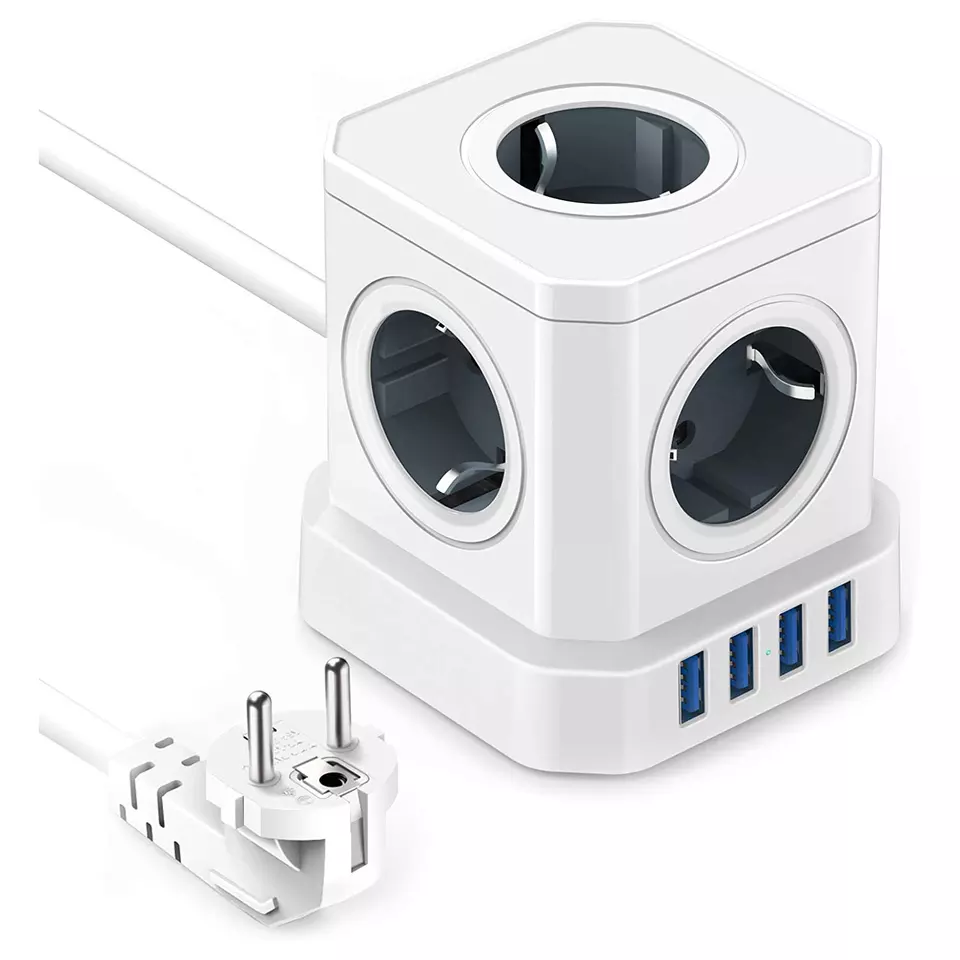
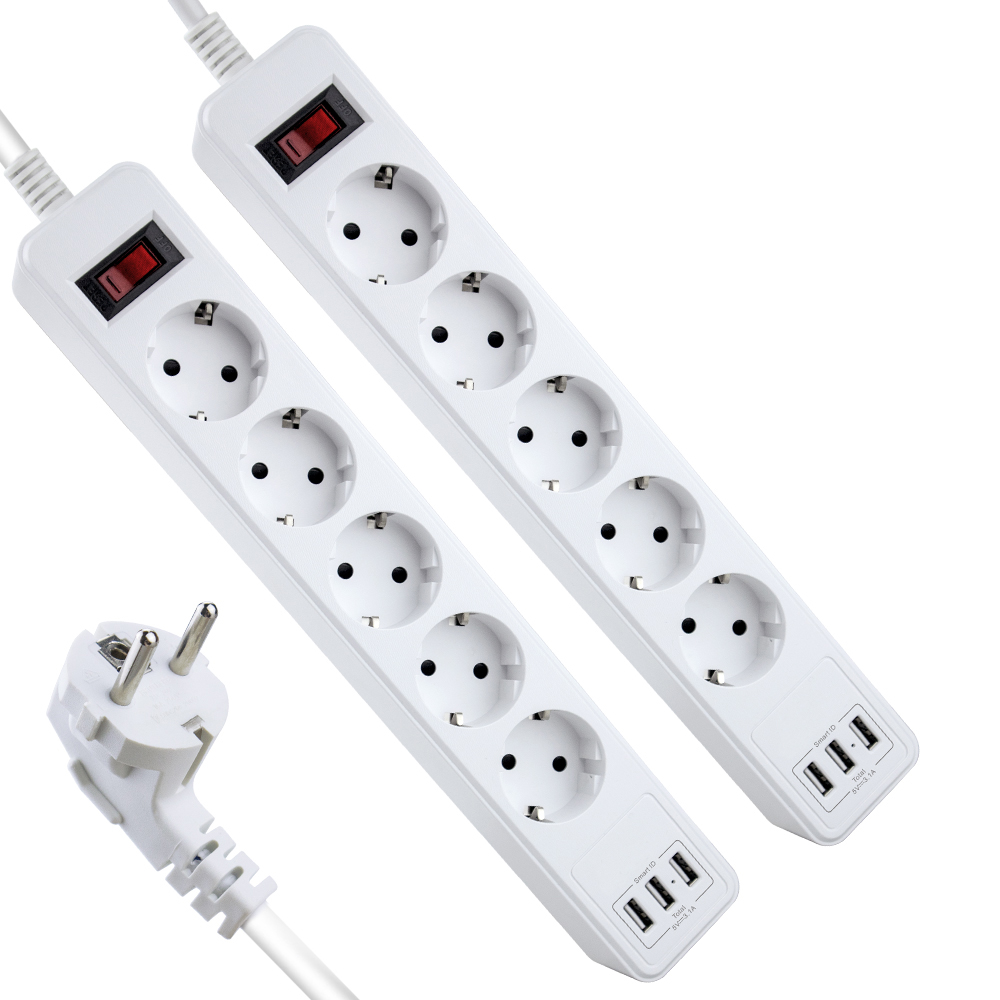
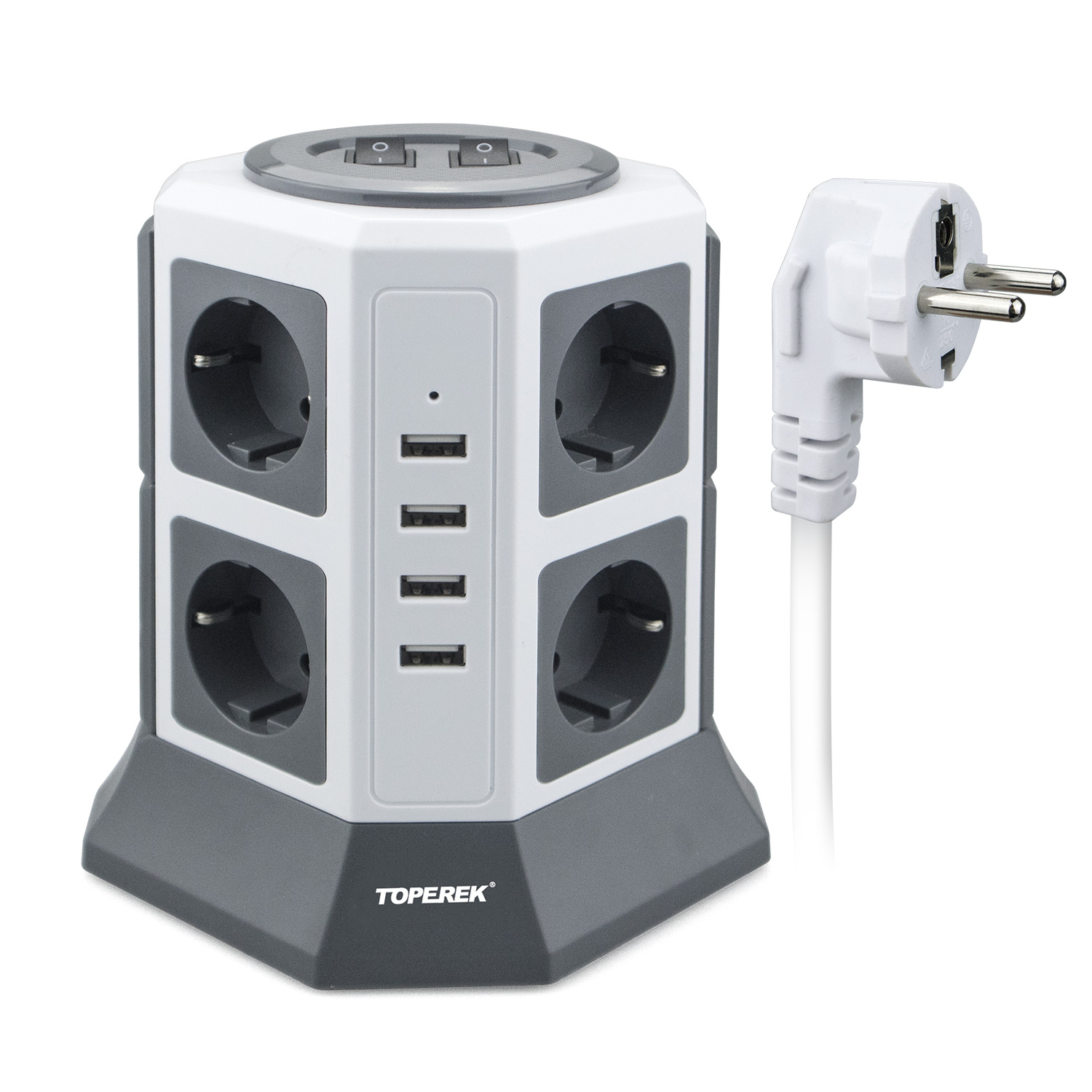
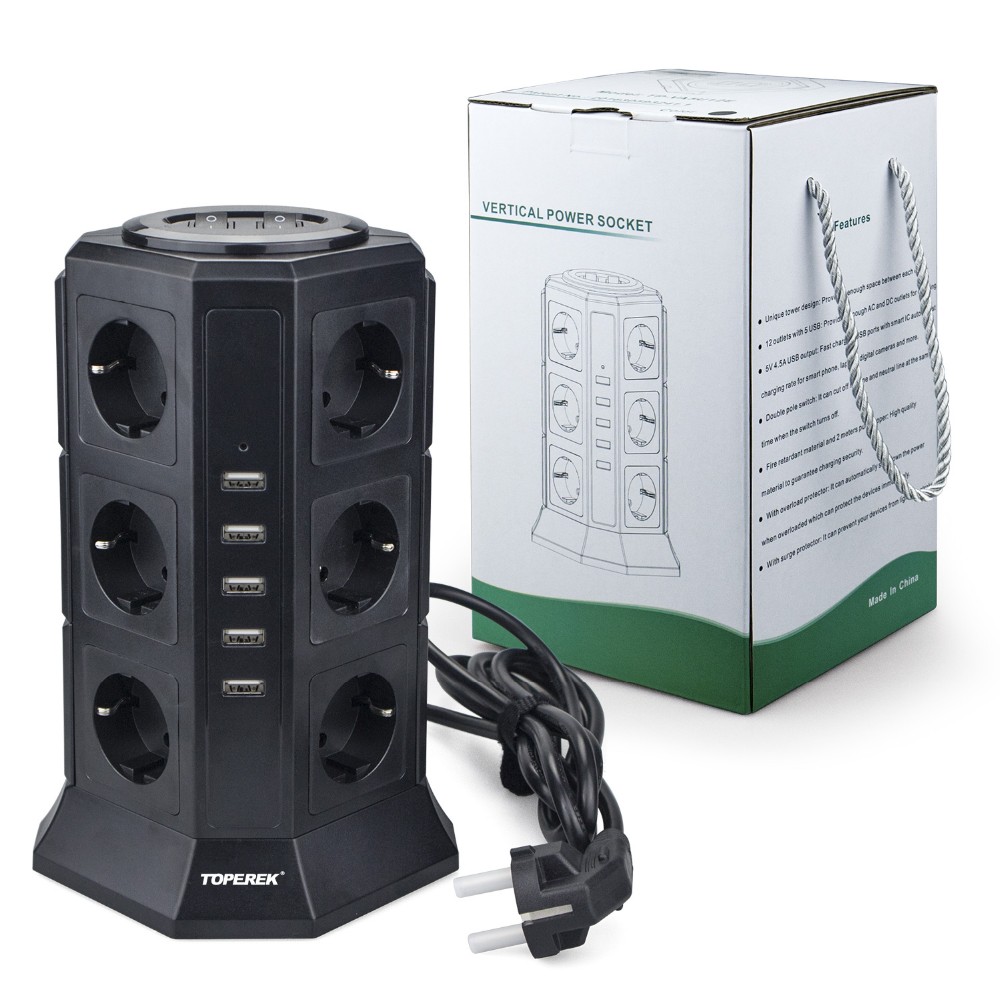
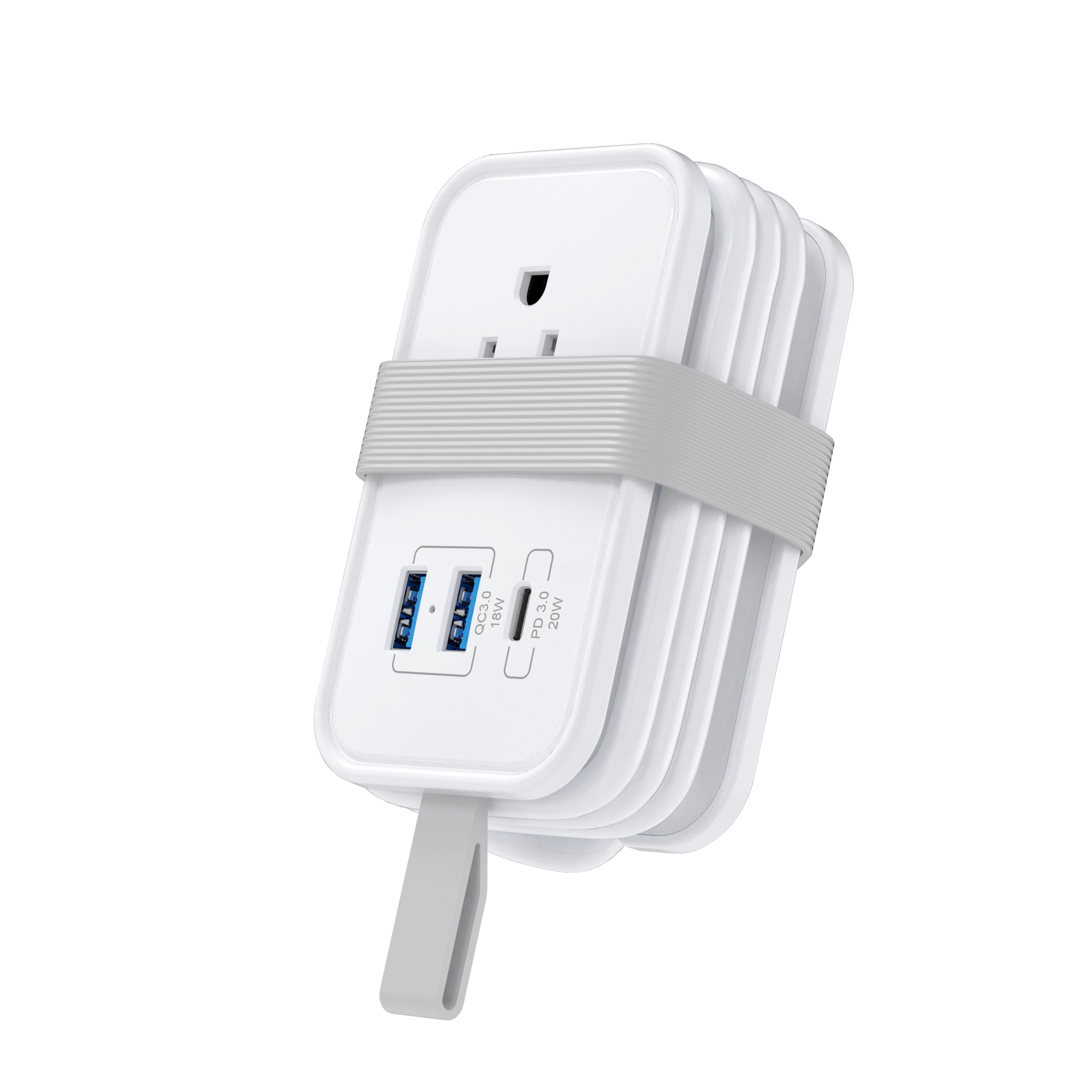
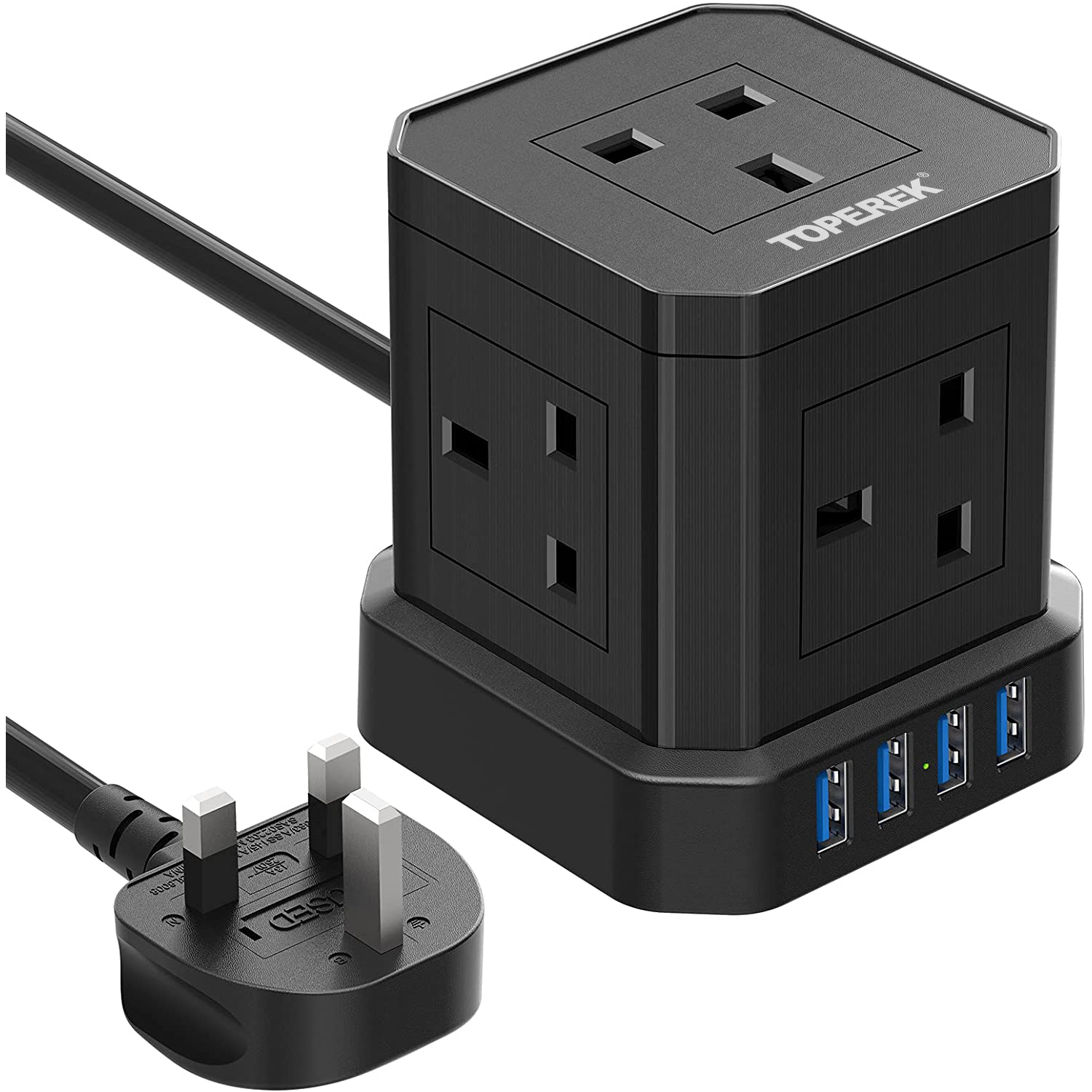
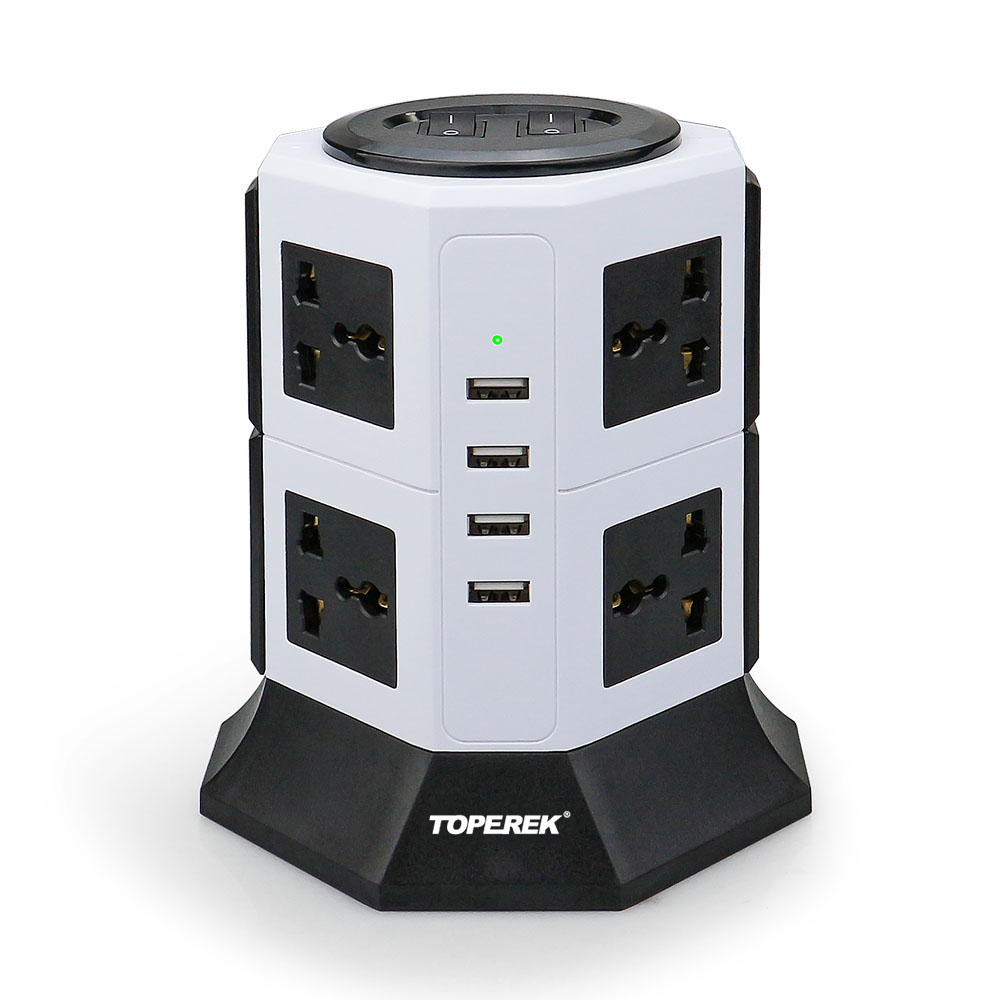
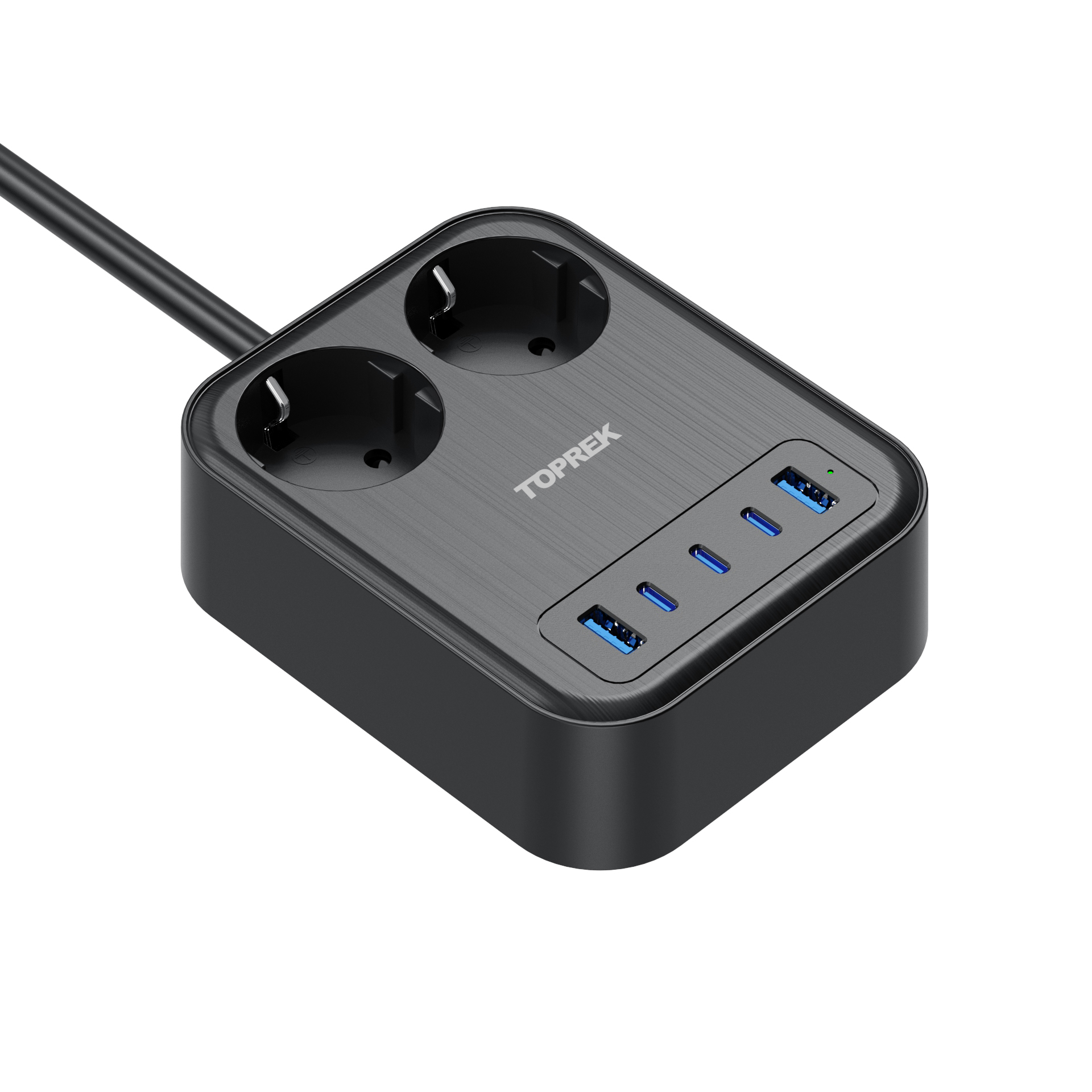
01 Engineering Anatomy: Kinematic Mechanics in Modern Rotating Power Strips
In modern electronic workspaces and enterprise charging environments, standard linear power strips present significant spatial bottlenecks: bulky transformer plugs, AC-DC adapters, and high-wattage power bricks frequently occlude adjoining sockets. The dynamic rotating power strip resolves this fundamental mechanical conflict through multi-axis modularity, individual outlet rotation (typically 90°, 180°, or continuous 360° circular turrets), and articulating cord inputs.
From a Tier-1 manufacturing perspective, mechanical rotating systems demand a radically higher caliber of electrical contact design compared to static copper busbars. Standard fixed extension cords utilize continuous stamped phosphor bronze strips. Conversely, rotating power strips must manage kinetic rotational stress without suffering electrical micro-arcing, terminal contact fatigue, dielectric breakdown, or localized Joule heating over an operating life expectancy exceeding 5 to 10 years.
Slip Ring vs. High-Flex Copper Ribbon
Industrial rotating power strips implement two primary conductive interfaces: continuous annular slip rings with spring-loaded copper-graphite brushes, or high-strand-count oxygen-free pure copper flex-ribbons encapsulated inside restricted-angle rotational stops (e.g., ±90° or ±180° bidirectional dampeners). Our engineering utilizes high-elasticity tin-phosphor bronze alloy (C5191) retaining contact tension past 10,000 rotation cycles, ensuring contact resistance remains <20mΩ.
Rotational Torque & Structural Detent Mechanism
User tactile satisfaction and electrical reliability depend on precision detents. Our injection-molded rotary housings integrate internal spring-ball detents or gear-tooth indices manufactured from low-wear POM (polyoxymethylene). Sourced detent systems maintain a calibrated rotational torque threshold of 0.35–0.60 Nm—stiff enough to prevent sagging under heavy cords, yet sufficiently smooth to avert mechanical shear at the core wiring nexus.
Thermal Management & Flame Retardance
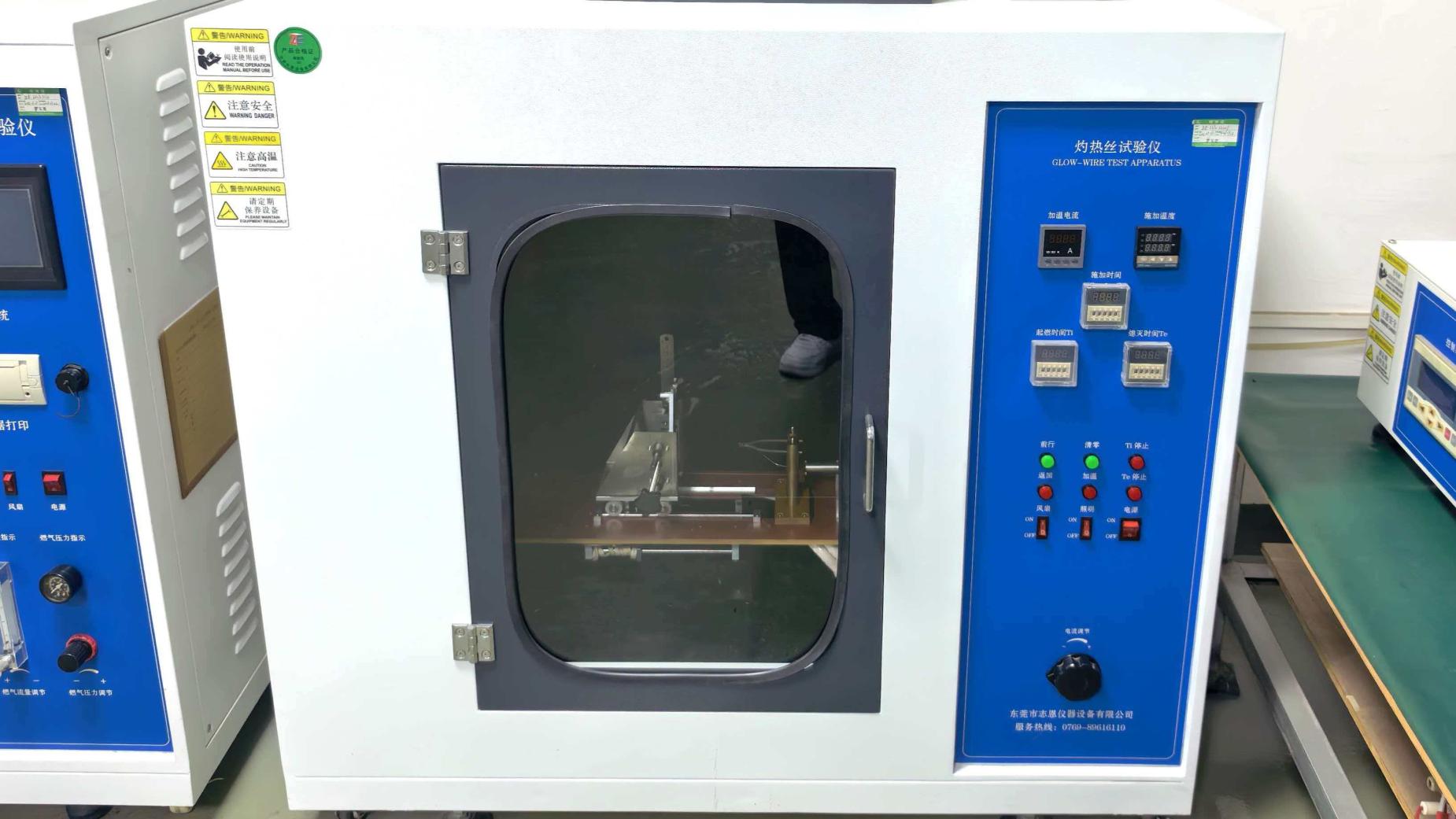
All external and internal housing matrices are formulated with virgin UL94 V-0 flame-retardant Bayer PC/ABS alloys capable of withstanding the European IEC 60695-2-11 Glow-Wire Test at 750°C and 850°C needle flame limits. This guarantees that momentary contact resistances induced by mechanical wear will not induce combustion even under peak 16A 4000W inductive overloads.
02 Top 10 Rotating Power Strip Manufacturer Evaluation Matrix
When professional B2B procurement directors at retailers, electrical distributors, and private-label brands evaluate the global landscape of rotating power strip factories, five core manufacturing dimensions dictate final selection: mold precision, internal busbar metallurgy, high-pot dielectric testing protocols, GaN PCBA integration, and comprehensive third-party lab accreditations.
| Evaluation Parameter | Tier-1 Factories (Laxvi Benchmark) | Mid-Tier Regional Assemblers | Low-Cost Commodity Makers |
|---|---|---|---|
| Rotational Joint Longevity | > 10,000 full-cycle rotations without resistance drift | 2,000–3,000 cycles; potential micro-arcing risk | < 1,000 cycles; unrated friction rivets |
| Copper Purity & Construction | 99.9% Oxygen-Free High Conductive Copper (OFHC) | Recycled brass alloy or commercial copper strip | Iron-plated copper or non-standard alloys |
| USB-C & GaN Integration | GaN III fast charge up to 65W/100W PD onboard SMT | 10W–18W generic linear USB step-down boards | 5W low-cost resistor boards prone to thermal failure |
| Flame-Retardant Testing | 750°C–850°C Glow-Wire compliance (UL94 V-0 PC/ABS) | V-2 rated recycled ABS plastic (burns within 30s) | Non-retardant industrial polystyrene / scrap plastic |
| Safety & Factory Verification | TÜV Rheinland onsite audit; UL 1363, CE, UKCA, ETL | Partial self-certified CE/EMC test declarations | No traceable third-party laboratory records |
| Dielectric Withstand Voltage | 100% Inline 2000V AC testing for 60 seconds | Batch testing at 1500V for 5 seconds | Visual inspection only; no inline hi-pot testing |
Table 1.0: Technical audit benchmark comparing Shenzhen Laxvi Technology Co., Ltd. against secondary and tertiary manufacturing tiers in Guangdong & Zhejiang provinces.
03 Strategic Procurement Trends: The Next Horizon in Dynamic Power Strips
The global power distribution and desktop charging sector is pivoting rapidly toward multifunctionality, spatial footprint reduction, and energy efficiency. Enterprise procurement officers are actively transitioning away from generic horizontal power boards toward modular, adaptable power hubs. B2B buyers must structure their request-for-proposals (RFPs) around four distinct industry evolutions:
1. Gallium Nitride (GaN) Monolithic Architecture
By replacing traditional silicon MOSFETs with GaN semiconductors directly within the rotary strip's base or central pillar, factories can supply up to 100W Power Delivery (PD 3.0 / QC 4.0+) in an ultra-compact footprint. This allows end users to power high-draw laptops (MacBook Pro, Dell XPS) straight from the power strip, eliminating external chargers entirely.
2. Articulated Snake & Modular 360° Geometries
The market demand for "snake-style" individually articulating pods and revolving circular towers is expanding at a 14.2% CAGR through 2030. These designs allow users to bend the strip around table legs, fit them into tight enterprise server racks, or position individual outlets at 45-degree angles to accept oversized medical and IT power supplies.
3. Smart Micro-Current Monitoring & IoT
Forward-looking commercial deployments require per-outlet electrical metering via Matter/Zigbee or Wi-Fi integration. Modern rotating units now incorporate programmable microcontrollers that automatically detect standby power leakage and disable unused kinetic pods, significantly assisting corporate green building certifications (LEED / BREEAM).
4. Tightened Sustainability & Closed-Loop Resins
EU Ecodesign and RoHS 3 directives demand halogen-free, non-toxic flame retardants and post-consumer recycled (PCR) polycarbonates without degrading the glow-wire ignition temperature. Top factories maintain full supply-chain traceability for every polymer pellet, supporting eco-friendly packaging free from virgin plastics.
04 Shenzhen Laxvi Technology Co., Ltd.: Your Verified Manufacturing Partner
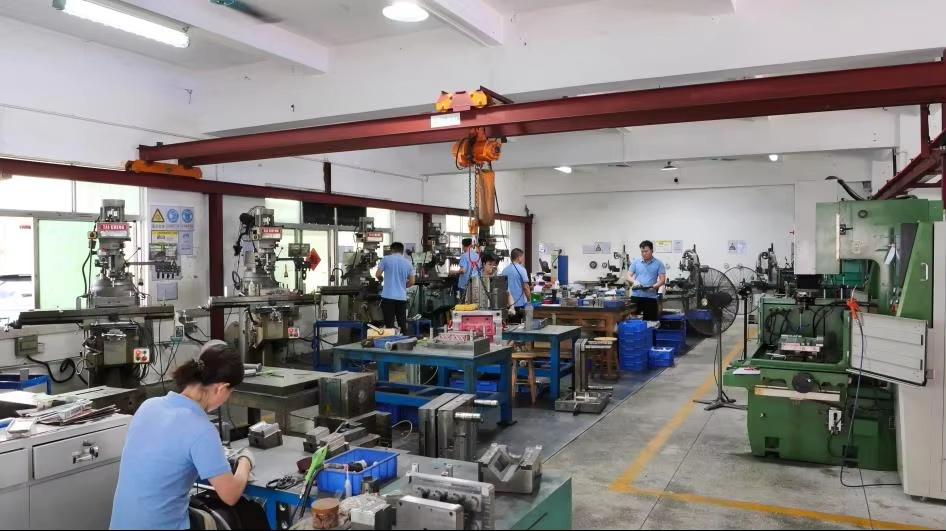
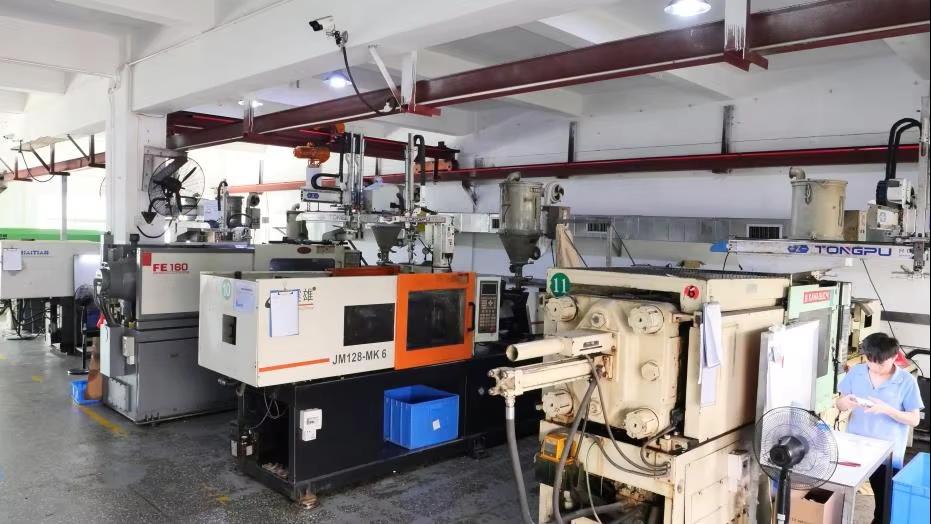
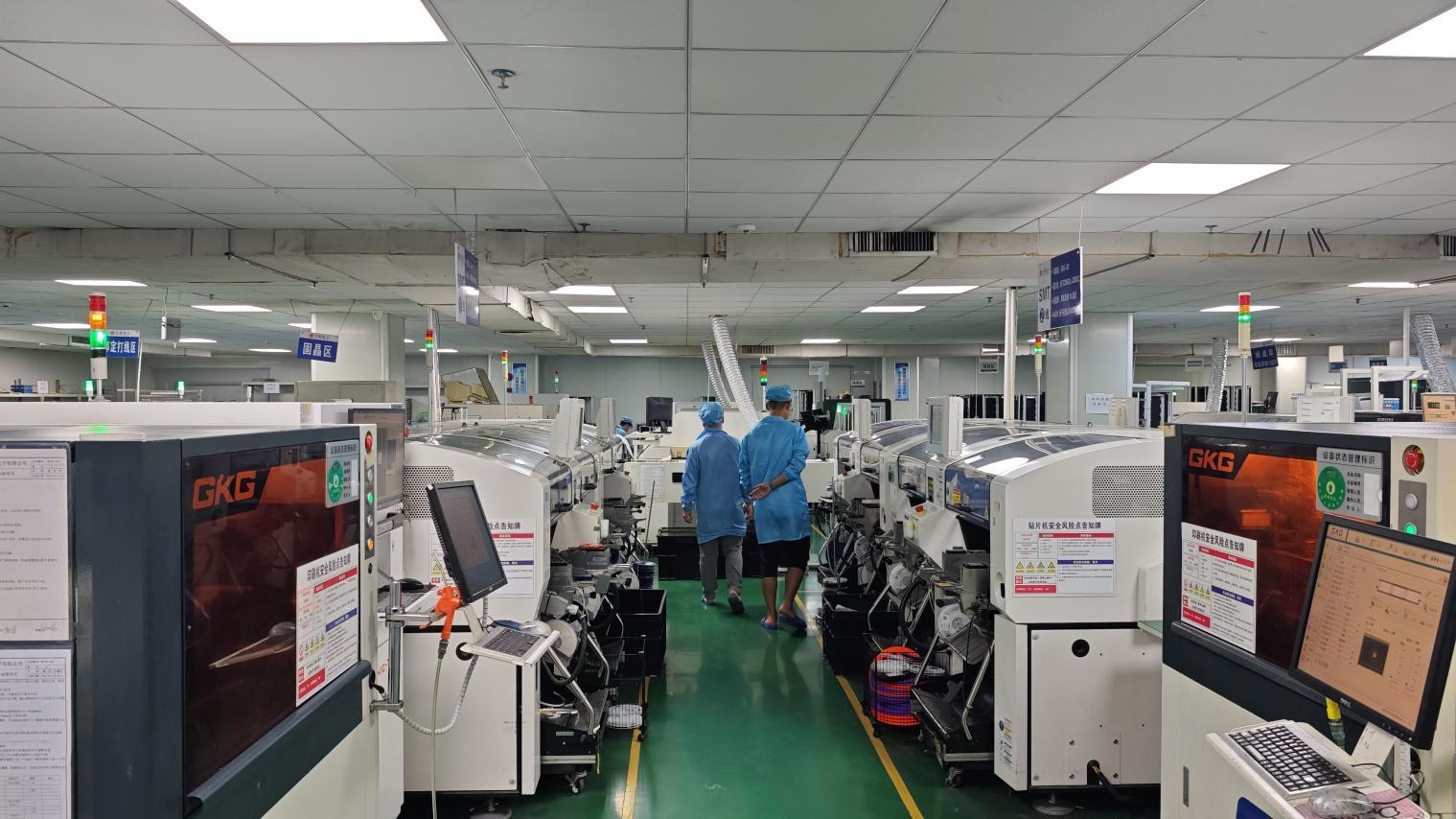
Headquartered in Building 45, Fuchengao Industrial Zone, Pinghu Street, Shenzhen, Laxvi represents the premier tier of Chinese power socket and electrical appliance engineering. Operating an 11,600-square-meter facility with over 340 fully vetted staff, our factory is onsite-inspected and authenticated by TÜV Rheinland, providing global importers with absolute institutional transparency.
End-to-End Vertical Manufacturing
Unlike trading companies that outsource subassemblies, Laxvi manages the complete manufacturing chain: precision CNC mold tooling, ultra-tonnage injection molding, Yamaha/Panasonic high-speed SMT surface-mount lines, automated wave soldering, ultrasonic plastic welding, laser printing, and continuous smart aging chambers.
Comprehensive Target Market Standards
We tool, certify, and mass-produce electrical hardware for every major international market: US/Canada (Type A/B NEMA), European Schuko (Type C/F), United Kingdom (Type G BS 1363), Italy (Type L & Bipasso), Australia/New Zealand (Type I AS/NZS 3105), Japan (PSE Type A/B), and multi-standard universal outlets for international hospitality.
Institutional Quality Assurance Lab
Our in-house compliance laboratory runs round-the-clock testing: custom pneumatic rotary-joint endurance testers, 5000V breakdown test instruments, salt-spray corrosion chambers for pure brass contacts, constant temperature & humidity environmental cabinets, and custom switch cycle load benches.
05 B2B Procurement FAQ: Rotating & Custom Power Strips
Detailed answers addressing core engineering, MOQ, compliance, and warranty concerns commonly raised by international import managers and corporate procurement teams.