PSE Certified
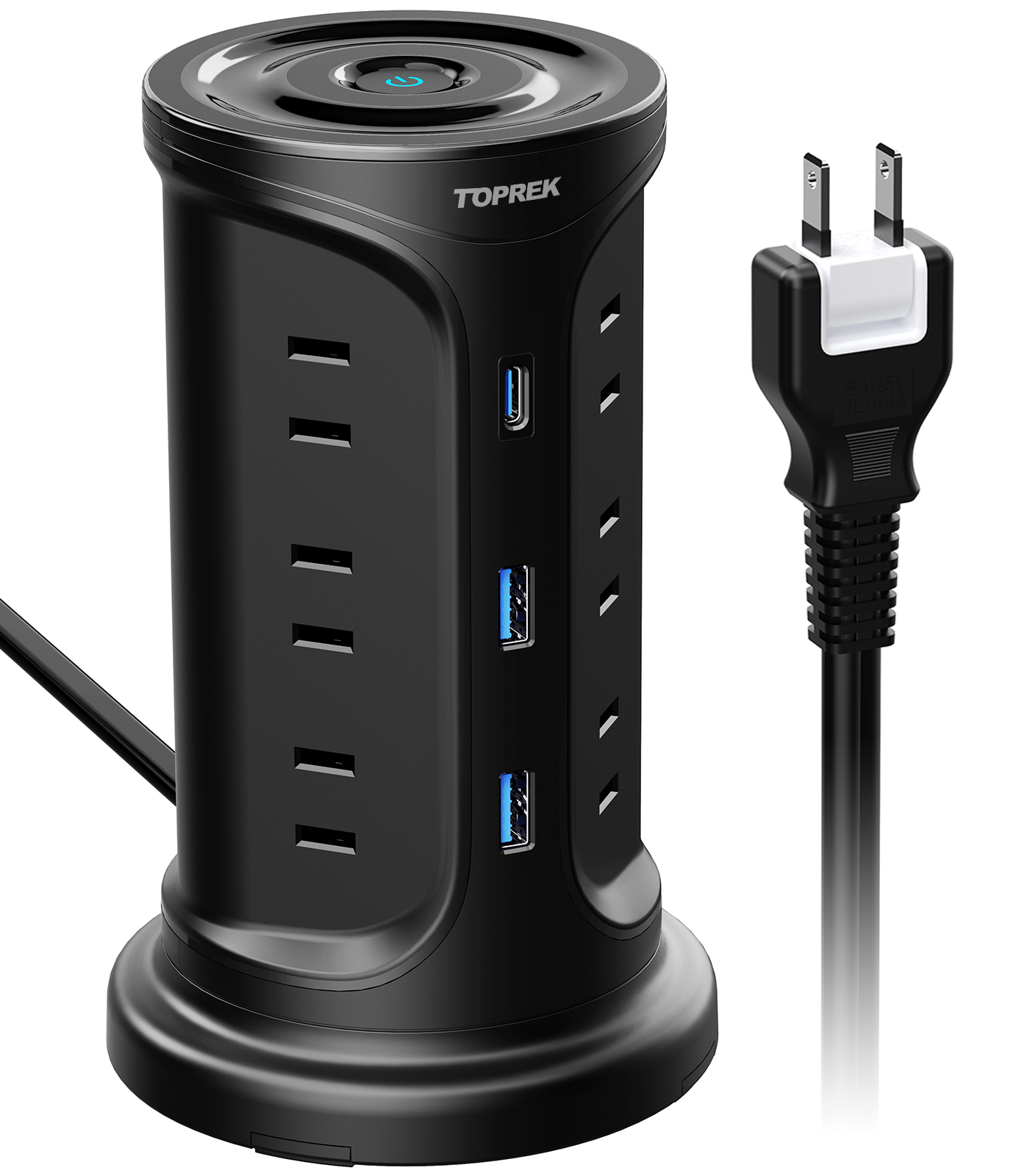
TOPREK PSE Japanese Standard 12 Outlets Socket
15A / 1500W
2m Cable
2 USB-A + 1 USB-C
V-0 Fireproof
An authoritative supply chain benchmark for tier-1 distributors, multinational electrical brands, and retail procurement teams navigating intelligent power distribution, safety topologies, and regulatory compliance.
Engineered for global interoperability across Japanese PSE, British BS 1363, European Schuko, and universal commercial installations. Each architecture integrates localized surge suppression, dynamic load balancing, and thermal shielding.
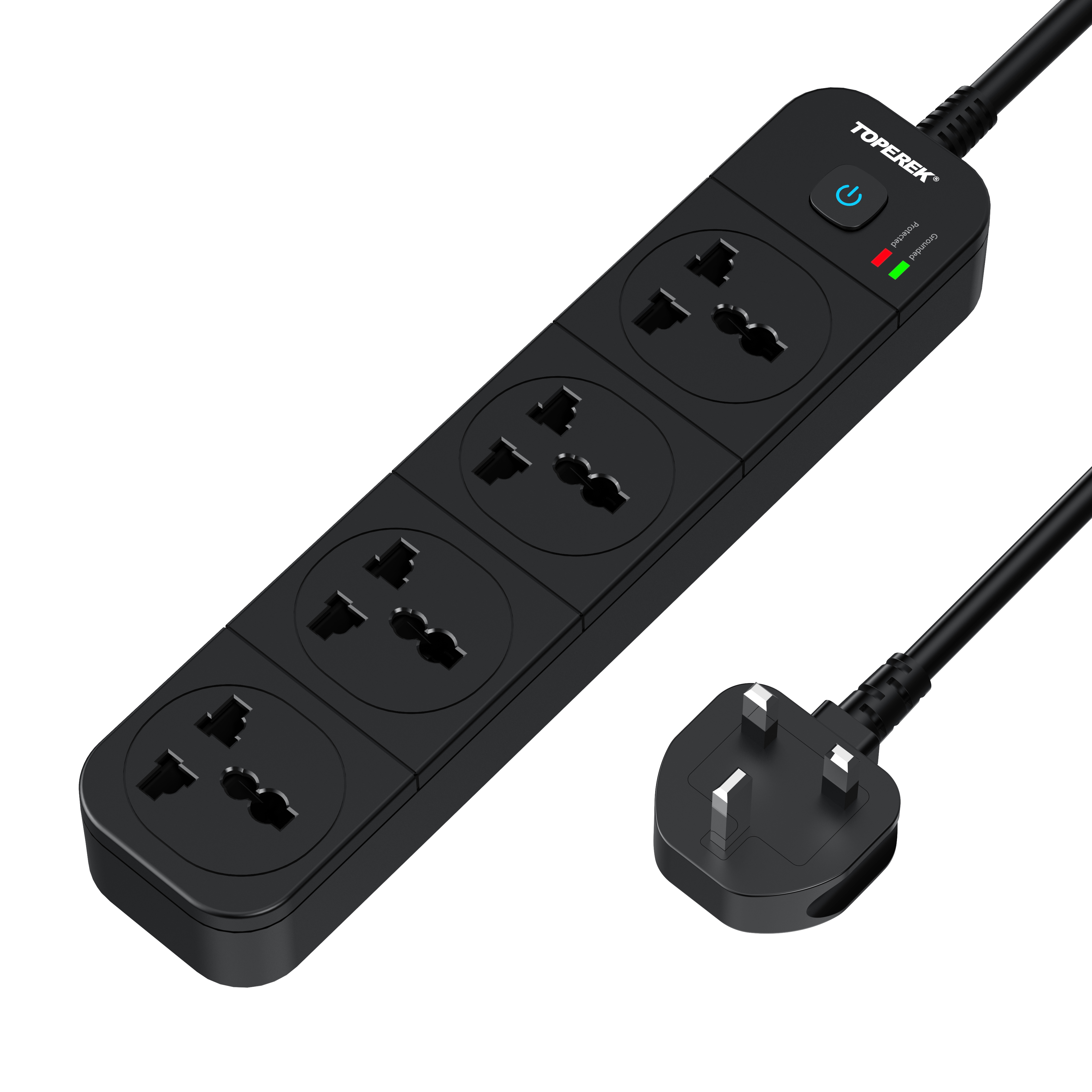
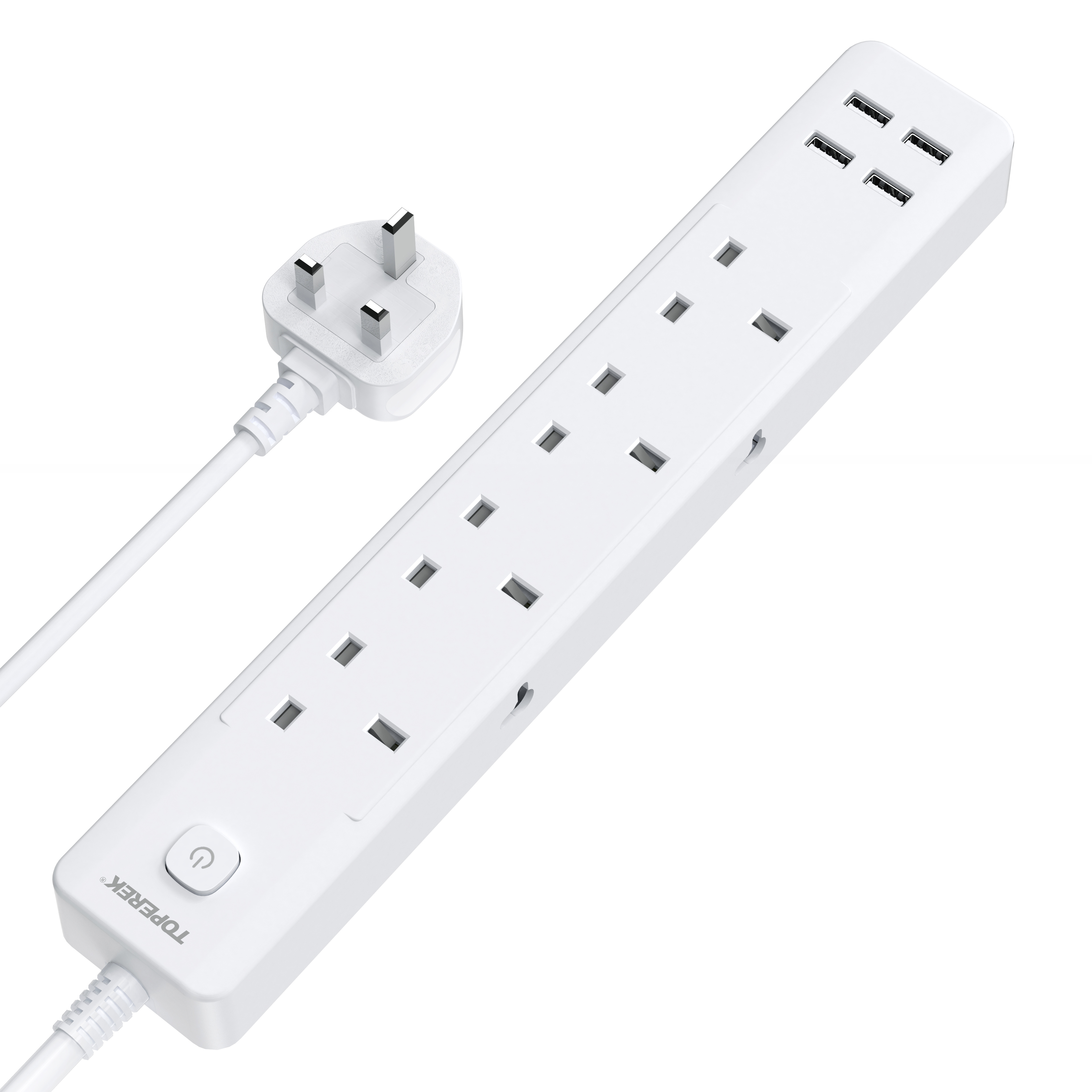
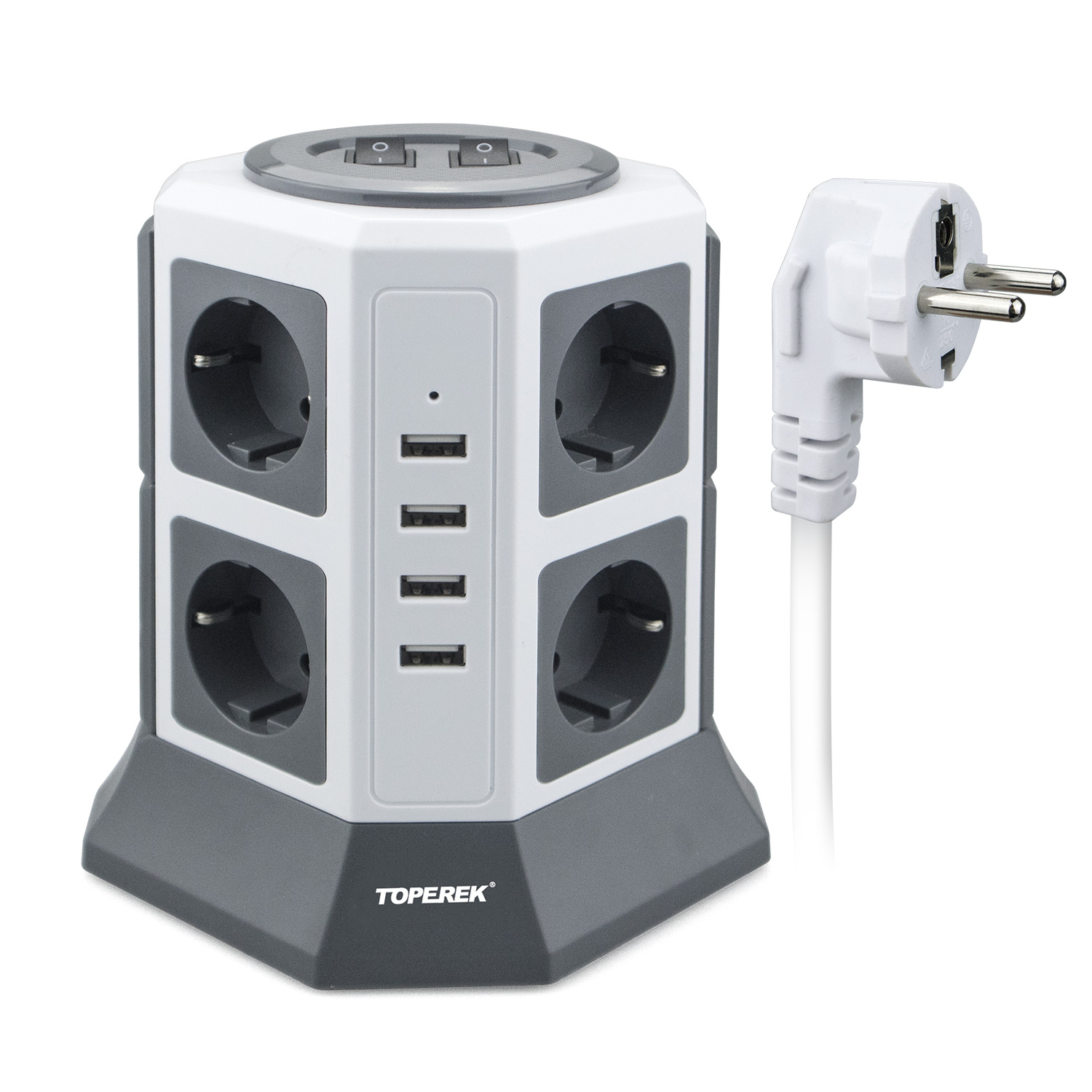
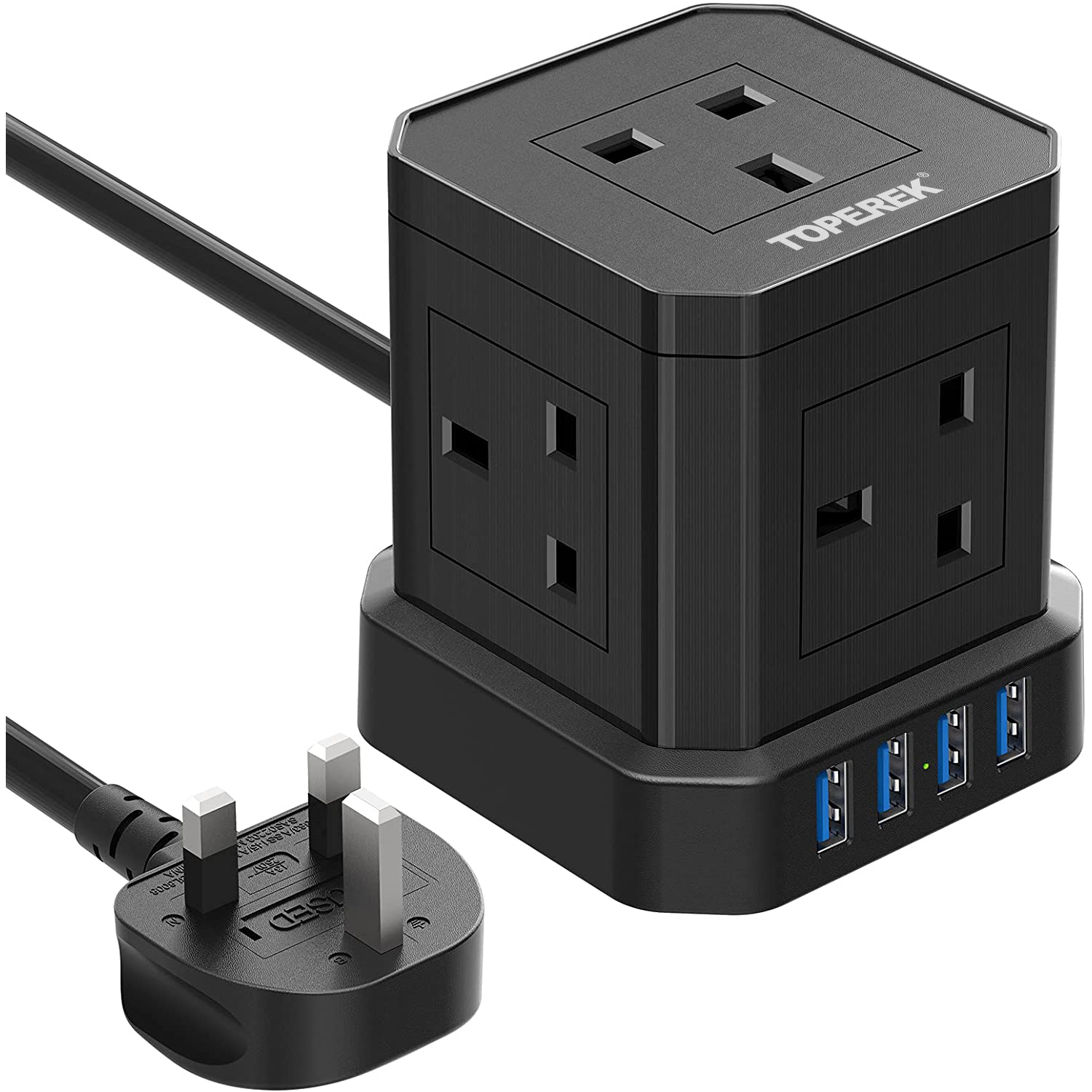
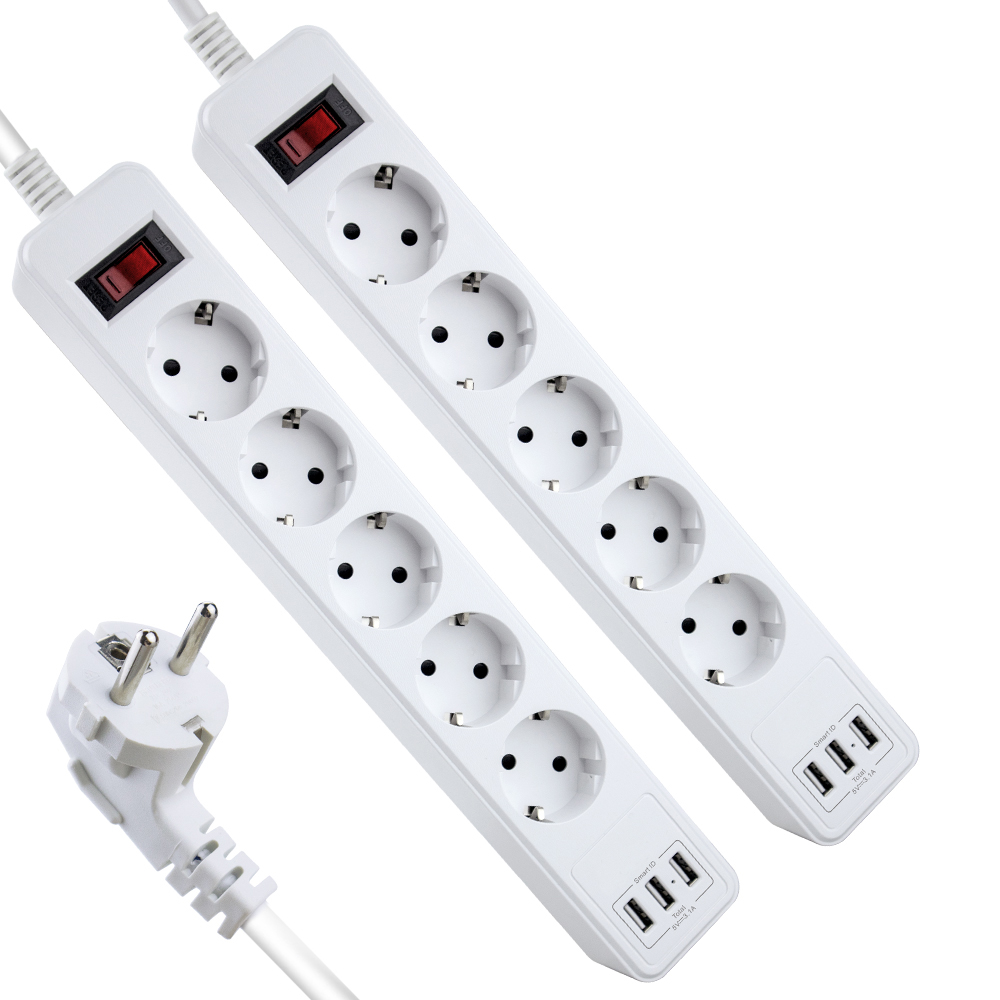
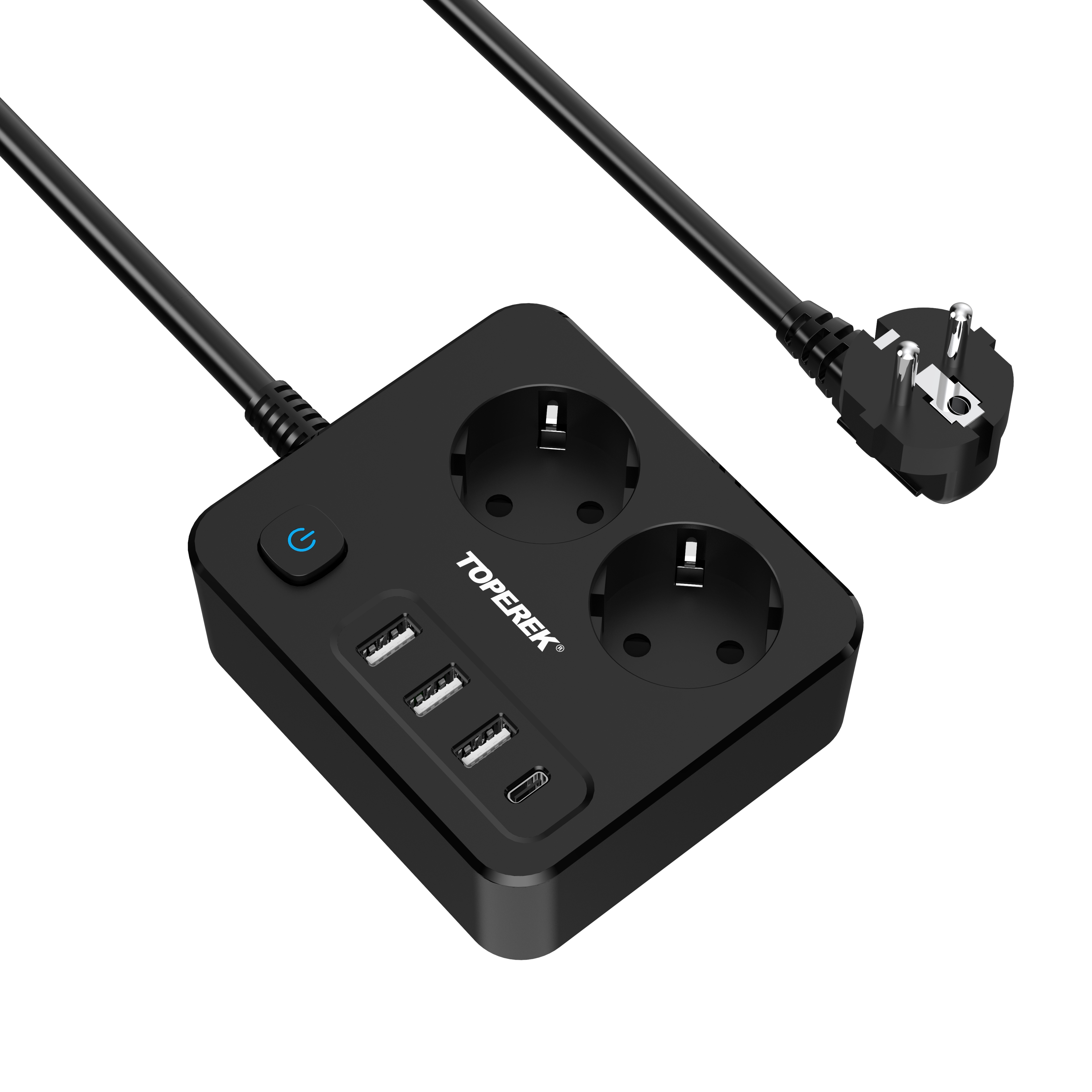
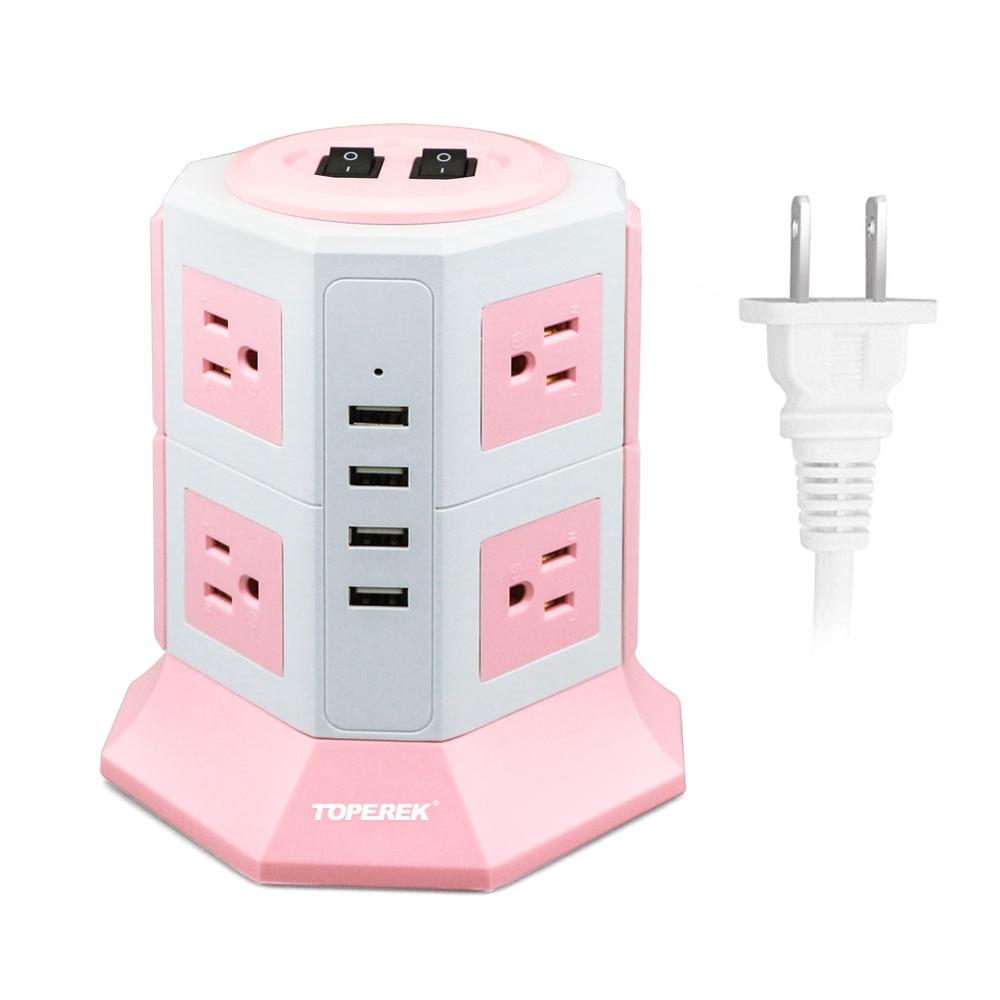
As the consumer electronics and residential automation sectors converge, electrical power strips have transitioned from passive wiring accessories into sophisticated power delivery endpoints. Modern international importers require comprehensive vetting criteria to distinguish true ODM factories from trading intermediaries.
Leading exporters maintain complete in-house manufacturing loops: high-precision tooling workshops, mold maintenance centers, robotic injection molding bays, automated SMT lines for smart charging protocols, and full assembly lines. This reduces external sub-assembly reliance and mitigates yield instability.
The traditional silicon-based linear charger architecture inside power sockets is being comprehensively phased out. Top exporters leverage GaN-based thermal-efficient switching matrices, enabling 30W to 100W USB-C PD outputs inside ultra-compact form factors without triggering localized thermal throttling.
Export supremacy hinges on maintaining genuine CB test certificates alongside regional compliance frameworks: UL 1363/UL 498A (North America), CE LVD/EMC (Europe), BS 1363-2 (UK), PSE Article 8 (Japan), and AS/NZS 3105 (Australasia), paired with verified flame-retardancy ratings (UL94 V-0).
| Engineering Attribute | Standard Commercial Grade | Tier-1 Integrated Exporter (Laxvi Standard) | Procurement Impact |
|---|---|---|---|
| Enclosure Construction | Recycled ABS / Partial Fire Rating | Virgin PC+ABS Alloy (UL94 V-0 Flame Retardant, 750°C Glow-Wire Proof) | Eliminates catastrophic fire propagation during overload conditions. |
| Internal Conductor Bus | Soldered Wire Jumper Segments | Integrated One-Piece Phosphor Bronze / Red Copper Stamped Busbar | Minimizes internal joint resistance, lowers temp rise by 25°C, prevents drop failure. |
| USB Fast Charging Topology | Standard Silicon Transformer (5V Fixed Output) | GaN III Power Delivery Matrix (Programmable Power Supply PPS up to 100W) | Replaces bulky external AC adapters; boosts SKU market value in retail channels. |
| Surge Suppression Network | Single MOV (300–600 Joules) or Unprotected | Tri-Mode Protection (L-N, L-G, N-G) with Thermal Fuse Disconnect (1050J–2100J) | Protects sensitive client connected electronics from industrial grid transients. |
| Quality Control Protocol | Batch Sampling (AQL 2.5 Normal) | 100% Inline Hi-Pot Withstand (3000V AC), 100% Full-Load Burn-In / Aging | Guarantees zero-defect arrival rate at overseas container consolidation docks. |
Procurement leaders must position their portfolios ahead of regulatory shifts, material science advances, and interoperability mandates. The smart extension socket landscape is evolving across four disruptive dimensions.
Legacy 2.4GHz Wi-Fi and proprietary RF modules are rapidly yielding to the universal Matter-over-Thread standard. Future smart power strip procurements require low-latency mesh interoperability with Apple Home, Google Home, Amazon Alexa, and SmartThings without external third-party bridge hardware.
By late 2025, over 65% of mid-tier consumer electronics will mandate high-wattage USB Type-C charging. Sourcing teams are standardizing on integrated 65W, 100W, and 140W GaN modules built directly into the power strip body, eliminating standalone desktop wall chargers entirely.
Commercial workspace operators and ESG-compliant institutional facilities increasingly mandate real-time kilowatt-hour tracking per outlet. Advanced microcontrollers (MCUs) inside the strip capture voltage fluctuations, power factor, and carbon footprint telemetry transmitted via MQTT protocols.
Under tightening European Union CSRD directives and ecodesign guidelines, exporters must transition to post-consumer recycled (PCR) polycarbonate plastics, halogen-free internal insulation, lead-free solder pastes, and modular chassis that permit simplified post-service disassembly.
Established in 2013 and situated in the industrial center of Pinghu, Shenzhen, Laxvi Technology operates an 11,600m² precision manufacturing campus inspected and verified onsite by TÜV Rheinland. We combine turnkey OEM/ODM engineering with rigorous laboratory verification.
Equipped with high-precision CNC machining centers, EDM wire-cutting, and computerized surface grinders. We transform industrial design CAD briefs into high-yield multi-cavity injection molds within 25–30 calendar days, reducing client time-to-market by 40%.
Our surface mount technology department deploys high-speed automated placement platforms, multi-zone reflow furnaces, automated optical inspection (AOI), and dual-wave soldering systems to construct resilient smart charging and MCU control boards.
Every Laxvi power strip batch undergoes comprehensive testing in our on-site laboratory, comprising 750°C/850°C glow-wire verification, UL94 flammability tests, 10,000-cycle plug insertion endurance checks, 48-hour neutral salt-spray exposure, and full-load thermal burn-in.
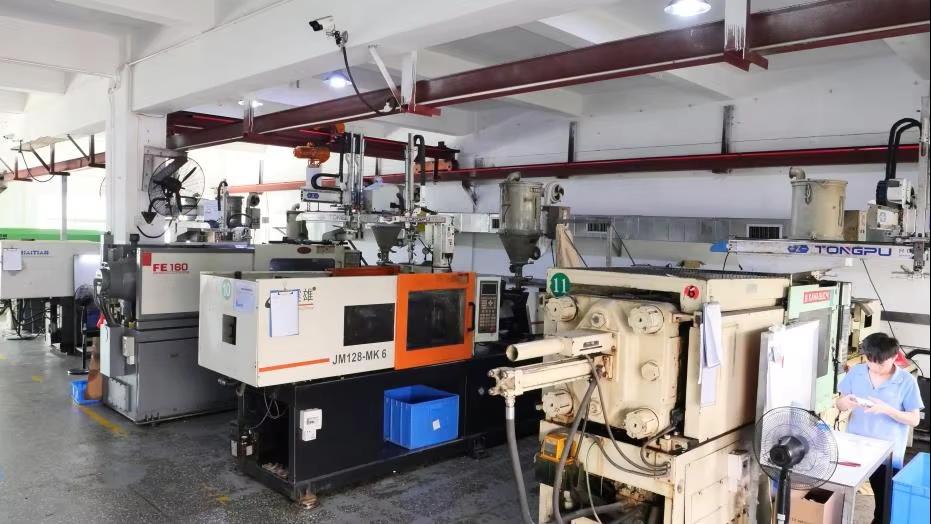 Automated Assembly Workshop
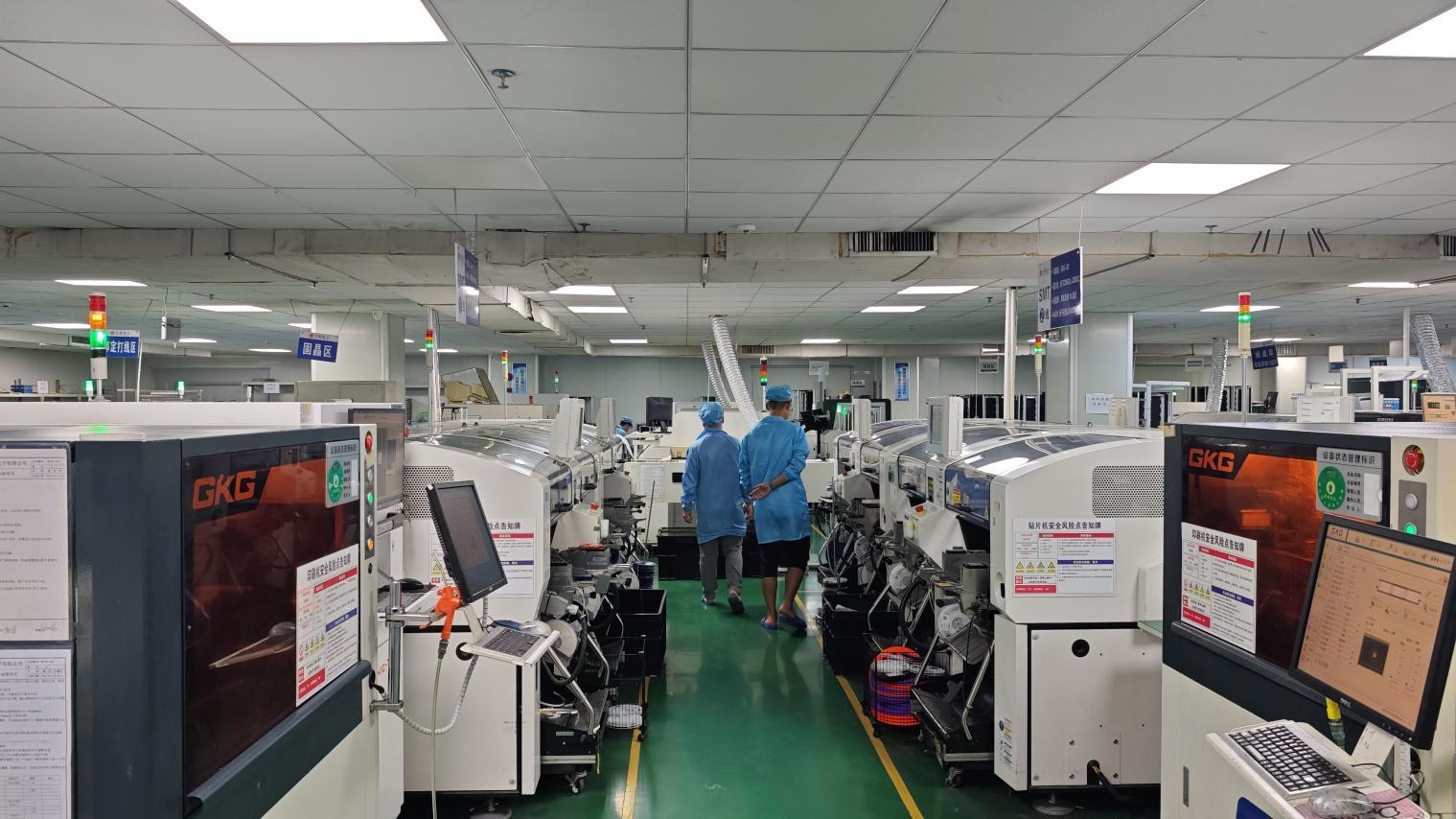 High-Speed SMT Placement Bay
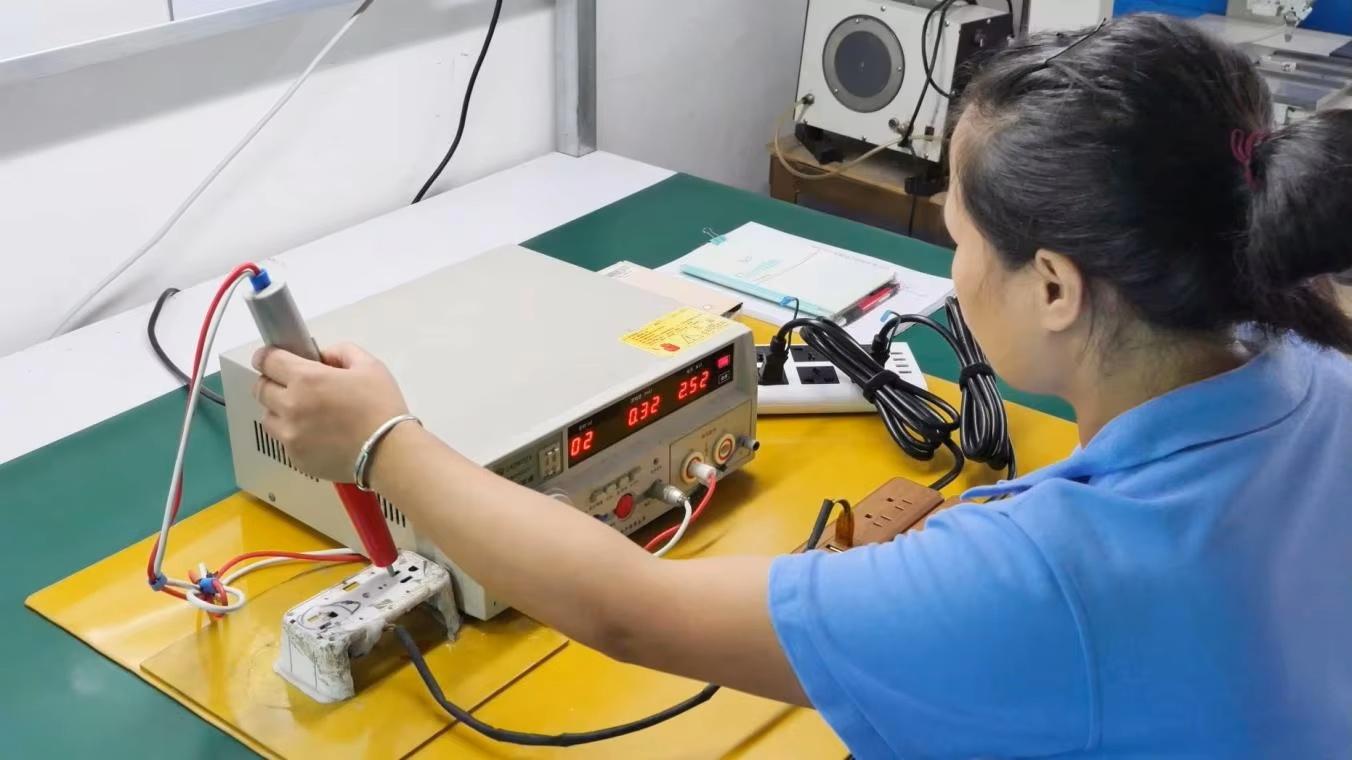 100% Hi-Pot Withstand Testing
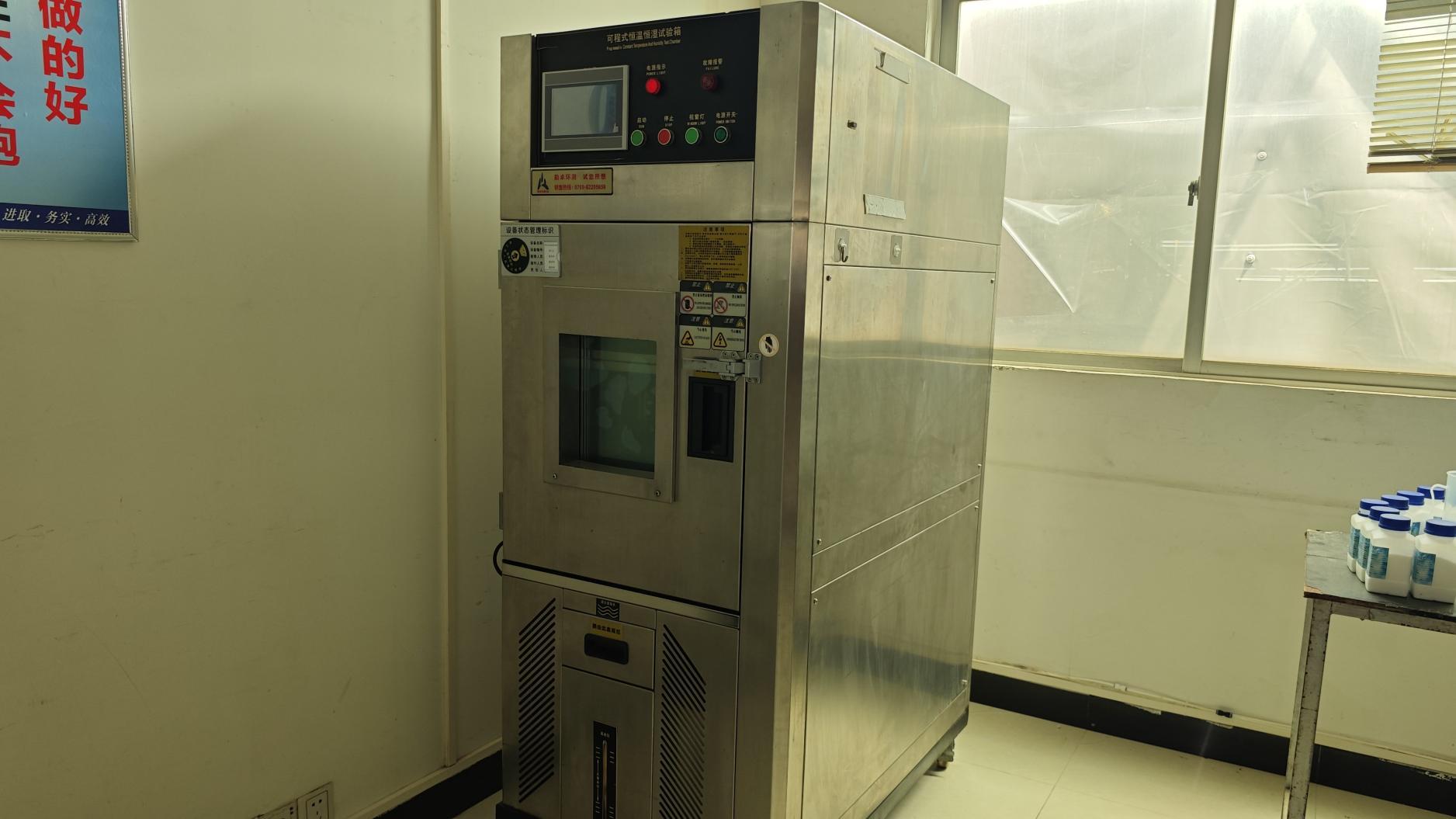 Temp & Humidity Lab Test
Key compliance, engineering, and contractual considerations addressed by our Senior Sourcing Engineering Directorate.
Our engineering department designs dedicated tooling architecture for each distinct socket geography: Type A/B for the USA and Japan (conforming to UL 1363 and PSE Ordinance), Type G for the United Kingdom (fully compliant with BS 1363-2 and equipped with built-in ASTA-certified fuses), Type C/F Schuko for Europe (DIN VDE 0620-1), and Type I for Australia (AS/NZS 3105). Critical contact clearances, shutter withdrawal forces, and creepage distances are validated against national safety standards before mass fabrication.
For customized colorways, personalized laser marking, and customized retail blister or gift-box packaging on established chassis, our standard production MOQ begins at 1,000 units. For completely custom ODM mechanical tooling requiring new plastic injection molds and bespoke PCBA layouts, typical MOQs range from 3,000 to 5,000 units per production run. Standard delivery schedules are 25 to 30 business days following golden sample sign-off and deposit confirmation.
Every smart power strip integrates four layers of protection: First, a housing molded from virgin polycarbonate rated UL94 V-0 flame-retardant (self-extinguishing within 10 seconds of ignition source removal). Second, a stamped phosphor bronze busbar that eliminates internal wire overheating. Third, a resettable hydraulic-magnetic or bi-metallic overload breaker. Fourth, multi-stage Metal Oxide Varistors (MOVs) paired with thermal cutoffs to safely absorb lightning strikes and inductive grid voltage spikes.
Yes. We regularly host scheduled on-site audits and container loading inspections conducted by international validation organizations such as SGS, TÜV Rheinland, Intertek, Bureau Veritas, and client-appointed quality control agencies. Additionally, remote buyers can review our TÜV Rheinland assessment dossier and comprehensive 360-degree digital interactive plant tour.
High-wattage GaN charging generates localized heat fluxes. Our electrical team implements custom aluminum alloy heat spreaders, high-efficiency silicone thermal potting compounds that encapsulate the high-voltage transformer, and dedicated NTC thermistors. These sensors communicate directly with the USB-PD controller IC to dynamically adjust wattage curves if internal chassis temperatures exceed 65°C, ensuring compliance with IEC 62368-1 surface thermal limitations.
Direct factory pricing, comprehensive technical data packages, customized tooling feasibility studies, and sample evaluation batches delivered directly from our Shenzhen engineering headquarters.