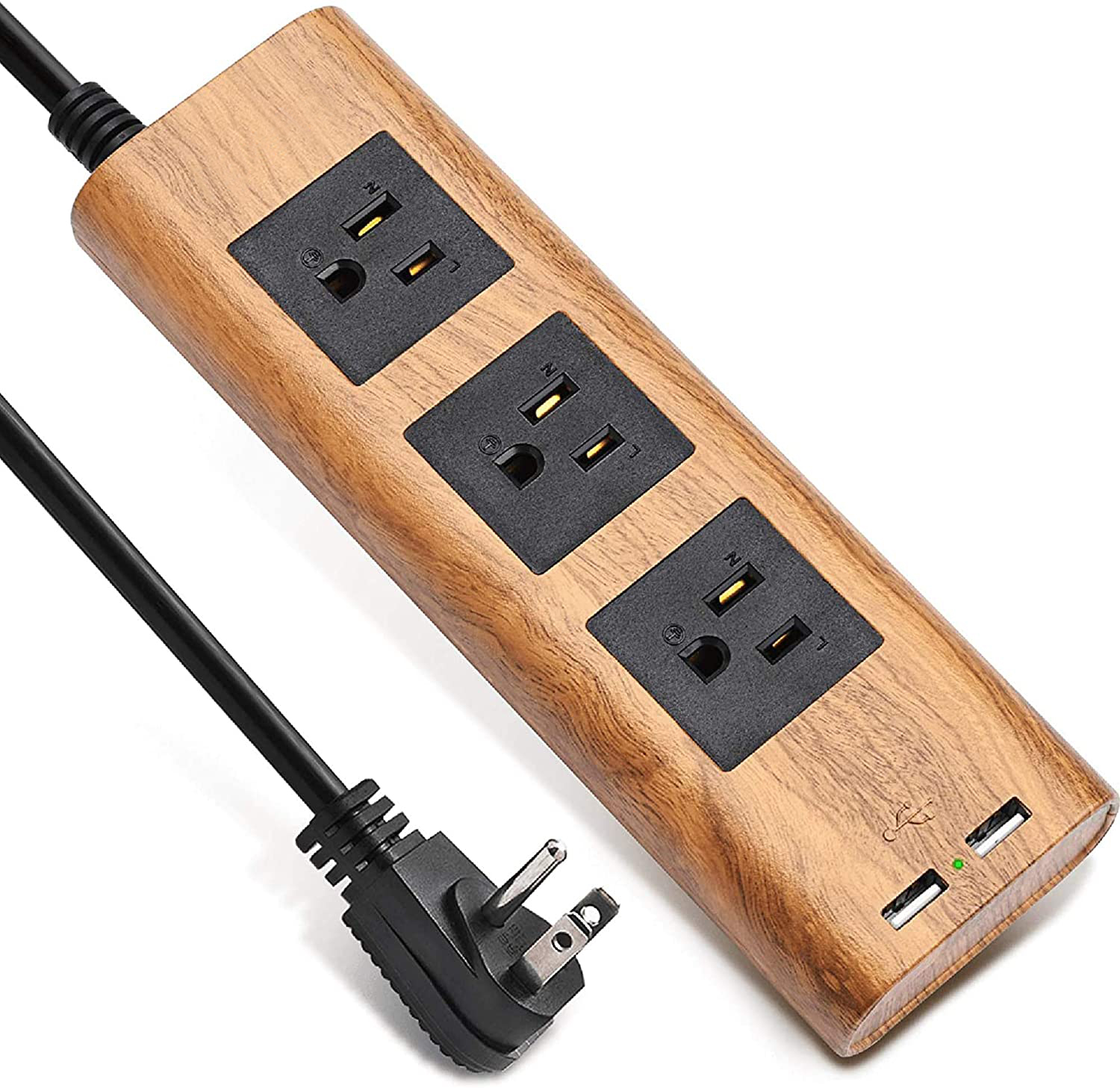
Next-Generation Power Distribution & Modular Desktop Architecture
Shenzhen Laxvi Technology Co., Ltd. is a benchmark OEM/ODM custom manufacturer specializing in compact cube power strips, multi-layer tower extensions, and high-efficiency GaN integrated desktop hubs. Serving global retailers, commercial infrastructure developers, and multi-channel electronics brands across the US, EU, UK, Italy, Australia, and Japan, we bridge the gap between industrial safety standards and sleek consumer ergonomics.
Factory Direct Catalog
Featured Commercial & Desktop Cube Power Solutions
Engineered with 750°C glow-wire resistant PC+ABS thermoplastics and advanced internal copper busbars.
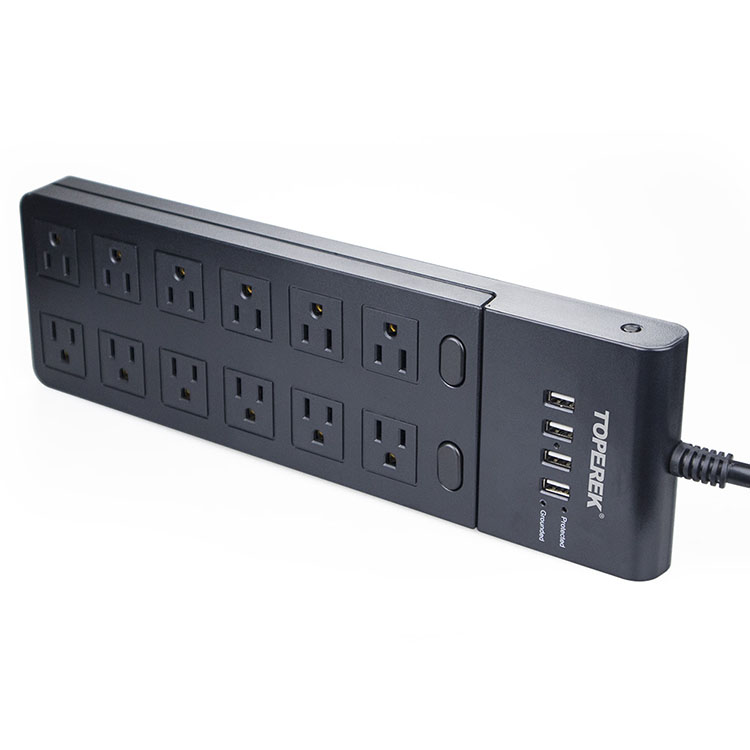
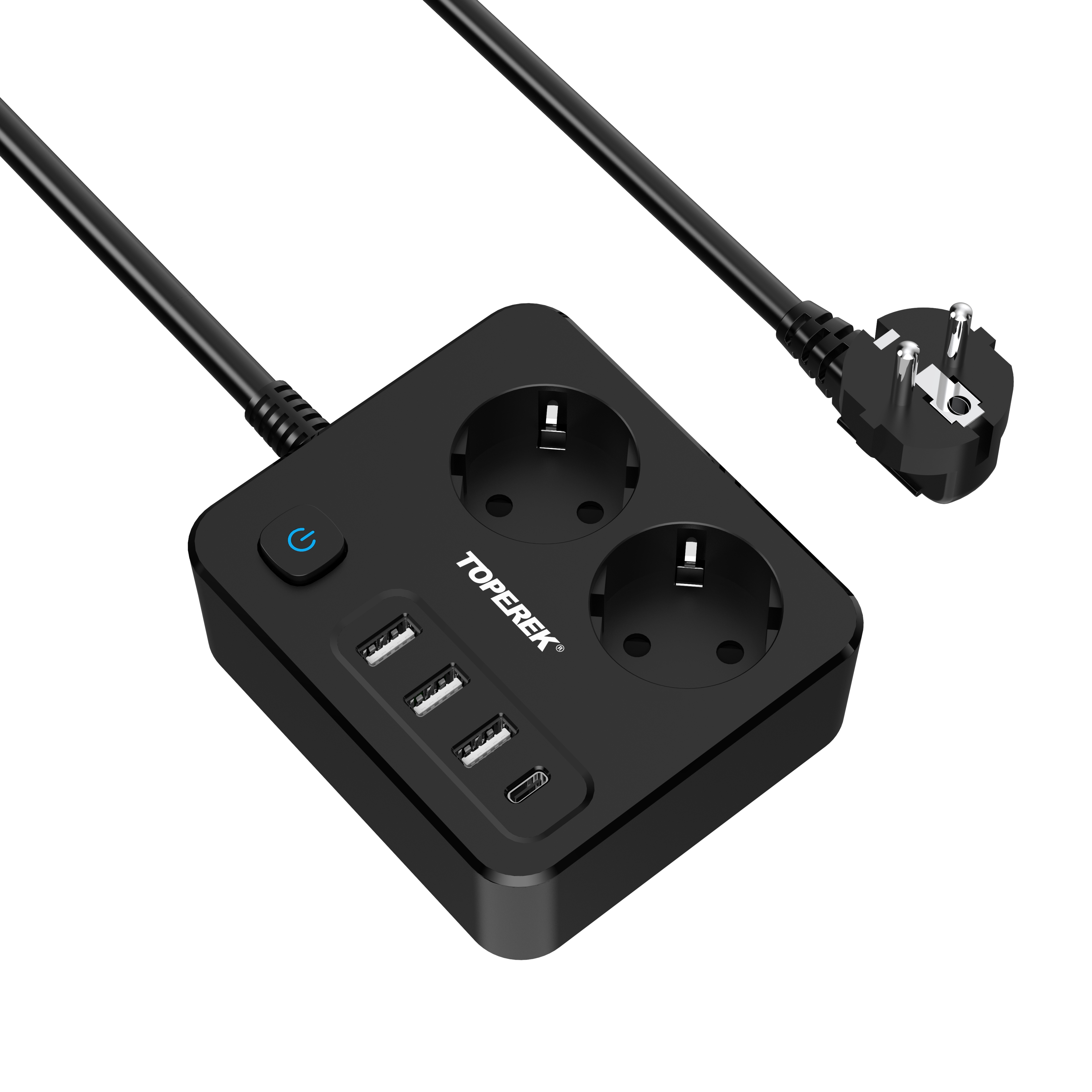
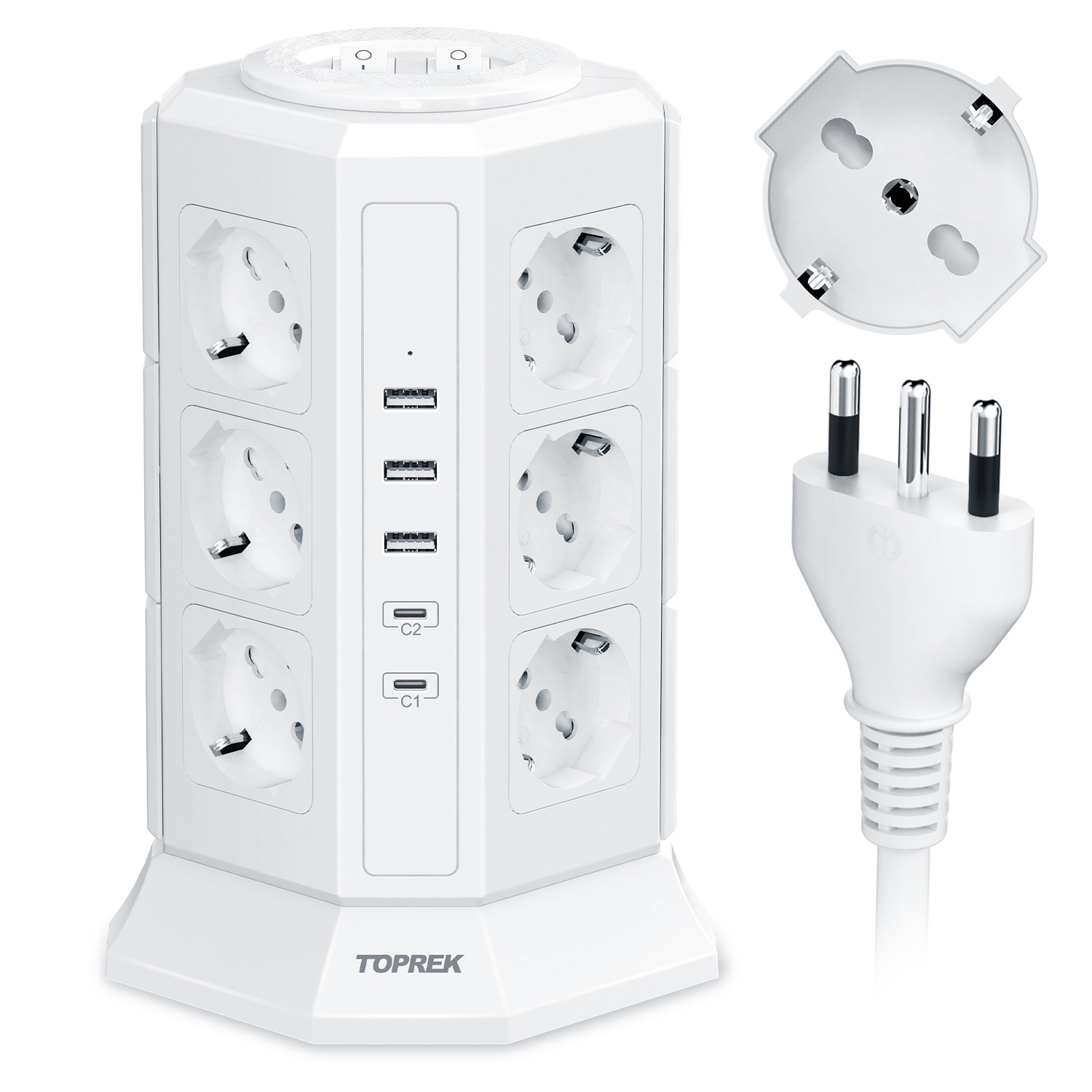
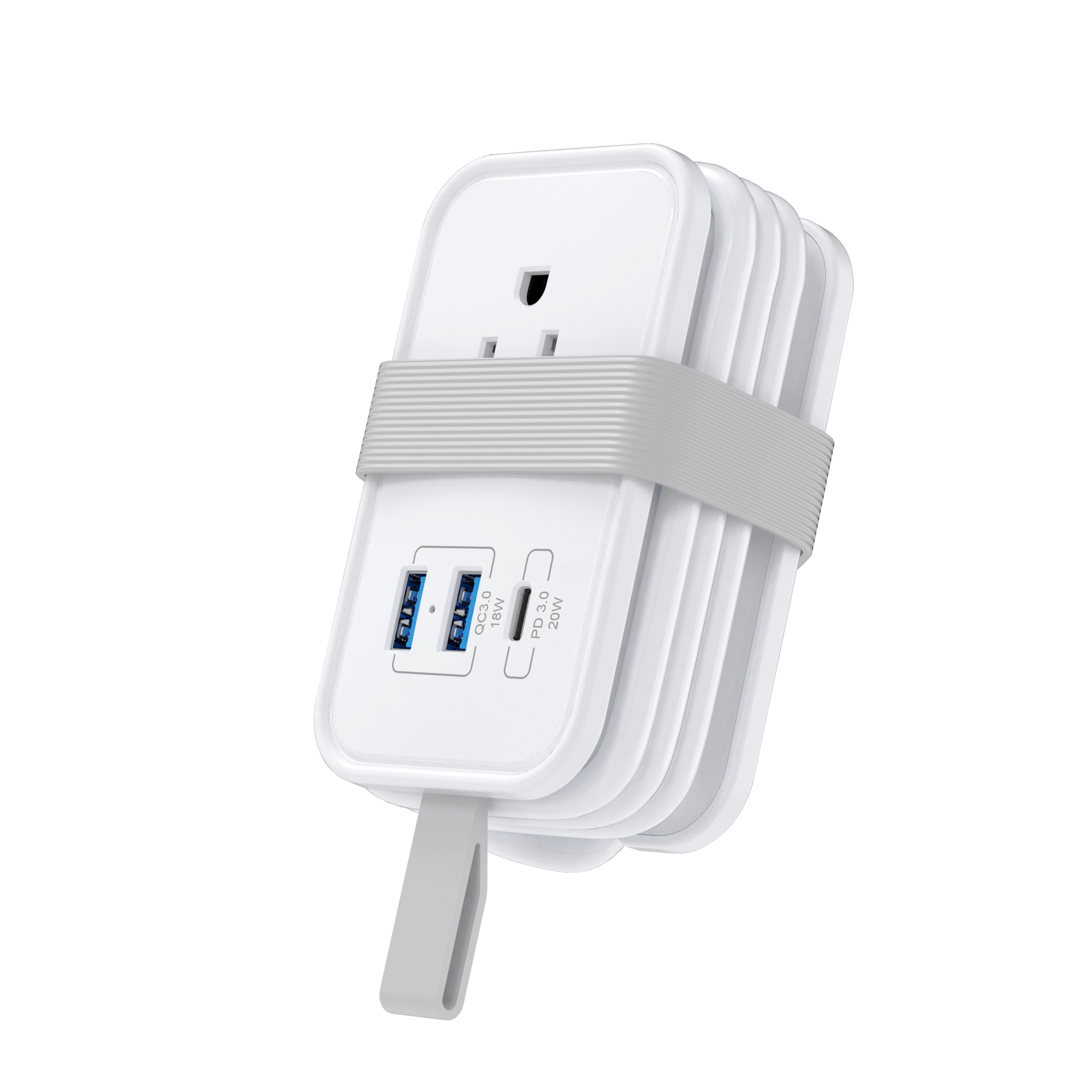
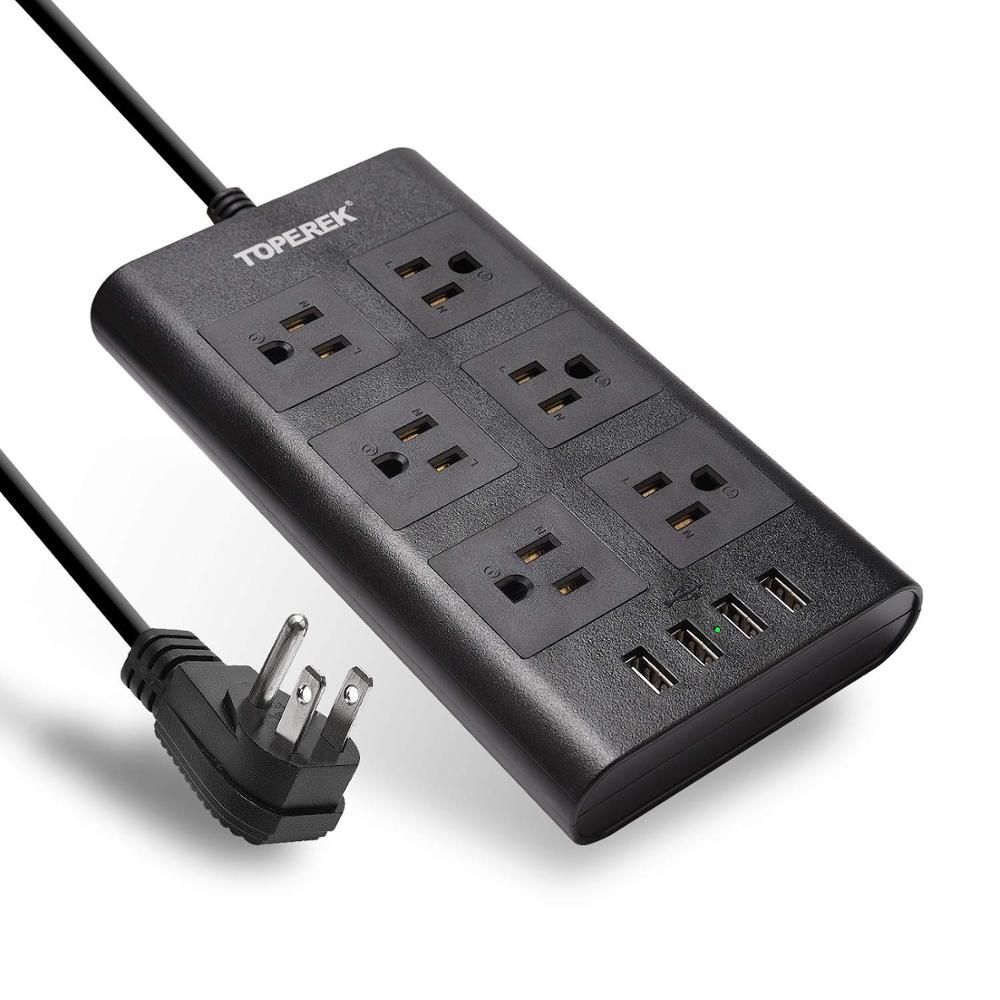
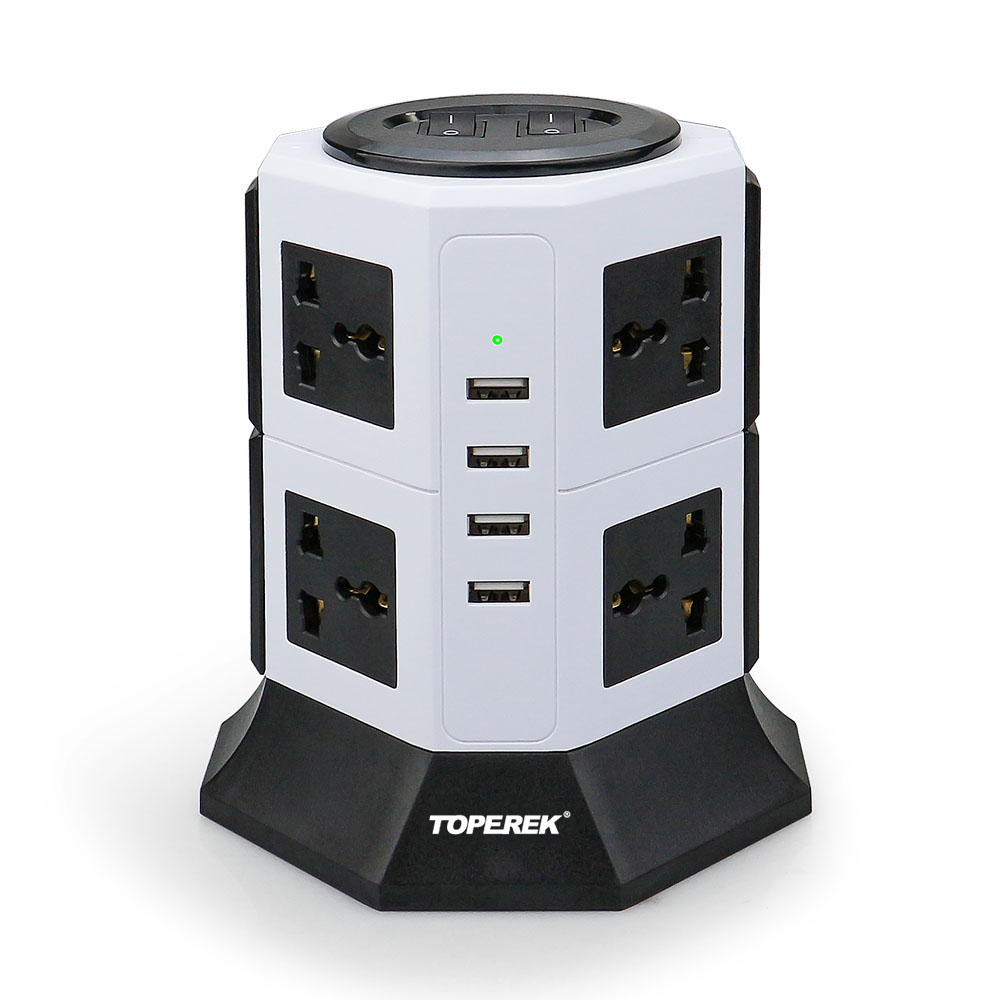
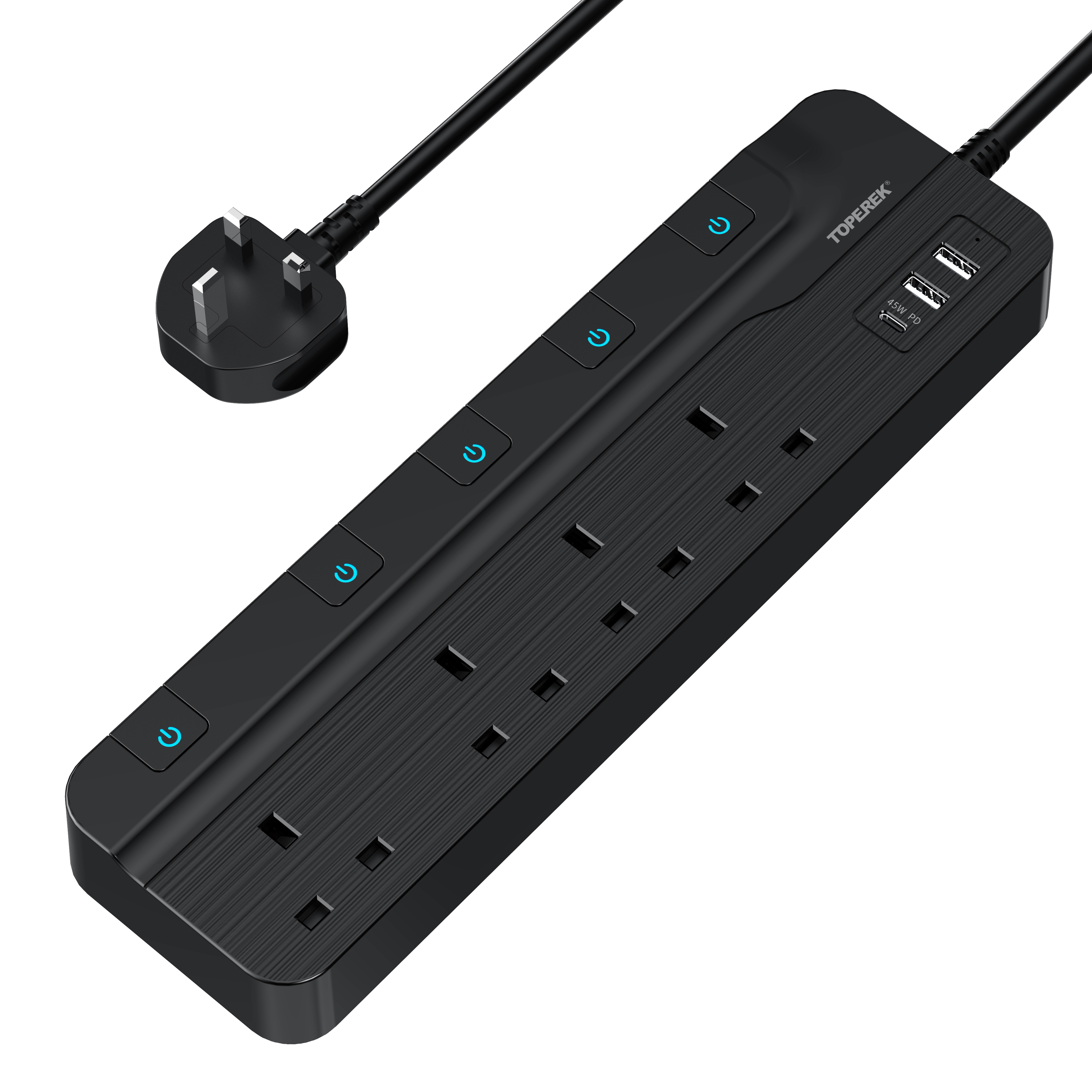
Strategic Engineering: The Evolution of Cube Power Architecture
The transition from traditional, linear multi-outlet power taps to multidimensional cube configurations addresses fundamental geometric inefficiencies in desktop cable management. In linear strips, large AC-DC adapters (commonly known as "wall warts") invariably block contiguous sockets, rendering an 8-outlet board limited to merely 4 or 5 accessible connection points. Cube power strips resolve this spatial bottleneck through 5-sided mechanical dispersion, enabling high-density power delivery within a footprint of less than 80 mm³.
As modern consumer electronics pivot toward unified USB Type-C charging under the European Union’s common charger directive and global USB Power Delivery (USB-PD) standards, desktop charging stations have expanded beyond passive electrical conduit duties. Today's commercial-grade cube strip integrates complex power electronics: GaN (Gallium Nitride) semiconductor switches, synchronous rectification controllers, and multi-protocol negotiation microcontrollers directly integrated alongside the high-voltage AC mains line.
"Modern cube power supply architecture represents the intersection of structural thermal management and compact high-voltage isolation. Designing a cube enclosure requires balancing IEC 60884/UL 1363 creepage and clearance distances against the rapid dissipation requirements of multi-port 65W–100W GaN PCBA modules."
Shenzhen Laxvi Technology addresses these physical constraints through end-to-end vertical integration. By deploying integrated phosphor-bronze stamping busbars rather than point-to-point soldered insulated wiring, Laxvi eliminates thermal bottlenecks, significantly lowers internal resistance, and guarantees uniform current flow across all AC facets even during sustained 16A/4000W peak loading cycles.
Global Procurement & Sourcing Trends Shaping 2025–2030
B2B procurement directors and private label portfolio managers face an evolving regulatory landscape. Sourcing power delivery hardware today requires foreseeing technological convergence across three critical pillars:
1. GaN High-Wattage Monolithic Integration
The obsolescence of legacy 5V/2.4A silicon chargers is accelerating. Professional buyers are standardizing on integrated 30W, 65W, and 100W GaN modules built into the cube core, allowing end-users to power enterprise laptops directly without external bricks.
2. Stringent Circular Plastics & Glow-Wire Rigor
Compliance across UL 94 V-0 and European glow-wire flammability index (GWFI 850°C) is mandatory. The industry is also seeing procurement mandates for post-consumer recycled (PCR) polycarbonate housings that do not degrade flame retardancy or dielectric breakdown strength.
3. Multi-Standard Hybrid Geometries & Modularity
Cross-border e-commerce brands and hotel chains demand universal chassis tooling capable of accepting localized faceplates—including US NEMA, UK BS 1363, EU Schuko, and Italian Type L bypassing without redesigning the primary internal chassis.

Enterprise Manufacturing Infrastructure: The Laxvi Advantage
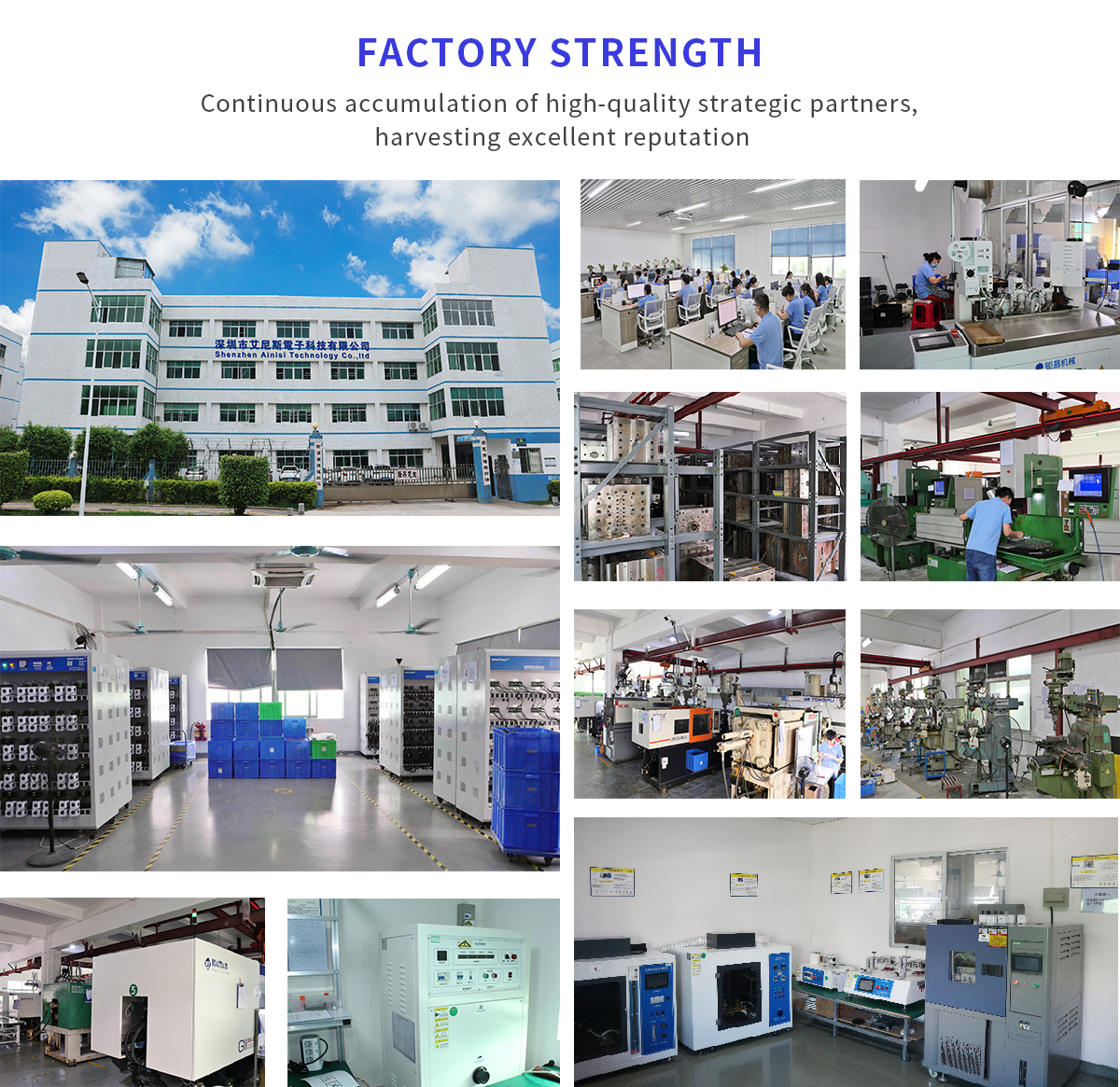
Operating out of an 11,600-square-meter state-of-the-art facility in Pinghu, Shenzhen, Shenzhen Laxvi Technology Co., Ltd. controls the complete production lifecycle. From rapid CNC prototyping and precision mold steel tooling to high-speed surface-mount technology (SMT) and automated assembly lines, our 340-person workforce delivers manufacturing precision with zero outsourcing ambiguity.
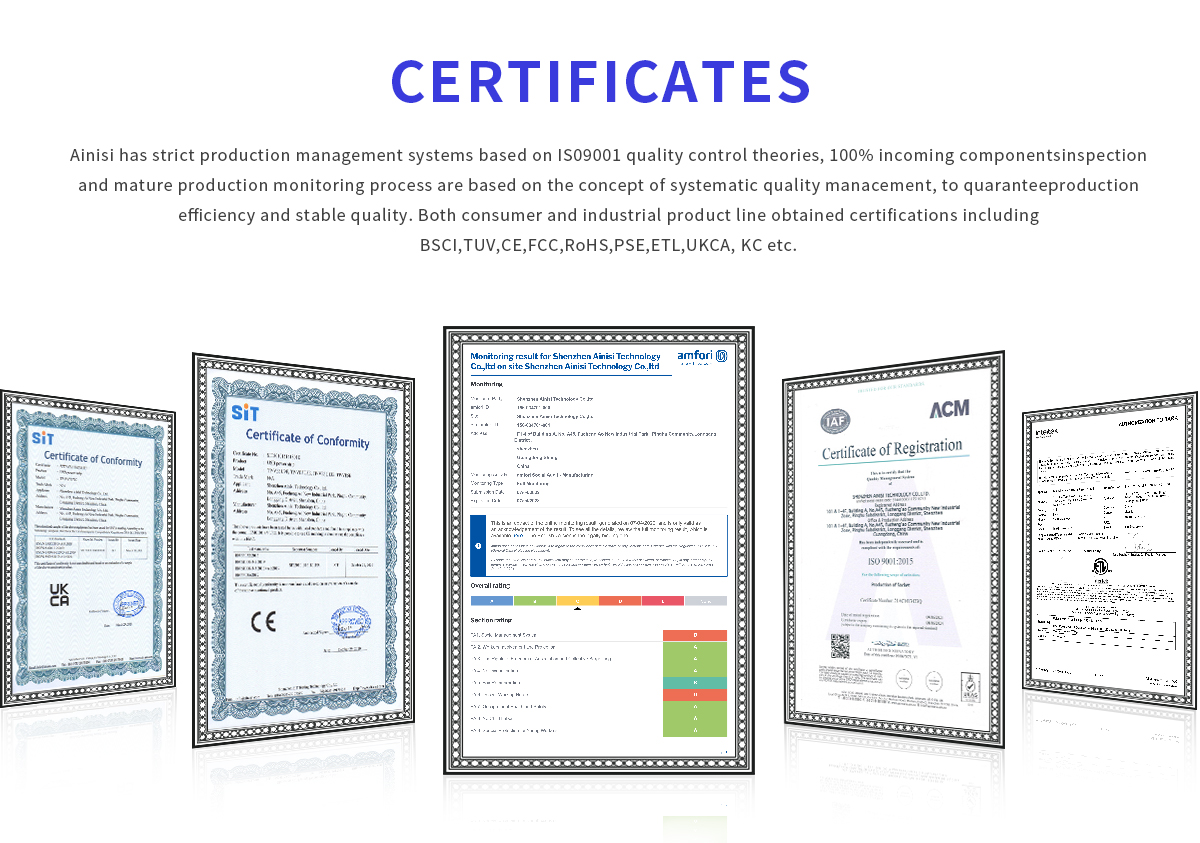
Our operational capabilities are validated on-site by TÜV Rheinland, providing enterprise procurement teams with empirical documentation of factory capacity, ethical compliance, and standardized quality management protocols. Every unit produced undergoes a rigorous battery of in-house tests:
100% Inline Hi-Pot Testing
Every single power strip is subjected to high-voltage dielectric withstand testing (3000V AC) to ensure zero dielectric breakdown between primary high-voltage circuits and secondary user interfaces.
Continuous Burn-In Aging
PCBA charging modules and complete cube assemblies run under full continuous load inside dynamic thermal chambers for 2 to 4 hours to preemptively filter out infant mortality failures.
Electromechanical Longevity
Dedicated automated testing machines execute 10,000 insertion-and-withdrawal cycles alongside 10,000-cycle switch actuations to verify that clamping retention and contact resistance remain within tight specs.
Frequently Asked Questions for B2B Procurement
Which electrical and safety standards are your cube power strips certified under?
Our products are engineered to pass and maintain market-specific certifications. For North America, we build to UL 1363 (Relocatable Power Taps) and UL 62368-1 (Audio/video, information and communication technology equipment safety). For the European Union and UK, products conform to CE, LVD, RoHS, BS 1363, and IEC 60884 standards. For Japan, PSE compliance is validated through diamond/circle certifications. We supply full testing documentation from ISO/IEC 17025 accredited laboratories upon request.
What are the minimum order quantities (MOQs) and lead times for OEM/ODM projects?
For standard production runs using existing tooling with private-label branding (silk-screened logos, customized packaging, and localized cord lengths), our base MOQ begins at 1,000 units. For completely custom ODM mechanical enclosures requiring unique mold fabrication, MOQ is typically 3,000 to 5,000 units. Tooling lead time requires 25–35 calendar days, with pilot production samples delivered within 7 business days following tooling sign-off.
How does Laxvi manage internal thermal buildup within ultra-compact cube enclosures?
Cube power strips house both high-voltage AC busbars and active low-voltage DC switch-mode power supplies in close proximity. Laxvi employs a multi-tiered thermal strategy: premium fire-retardant PC/ABS (UL 94 V-0), high-efficiency GaN power semiconductors with lower RDS(on) switching losses, custom-formed aluminum heat spreaders, and potting compounds where necessary to facilitate rapid thermal conductivity toward the housing perimeter without hot-spot concentration.
Can you accommodate localized internal wiring and multi-plug configurations?
Yes. Our internal tooling is modular. We can supply pure oxygen-free copper cables sized precisely for target regional loads: 14 AWG / 16 AWG for 15A/13A US and Canadian markets; 3x1.5mm² H05VV-F lines for European 16A Schuko specifications; and British standard heavy-gauge cordage with integrated ASTA-certified fused plugs.
Is Shenzhen Laxvi an audited manufacturing supplier?
Yes. Our facility, located at Building 45, Fuchengao Industrial Zone, Pinghu Street, Shenzhen, has been verified on-site by TÜV Rheinland. The independent audit comprehensively evaluates our 11,600 m² footprint, machinery inventory, production flow, quality assurance protocols, and environmental standards. Complete assessment reports are open for B2B buyer review.