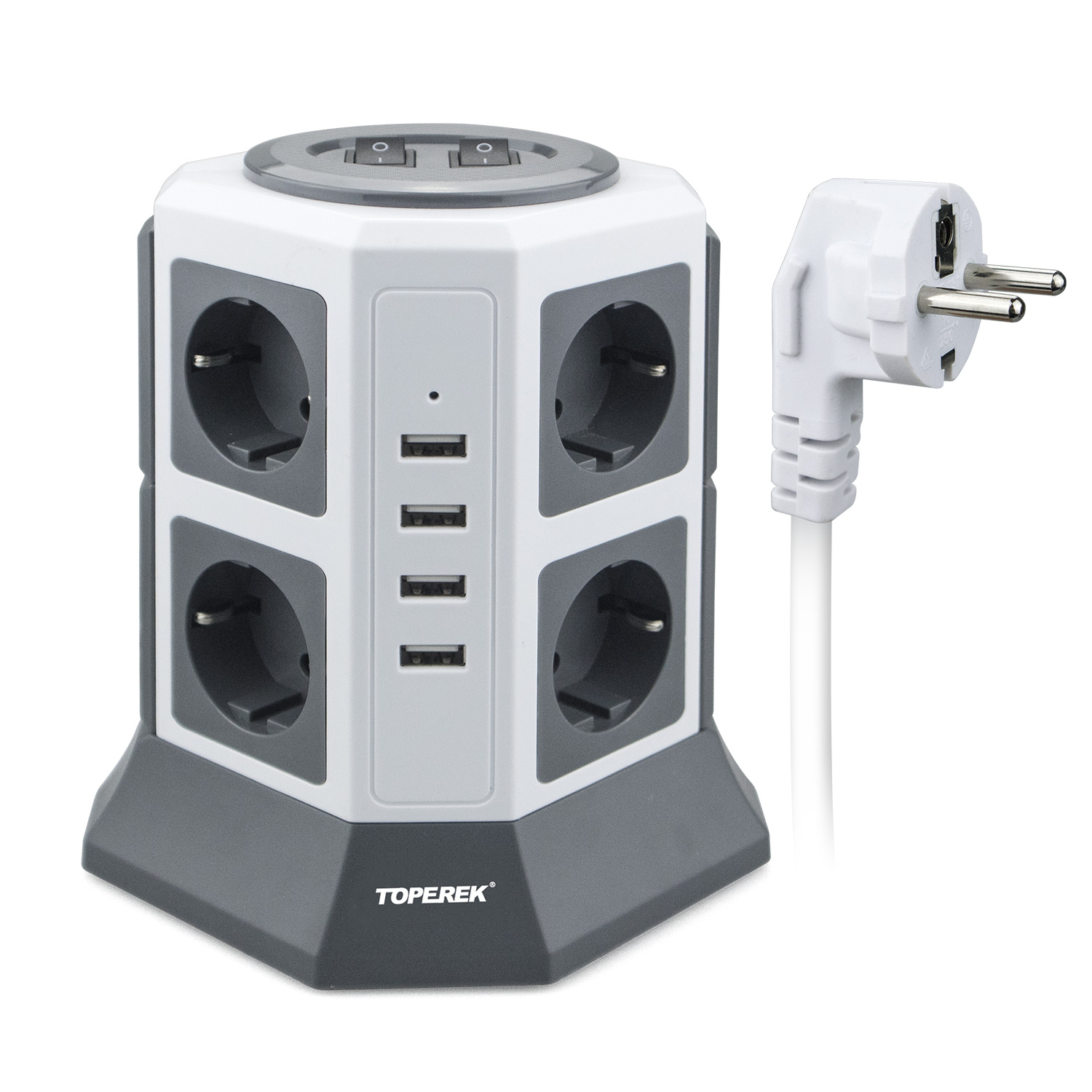
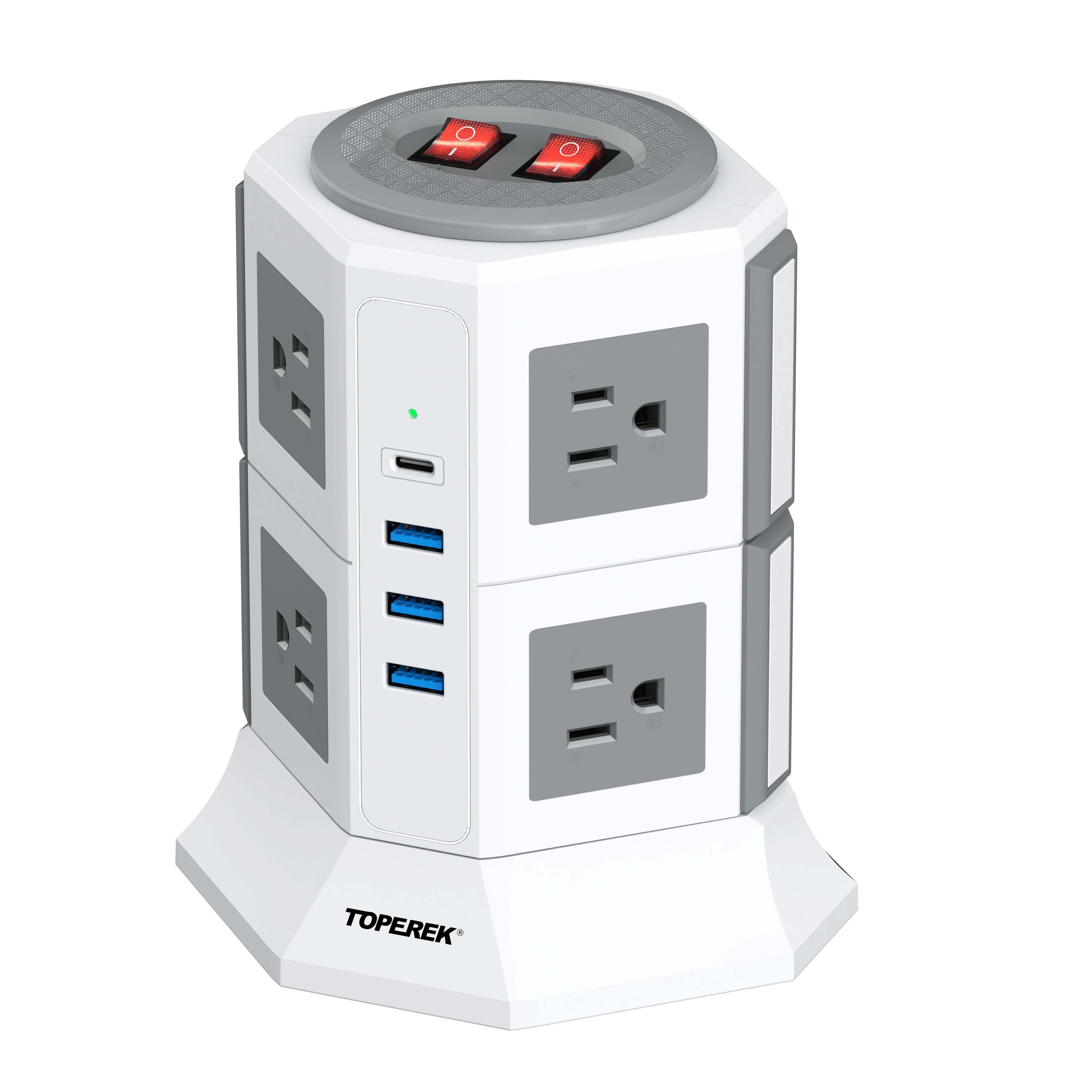
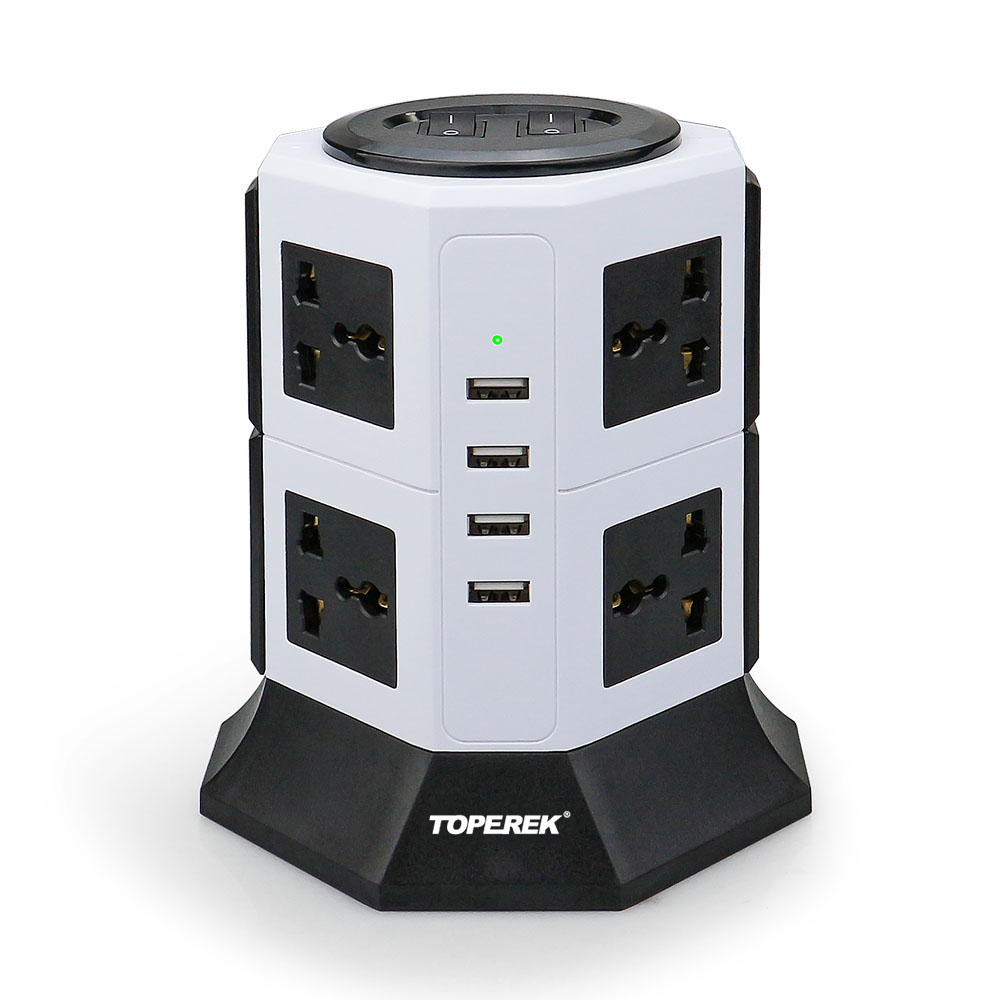
2022 Europe Standard 8 Outlets 4 USB Ports 16A Fire Retardant Socket Vertical Tower
View Specifications
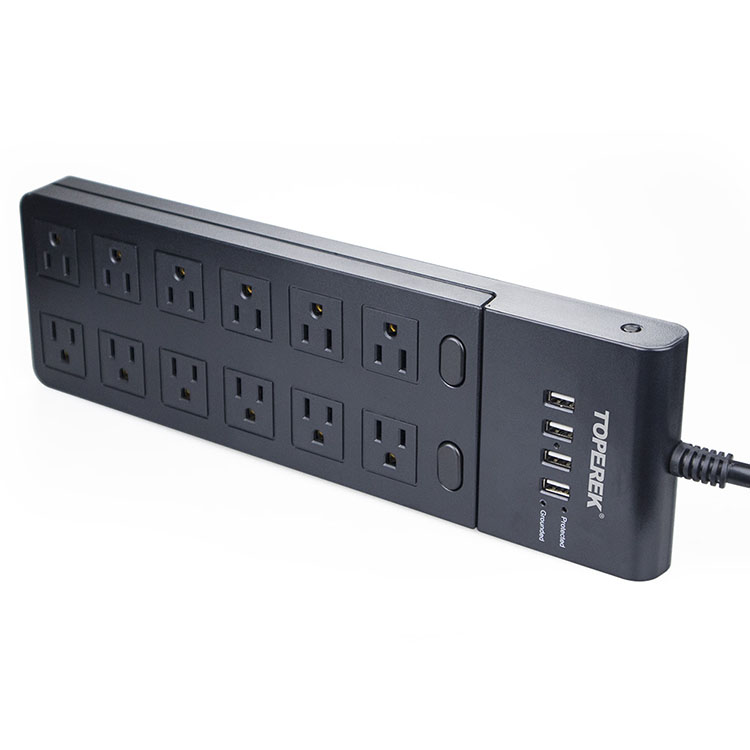
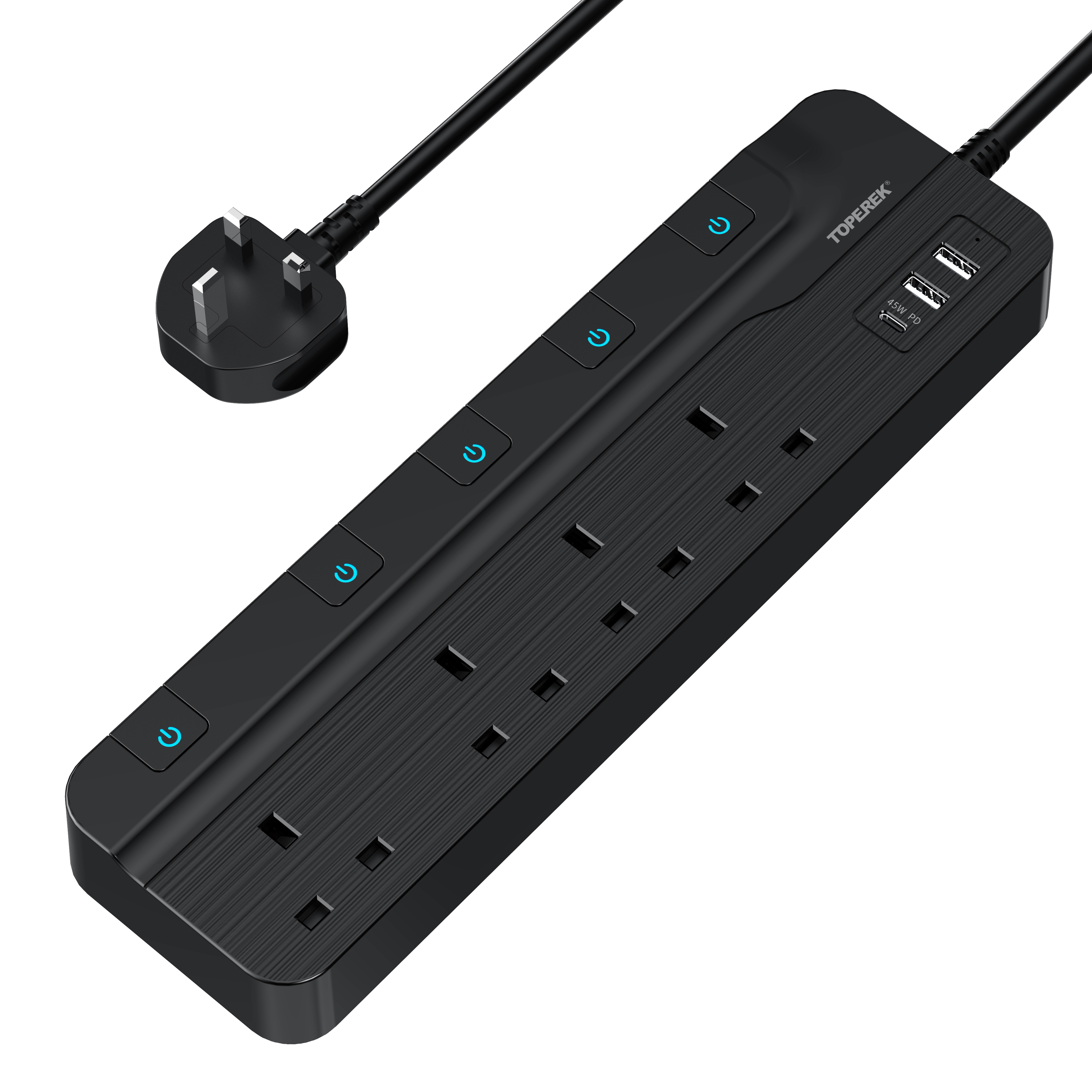
Industrial, commercial, and consumer extension sockets engineered for global grid environments. Type-tested, flame-retardant enclosures with integrated fast-charging modules.
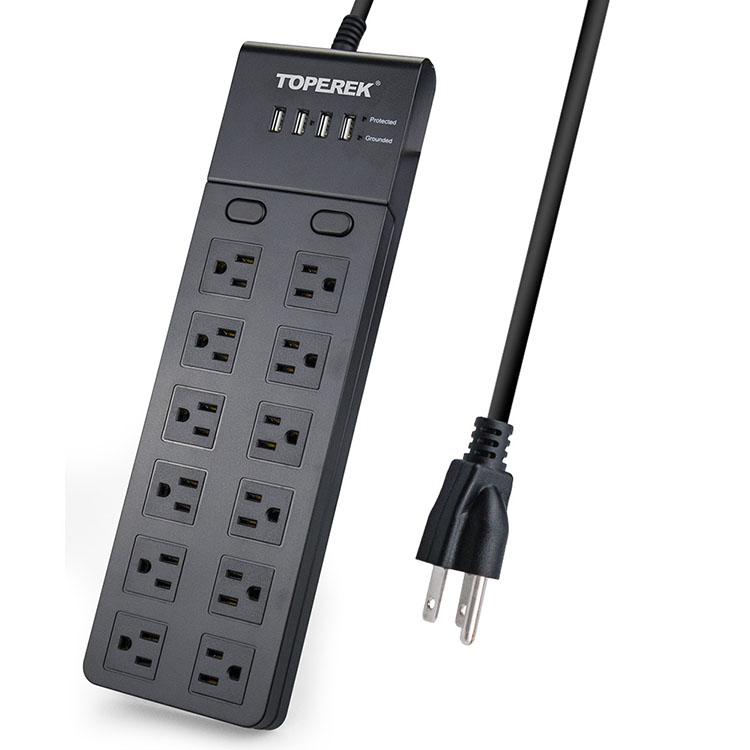
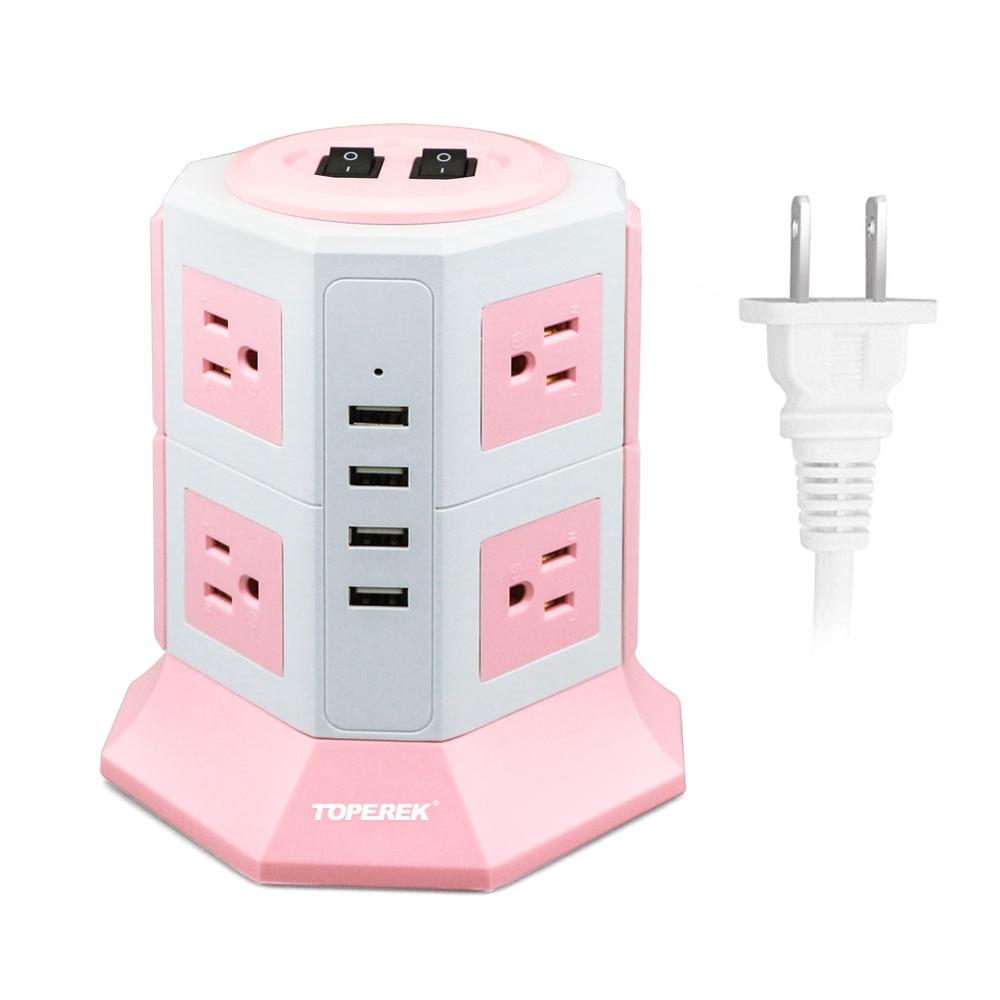
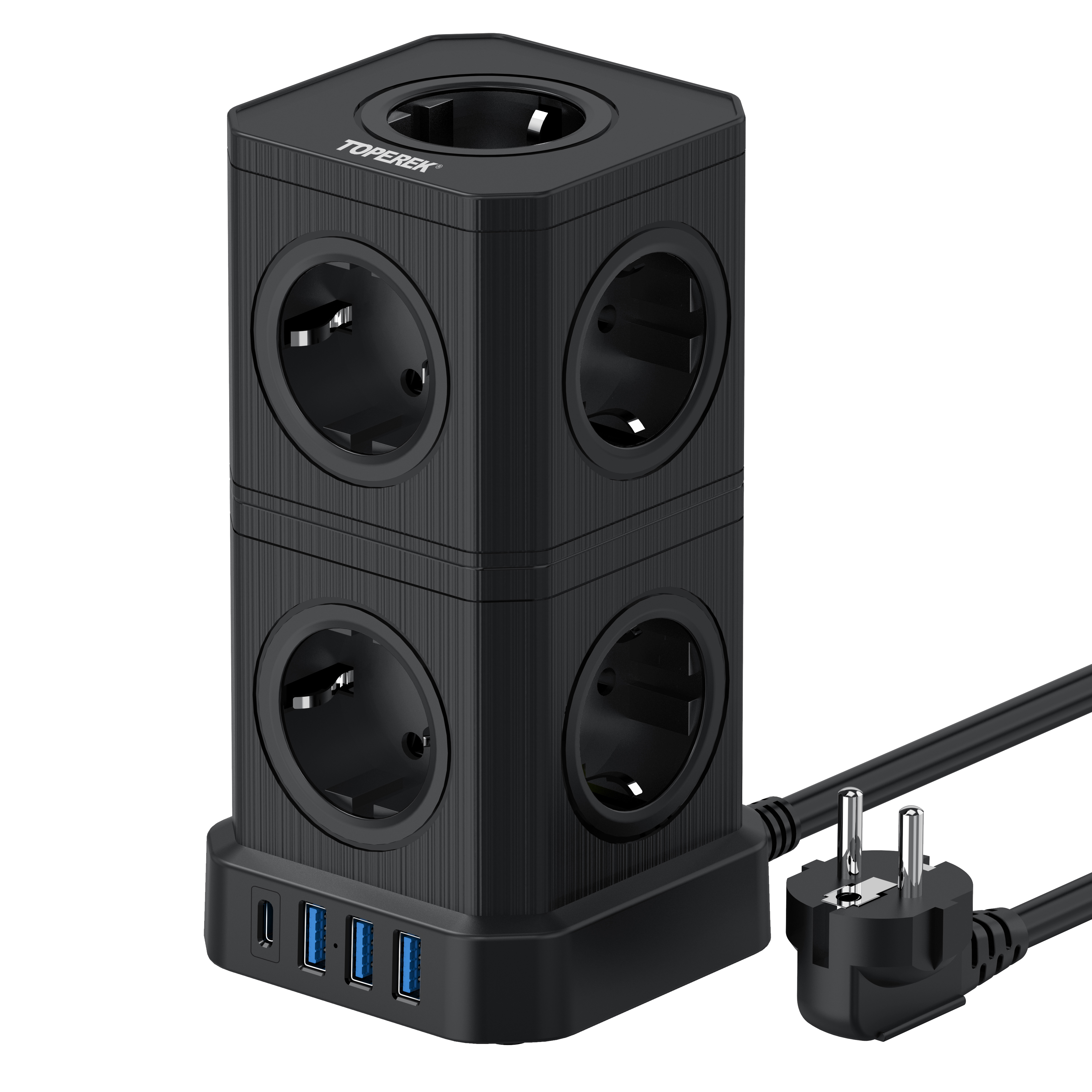
Years Precision OEM/ODM
Advanced Production Plant
Verified Technical Personnel
Rheinland Audited Facility
The convergence of AC mains line-voltage switching and low-voltage high-frequency DC charging circuitry represents a monumental shift in power strip design. For decades, multi-outlet extension leads operated as passive copper pathways designed solely to distribute 100V–250V alternating current. However, the rise of the USB Power Delivery (USB-PD 3.0 / 3.1) protocol has transformed power strips into active power converters. As a premier USB C power strip manufacturer, our core engineering focuses on addressing the fundamental physics bottlenecks associated with this integration: electromagnetic interference (EMI) containment, heat dissipation across closed enclosures, and dynamic power distribution architectures.
In standard AC/DC converter bricks, heat escapes via convection over a dedicated single-chassis surface. In contrast, modern USB-C desktop and vertical tower power strips must isolate the internal PCB board assembly (PCBA) from the primary AC line distribution copper busbars while conforming to tight safety clearances. Implementing pure, high-conductivity phosphor bronze busbars adjacent to high-density switch-mode power supplies requires rigorous high-voltage isolation (typically rated at 3000V AC dielectric withstand) and high-grade 750°C glow-wire resistant polycarbonate (PC) or ABS-PC blend outer housings.
Traditional silicon MOSFET topologies face severe switching frequency limits when integrated within compact multi-outlet forms. Operating conventional silicon at frequencies higher than 100 kHz leads to excessive thermal accumulation inside the power strip casing, leading to accelerated capacitor degradation and fire hazards. Through intensive R&D, our production infrastructure has transitioned toward integrated Gallium Nitride (GaN Fast) technology.
For cross-border brand aggregators, electrical distributors, and industrial enterprise procurement managers, purchasing strategies are undergoing critical systemic evolutions:
Global multi-standard footprints and wide-input voltage charging engines (100V–250V 50/60Hz) permit multinational distributors to harmonize inventories across North America, Europe, the UK, and Japan, lowering packaging fragmentation costs.
Commercial sourcing is transitioning from basic 20W/30W smartphone ports to 100W–140W EPR (Extended Power Range) modules capable of powering workstation laptops, direct medical peripherals, and heavy-draw office equipment directly from the strip.
Enterprise buyers are mandating halogen-free plastics, post-consumer recycled (PCR) resin casing compliance, and lead-free ultrasonic welding assemblies to adhere to stringent EU RoHS and WEEE extended producer obligations.
Shenzhen Laxvi Technology Co., Ltd. brings over a decade of vertical integration directly to consumer electronics brands, big-box retailers, and e-commerce leaders. Rather than operating as an assembly-only workshop, our 11,600 square meter Shenzhen facility controls every critical tier of production:
Our production platforms are designed from ground up to fulfill region-specific mandates: UL 1363 / UL 498A / UL 62368-1 for North America (FCC certified); CE-LVD / CE-EMC and EN 61242 / EN 62368 for the European Union; BS 1363-2 and UKCA standards for the United Kingdom; and PSE compliance for Japan. Full lab test documentation is available prior to dispatch.
We integrate intelligent microcontrollers (MCUs) running proprietary power-balancing algorithms. When multiple devices connect, the internal power distribution chip instantly negotiates with each connected protocol engine (USB-PD, QC 4+, AFC, FCP), preventing voltage drop, spontaneous port disconnects, or unexpected thermal loops.
We strictly utilize virgin ABS+PC blended polymers rated UL94 V-0 flame-retardant. The housing withstands temperatures exceeding 750°C under standardized glow-wire needle flame tests, self-extinguishing within 10 to 30 seconds to prevent ignition during overcurrent anomalies.
Standard SKU customization (pad printing, laser engraving, and custom packaging) begins at a minimum order quantity (MOQ) of 1,000 pieces with a 15–20 day dispatch window. Full ODM projects involving unique casing molds require 30 days for tooling plus 25 days for initial mass production.
Our professional surge protector series incorporate multi-stage Metal Oxide Varistors (MOV) coupled with thermal fuses rated up to 1050–4000 Joules. The circuits isolate connected loads within 1 nanosecond of transient grid spikes, complete with front-panel LED status indicators confirming grounding integrity and suppression status.
Connect with our technical engineering sales staff. Access custom CAD drawings, wholesale pricing matrices, and accelerated factory sample runs tailored to your geographic electrical criteria.
Get a Quote