Certified 65W & High-Density Power Strip Formats
Engineered with smart-IC power allocation, pure copper busbars, and UL94 V-0 flame-retardant housings to satisfy European DIN VDE and international export safety thresholds.
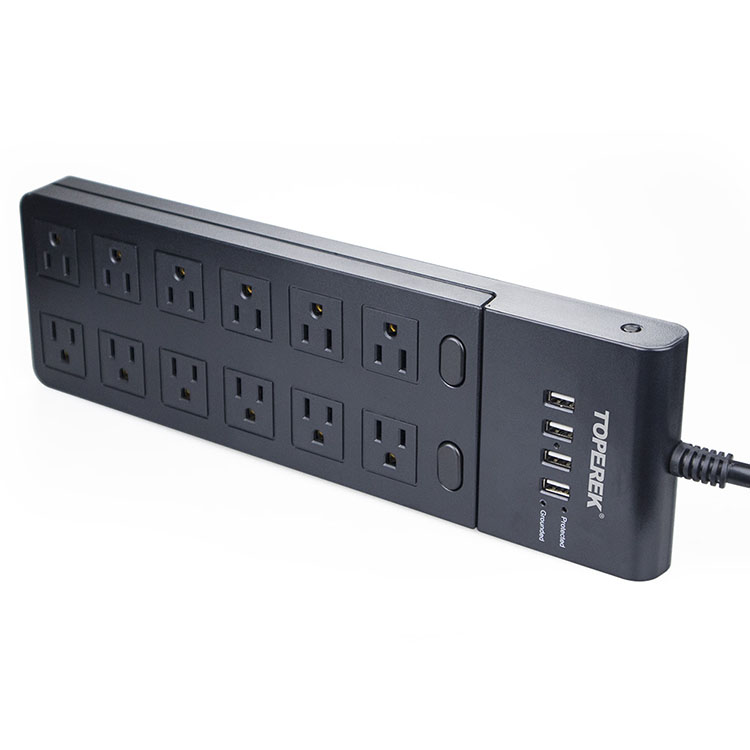
TOPEREK US Plug 12 Outlets with 4 USB Ports
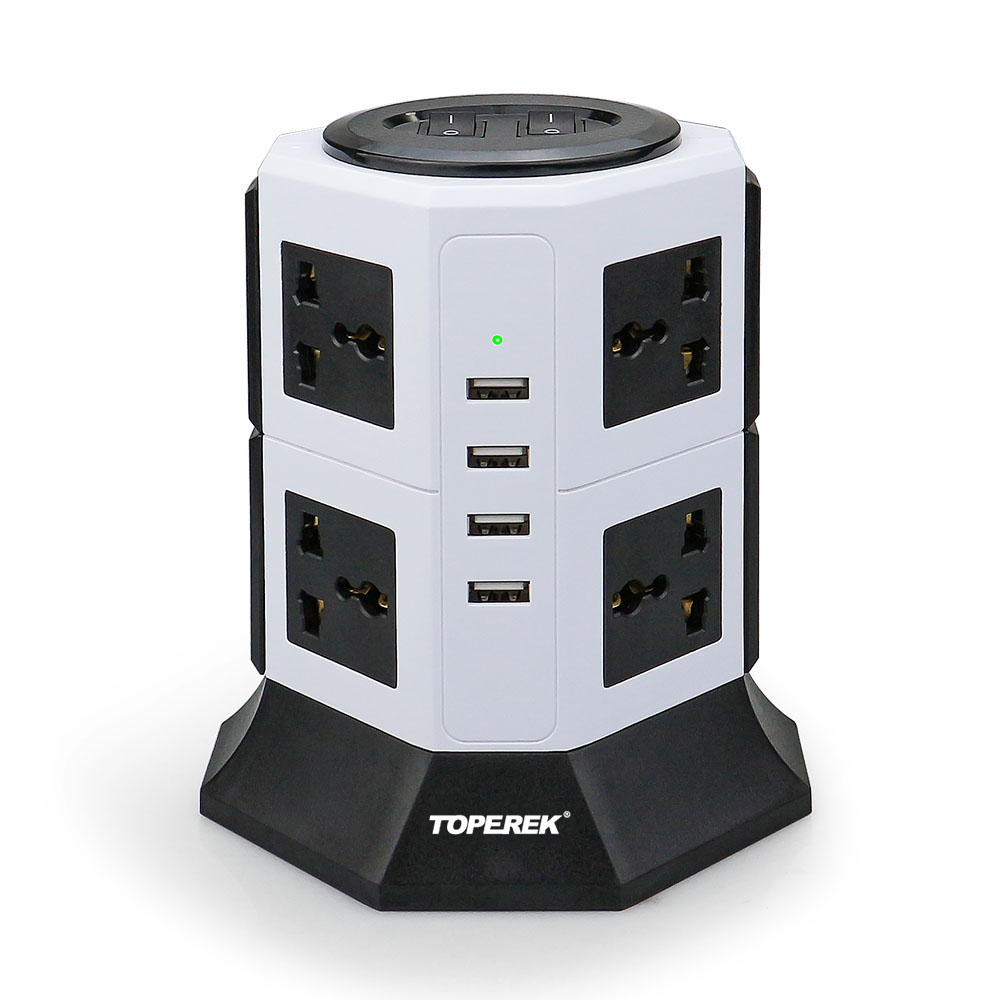
Universal Power Socket Tower with Smart USB Array
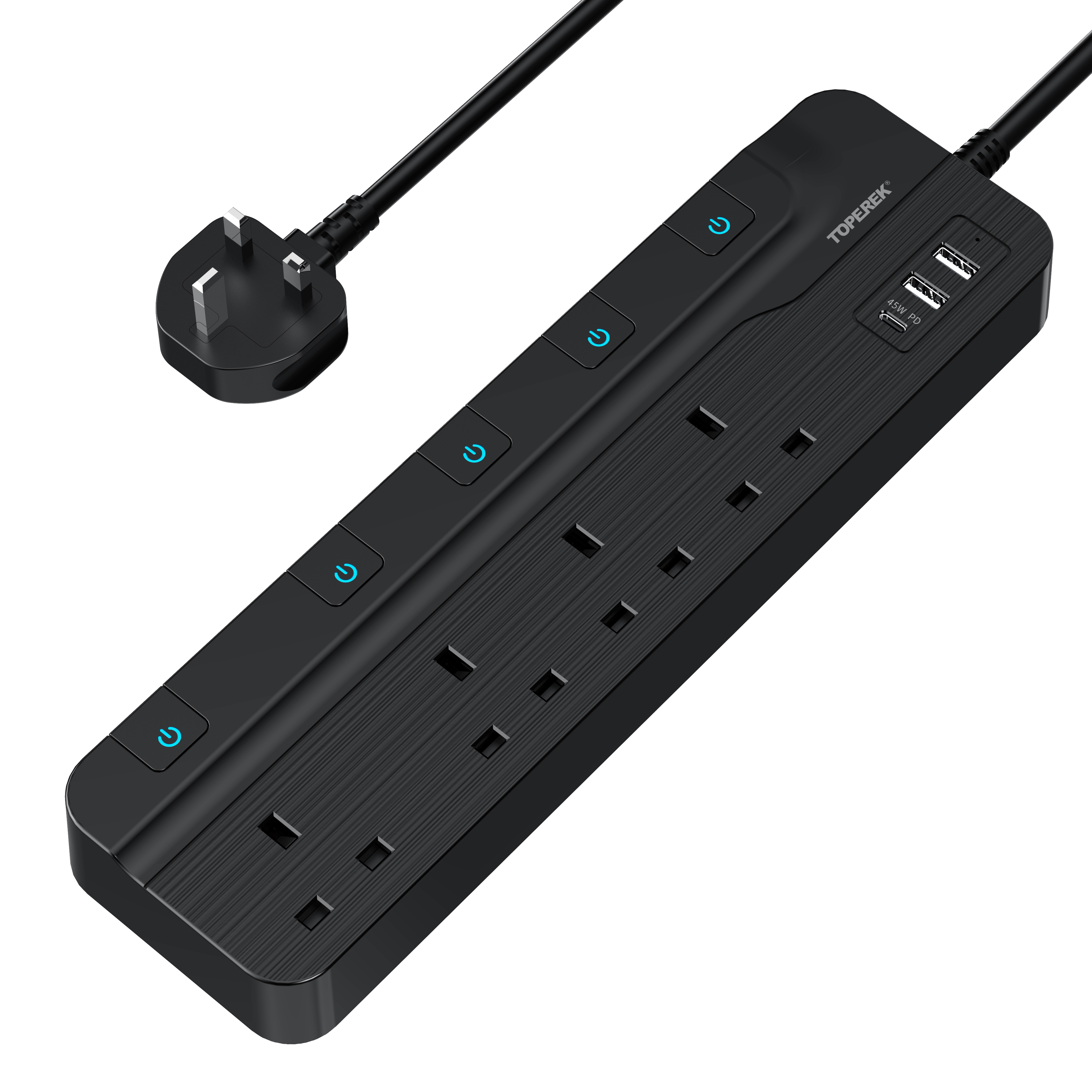
Fire-Retardant 13A UK Standard 4-Way Strip with PD45W
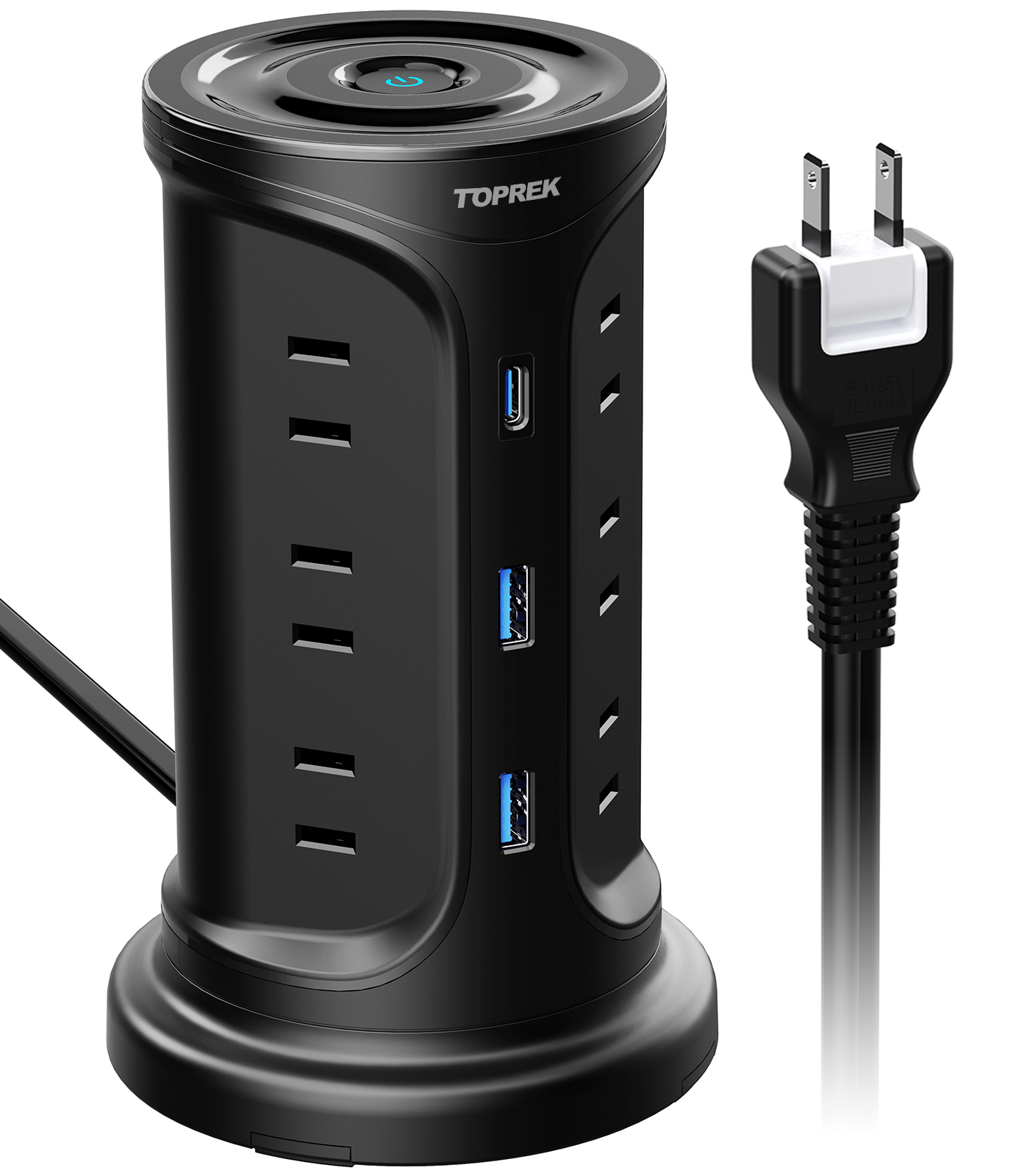
TOPREK PSE 15A 1500W Japanese Standard 12 Outlets
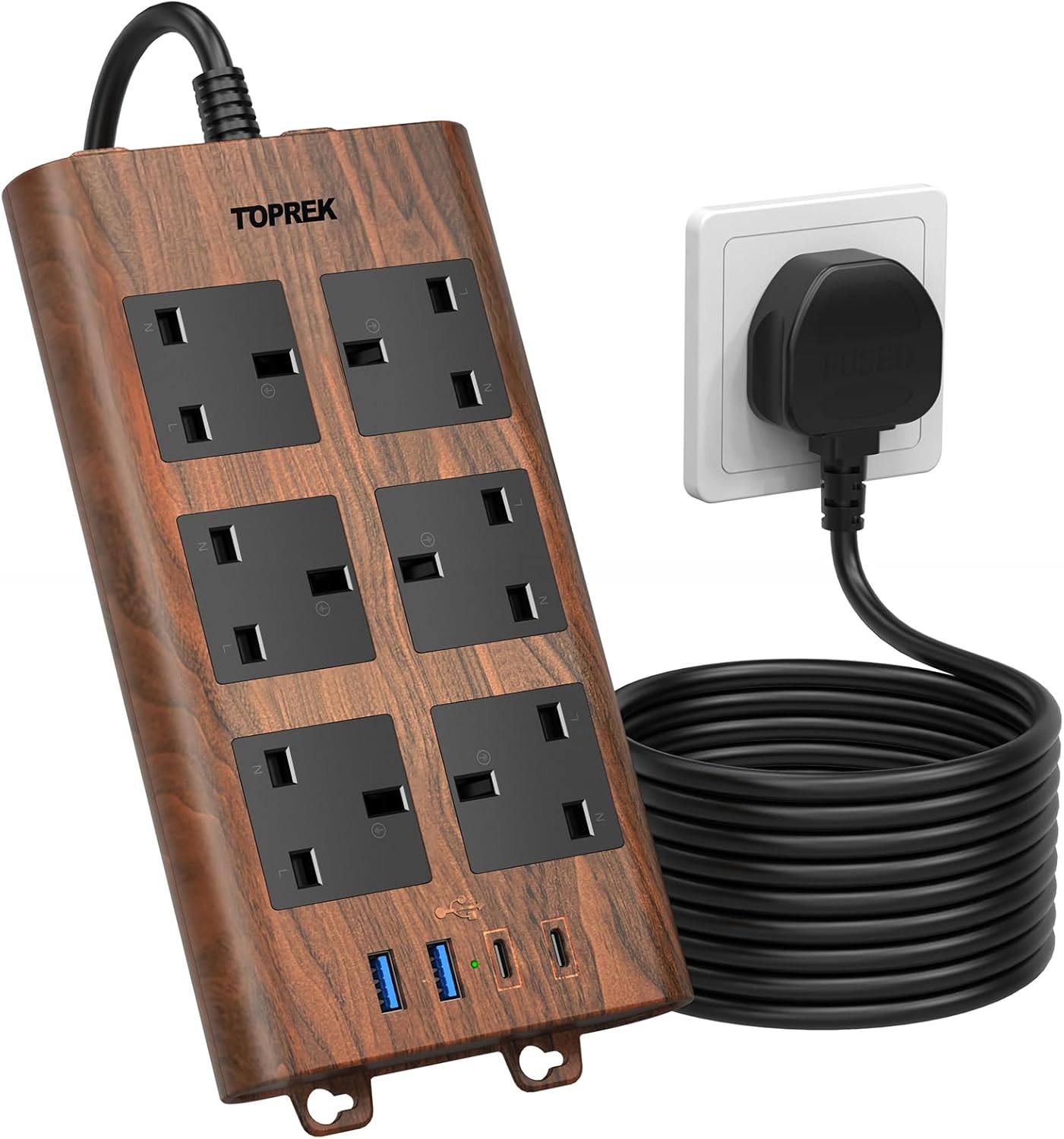
Wood Grain 6-Way Lead with High-Capacity Surge Defense
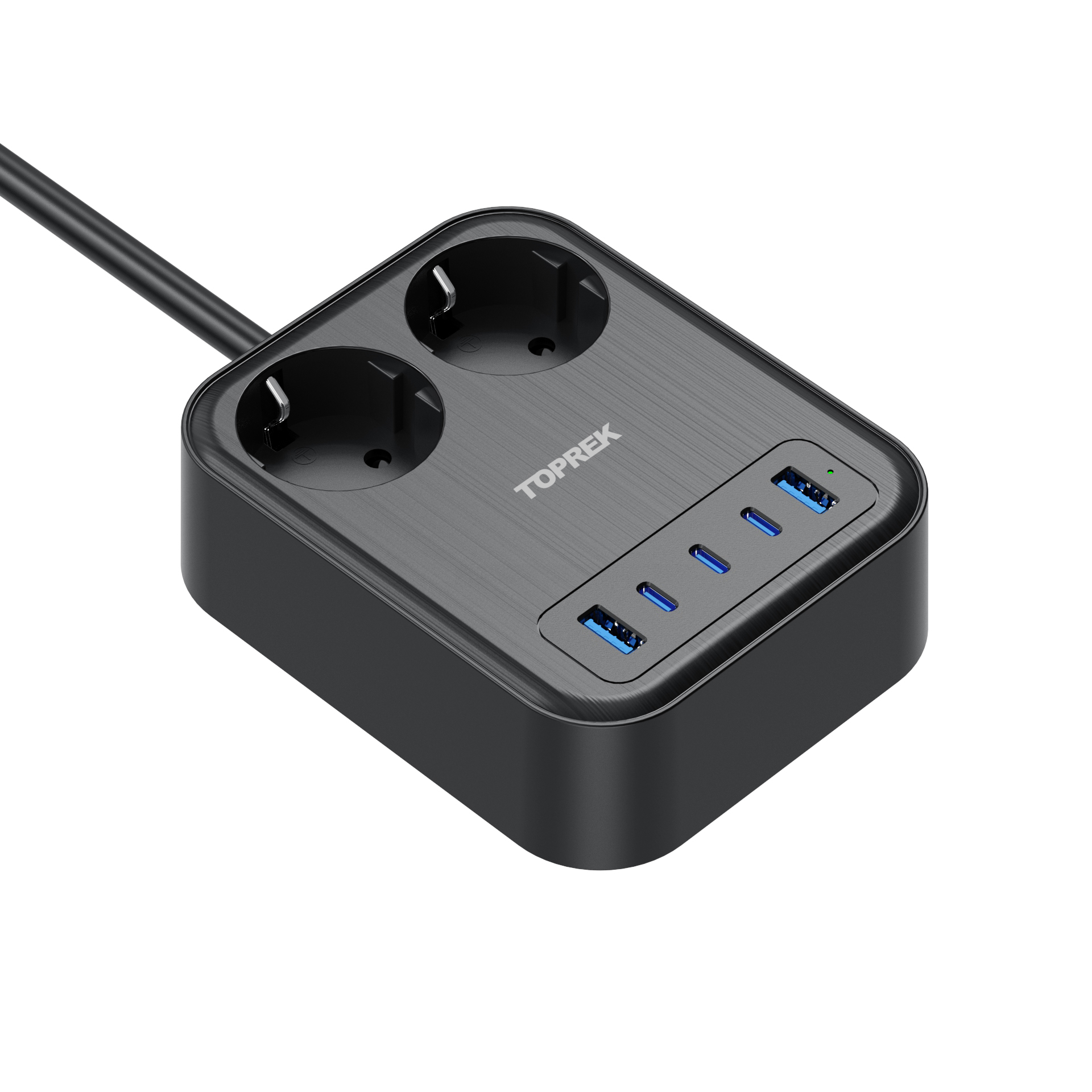
Multifunctional 65W GaN Fast Charger + Dual AC Hub
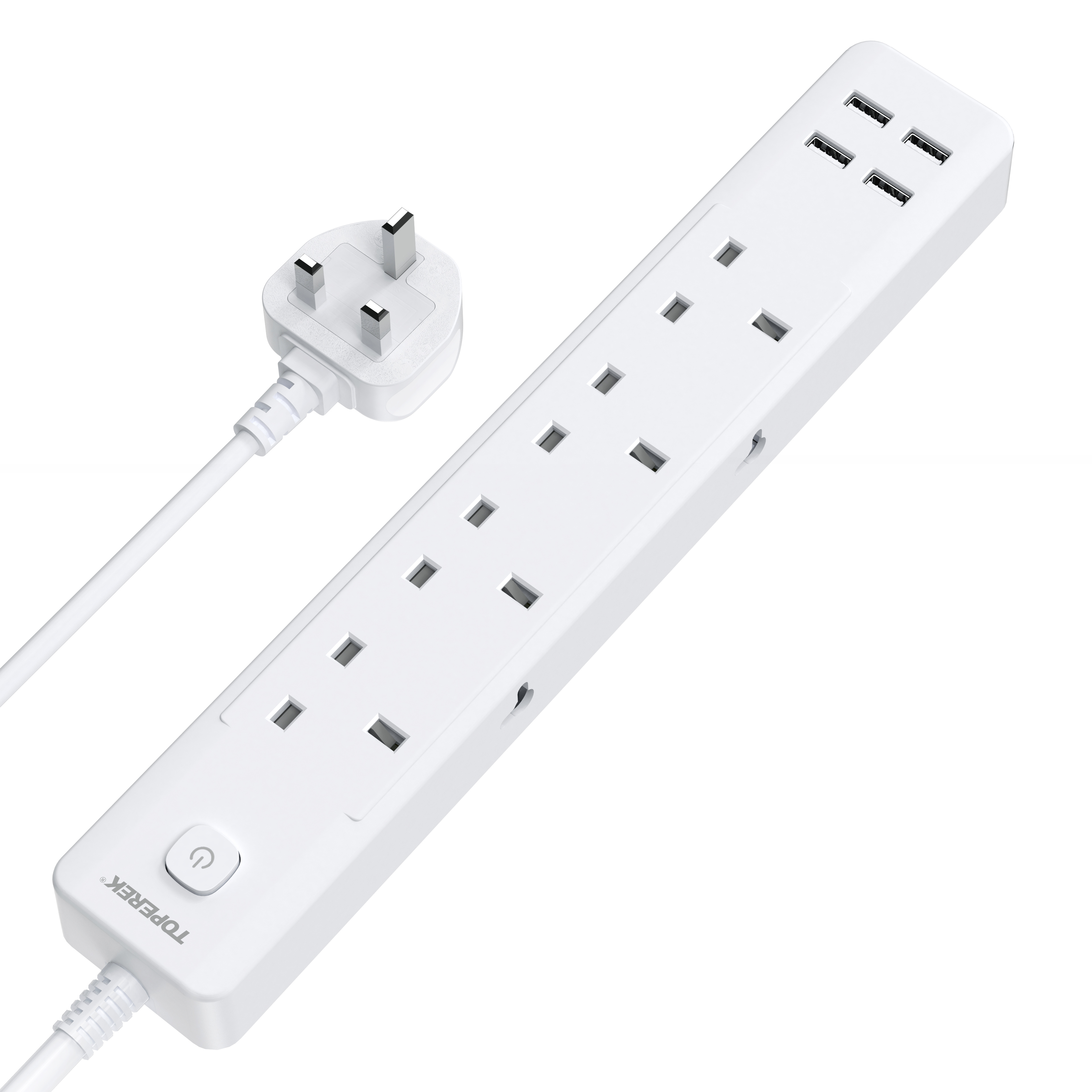
13A Fire Retardant Extension Unit with Quad USB Matrix
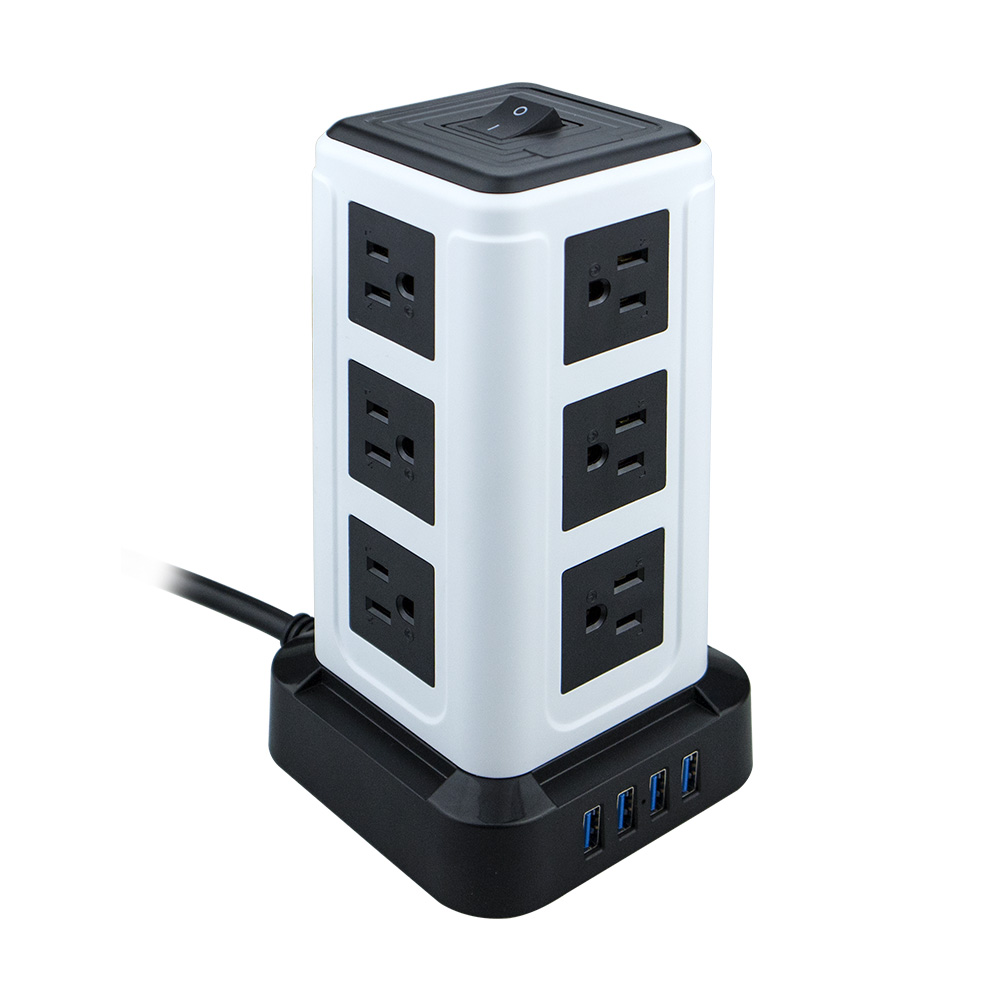
TOPEREK Architectural Tower 12 Outlets + High-Output USB
Navigating Northern Germany’s Fast-Charging Socket Ecosystem
Why Hamburg serves as the primary gateway for Gallium Nitride (GaN) power strip imports into the DACH region and how corporate electrification standards are evolving.
The Free and Hanseatic City of Hamburg represents far more than Germany’s second-largest metropolitan area; it is the definitive logistics pivot for Northern and Central Europe. Through the Port of Hamburg (Hamburger Hafen) and the extensive rail logistics network radiating from Waltershof and Altenwerder, consumer electrical goods and professional power distribution units (PDUs) enter Germany, Scandinavia, and Eastern European distribution circuits. Over the past twenty-four months, commercial demand across the Hamburg metropolitan region—stretching from HafenCity’s state-of-the-art office developments to the maritime engineering firms in Harburg—has shifted decisively away from conventional passive extension leads toward integrated 65W Gallium Nitride (GaN) fast-charging sockets.
In contemporary German corporate environments, the ubiquitous external AC power adapter (brick charger) is increasingly regarded as an operational inefficiency and an unnecessary electronic waste hazard. The mandate from procurement directors and facility engineers is clean: direct USB Power Delivery (USB-PD 3.0/3.1 with PPS) integrated into the primary extension strip or desk module. A nominal capacity of 65 Watts represents the critical engineering tipping point. At 65W, a socket can directly negotiate voltage profiles (5V/3A, 9V/3A, 12V/3A, 15V/3A, 20V/3.25A) required to run enterprise ultrabooks (such as Lenovo ThinkPad, HP EliteBook, and Apple MacBook Pro) without throttling performance, while simultaneously distributing auxiliary amperage to secondary mobile hardware via dynamic load balancing.
HafenCity Corporate Offices
Desk-sharing and hot-desking configurations in Hamburg’s financial and logistics sectors require all-in-one charging hubs that eliminate tangled cords, reduce desktop clutter, and supply direct laptop charging via USB-C.
Maritime Logistics & Terminals
High-duty control rooms and administrative stations throughout Altenwerder demand fire-retardant (UL94 V-0) enclosures, surge suppression ratings up to 1050 Joules, and heavy-duty pure copper cabling.
Hamburg Hospitality & Long-Stay
Boutique and corporate hotels across the Alster and St. Georg districts integrate multi-standard universal outlets and 65W fast-charging sockets into bedside furniture, catering to international maritime and trade visitors.
Technical Standards & Regulatory Conformance for Germany
How Shenzhen Laxvi Technology engineers 65W sockets to comply with rigorous German Product Safety Acts (ProdSG), low-voltage directives, and electromagnetic compatibility parameters.
Entering the German consumer and professional electronics marketplace demands stringent alignment with European Union harmonized standards and specific national testing criteria. Products entering via the Port of Hamburg are routinely subject to customs verification (Zollamt) and market surveillance audits conducted by the Federal Network Agency (Bundesnetzagentur) for electrical safety and EMC compliance.
Shenzhen Laxvi Technology executes a multi-stage validation cycle for all German and European exports. For Schuko-based (CEE 7/3 Type F) configurations, internal busbars are stamped from phosphor bronze (CuSn6) with a minimum copper purity of 99.8%, ensuring exceptional mechanical elasticity and low contact resistance (<20 mΩ). This prevents the contact degradation and overheating that frequently plague lower-tier zinc-alloy assemblies when subjected to continuous 16A / 3680W loads.
| Regulatory Standard | Test Parameters & Verification Protocol | Laxvi Engineering Implementation | B2B Sourcing Relevance |
|---|---|---|---|
| DIN VDE 0620-1 / -2-1 | Plugs and socket-outlets for domestic and similar use; mechanical and thermal shock testing. | CEE 7/3 (Schuko) child protection shutters (Kindersicherung), >10,000 insertion cycles. | Imperative for legal wholesale and retail distribution in Germany and Austria. |
| EN 62368-1:2020+A11 | Audio/video, information and communication technology equipment safety; electrical energy sources classification. | Isolation barriers between AC mains and secondary DC circuits >6.4mm clearance and creepage. | Mandatory for CE mark self-declaration and safety audit defense under ProdSG. |
| EN 55032 / EN 55035 | Electromagnetic compatibility of multimedia equipment (Emission and Immunity requirements). | Multi-stage EMI suppression filter, high-permeability choke, line-to-line X2 capacitors. | Prevents radio frequency interference with industrial communications in commercial hubs. |
| RoHS Directive 2011/65/EU | Restriction of hazardous substances in electrical and electronic equipment (Pb, Cd, Hg, Cr VI, PBB, PBDE). | 100% lead-free wave soldering, high-temperature environmental PC/ABS resins. | Mandatory for customs clearance at European container handling facilities. |
| IEC 60695-2-11 | Fire hazard testing: Glowing/hot-wire based test methods for finished products. | Housing components resist glow-wire flammability index up to 750°C / 850°C. | Crucial for commercial real estate insurance and fire-marshal compliance. |
At the center of our high-density charging circuits is third-generation Gallium Nitride (GaN) semiconductor architecture. By replacing conventional silicon MOSFETs with high-electron-mobility GaN transistors, our switching frequencies exceed 200 kHz. This yields two monumental operational benefits for B2B buyers: an active efficiency rating surpassing 93.4% (significantly exceeding EU Tier 2 Ecodesign regulations for external power supplies) and a dramatically diminished thermal footprint that keeps external casing temperatures well below 35°C above ambient under full 65W load.
Direct OEM/ODM Partnership Backed by TÜV Rheinland
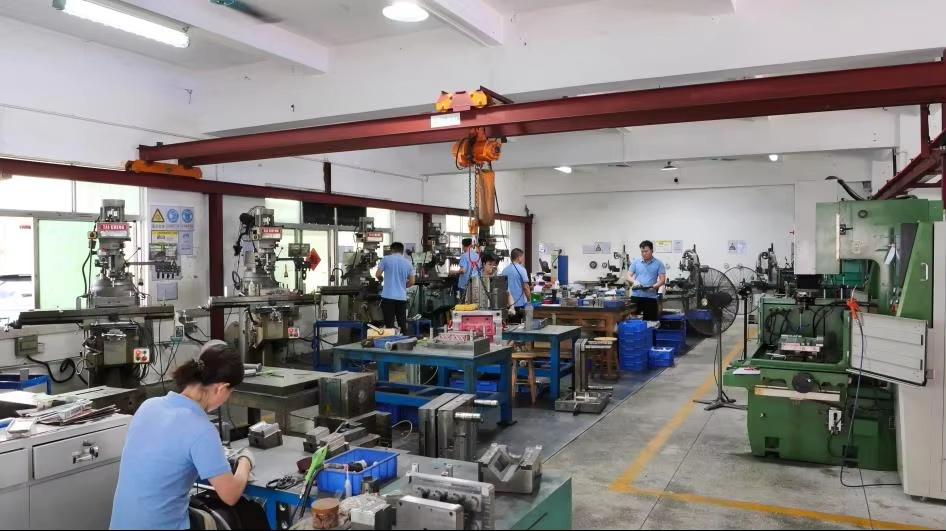
Shenzhen Laxvi Technology Co., Ltd. operates an integrated, 11,600 m² advanced manufacturing facility in Pinghu, Shenzhen. We eliminate middleman markups and technical discrepancies by maintaining full in-house control over high-precision tooling, plastic injection molding, automated SMT, ultrasonic welding, and computerized aging validation.
Key Sourcing Trends Transforming European Fast-Charging Sockets
Strategic shifts in material science, energy monitoring, and circular packaging that direct B2B buying strategies in Germany.
Intelligent PPS & UFCS Integration
Modern enterprise procurement specifies Programmable Power Supply (PPS) protocol support to ensure voltage micro-stepping (20mV steps). This minimizes internal device thermals during fast cycles for Apple, Samsung, and Dell fleets.
Eco-Design & Zero Standby Draw
With Germany’s heightened emphasis on power efficiency (Stromeffizienz), our GaN circuits incorporate smart sleep-mode ICs with standby power consumption below 0.075W, satisfying the most stringent eco-labels.
Circular Packaging & Compliance
German distributors must satisfy the German Packaging Act (VerpackG) via LUCID registration. Laxvi delivers bulk shipments in unbleached, FSC-certified kraft corrugated cartons with zero single-use plastics.
Frequently Asked Questions for Hamburg Importers & Wholesalers
Direct answers concerning commercial terms, customs procedures, technical compliance, and sample turnaround.
Q What customs HS code and import duty rates apply when importing 65W sockets through Hamburg?
Fast-charging power strips and multi-socket extension units typically enter the European Union under HS Code 8536.69.90.99 (Plugs and socket-outlets for a voltage not exceeding 1,000 V) or 8504.40.83.90 (Static converters, smart power supplies/chargers) depending on whether the primary functionality is classified as electrical distribution or power conversion. Conventional third-country duty rates range between 2.3% and 3.7%, subject to European TARIC regulations. Laxvi provides complete, accurate commercial invoices, packing lists, and preferential export documentation to ensure frictionless customs processing at the Waltershof container terminal.
Q Can Laxvi customize our 65W fast-charging sockets with German Type F Schuko and French Type E outlets on the same production tooling?
Yes. We possess modular tooling inserts that allow hybrid CEE 7/7 plug compatibility (compatible with both German Schuko side grounding clips and French/Belgian earth pins). For internal socket modules, our in-house mold shop can produce customized combinations of Schuko (Type F), Europlug (Type C), and high-output USB-C/USB-A modules within a unified master housing.
Q How does Laxvi address dynamic thermal dissipation in compact 65W multi-port desk sockets?
High-output fast charging within compact extension housings requires rigorous heat dissipation engineering. Laxvi employs a multi-tiered thermal management protocol: utilizing low-RDS(on) GaN semiconductors, potting high-temperature thermally conductive silicone resin (thermal conductivity >1.5 W/m-K) across the transformer and switching stages, and integrating dual NTC temperature sensors that automatically step down charging wattage if internal temperatures exceed 85°C.
Q What is the typical Minimum Order Quantity (MOQ) and production lead time for sea shipment to Hamburg?
For standard configurations with custom laser branding and bilingual (German/English) retail packaging, our base MOQ is 1,000 units. For full bespoke tooling or custom housing coloration (e.g., corporate RAL color-matched housings), MOQs start at 2,000 to 3,000 units. Mass production lead times are typically 25 to 30 business days after golden sample sign-off, with maritime transit from Shenzhen/Yantian to Hamburg averaging 28 to 34 days via direct vessel routes.
Q Do your products comply with the German Electrical and Electronic Equipment Act (ElektroG / WEEE)?
Yes. Our products feature indelibly stamped crossed-out wheeled bin symbols per EN 50419. We provide our German wholesale partners and brand license holders with exact net component weights, plastic/metal breakdown ratios, and technical schematics needed to register products seamlessly under the national Stiftung EAR registry.