Precision Surge Protectors & Smart Power Strips
Engineered with V-0 flame-retardant enclosures, high-joule MOV surge suppressors, and multi-protocol fast charging—strictly meeting international and Japanese B2B wholesale criteria.
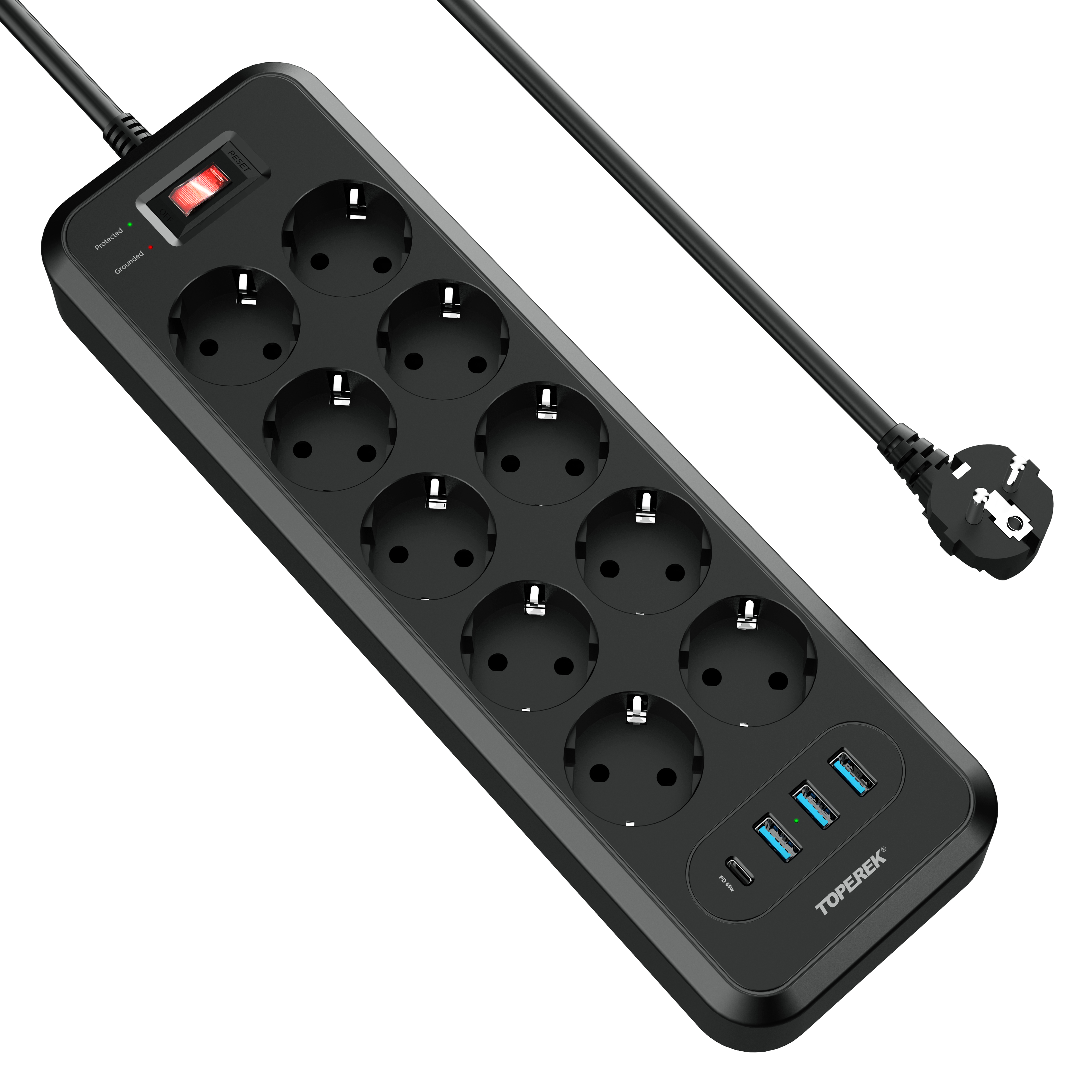
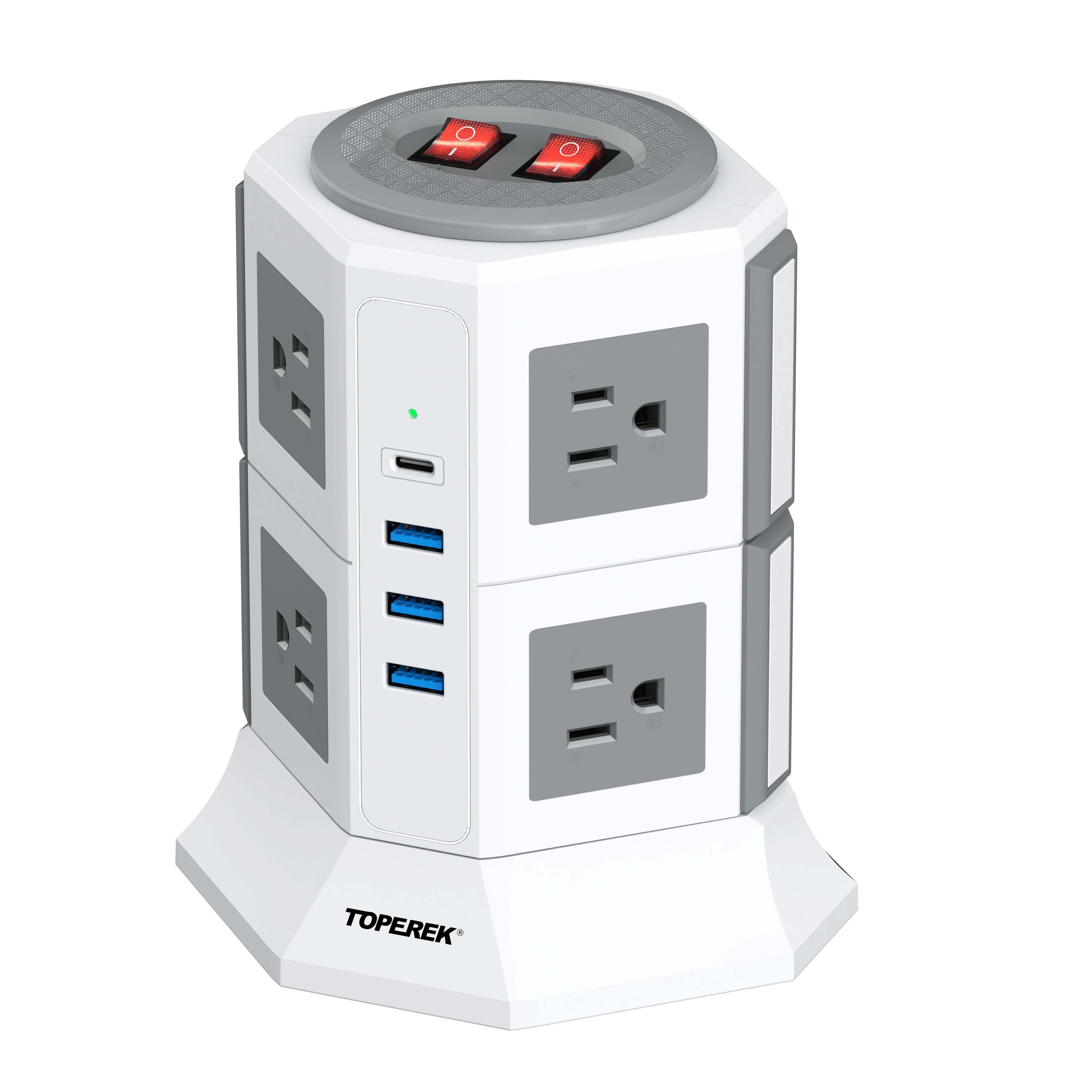
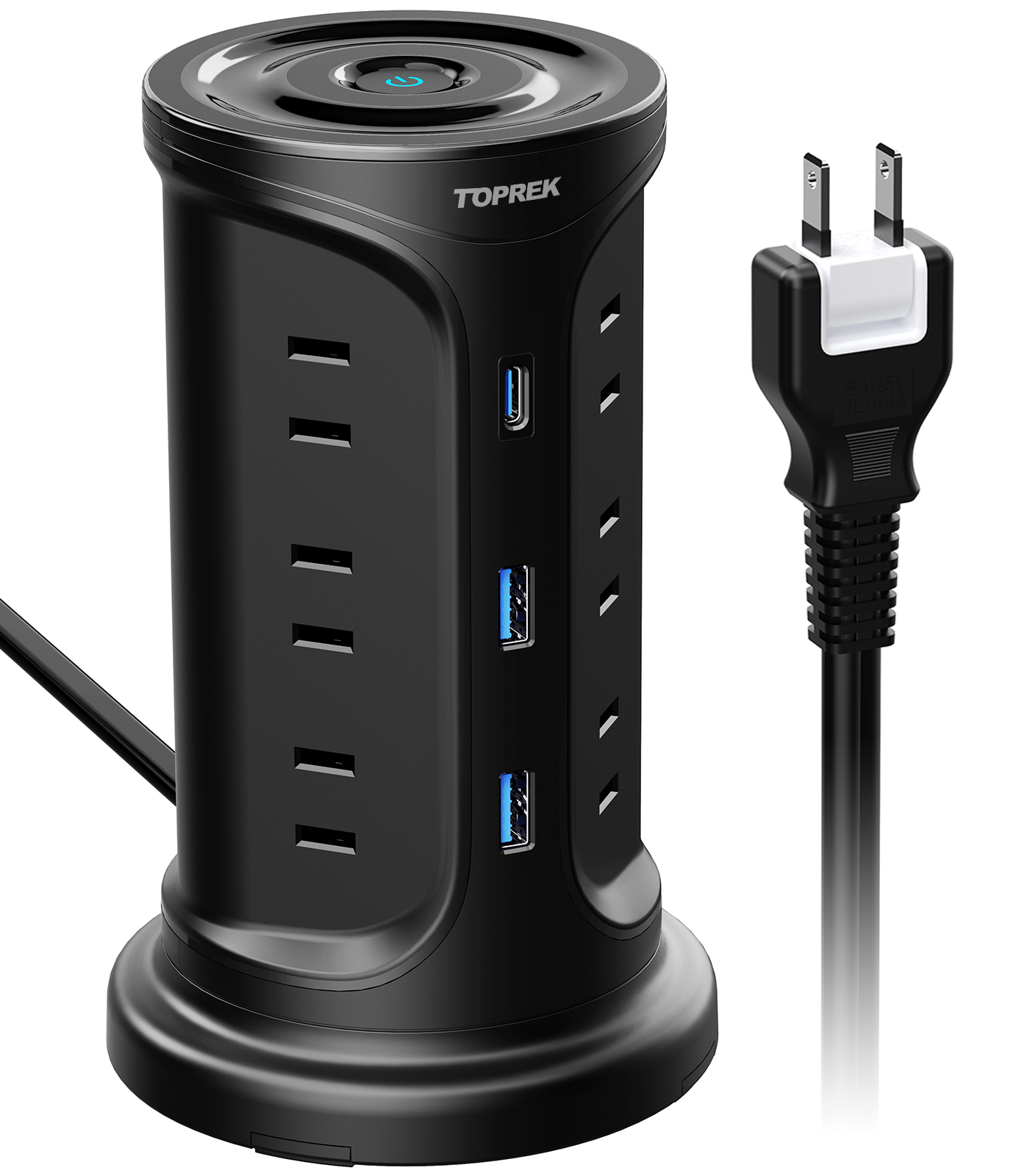
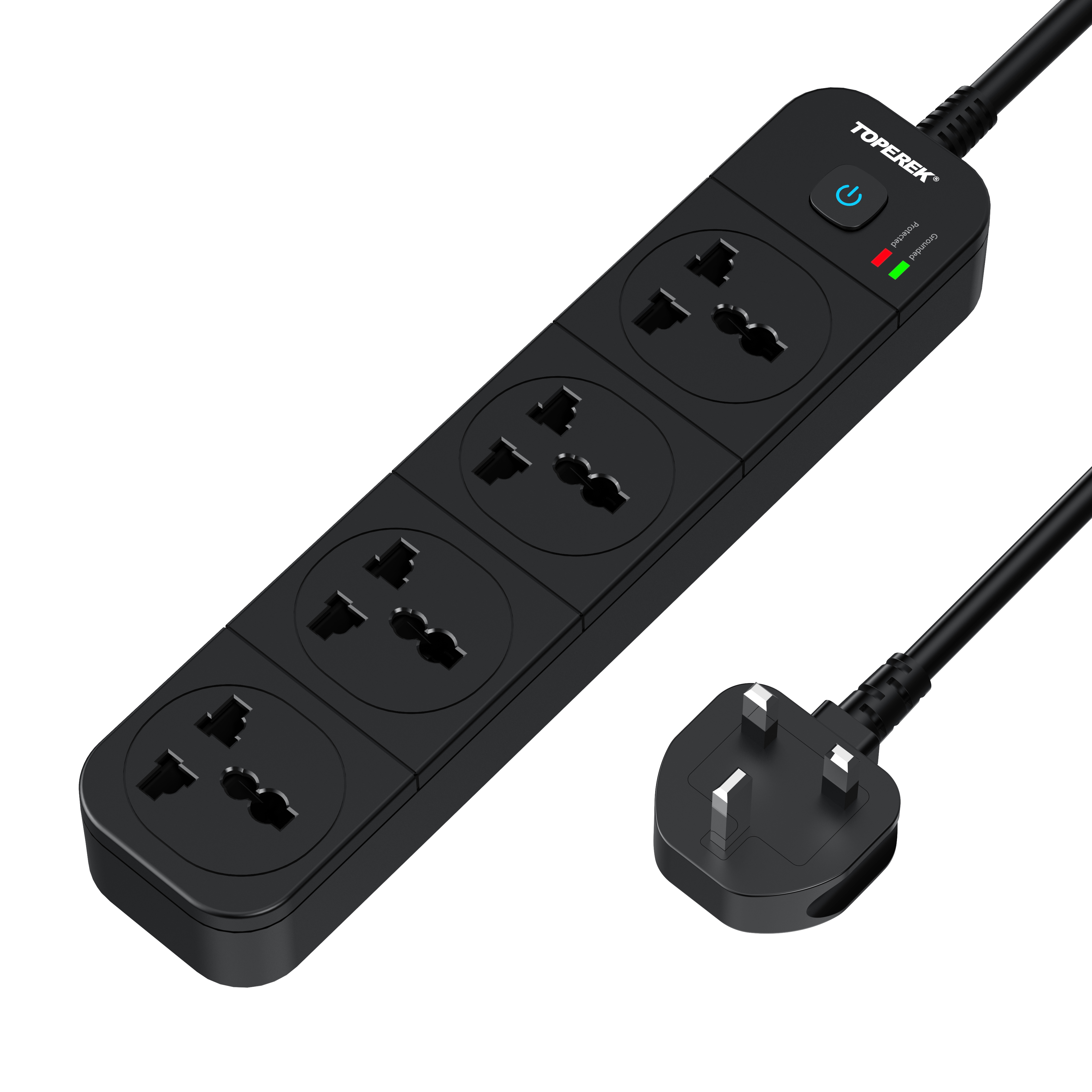
High-Reliability Power Strips for the Osaka Industrial & Commercial Landscape
From the industrial automation clusters of Higashiosaka to the corporate hubs of Umeda and Namba, power distribution hardware must withstand the distinct demands of Western Japan’s electrical infrastructure.
Higashiosaka Precision Manufacturing
Osaka’s small-to-medium enterprise (SME) industrial base relies on sensitive CNC machinery, automated tooling, and high-frequency instrumentation. Our power strips incorporate dual-stage Metal Oxide Varistors (MOV) with high energy absorption (up to 1,800 Joules) to suppress transient voltage spikes caused by heavy motor switching on factory floors.
Modern Office Spaces: Umeda & Namba
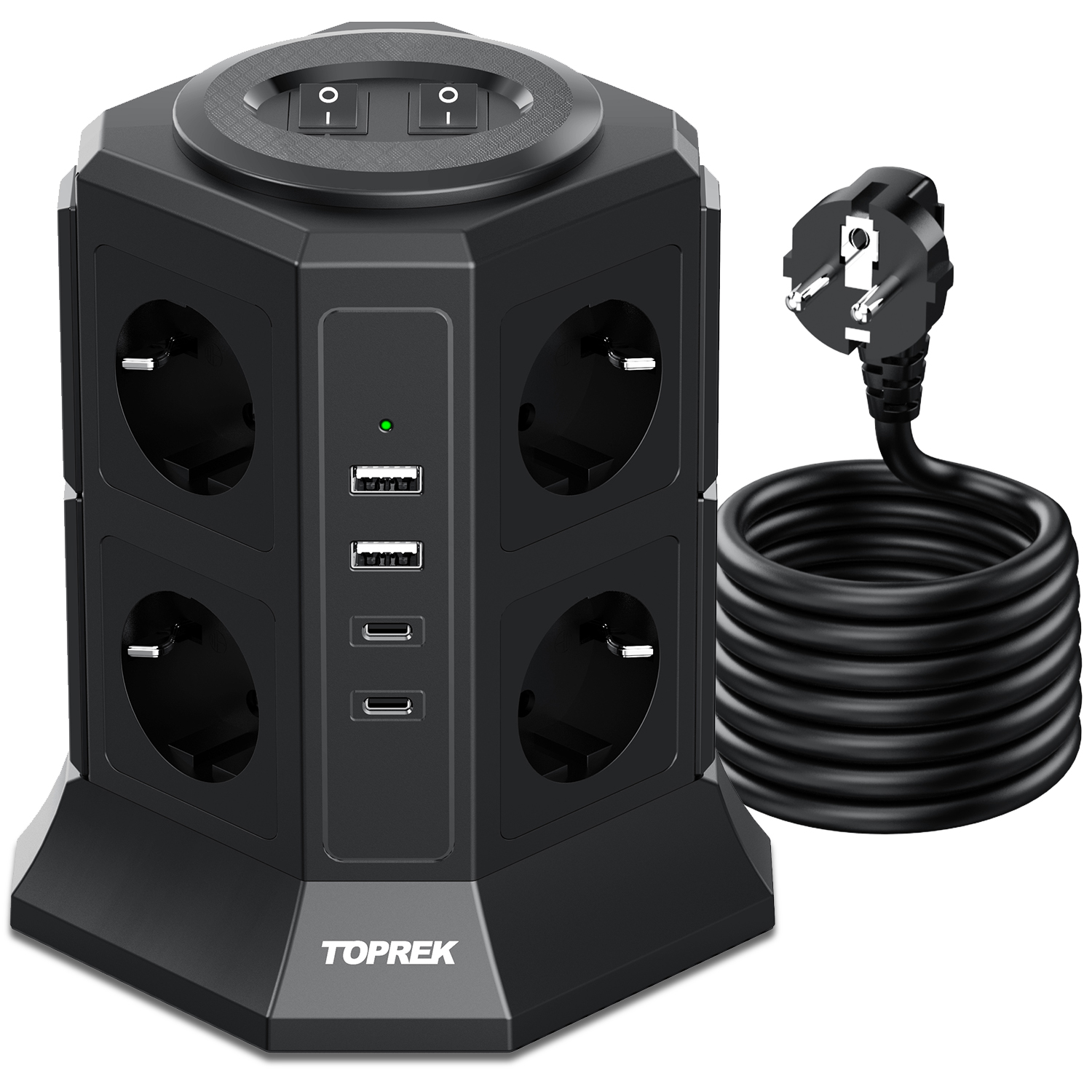
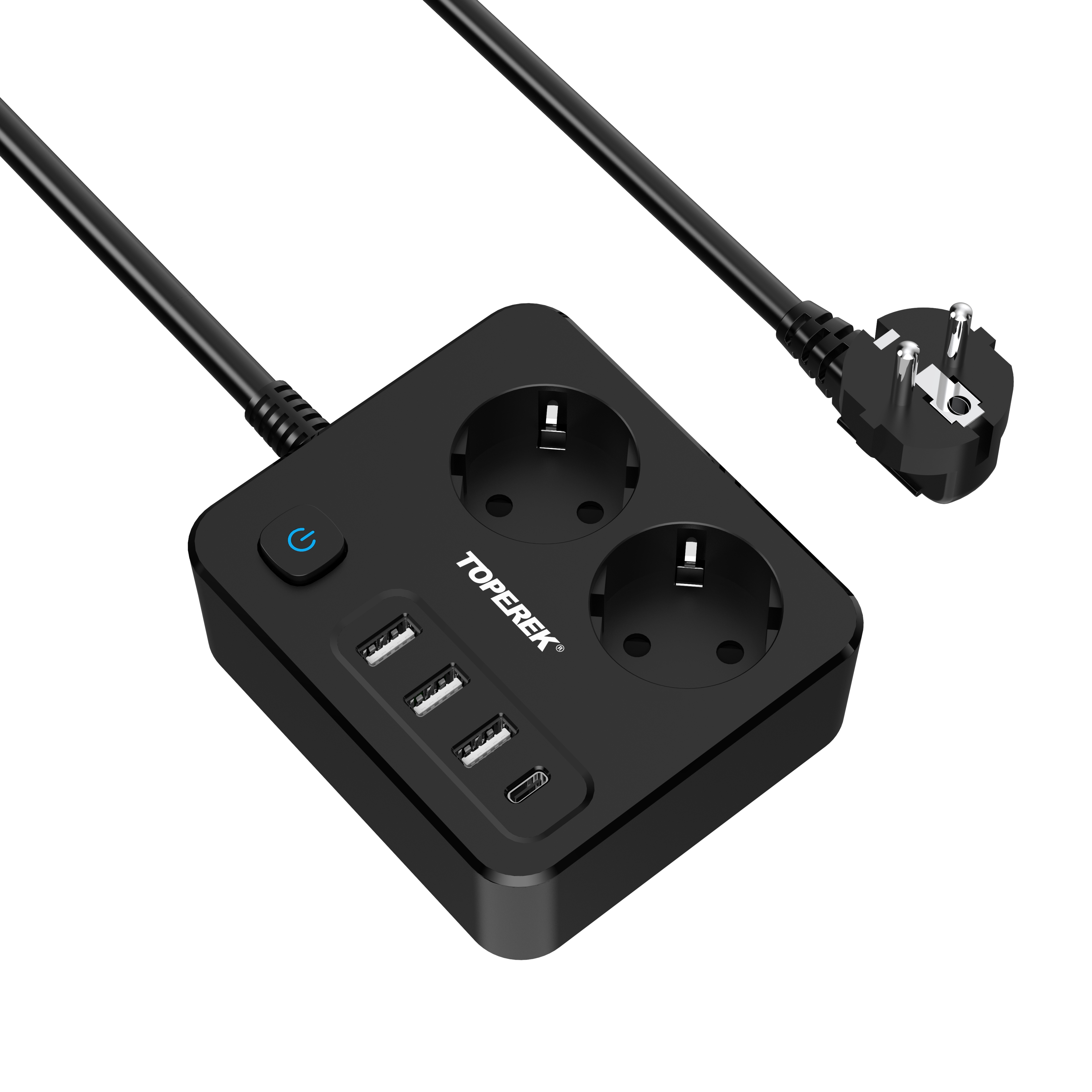
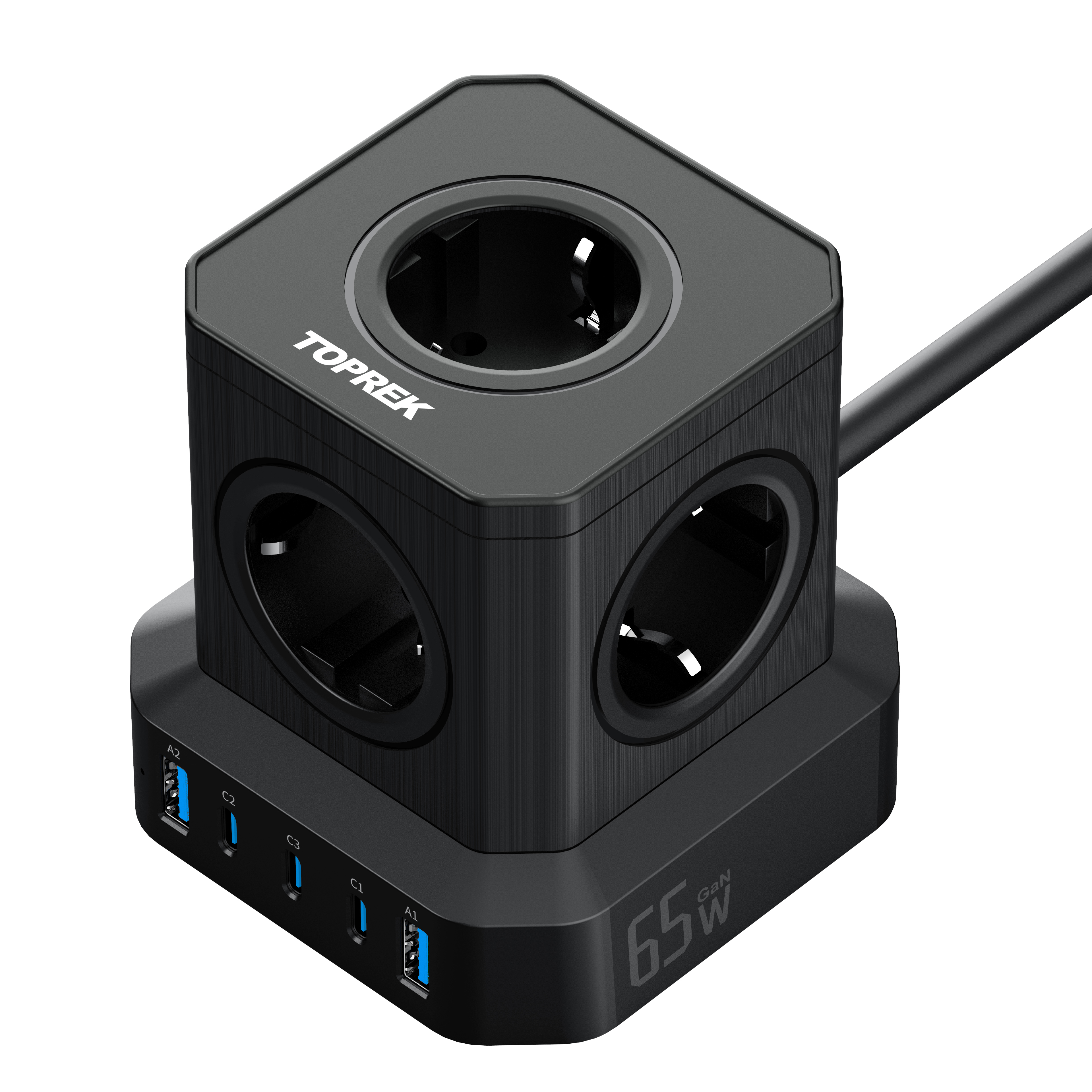
Grade-A office environments in Grand Front Osaka and Nankai smart buildings demand sleek desktop and tower architectures with integrated USB-C Power Delivery (30W–65W GaN). We equip modern workstations with clean, clutter-free vertical strips that power laptops, mobile devices, and peripherals directly without redundant wall bricks.
Expo 2025 Osaka & Hospitality Projects
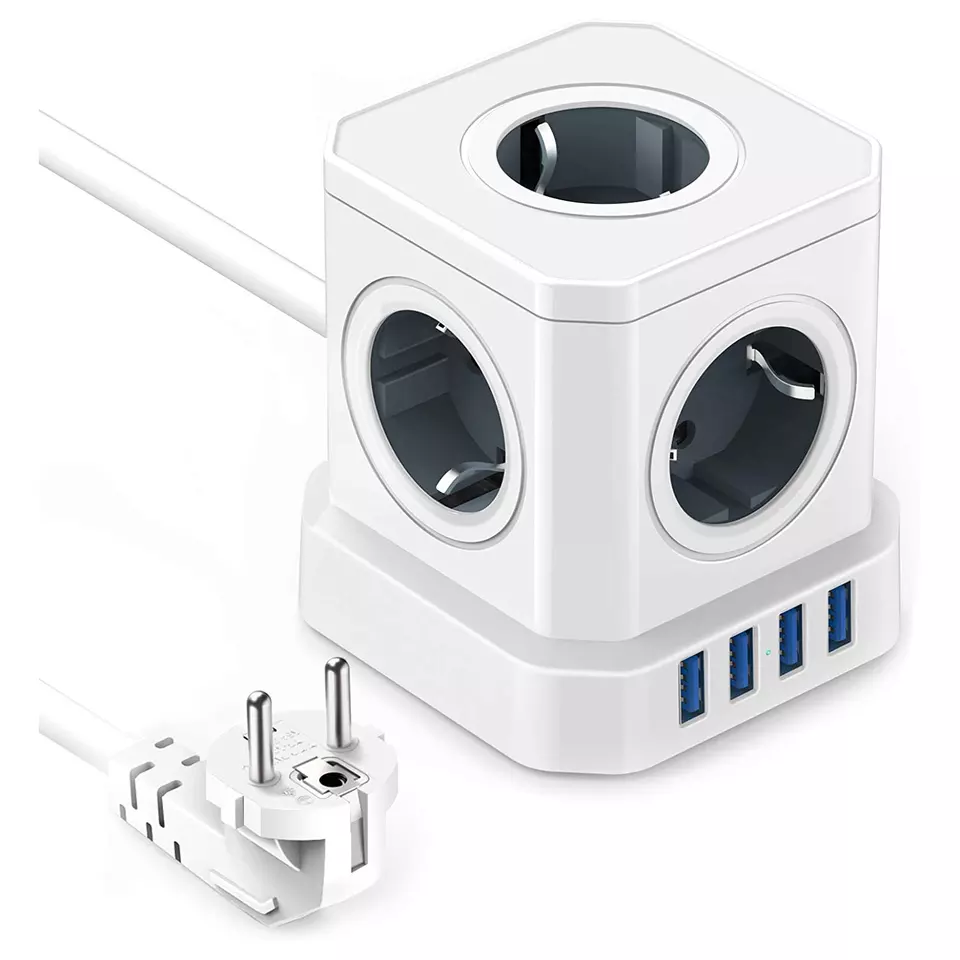
With massive international infrastructure expansions around Yumeshima and the Osaka Bay area, hospitality chains, temporary media pavilions, and transport lounges require versatile multi-socket charging stations. Our universal and Japanese-standard units provide safety shutter-protected receptacles, anti-tracking urea insulation, and RoHS/REACH compliance.
Navigating METI DENAN Regulations, Tracking Resistance & Kansai's 60Hz Grid
An authoritative engineering breakdown of electrical safety criteria, fire mitigation, and testing methodologies essential for importing extension power strips into the Osaka commercial market.
Kansai's 100V 60Hz Electrical Specifics
While Eastern Japan (Tokyo) functions on a 50Hz frequency, Osaka and the entire Kansai region operate on the 60Hz power grid managed by Kansai Electric Power Company (KEPCO). Power strips integrating active electronics—such as GaN step-down transformers, switch-mode power supplies (SMPS), and electromagnetic interference (EMI) filters—must be rated for dual-frequency (50/60Hz) operation to prevent thermal accumulation in inductor coils and premature degradation of smoothing capacitors.
Moreover, Japanese domestic line voltage is nominally 100V AC. Our power strip PCBA topologies are engineered to maintain high-efficiency conversion ratios down to 90V under brownout conditions, while safely withstanding overvoltage transients up to 125V without saturating internal magnetic components.
Anti-Tracking Plug Sleeves (JIS C 8303 Annex 2)
Humid coastal air across Osaka Bay accelerates dust conductivity between live and neutral blades of unseated plugs. Under the Electrical Appliance and Material Safety Law (DENAN), power strips sold in Japan must feature tracking-resistant insulated blade collars made from high-grade urea resin or polybutylene terephthalate (PBT) possessing a Proof Tracking Index (PTI) of 0.1 or greater.
Shenzhen Laxvi Technology executes stringent high-voltage glow-wire and tracking tests (IEC 60112 / JIS C 2134) on all Japanese Type A and Type B plug molds, guaranteeing zero dielectric breakdown even in prolonged high-humidity commercial environments.
| Parameter / Standard | Japanese Market Requirement (PSE/JIS) | Laxvi Factory Engineering Standard | Operational Value for Osaka Buyers |
|---|---|---|---|
| Line Voltage & Frequency | 100V AC, 60Hz (Western Japan / Kansai) | Wide-range 100V–125V, 50/60Hz Universal SMPS | Prevents overheating; compatible across all Japanese prefectures. |
| Tracking Resistance | JIS C 8303 Annex 2 (Insulated Sleeves) | Flame-retardant PBT resin sleeves (PTI > 175V) | Guarantees fire safety in high-density Osaka urban properties. |
| Overcurrent Protection | Max 15A rating (1,500W limit) | Integrated thermal circuit breaker (15A auto-trip) | Instant cutoff under load saturation; eliminates thermal runaways. |
| Enclosure Flammability | UL94 V-1 or higher | 100% Virgin Bayer PC/ABS alloy (UL94 V-0, 750°C glow-wire) | Self-extinguishing within 10 seconds of ignition exposure. |
| Surge Suppression | JIS C 5381-11 Surge Protective Devices | Tri-mode MOV array (L-N, L-G, N-G) with Thermal Fuse | Shields sensitive IT server infrastructure against typhoon lightning surges. |
Why Tier-1 Osaka Importers Partner with Shenzhen Laxvi Technology
Combining 12 years of specialized power hardware manufacturing with full vertical integration—from precision tooling and SMT placement to automated testing and TÜV Rheinland-verified audit credentials.
TÜV Rheinland Onsite Verification
Our Shenzhen factory has undergone exhaustive physical audits by TÜV Rheinland, validating our true factory footprint, production lines, engineering staff, and incoming quality control (IQC) protocols. Osaka purchasing directors receive uncompromised transparency and traceability throughout every production batch.
In-House Tooling & Mold Workshop
We do not outsource critical structural tooling. Our CNC milling, electric discharge machining (EDM), and high-precision plastic injection lines allow rapid prototyping and custom Japanese JIS C 8303 socket tooling with sub-0.02mm tolerances, slashing NPI (New Product Introduction) lead times for Osaka brand owners by 35%.
Full-Cycle SMT & In-Line Lab Testing
Our PCBA manufacturing features automated surface-mount placement (SMT) with Automated Optical Inspection (AOI). Every production unit completes a 100% in-line dielectric withstand-voltage test (1,500V AC), a full-load functional burn-in test, and continuous aging cycles before moving to packaging.
Frequently Asked Questions by Osaka Sourcing Managers
Addressing crucial regulatory, technical, and logistic queries regarding electrical safety, METI notifications, minimum order quantities, and Kansai Port delivery terms.
Initiate Your Osaka OEM/ODM Power Strip Project Today
Connect directly with our senior electrical engineering and export division. Receive comprehensive product specification sheets, factory audit dossiers, and competitive FOB/CIF Osaka pricing within 24 business hours.