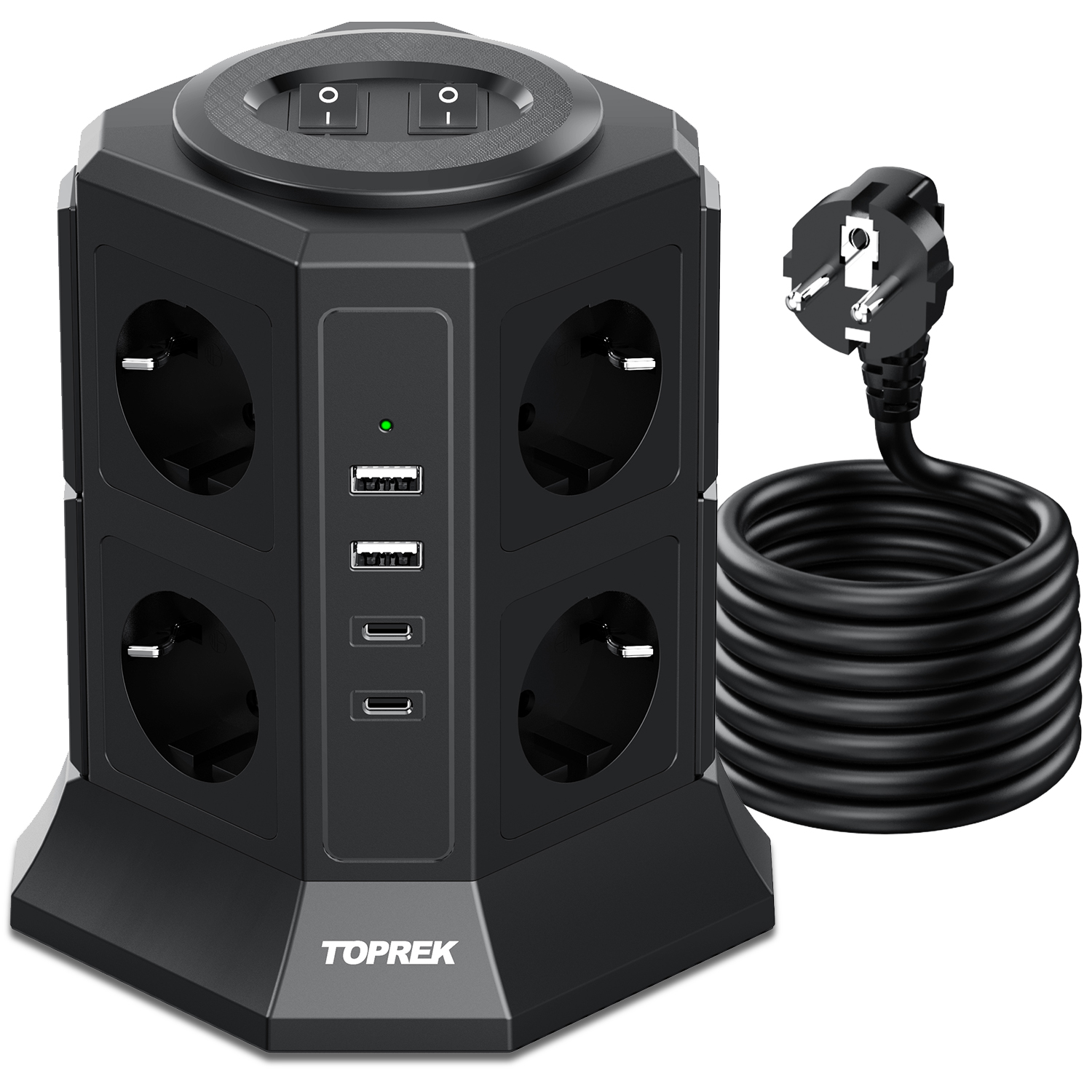
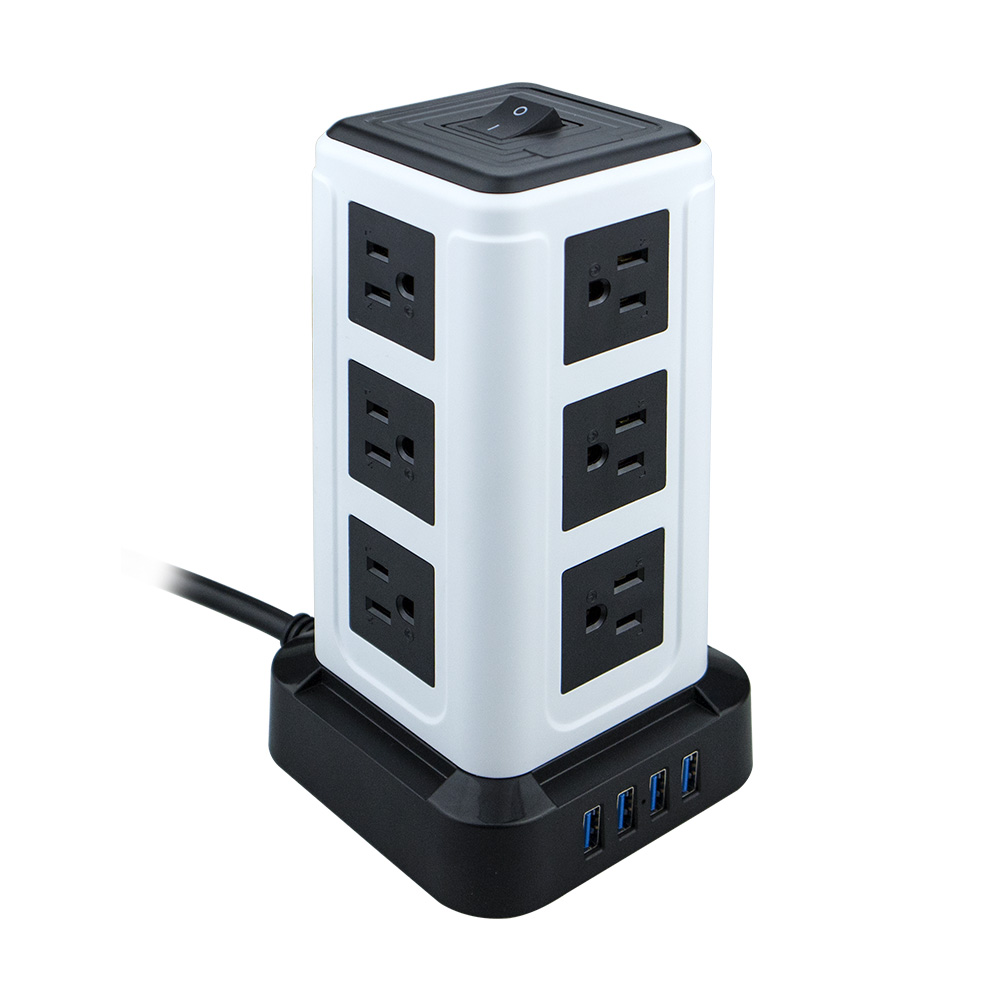
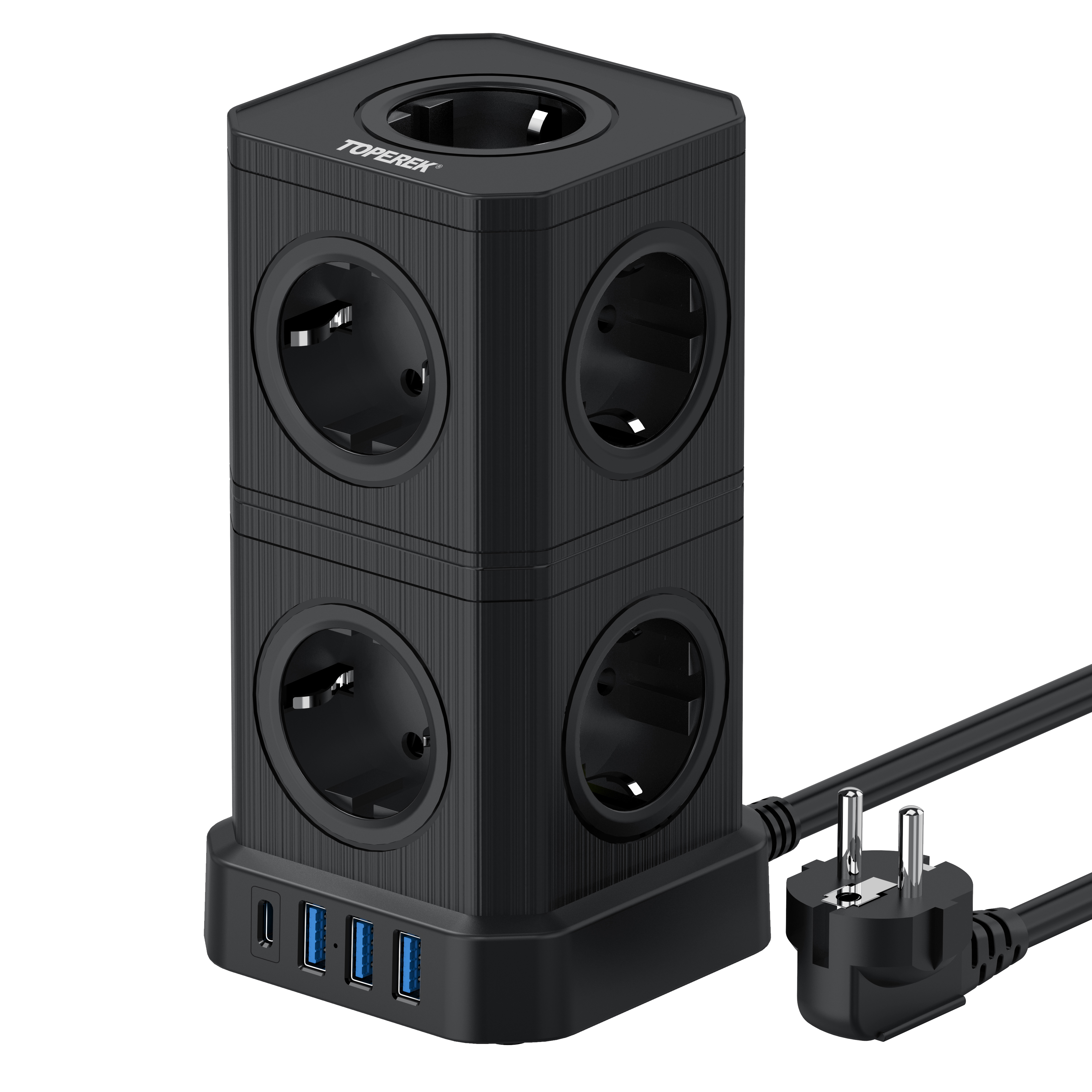
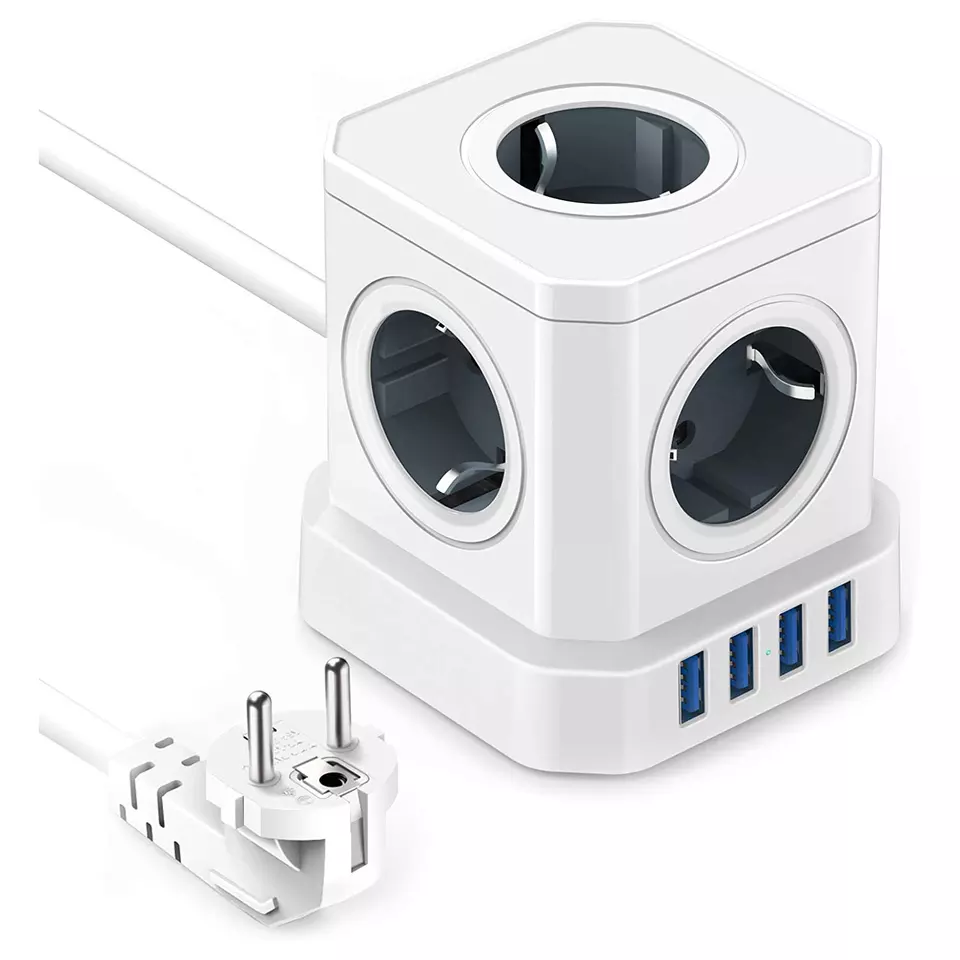
Key Procurement Insight for Japan: Under Japan's Electrical Appliance and Material Safety Act (DENAN Law / 電気用品安全法), power strips and extension sockets fall under the category of Specified Electrical Appliances and Materials (Category A) when containing specific protective devices, or non-specified equipment (Category B). They require stringent third-party testing, PSE Diamond/Circle compliance marking, JIS C 8303 conformity, and registered METI importer reporting before customs entry in Yokohama or Tokyo Bay.
1. The Tracking Fire Phenomenon (トラッキング現象) and Structural Mandates
In Tokyo's climate, humid coastal summers combined with household airborne lint give rise to the dangerous "tracking phenomenon." Moisture and dust settle between the plug prongs, forming a conductive bridge through carbonization that can ignite spontaneous fires even when connected appliances are turned off. Japanese safety regulations mandate that all power strip plugs exported to the Japanese market must feature flame-retardant insulating sleeves at the base of the plug blades (Tracking Resistance). Furthermore, the internal socket housing surrounding the copper contacts must employ thermosetting urea resin or UL94 V-0 flame-retardant thermoplastics capable of withstanding glow-wire ignition tests exceeding 750°C without catching fire.
2. Transitioning from AC Transformer Adapters to Embedded GaN Charging Hubs
Japan's traditional power strips have historically been simple mechanical extensions limited to 15A / 125V (maximum rated power of 1,500W per JIS standard). However, consumer and commercial electronics in Tokyo have experienced a structural shift toward universal USB-C Power Delivery (PD 3.0 / PPS). Laxvi solves the thermal bottleneck of compact power strips by integrating Gallium Nitride (GaN) semiconductor fast-charging boards directly into the chassis. GaN's superior bandgap efficiency enables 65W to 100W USB-C output in an ultra-compact package, running up to 20°C cooler than legacy silicon-based charging bricks. This engineering breakthrough allows Japanese end-users to power their MacBook Pro, iPad, or mobile smartphones simultaneously without consuming any of the AC outlets reserved for monitors, printers, or air purifiers.
3. Earthquake and Seismic Safety Features
Due to frequent micro-tremors and seismic activity in the Kanto Plain, electrical socket stability is a critical factor in product safety audits conducted by Japanese retail chains like Bic Camera, Yodobashi Camera, and Nitori. Loose socket connections can produce micro-arcing. Laxvi implements heavy-gauge, single-piece phosphor bronze strip stamping inside every outlet rather than soldered jumper wires. This unified busbar structure maintains uniform clamping friction exceeding 3.5N per blade even after 10,000 insertions, ensuring that seismic vibrations do not cause prongs to wiggle loose or generate sparks.
| Compliance Metric |
Standard Japanese Specification |
Laxvi OEM/ODM Engineering Execution |
Tokyo Regulatory Benchmark |
| Plug Blade Standard |
JIS C 8303 Type A (2-pole ungrounded) or Type B (grounded) |
Solid brass pins with tracking-resistant insulating resin collars |
PSE Category A Mandatory |
| Chassis Flame Retardancy |
UL94 V-1 minimum standard |
UL94 V-0 PC+ABS alloy with internal urea-resin socket core |
METI Ordinance Article 1 & 2 |
| Electrical Capacity |
100V AC, 50Hz/60Hz, 15A Max (1,500W limit) |
Integrated resettable 15A thermal overload mechanical breaker |
JIS C 8303 / DENAN Law |
| Internal Busbar Construction |
Multi-point soldered wire or stamped brass |
Integrated phosphor bronze busbar, zero internal wire solders |
TÜV Rheinland Audited ISO 9001 |
| USB Fast Charging System |
Standard 5V/2.4A Smart IC modules |
High-efficiency GaN III USB-PD 65W/100W with intelligent thermal throttling |
PSE Circle / IEC 62368-1 |