Featured Power Distribution & Extension Series
Tailored specifically to European safety directives, Benelux industrial requirements, and cross-border commercial applications across Amsterdam's corporate, residential, and tech ecosystems.
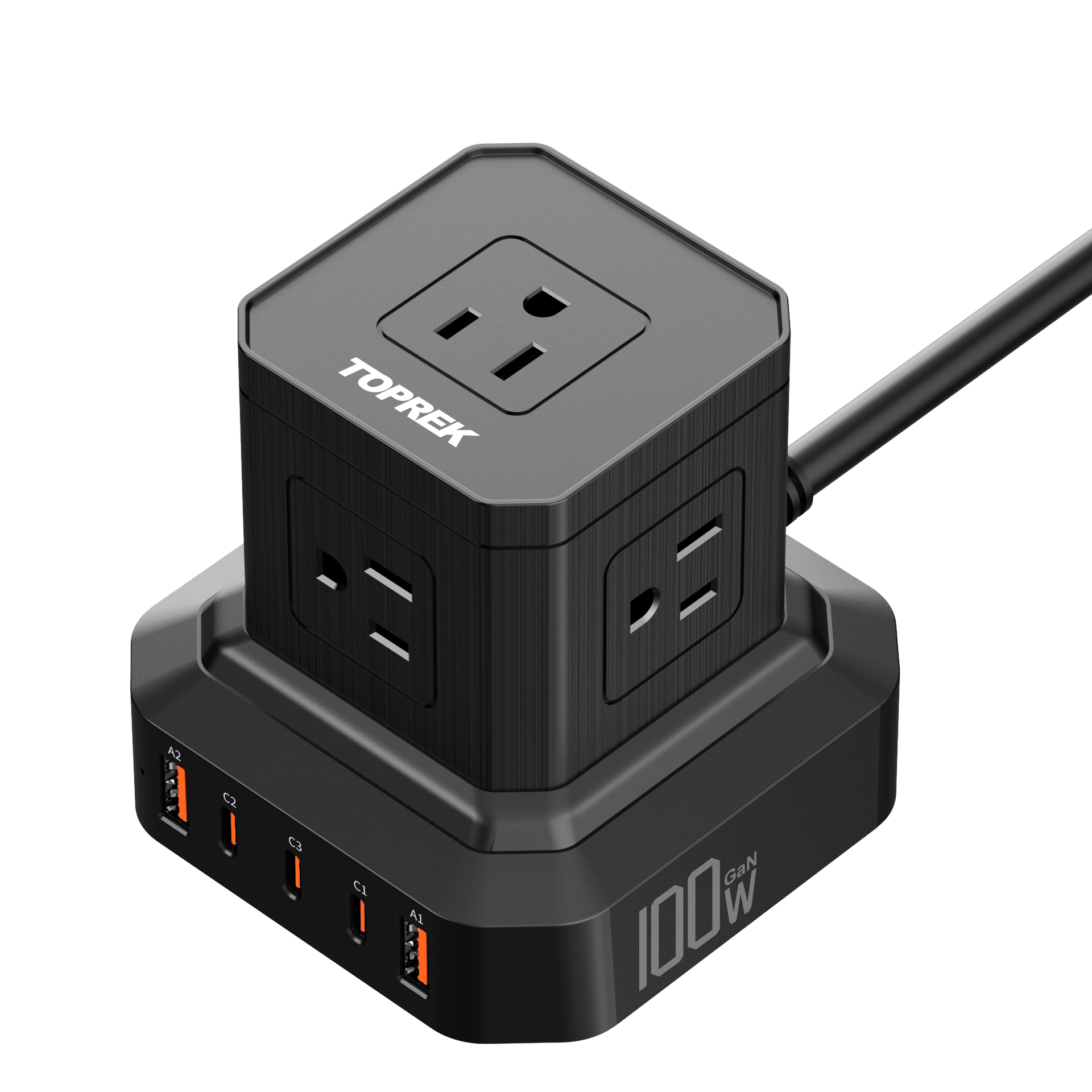
100W Super Fast Charging Socket 2m Cord 5 Outlets 2 USB-A 3 USB-C Fire Retardant
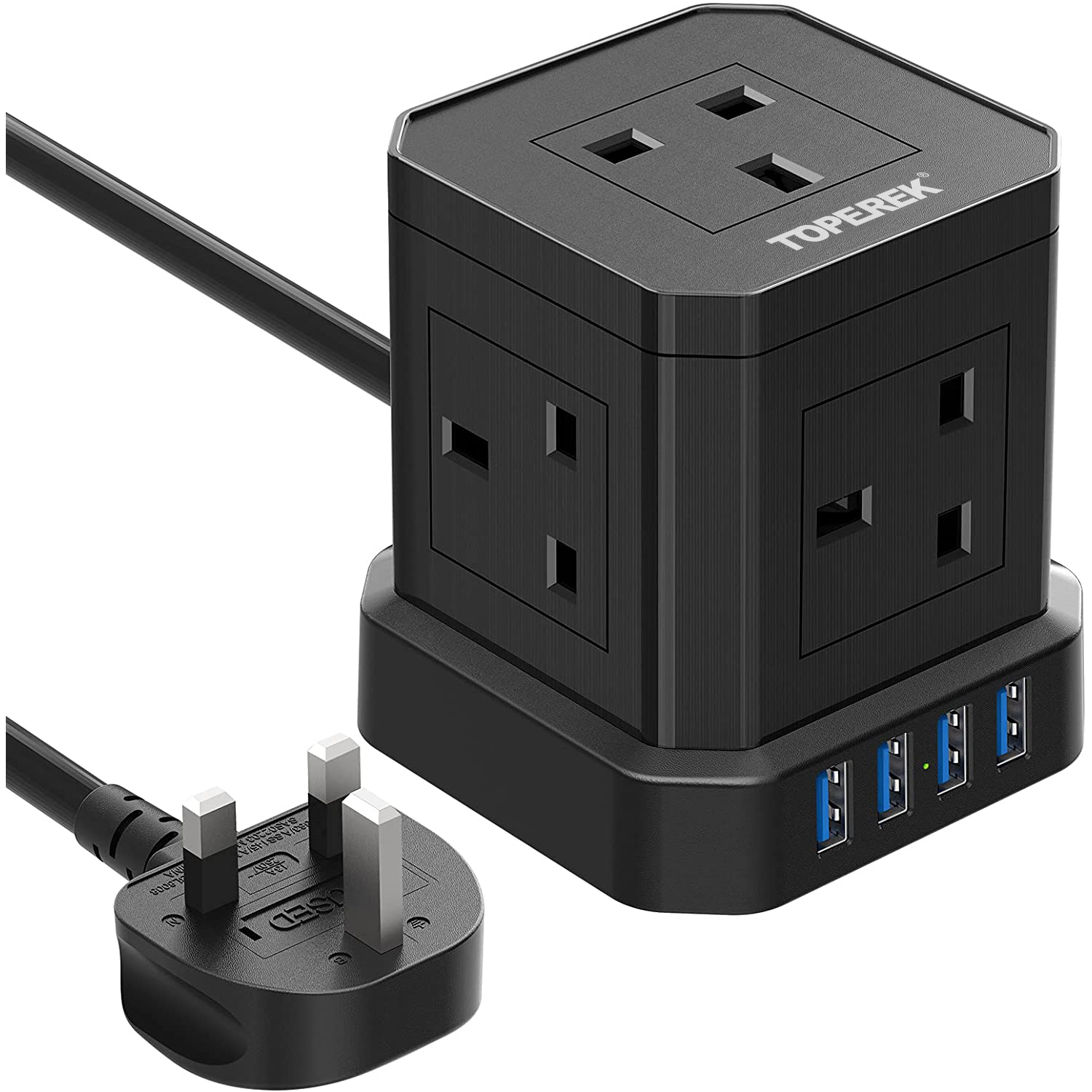
Mini Size 13A Power Strip Extension Socket 5 Outlets 4 USB Ports UKCA/CE Copper Core
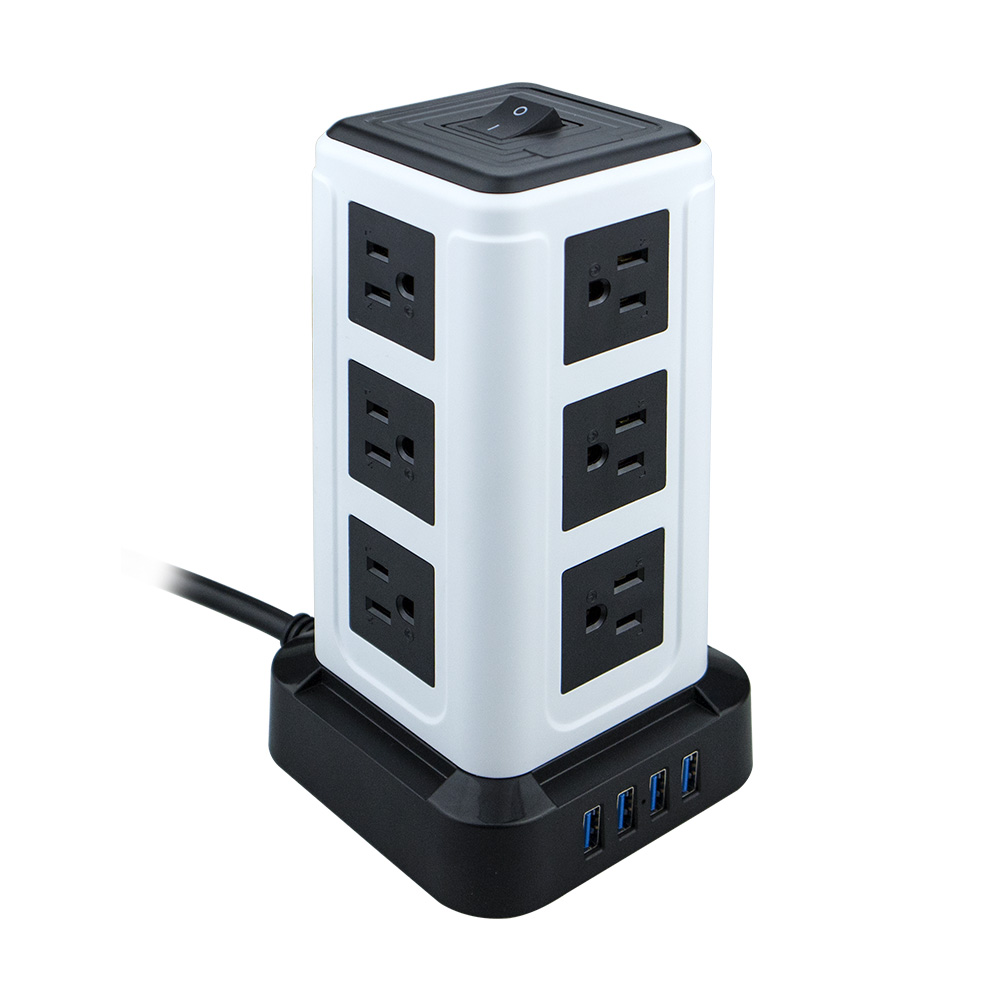
TOPEREK Vertical Tower Multi-Tier 12 Outlet Power Socket Strip with Smart USB
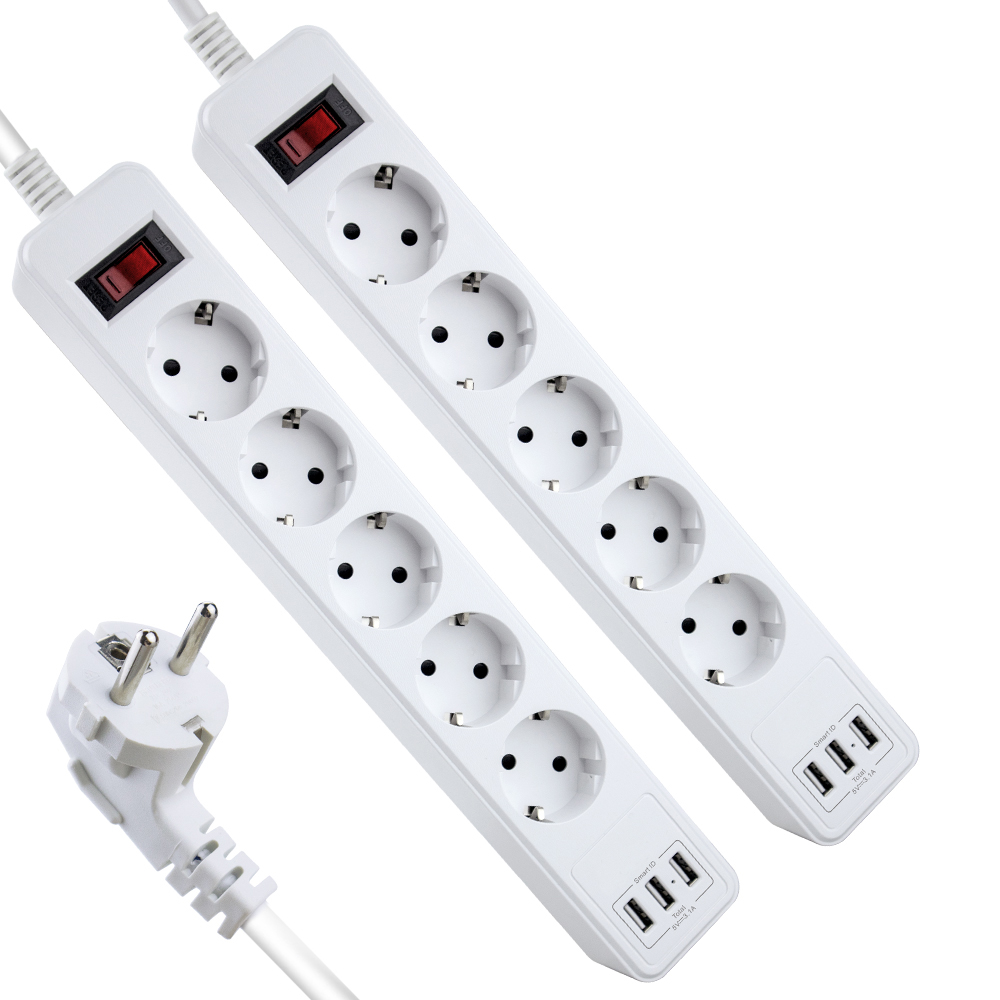
OEM EU Extension Socket 16A 5 Schuko Outlets 3 USB Ports Pure Copper Overload Guard
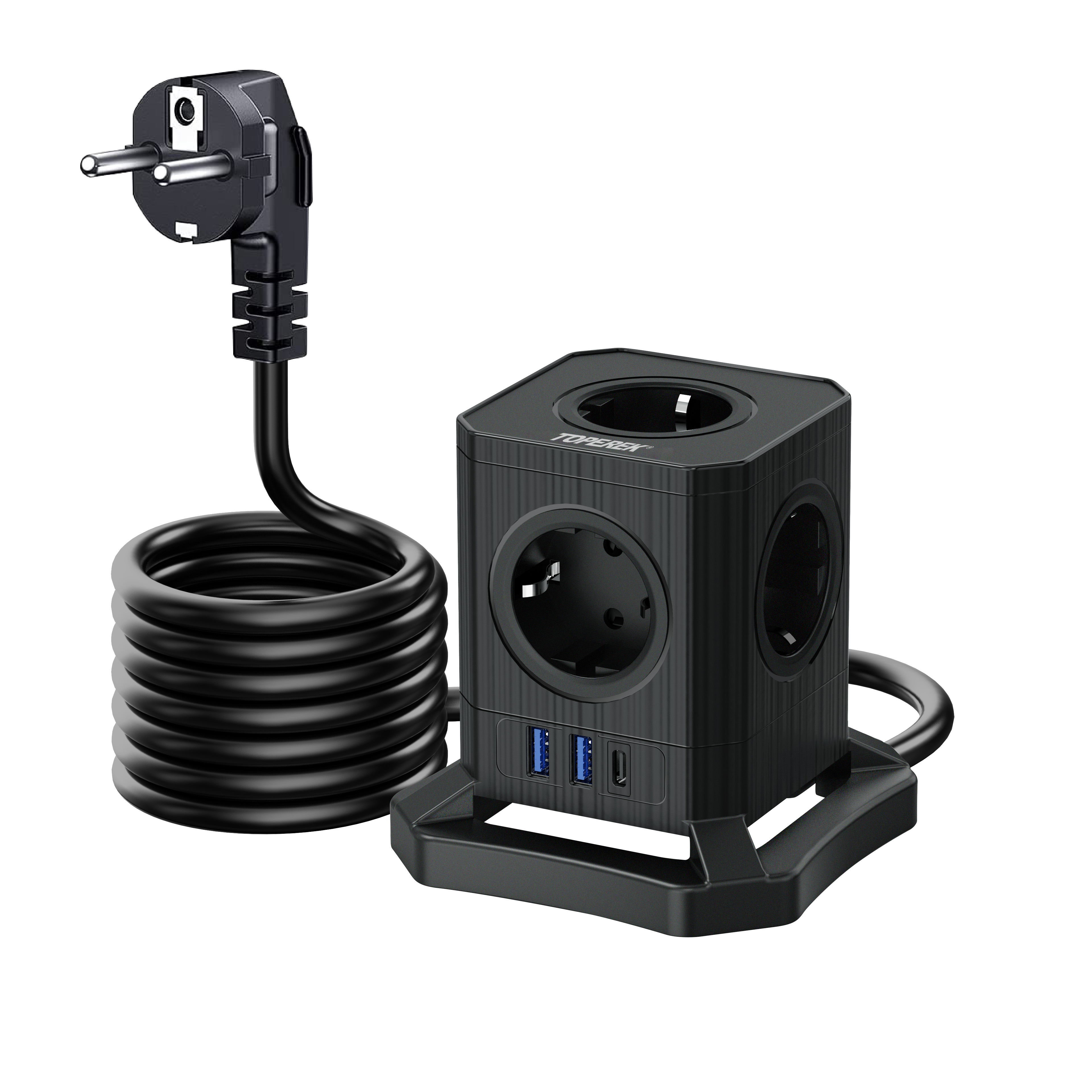
Universal Fire Retardant Cube European Extension Socket 5 Outlets PD30W Fast Charge
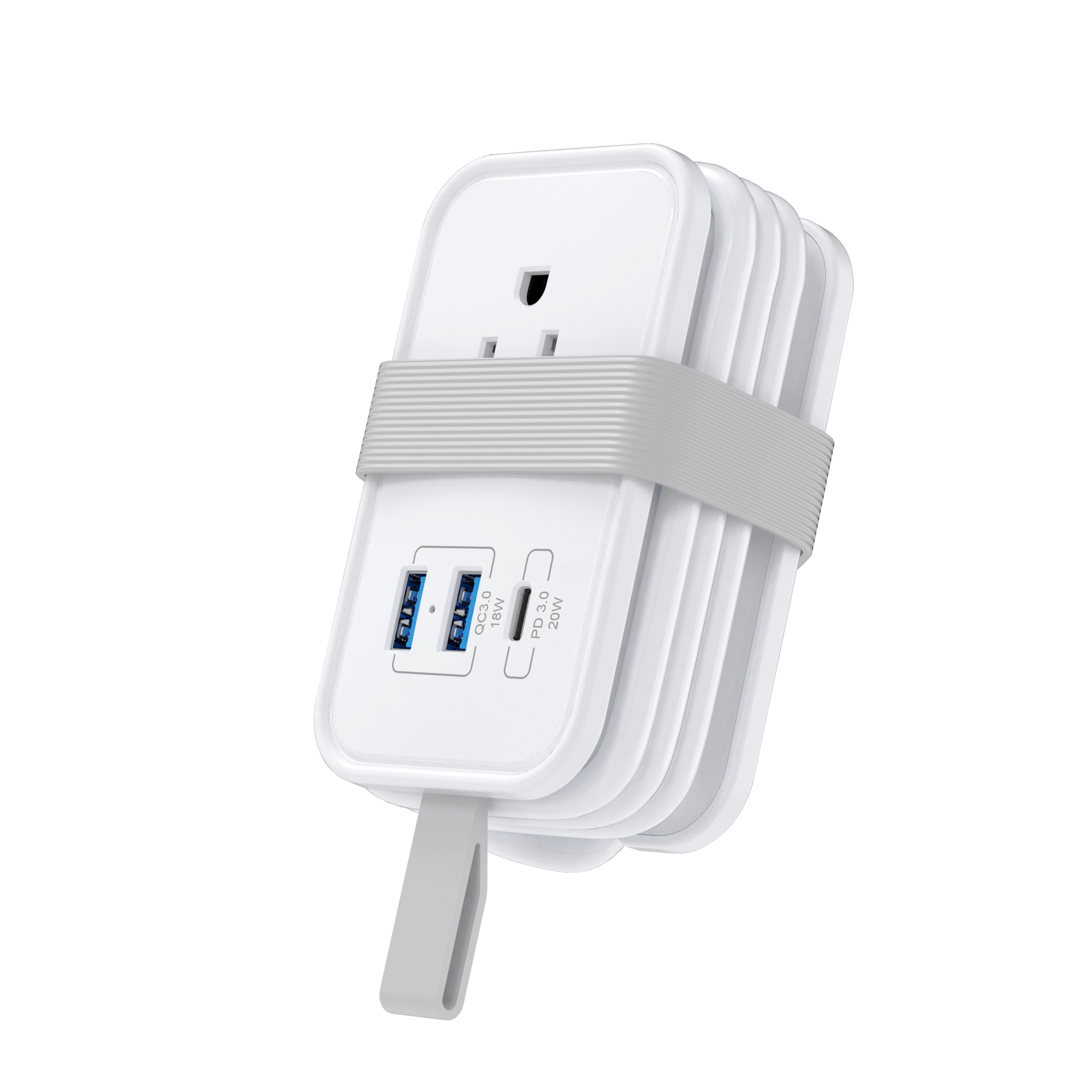
TOPEREK Portable Travel Extension Cord PD Fast 20W Fire Retardant 3 Outlets 3 USB
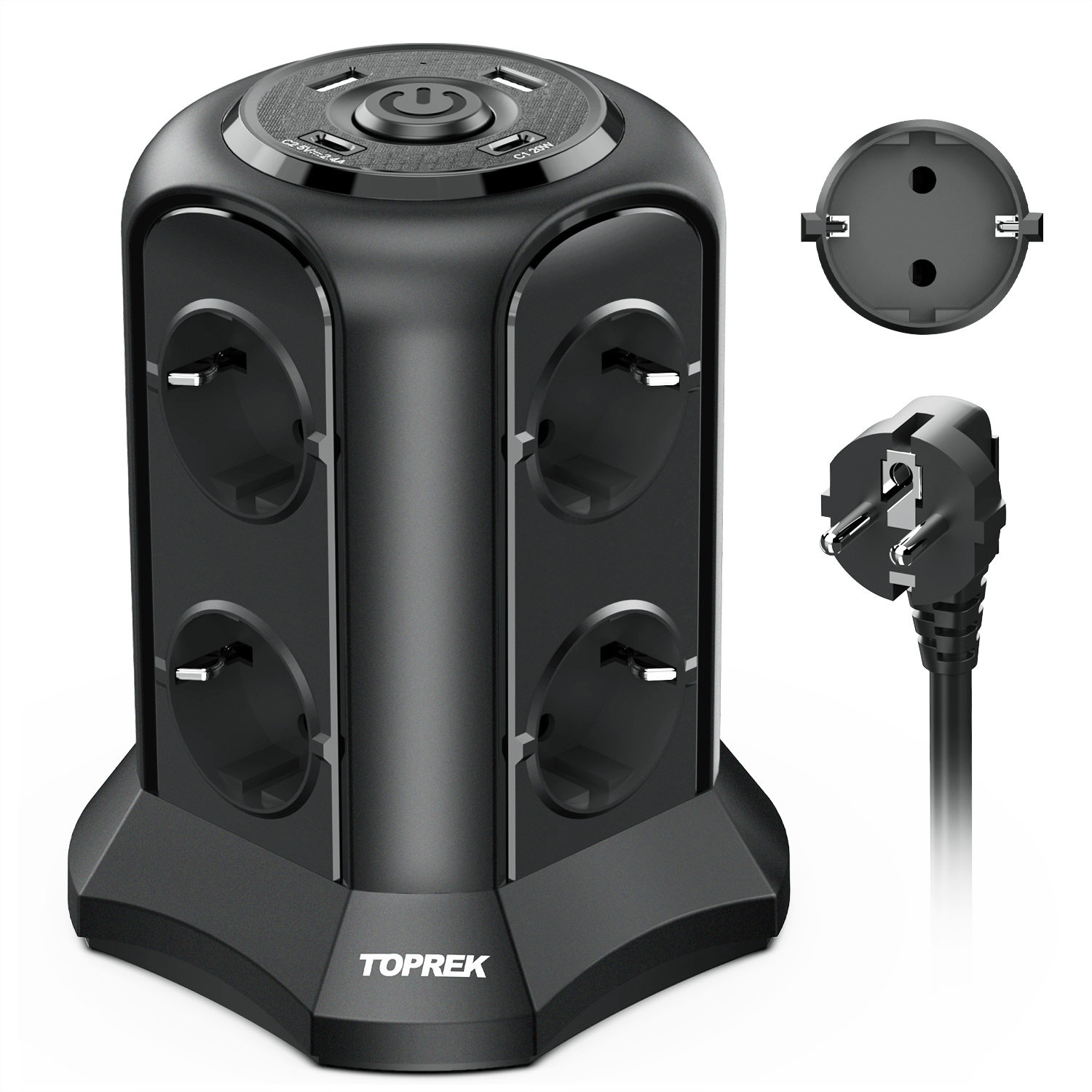
Multi-Function 220V Tower European Power Strip 8 EU Outlets with Dual USB-C & A
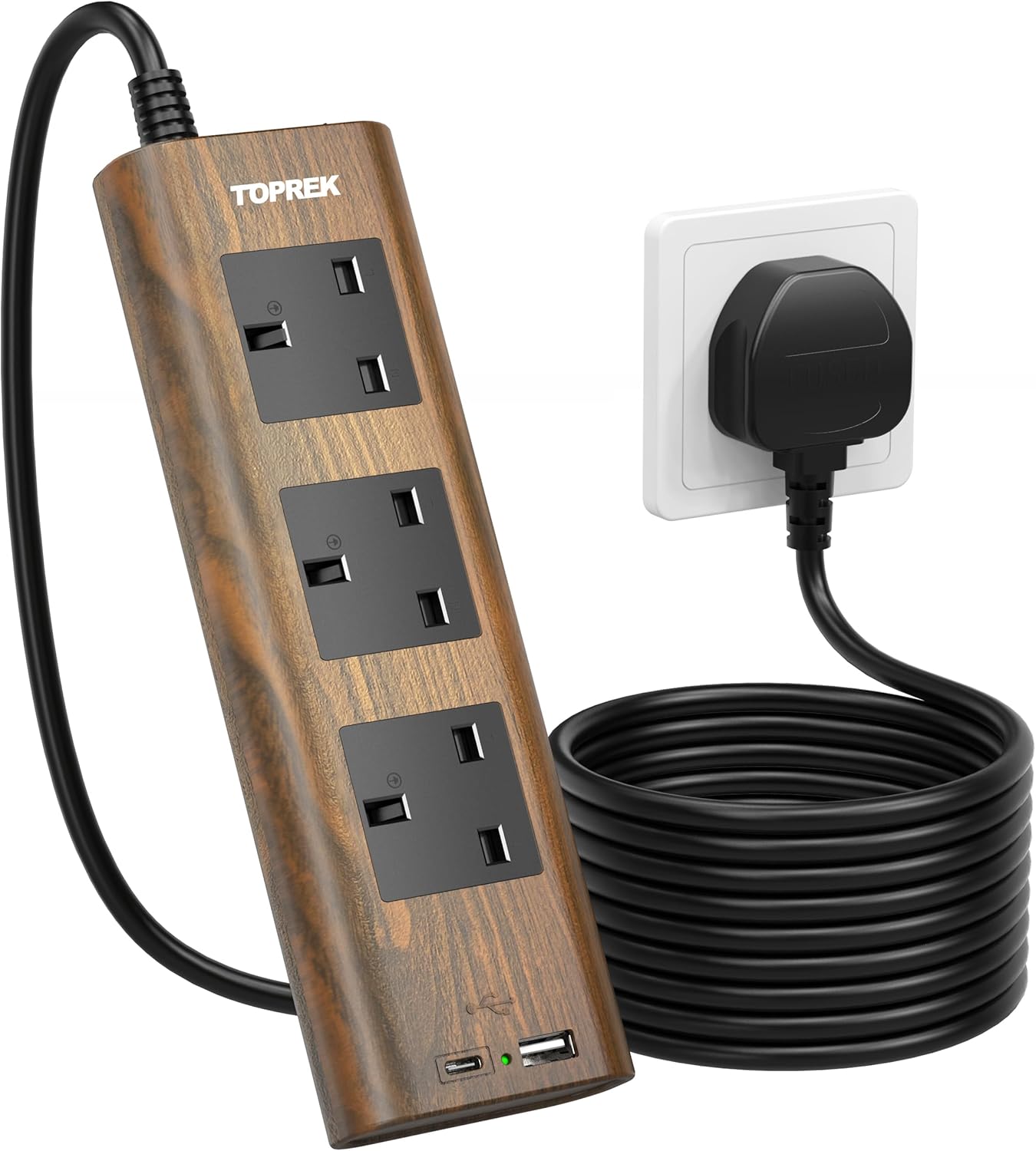
Heavy Duty Surge Protected Extension Lead 3 Outlets with High Power USB 2M Lead
Localized Application Scenarios in Amsterdam & the Randstad
The urban and architectural fabric of Amsterdam imposes distinct requirements on portable power delivery: high-density monument buildings, hybrid work cultures, and stringent safety criteria.
Historic Canal Houses & Monumental Retrofits
Amsterdam’s historic Grachtengordel features monumental architecture where channeling electrical conduits into historic plaster or masonry is severely regulated. High-spec power extension strips functioning under 16A continuous loads (3680W) bridge the power deficit without expensive structural renovations, requiring low-profile plugs, unobtrusive cabling, and 750°C glow-wire certified flame-retardant housings.
Zuidas Financial Hub & Flexible Tech Spaces
Across the high-density corporate towers of Zuidas, dynamic desk rotation and hot-desking define workplace design. Traditional horizontal power strips cause desktop clutter and trip hazards. Our vertical tower strips and desktop cube sockets solve this through 360-degree radial plug access paired with GaN USB-C Power Delivery, eliminating the need for independent laptop power bricks across modern workstations.
Hyperscale Data Center Corridors (Science Park)
As one of Europe’s leading internet exchange backbones (AMS-IX), Amsterdam requires auxiliary infrastructure within server rack environments, staging benches, and technical labs. Heavy-duty power cords featuring pure electrolytic copper conductors (H05VV-F 3G1.5mm² minimum) and precision surge protection (MOV arrays) guarantee that harmonic transients and voltage spikes do not compromise peripheral equipment.
Technical Evolution & Regulatory Trends in the Dutch Market
Dutch electrical specifications are among the most stringent in Europe. B2B buyers must navigate transitioning safety mandates, circular design goals, and high-frequency charging expectations.
| Regulatory & Market Vector | Conventional Market Baseline | Laxvi Engineering Standard for Amsterdam | Commercial Strategic Benefit |
|---|---|---|---|
| Socket Grounding Topology | Generic Type C/E/F hybrids with inconsistent side earth clips | Dedicated CEE 7/4 (Schuko Type F) with dual side-earthing contacts & integrated IP20 child-protection safety shutters | Zero resistance drift; total compliance with Dutch NEN 1010 electrical installation norms |
| Conductor Core Metallurgy | Copper-clad aluminum (CCA) or reduced 1.0mm² cross-section | 100% Electrolytic Oxygen-Free Copper (OFC) minimum 3G 1.5mm² up to 3G 2.5mm² | Low heat dissipation during 16A/3680W prolonged resistance loads; minimizes residential fire risks |
| Integrated USB Charging Tech | External power bricks or slow 5V 2.1A resistive USB dividers | Integrated GaN (Gallium Nitride) fast-charging modules providing PD 30W to 100W via USB-C | Aligns with EU Common Charger Directive (Directive 2022/2380); declutters premium office furniture |
| Material & Fire Safety | Basic recycled ABS plastics susceptible to rapid ignition | Bayer/Sabic High-Impact Polycarbonate (PC) + ABS alloy rated UL94-V0 and Glow Wire IEC 60695-2-11 tested at 750°C/850°C | Reduces building insurance liability for Dutch commercial property leasing companies and importers |

End-to-End Vertical Manufacturing for Dutch Importers
Unlike trading intermediaries, Shenzhen Laxvi Technology Co., Ltd. operates a completely unified manufacturing plant in Pinghu, Shenzhen. By centralizing mold development, precision plastic injection, surface-mount technology (SMT), automated wave soldering, and end-of-line testing under an 11,600 m² audited production footprint, we guarantee total mechanical and electrical consistency.
Our direct control over PCBA layouts enables rapid adjustments to Dutch-specific demands, such as integrating two-pole switches that disconnect both Phase and Neutral lines simultaneously—a vital protective measure in older canal building electrical loops with inconsistent earthing.
Verified Manufacturing Infrastructure & Quality Assurances
Transparency forms the basis of European distributor partnerships. Our production facility and quality control mechanisms are fully certified and independently verified.
TÜV Rheinland On-Site Audited
Our complete facilities—spanning 11,600 square meters of manufacturing space, 340 line technicians, and specialized testing equipment—are fully verified on-site by TÜV Rheinland. We supply complete assessment dossiers allowing Dutch B2B buyers to satisfy internal vendor qualification audits without cross-continental travel.
100% High-Potential & Aging Tests
Every single power strip coming off our automated lines undergoes 100% in-line withstand-voltage (Hi-Pot) verification, polarity integrity checks, and ground conductor resistance checks. Furthermore, all active GaN USB power modules pass automated burn-in and full-load temperature cycling to guarantee zero field failures.
CE, LVD, EMC & RoHS Full Dossiers
We supply complete Technical Construction Files (TCF) complying with the Low Voltage Directive (2014/35/EU), Electromagnetic Compatibility Directive (2014/30/EU), and RoHS/REACH environmental thresholds, ensuring frictionless customs clearance via Rotterdam harbor or Schiphol cargo logistics hubs.
Frequently Asked Questions: Sourcing for Amsterdam
Direct answers addressing the legal, physical, and logistical aspects of importing Chinese manufactured extension strips into the Dutch domestic and commercial sectors.
Q1: Are your power extension sockets fully compatible with Dutch electrical infrastructure?
Yes. The Netherlands exclusively utilizes the CEE 7/4 (Type F Schuko) standard alongside two-prong CEE 7/16 (Europlug) for low-power appliances. Our EU-series models feature dual side-grounding clips matching all standard Dutch wall receptacles. For cross-border logistics, we also manufacture hybrid Type E/F (French/Schuko) models compatible across Belgium and France.
Q2: What cable specifications do you supply for compliance with Dutch NEN standards?
We equip all our EU extension products with certified pure copper harmonized cables, specifically H05VV-F 3G1.5mm² for standard domestic and office models (handling up to 16A / 3680W continuous), and heavy-duty rubber H07RN-F cabling for industrial or job-site applications. Conductor sizes are never downgraded.
Q3: Can Laxvi produce private label packaging compliant with Dutch language regulations?
Yes. Dutch consumer protection guidelines mandate that retail-facing consumer hardware carries clear instructions and safety notices. Our in-house packaging and design teams manage custom bilingual (Dutch/English) full-color packaging, laser engraving of Dutch brand trademarks, EAN-13 barcodes, and mandatory WEEE wheelie-bin disposal markings.
Q4: How does Laxvi address the EU Ecodesign and Standby Power Consumption mandates?
Our integrated USB and GaN charger circuits feature smart micro-controllers running under strict Class VI energy efficiency thresholds. Standby power consumption on all smart charging strips is strictly limited to below 0.1W, complying fully with EU Regulation 2019/1782 and aligning with Amsterdam's aggressive municipal circular economy targets.
Q5: What are the lead times and shipping routes to Amsterdam?
Tooling validation and rapid prototyping take 7–12 days; standard mass production requires 25–35 days from sample sign-off. Shipments can be routed via Shenzhen/Yantian direct to Port of Rotterdam (approx. 24–28 days transit) or dispatched via air freight directly into Amsterdam Airport Schiphol (AMS) for high-urgency inventory replenishment.
Q6: Do your power strips incorporate true bipolar (double pole) disconnection switches?
Yes. While cheap single-pole alternatives only interrupt the line (phase) wire, our premium European series utilize genuine two-pole switches that disconnect both phase and neutral lines simultaneously. This delivers total isolation from live current, an indispensable safeguard when navigating the variable earthing qualities of classic Amsterdam properties.