Featured Export-Grade Tower Sockets & Advanced Power Strips
Tested and certified for enterprise workspaces, commercial deployments, and international retail markets. Built with fire-retardant housings, high-joule surge suppression, and smart USB-C PD controllers.
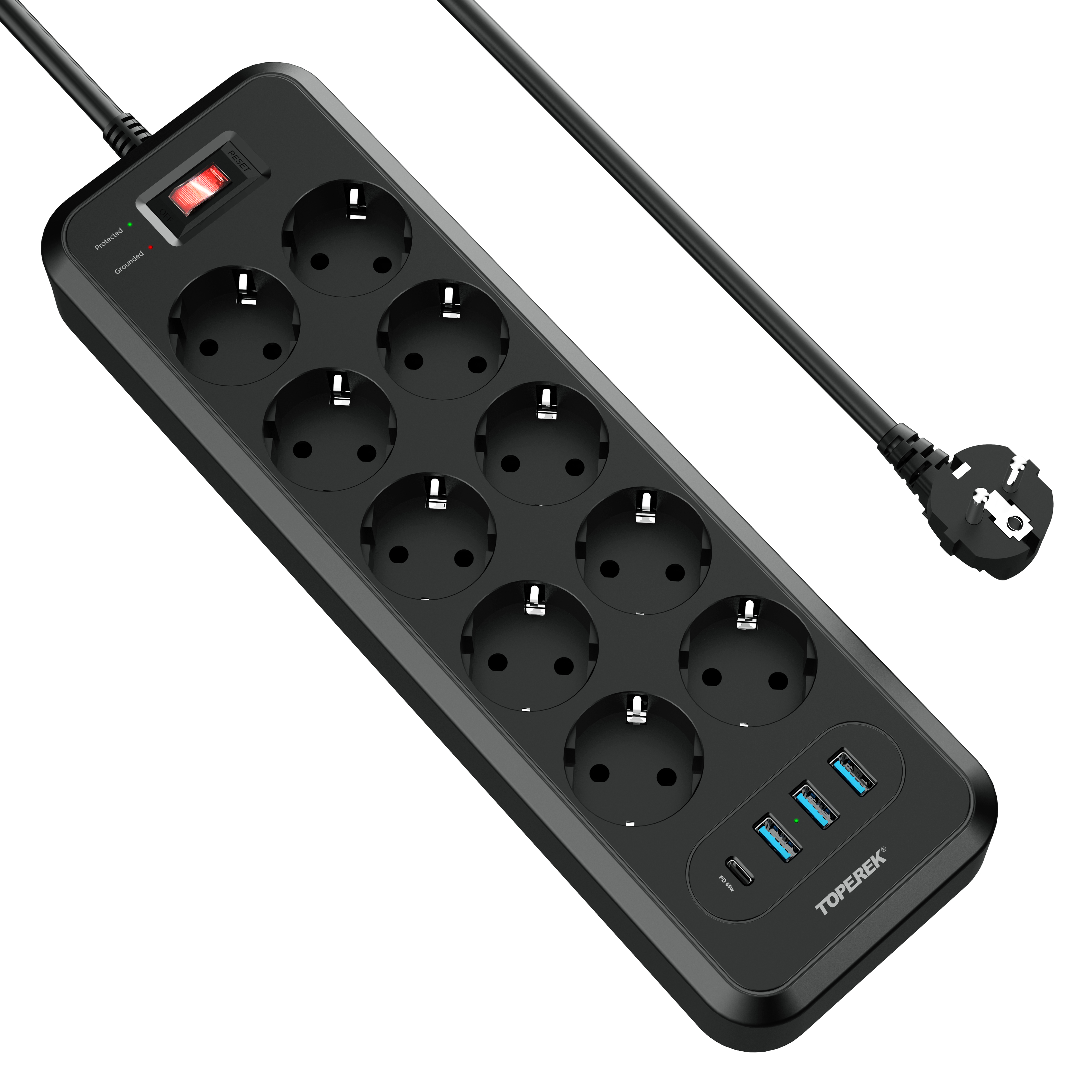
TOPEREK EU Standard 10 Outlets Power Strip
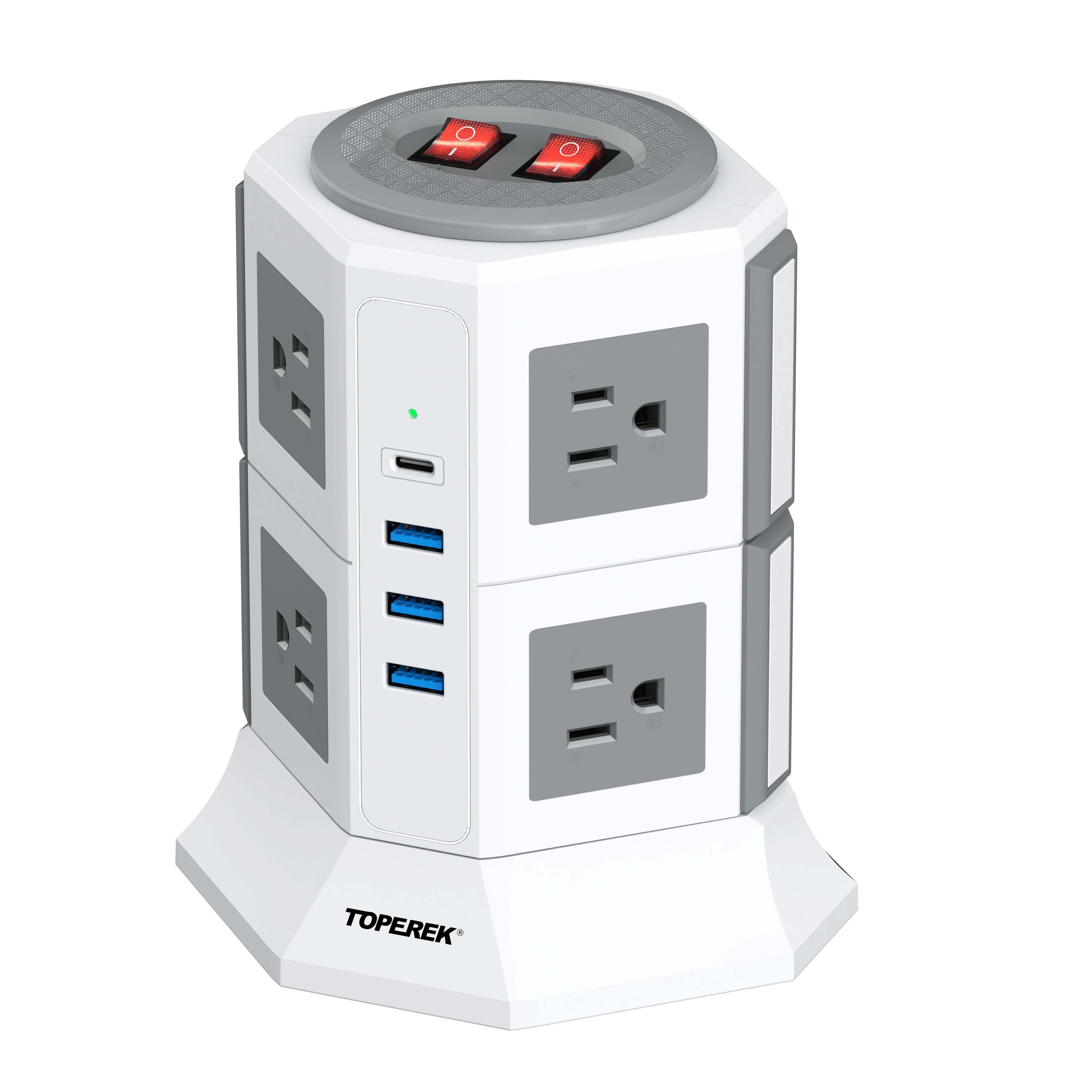
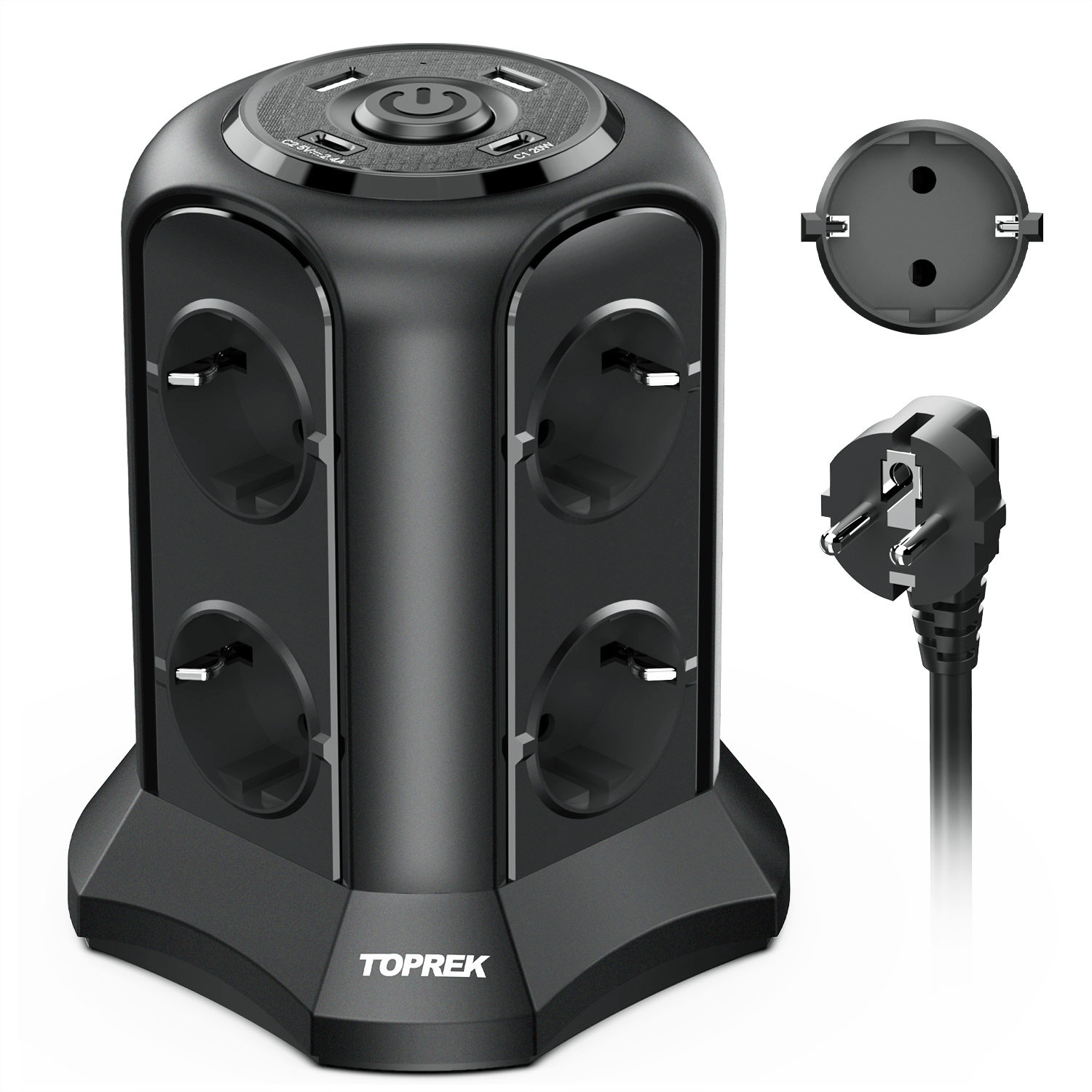
Vertical Tower Power Strip with Universal Sockets
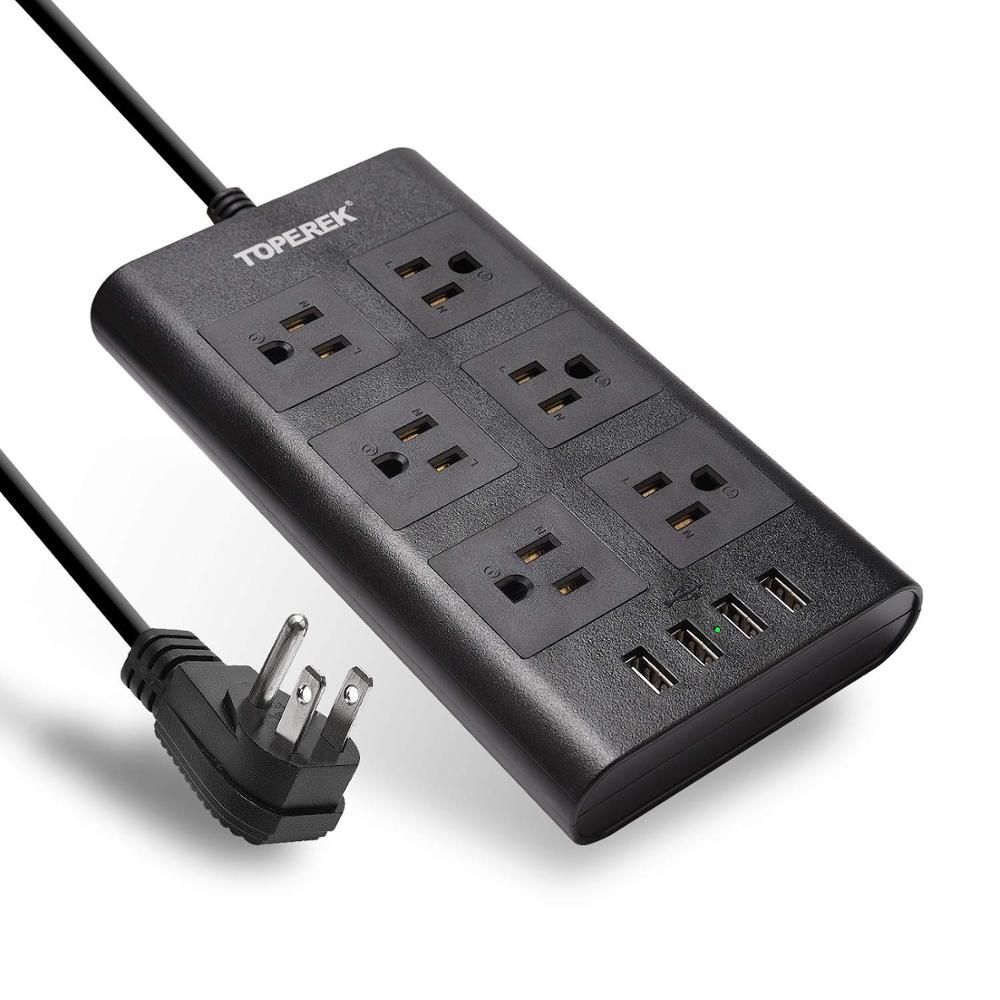
15A Smart Surge Protector 8-Outlets with USB-C PD
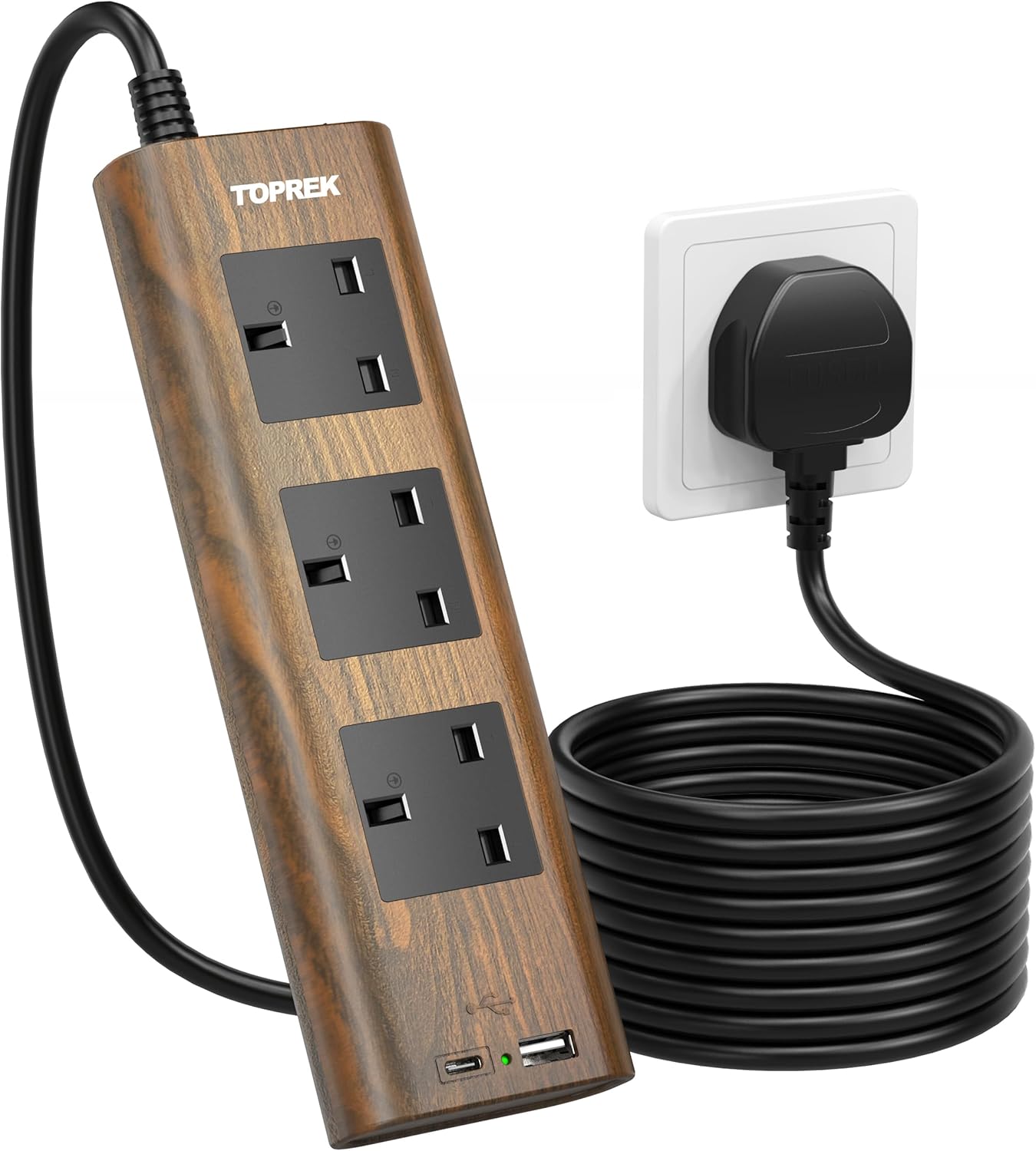
3-Way High-Power Extension Lead with USB
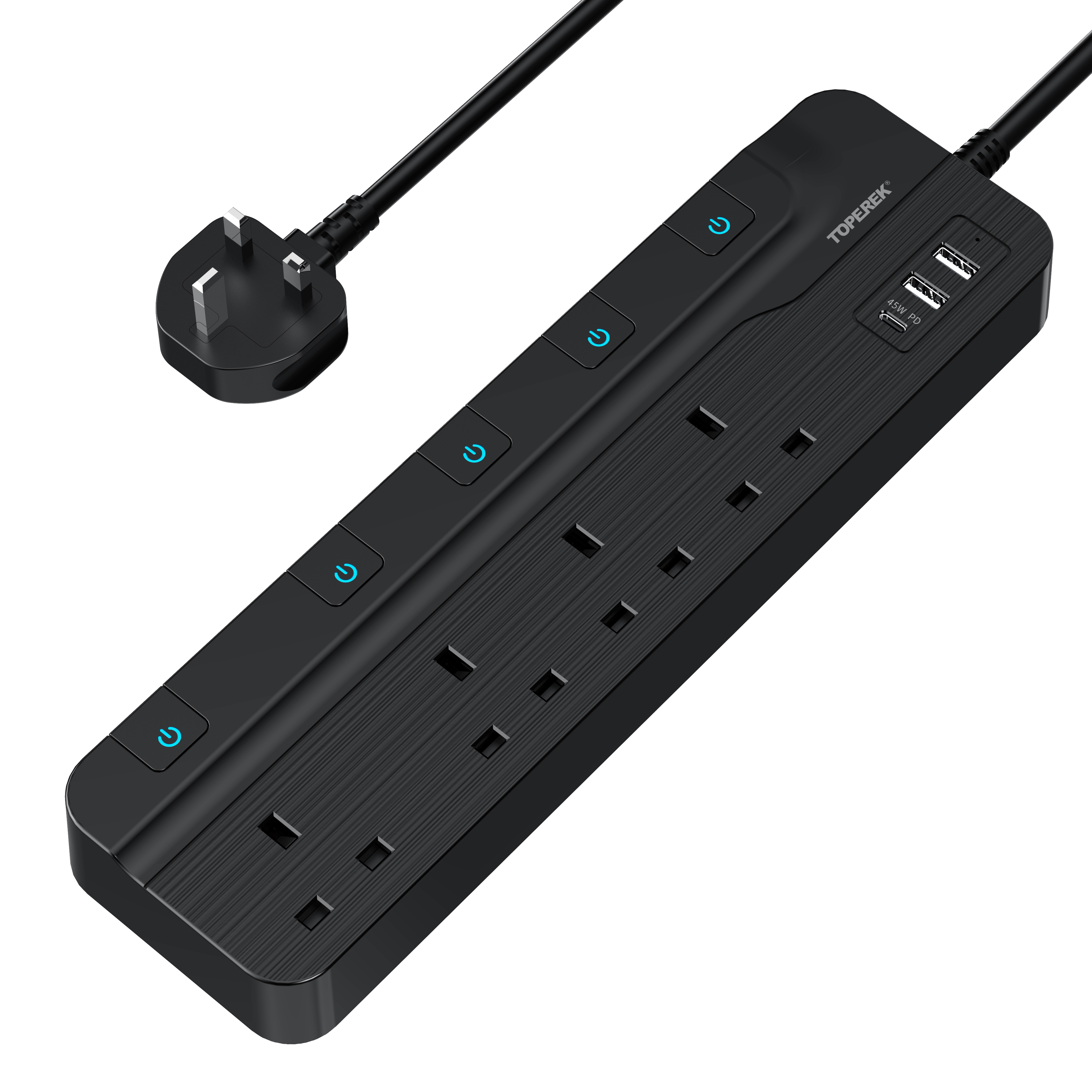
BS 1363 4-Outlet Socket with 45W USB-C PD
8-Way Multi-Tier European Tower Power Strip
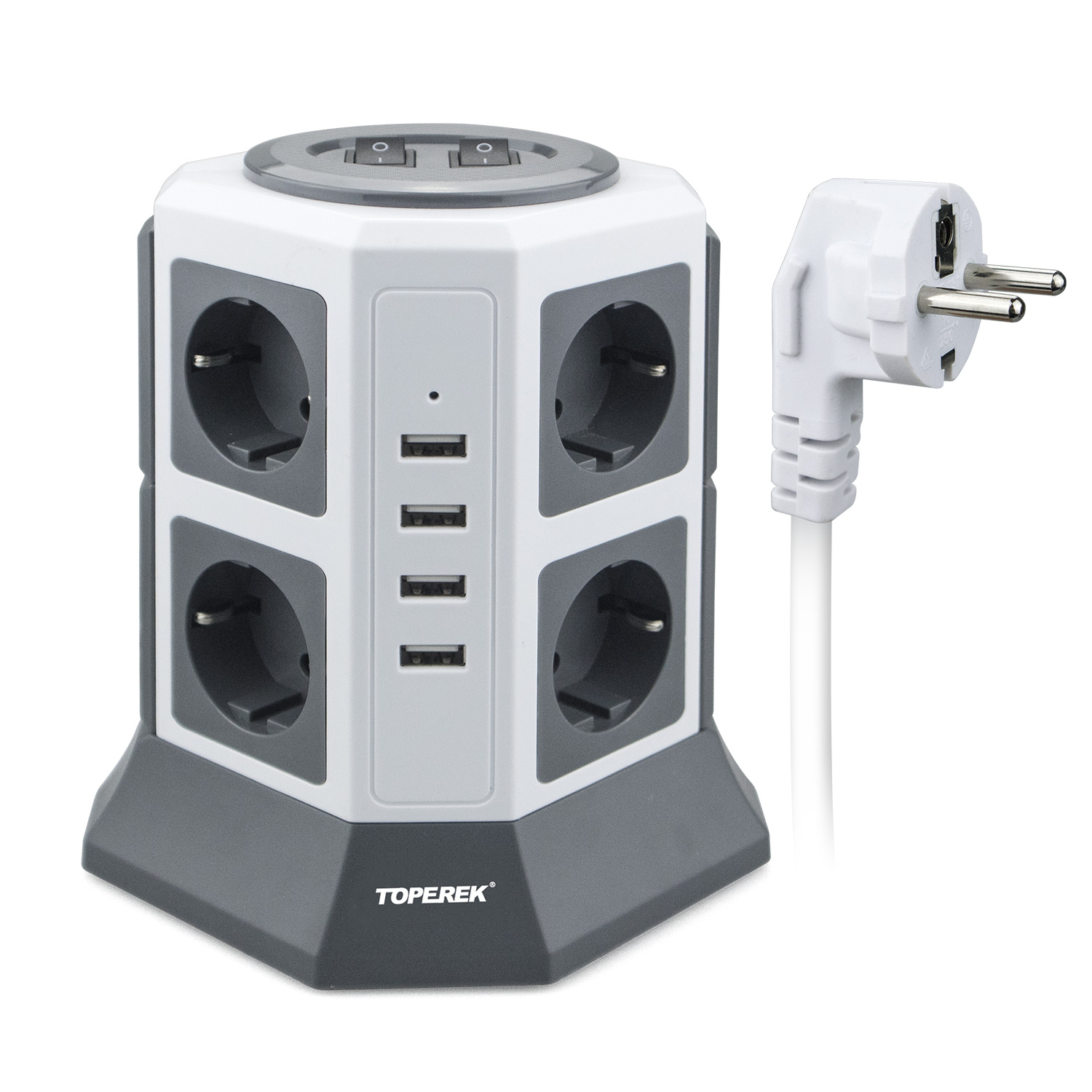
Vertical Tower Smart Extension 8 AC + 4 USB
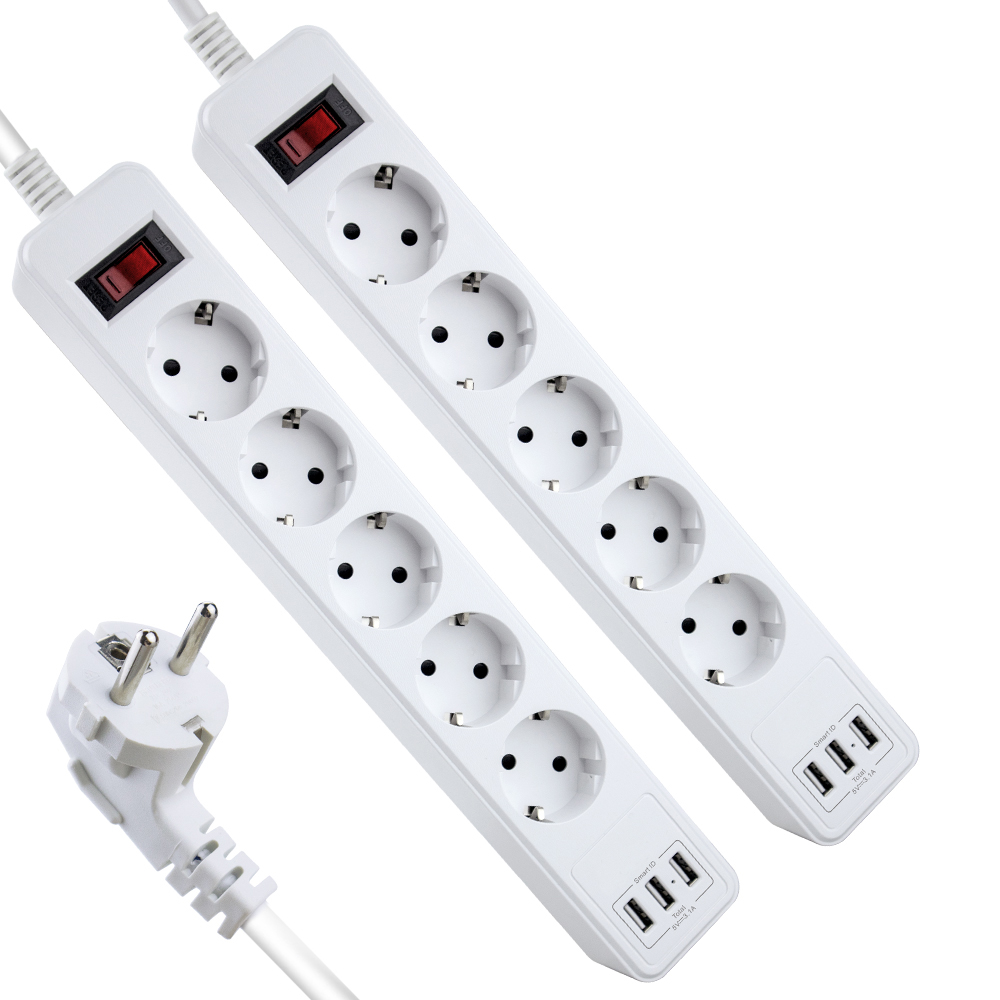
OEM Heavy Duty 5-Outlet Extension Socket
Navigating Commercial Power Hardware Procurement in the San Francisco Bay Area
The San Francisco municipal and regional commercial sectors maintain some of the most rigorous electrical, safety, and energy efficiency standards in North America. Known globally as the epicenter of venture-backed software development, generative artificial intelligence infrastructure, and hardware innovation, the Greater San Francisco Bay Area—spanning the Financial District (FiDi), South of Market (SOMA), Mission Bay, and down through Silicon Valley—places extreme demands on low-voltage branch-circuit equipment. Sourcing high-performance tower power sockets and intelligent Power Distribution Units (PDUs) requires an acute understanding of international manufacturing standards, local building compliance, seismic stability considerations, and thermal management.
As enterprise entities, corporate office developers, co-working operators, and technology hardware resellers look to overseas manufacturers, selecting a qualified tower socket exporter is no longer merely a transactional purchase. It is a risk-mitigation engineering decision. Substandard consumer-grade extension cords frequently fail under sustained high-wattage computing loads, violate municipal fire ordinances, and present substantial liability under California Civil Liability and Occupational Safety and Health (Cal/OSHA) mandates. This comprehensive whitepaper provides B2B buyers, procurement executives, and distribution partners with the technical clarity required to specify, evaluate, and import commercial-grade vertical power sockets tailored specifically to the Northern California regulatory and commercial ecosystem.
1. Regulatory Compliance Architecture: California Title 24, UL, and Cal/OSHA
Importing electrical apparatus into the San Francisco jurisdiction necessitates strict alignment with national and state codes. Any enterprise tower socket deployed in commercial office complexes or industrial workspaces must comply with Underwriters Laboratories (UL) standards, specifically UL 1363 (Standard for Relocatable Power Taps) and UL 1449 (Standard for Surge Protective Devices). In transient-heavy electronic environments—such as engineering labs or automated trading desks in the Financial District—voltage spikes can irreparably damage sensitive silicon. Therefore, compliant units must integrate Metal Oxide Varistors (MOVs) paired with thermal cutoffs (TCO) capable of clamping transients within nanoseconds.
Furthermore, the State of California enforces stringent energy conservation parameters under the California Energy Code (Title 24, Part 6) and Appliance Efficiency Regulations (Title 20). Power strip exporters supplying the Northern California corridor must ensure integrated USB switch-mode power supplies (SMPS) meet the Level VI International Efficiency Marking Protocol, maintaining no-load standby dissipation beneath 0.1W. Additionally, commercial installations audited by the San Francisco Department of Building Inspection (DBI) mandate that materials exhibit strict non-propagating flame characteristics under UL 94 V-0 flammability ratings, ensuring that vertical assemblies self-extinguish within 10 seconds of ignition exposure without flaming drippings.
| Evaluation Parameter | Generic Consumer Retail Socket | Laxvi Industrial-Grade Tower Socket | Bay Area Commercial Impact |
|---|---|---|---|
| Internal Conductor | Brass punch-strip or 0.4mm alloy wire | 0.7mm–1.0mm Integrated Phosphor Bronze Busbar | Prevents overheating; handles continuous 1875W loads without thermal creep. |
| Surge Suppression Rating | 300 – 600 Joules (basic single MOV) | 1080 – 4320 Joules (Multi-MOV + Thermal Fuse) | Survives utility grid switching transients common in dense urban corridors. |
| Enclosure Flammability | Standard recycled ABS (≤ 650°C) | Virgin ABS + Polycarbonate (UL94 V-0, 750°C Glow-Wire) | Cal/OSHA & SF Fire Code compliant; zero fire propagation risk. |
| USB Circuit Architecture | Basic silicon step-down (5V 2.1A shared) | Gallium Nitride (GaN III) with Multi-Protocol PD 3.0/3.1 | Charges enterprise laptops (MacBook Pro, ThinkPad) directly without AC bricks. |
| Center of Gravity & Base | Lightweight hollow base (tipping hazard) | Weighted anti-slip rubberized seismic base | Maintains vertical stability during minor ground vibrations and rapid cable pulls. |
2. Localized San Francisco Application Scenarios
The micro-spatial economics of San Francisco real estate exert unusual pressure on interior workspace layouts. With high commercial lease valuations across downtown Class-A commercial towers, architects and facilities planners maximize square footage through agile benching layouts, shared collaboration pods, and open-plan flexible setups. Conventional horizontal power strips present notable cable entanglement risks, obstruct legroom, and create tripping hazards that violate workplace safety audits. Vertical tower sockets resolve these layout restrictions via an omnidirectional 360-degree radial outlet footprint.
SOMA Tech Hubs & AI Developer Clusters
High-density machine learning and software teams utilize multiple 4K displays, external GPU chassis, and high-wattage computing rigs. Multi-tiered tower sockets provide individual zone control switches, dedicated high-amperage AC taps, and direct high-wattage USB-C delivery right onto desktop islands, clearing under-desk cable clutter.
Financial District (FiDi) Multi-Monitor Trading Desks
Investment managers and institutional trading floors in Montgomery and California Street complexes require zero-downtime, continuous power delivery. High-joule surge protection mitigates micro-surges caused by commercial HVAC switching, while pure phosphor bronze conductors preserve low impedance under continuous 15A loads.
Mission Bay & South Bay Hardware Incubators
Robotics development facilities, clean-energy prototypes, and biotech analytical benches require dynamic plug access. Tower sockets equipped with independent tier switching allow technicians to isolate experimental hardware without de-energizing peripheral diagnostic oscilloscopes and laptops.
Victorian & Modern Loft Hybrid Workspaces
San Francisco’s historical residential stock often features limited wall receptacles per room. Remote workers converting classic apartments in Pacific Heights, the Mission, or the Castro into professional workstations depend on aesthetic, vertical power towers to multiply limited duplex wall sockets into comprehensive 12-device power hubs safely.
Silicon Valley Executive Boardrooms & Shared Pods
Modern conference tables in Palo Alto, Mountain View, and downtown SF shared spaces require clean, centerpiece power solutions. Symmetrical tower profiles grant meeting attendees equal access to high-speed USB-C charging points and grounded AC sockets without reaching across tables.
3. Emerging Engineering & Design Trends in Northern California
The Bay Area power equipment sector is undergoing a rapid evolution toward silicon integration, compact footprint design, and higher thermal dissipation thresholds. Procurement directors looking for reliable tower socket exporters should examine several technical vectors defining next-generation product lifecycles:
Integration of Gallium Nitride (GaN III) Semiconductors: Legacy power strips relied on bulky, inefficient silicon-based power adapters housed in separate power bricks. Modern tech workspaces demand direct high-efficiency USB-C Power Delivery (PD) built straight into the tower chassis. Through the utilization of GaN III high-frequency switching transistors, modern tower sockets output up to 65W, 100W, or 140W USB Power Delivery within an ultra-compact internal envelope. This enables the direct fast-charging of modern laptops, including Apple M-Series MacBook Pro and Dell XPS workstations, eliminating the clutter of external AC chargers entirely.
Omnidirectional Seismic & Mechanical Stability: Located in an active seismic belt along the San Andreas fault system, Northern California commercial building operators place high importance on stable, tip-resistant physical structures. Standard tower strips with tall aspects and minimal base ballast are easily toppled when heavy plug transformers are connected. Contemporary high-grade vertical sockets utilize weighted base flanges, integrated counterweights, and silicone suction-grip bottom pads that prevent tipping during accidental cord tension or structural seismic vibrations.
Overload Protection & Intelligent Power Cycling: Intelligent current-monitoring chips integrated into the base assembly automatically decouple the load whenever aggregate draw exceeds 15 Amps or internal copper temperatures exceed 105°C. An illuminated, resettable push-button circuit breaker eliminates the need for manual fuse replacements, ensuring swift workspace restoration following an overcurrent event.
4. Enterprise Manufacturing Advantages: Shenzhen Laxvi Technology Co., Ltd.
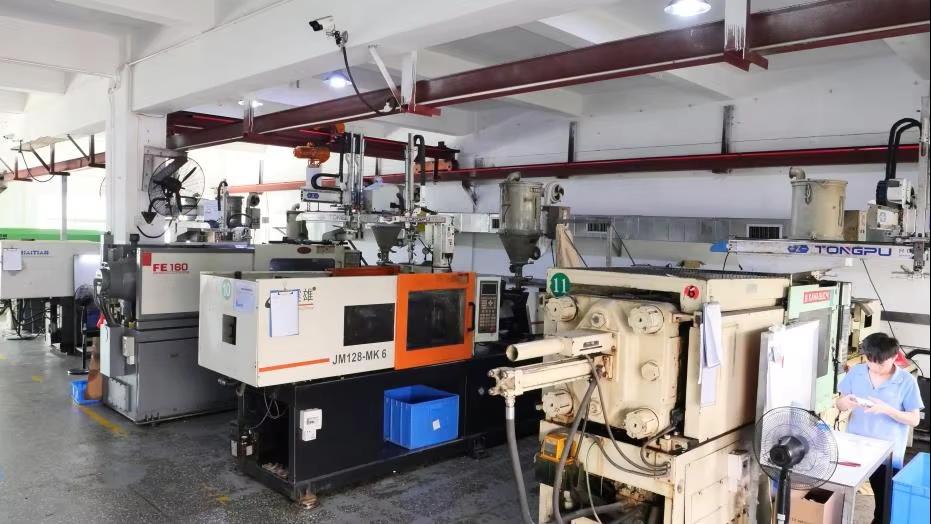
Founded in 2013 and situated within the advanced electronics manufacturing hub of Pinghu, Shenzhen, Shenzhen Laxvi Technology Co., Ltd. stands as a premier manufacturing partner for brand owners, distributors, commercial developers, and cross-border e-commerce entities targeting the San Francisco and broader North American markets. By vertically integrating industrial mold design, plastic injection, precision SMT PCBA assembly, and comprehensive electrical testing, Laxvi delivers unmatched production consistency, competitive unit economics, and rapid OEM/ODM design turnaround.
TÜV Rheinland Onsite Verification
Our 11,600 m² production facility, 340 experienced personnel, production workflows, and material tracking systems have been inspected and verified onsite by TÜV Rheinland, providing complete auditing transparency to North American procurement departments.
Full In-House Tooling & SMT
With an in-house tooling center, high-speed Panasonic SMT placement machines, reflow ovens, and dedicated injection molding units, we control quality and delivery cycles from raw polymer pellets to packaged carton.
Comprehensive Testing Laboratory
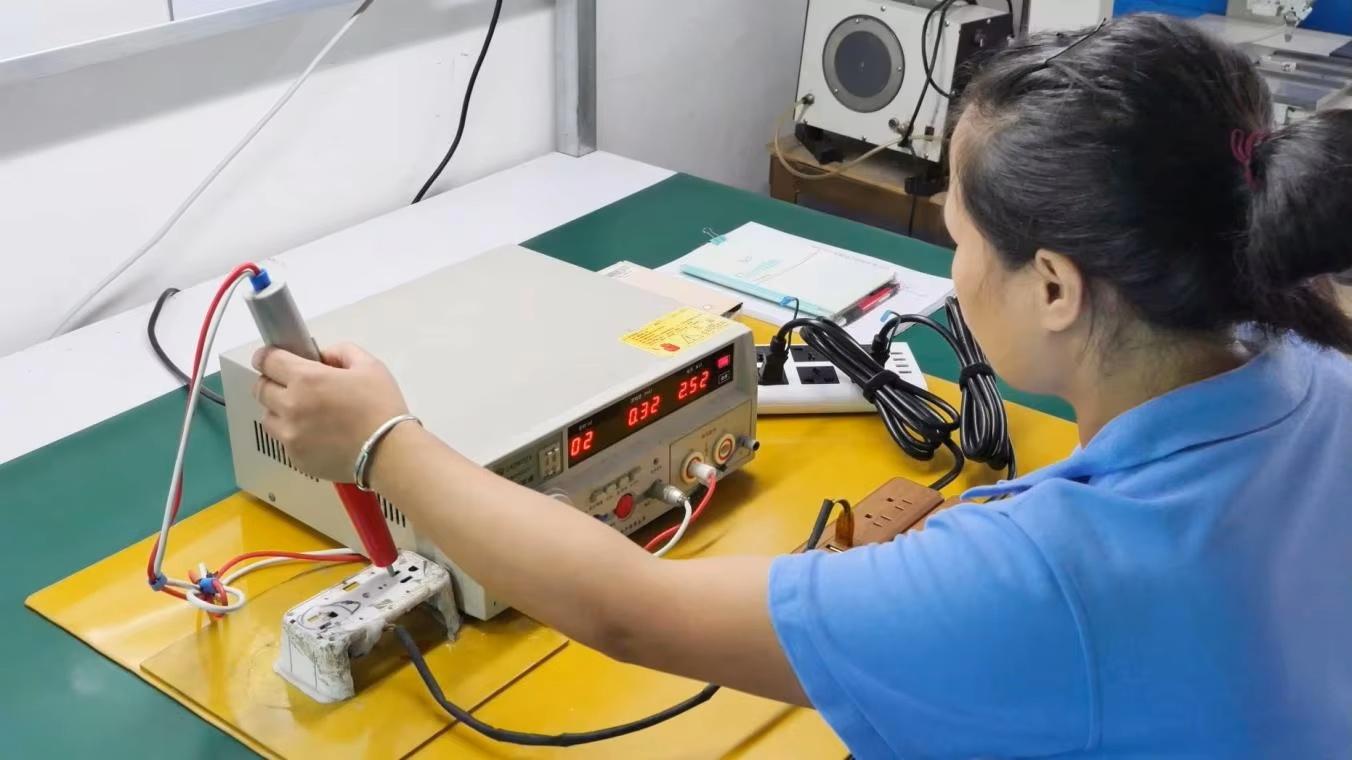
Our internal testing laboratory executes glow-wire flammability assessments, salt-spray corrosion analysis on spring terminals, automated high/low temperature-humidity cycling, and switch endurance tests up to 10,000 cycles.
Laxvi offers flexible OEM and ODM services, accommodating tailored branding, bespoke outlet/USB array architectures, customized cord lengths up to 5 meters, regional NEMA/IEC plug types, and premium packaging for high-profile retail presentation or streamlined B2B bulk installation.
5. Frequently Asked Questions (FAQ) for San Francisco B2B Sourcing Teams
To distribute commercial or consumer power strips legally in California, products must be certified by an OSHA-recognized Nationally Recognized Testing Laboratory (NRTL), such as UL, ETL (Intertek), or CSA. The mandatory standards are UL 1363 for Relocatable Power Taps and UL 1449 if the device incorporates surge suppression. Integrated USB power modules must also satisfy FCC Part 15, Subpart B (Class B) for electromagnetic interference to ensure no disturbance with high-frequency Wi-Fi networks or office electronics. Additionally, components must conform to RoHS Directive standards to prevent restricted hazardous substances entering local e-waste streams.
Ocean shipments departing from Shenzhen (Yantian or Shekou ports) route across the trans-Pacific shipping lane directly into the Port of Oakland, Northern California’s primary container gateway. Standard maritime transit averages 14 to 18 days on direct express container lines, plus 3 to 5 days for customs clearance through U.S. Customs and Border Protection (CBP) and local drayage into Bay Area distribution centers (Hayward, Richmond, or South San Francisco). Production lead times for custom OEM/ODM production runs typically range from 25 to 35 business days following final sample authorization.
Power strips, relocatable power taps, and tower sockets are generally classified under HTS Code 8537.10.9170 (Boards, panels, consoles, desks, cabinets and other bases, equipped with two or more apparatus of heading 8535 or 8536, for electric control or the distribution of electricity, for a voltage not exceeding 1,000 V) or HTS Code 8536.69.8000 (Plugs and sockets). Importers must consult with a licensed customs broker to confirm precise classification, applicable general duty rates, and any active Section 301 tariffs applicable to goods manufactured in China.
Yes. Laxvi supports full design-based customization (ODM). For multinational tech enterprises, research laboratories, or co-working incubators that utilize equipment with overseas plugs alongside standard US NEMA 5-15P cords, we manufacture hybrid tower sockets that blend NEMA receptacles with universal sockets, alongside customized high-power USB-C ports (up to 100W GaN per port) on dedicated internal busbar pathways.
For standard catalog configurations with laser-etched private labeling, our MOQ starts at 500 units. For full OEM custom colorways, customized cord lengths, and bespoke four-color retail box packaging, MOQ is typically 1,000 to 2,000 units per production run. Evaluation samples and compliance test prototypes can be delivered via express air courier within 7 business days.
Connect with Our Direct Factory Engineering & Export Team
Whether you are sourcing custom tower power sockets for Silicon Valley commercial offices, developing a private-label retail range, or seeking an onsite-verified OEM manufacturer, our technical sales engineers are prepared to assist with technical drawings, test reports, and volume quotations.